
How South Korea's Fire Agency Responds to Regional Disasters: A Case Study of Gyeongnam's Drought and Heavy Rain
National Fire Mobilization Order: Issuance and Cancellation Process
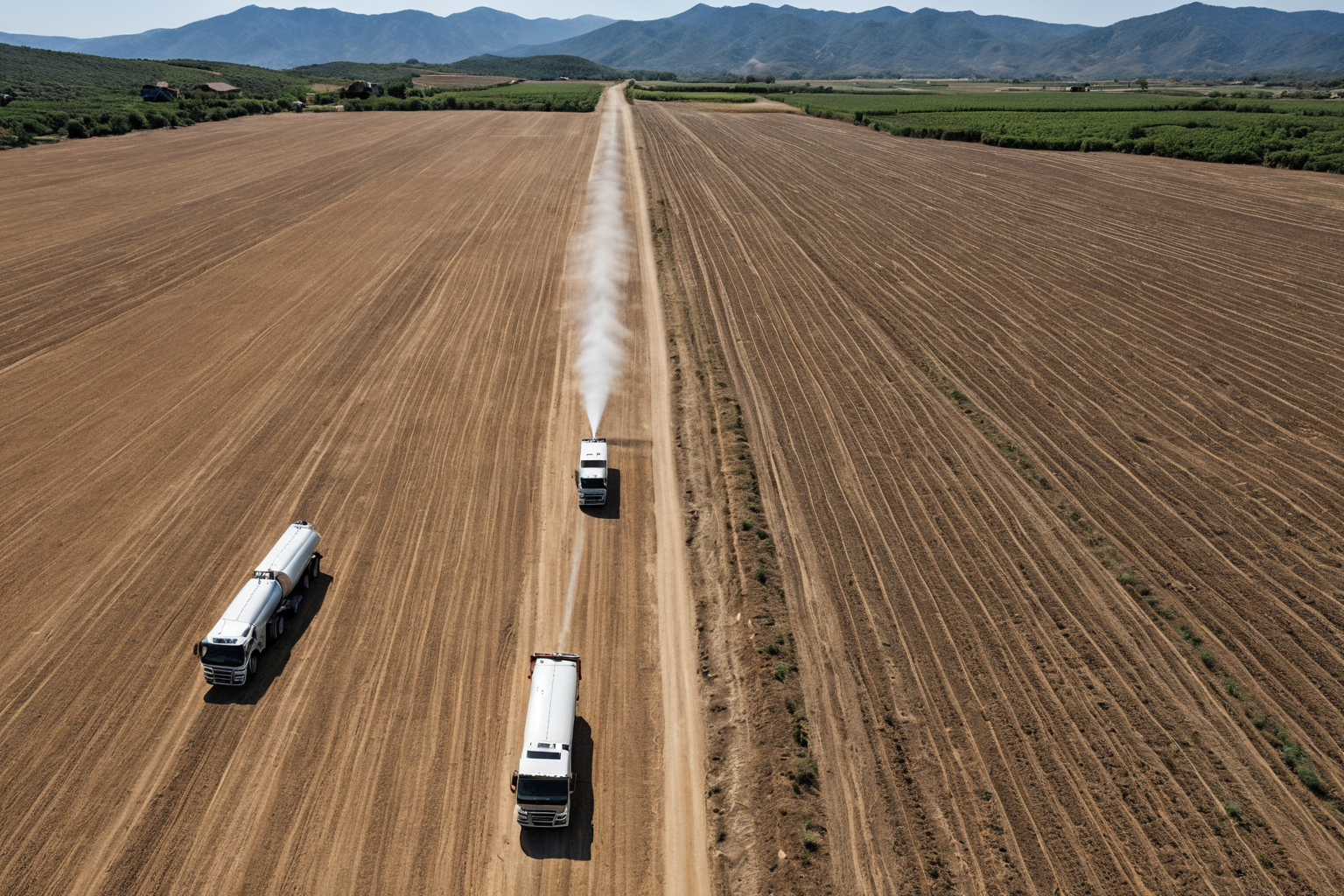
In the summer of 2026, in response to heavy rains and drought conditions in Gyeongnam Province, the Fire Administration issued and canceled a National Fire Mobilization Order three times. A total of 200 water tankers nationwide were deployed for flood and landslide response in Geoje City and landslide prevention, with up to 400 firefighters mobilized at peak times.
Gyeongnam Drought Response
On August 11, as drought conditions worsened in Gyeongnam Province, the Fire Administration issued a National Fire Mobilization Order and deployed 200 water tankers nationwide. This marked the second consecutive year that such an order was issued following last year's drought in Gangneung, with response periods expected to last from several days to weeks.
On August 13, the mobilization order for Gyeongnam drought was extended 'for the time being,' and plans were made to adjust water supply vehicle operations. By August 16, as drought conditions improved in Gyeongnam, the mobilization order was lifted after providing a total of 35,000 tons of water supply support.
Geoje and Tongyeong Heavy Rain Response
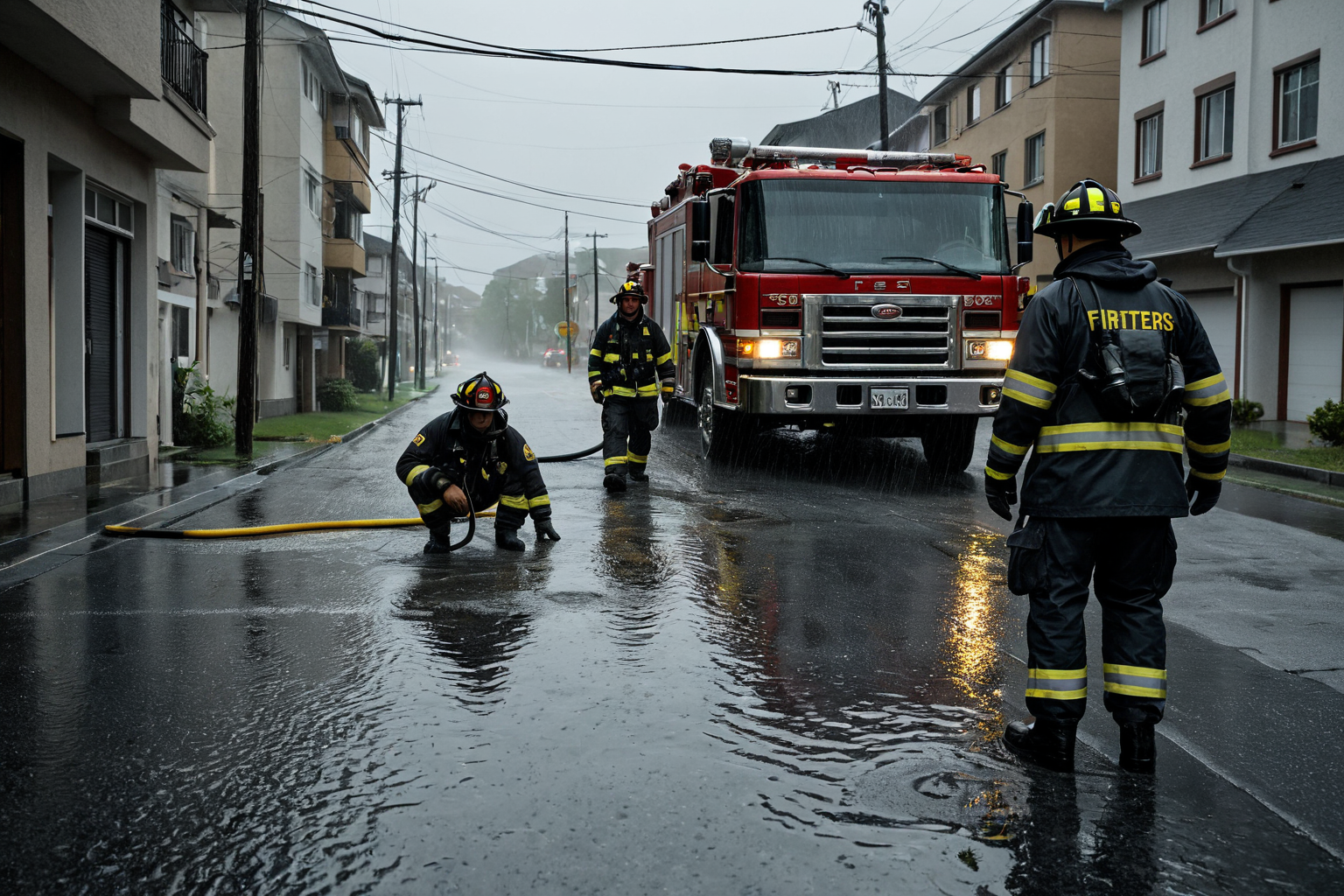
On August 17, heavy rains hit Geoje and Tongyeong areas, prompting the Fire Administration to issue its third National Fire Mobilization Order. On that day, 1,947 reports were received, with 136 people rescued. One fatality and three injuries occurred, but additional recovery support vehicles were deployed to prevent fire spread.
This mobilization order was issued considering the flood and landslide situation in Geoje, with on-site response beginning at 9:30 a.m. on August 17. The Fire Administration further deployed recovery support vehicles to manage disaster conditions.
Criteria and Process for National Fire Mobilization Orders
The National Fire Mobilization Order is a measure issued by the Fire Administration when major disasters occur, enabling comprehensive response across regions. Following its initial issuance on August 11, 2026, for Gyeongnam drought, three additional orders were issued due to heavy rains in Geoje and Tongyeong.
The order mobilizes nationwide firefighting resources, deploying specialized vehicles such as water tankers and recovery support vehicles. During drought responses, water supply was the primary focus, while during heavy rain situations, search and rescue operations and report handling were prioritized.
Case Studies of National Fire Mobilization Orders
The mobilization order issued on August 11 for Gyeongnam drought led to the deployment of 200 water tankers nationwide. This was the second consecutive year such an order had been issued following last year's Gangneung drought, with response periods expected to last from several days to weeks.
On August 13, the mobilization order for Gyeongnam drought was extended, and plans were made to adjust water supply vehicle operations. By August 16, as drought conditions improved, the order was lifted after providing a total of 35,000 tons of water supply support.
On August 17, the third mobilization order for heavy rains in Geoje and Tongyeong resulted in 1,947 reports received and 136 people rescued. This represents a recent example of the Fire Administration's rapid response to major disasters.
Fire Administration Response Preparedness
The Fire Administration activated preemptive response systems ahead of weekend heavy rains. Starting July 16, they began pre-emptive responses based on weekend rain forecasts, aiming for efficient use of firefighting resources.
The Ministry of the Interior and Safety established a 'Drought Response Team' to manage drought conditions and water supply support systematically. The Fire Administration coordinated simultaneous responses to both drought and heavy rain disasters, emphasizing the importance of rapid on-site decision-making.
Media Coverage Regarding Mobilization Orders
The Fire Administration refuted claims that fewer firefighters were deployed for a Daegu factory fire compared to BTS concerts. This was confirmed in a report released on August 17.
A mobilization order for the Daegu Daejeok-gu factory fire spread, issued on March 20, involved nationwide deployment of firefighting resources. Separately, responses continued for drought and heavy rain conditions in Gyeongnam Province.
The Fire Administration continues to efficiently deploy personnel and equipment for disaster response. Information sharing and rapid response systems played crucial roles during the issuance and cancellation of mobilization orders.
Points to Verify
The Fire Administration issued a mobilization order on August 17 for heavy rains in Geoje and Tongyeong, but specific damage scale and number of fatalities were not confirmed in reports. Further investigation is needed in this regard.
Regarding claims that fewer firefighters were deployed for the Daegu factory fire compared to BTS concerts, precise comparative data was lacking. This also requires verification.
Frequently Asked Questions
When does the Fire Administration issue a National Fire Mobilization Order?
The order is issued when major disasters occur, enabling comprehensive regional response by the Fire Administration. It can be triggered by various situations including drought, heavy rain, and fires.
How are nationwide water tankers deployed during a National Fire Mobilization Order issuance?
200 water tankers were deployed for Gyeongnam drought response. This marks the second consecutive year such deployment occurred following last year's Gangneung drought.
How did the Fire Administration refute claims about insufficient firefighting personnel?
The Fire Administration refuted claims that fewer firefighters were deployed for a Daegu factory fire compared to BTS concerts. This was confirmed in a report released on August 17.
Frequently Asked Questions
In summer 2026, Gyeongnam Province's drought and heavy rain situations were systematically addressed through the Fire Administration's National Fire Mobilization Orders. Over three separate orders, 200 water tankers and up to 400 firefighters were deployed, with water supply support and rescue operations conducted.
During drought response, a total of 35,000 tons of water was supplied, while heavy rain situations saw 1,947 reports and 136 people rescued. This represents the Fire Administration's systematic approach to rapid disaster response.
The information sharing and on-site decision-making during mobilization order issuance and cancellation played key roles. Particularly, simultaneous management of both drought and heavy rain disasters demonstrated efficient use of firefighting resources.
Further investigation and data analysis will be needed for future improvements in Gyeongnam's disaster prevention and response systems to enable more effective disaster management.
You can view similar articles on this topic all at once.
View Related ArticlesFAQ
When does the Fire Administration issue a National Fire Mobilization Order?
The order is issued when major disasters occur, enabling comprehensive regional response by the Fire Administration. It can be triggered by various situations including drought, heavy rain, and fires.
How are nationwide water tankers deployed during a National Fire Mobilization Order issuance?
200 water tankers were deployed for Gyeongnam drought response. This marks the second consecutive year such deployment occurred following last year's Gangneung drought.
How did the Fire Administration refute claims about insufficient firefighting personnel?
The Fire Administration refuted claims that fewer firefighters were deployed for a Daegu factory fire compared to BTS concerts. This was confirmed in a report released on August 17.
Korean Source
This article is an English localization of a Korean-language report from BlogScore. Original: 소방청 동원령 발령 시 지역별 대응 차이점