
How Rising USD/KRW Exchange Rate Affects Import Prices and Logistics Costs
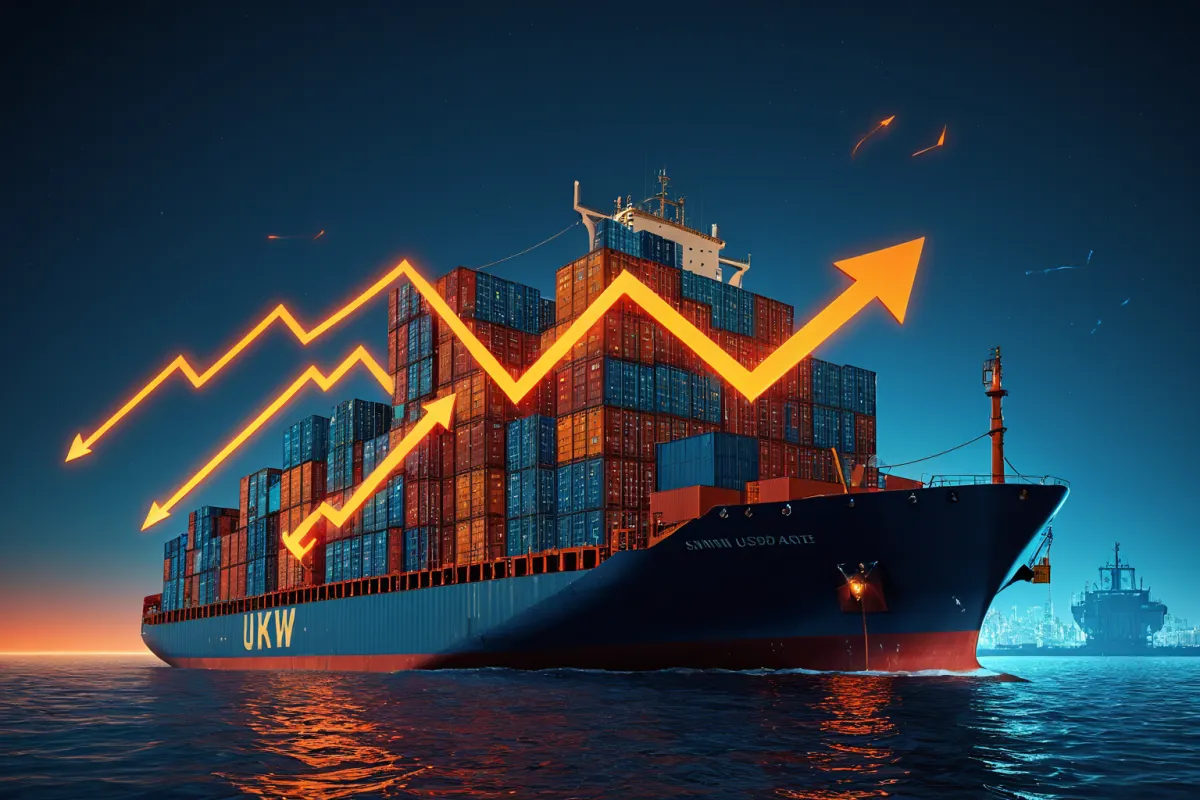
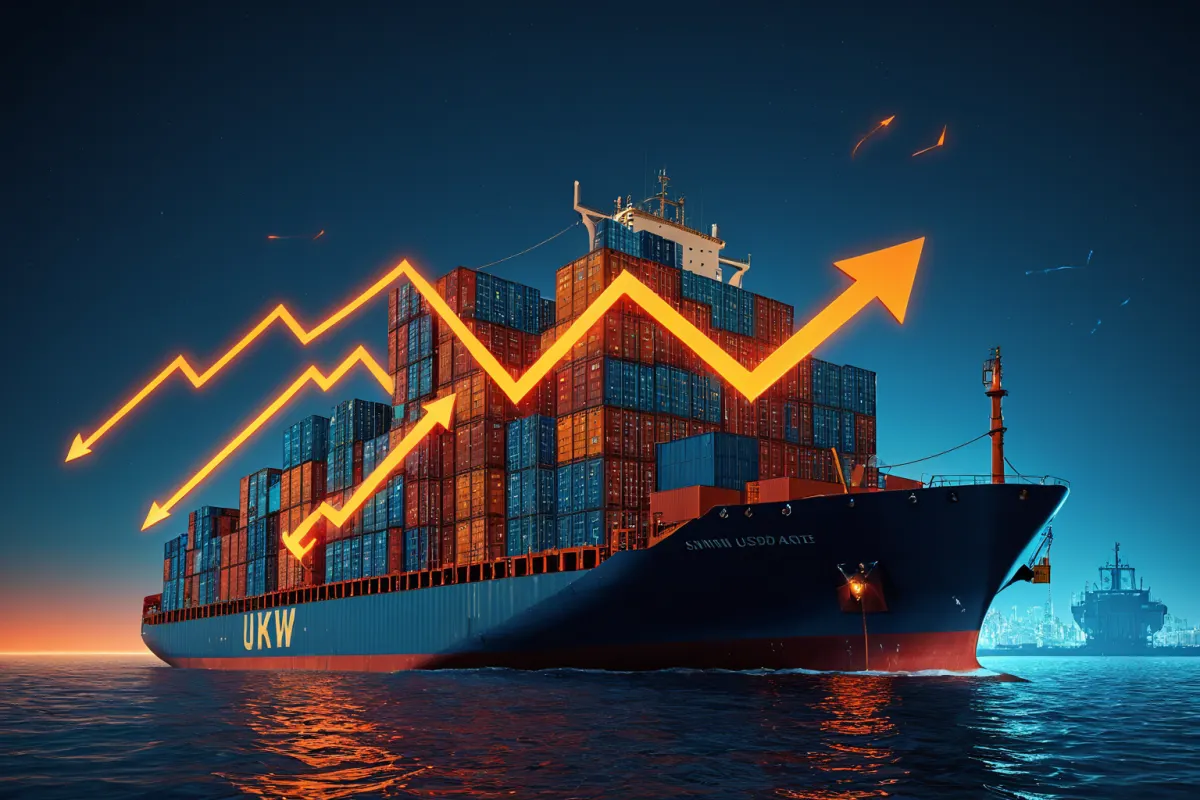
When the USD/KRW exchange rate rises, the most immediate impact is felt in import prices and logistics costs. Since many raw materials, components, and energy are paid for in dollars, their cost in Korean won increases, raising production costs and eventually putting pressure on consumer prices.
However, not all items see price hikes simultaneously. The speed of adjustment varies depending on contract timing, inventory levels, transportation methods, and whether companies have hedged against exchange rate fluctuations—leading to noticeable differences in how the impact is felt.
Places Where Rising Exchange Rate Effects Are Felt Quickly
The fastest impacts are seen in imported raw materials and intermediate goods. Items like semiconductor components, industrial chemicals, grains, and energy—which have high dollar-based pricing—are particularly sensitive to exchange rate changes. As the won weakens against the dollar, production costs for these items rise.
Importers often wait to adjust prices until they’ve sold off existing inventory rather than raising them immediately after a sudden rate increase. So, price changes may only become visible weeks later or at the next order point, not right away.
For example, consider a coffee bean importer that purchased 10,000 USD worth of beans. At an exchange rate of 1,300 won per dollar, this cost 13 million won. If the rate rises to 1,400 won, the same amount now costs 14 million won. Add in logistics fees, tariffs, and profit margins, and the final retail price is likely to increase.
You can find similar content all in one place.
View Related ArticlesHow Rising Import Prices Lead to Higher Consumer Prices
The impact of a rising exchange rate doesn’t stop at importers. As the cost of imported goods rises, it can ripple through to processed foods, electronics, pharmaceuticals, and household products that use those imports as raw materials.
Not all prices rise at the same speed, though. In highly competitive markets, companies may absorb some of the increased costs rather than passing them on to consumers. For items under long-term contracts, prices might remain stable for a period. This means the perceived price increase varies by product category.
Restaurants are especially affected because they rely on both imported ingredients and domestic labor costs. If exchange rate impacts accumulate over time, menu prices may gradually rise—a change that consumers notice more subtly over time.
Why Logistics Costs Increase with Exchange Rate
Logistics costs aren’t just about transportation fees—they include loading charges, insurance, port fees, fuel costs, and customs-related expenses. Some of these are priced in dollars, so when the won weakens, even the same dollar amount becomes more expensive in won terms.
For example, if shipping costs 2,000 USD, a higher exchange rate (e.g., from 1,300 to 1,400 won per dollar) means the cost in won increases. Add rising global oil prices into the mix, and logistics pressures grow even more.
Carriers and importers may try to reduce these costs by adjusting shipment schedules or consolidating shipments—but reducing volume can increase unit costs, making cost management challenging either way.
The Positive Side for Export-Focused Businesses
Rising exchange rates aren’t all bad news. Companies that earn revenue in dollars (exporters) benefit from a weaker won because the same dollar amount converts to more Korean won, potentially boosting short-term profits.
For instance, an exporter earning 1 million USD abroad would see their won-denominated revenue rise as the exchange rate increases. This can lead to higher earnings expectations during periods of rising rates.
But this isn’t automatic. Companies that source raw materials in dollars or operate overseas production facilities may face cost increases that offset these gains, so the benefits vary by business model.
Why Exchange Rates Rise and What Markets Are Watching
Multiple factors can drive a rising USD/KRW exchange rate: higher U.S. interest rates compared to South Korea’s, increased global uncertainty, or concerns about domestic economic slowdowns. These conditions often lead to a weaker won.
Foreign exchange markets tend to react more to expectations than actual numbers. If investors anticipate widening interest rate differentials between the U.S. and South Korea, demand for dollars may rise, pushing the exchange rate higher. Similarly, if safe-haven assets become more attractive, it can also drive up the dollar’s value.
For most people, though, the real impact of exchange rates is felt through daily life—such as rising prices on imported goods, increased travel costs, or changes in imported food prices.
Key Points to Monitor for Daily Life and Investments
When exchange rates rise, it’s wise to review your spending habits. Pay attention to frequent international transactions, subscription services paid abroad, and shopping at dollar-based online stores—these can help reduce the perceived impact of a weaker won.
For example, if planning an overseas purchase, consider separating payment timing from shipping dates. A high exchange rate on the payment day might still lead to higher total costs due to later-added shipping fees or taxes.
In investment terms, don’t make decisions based solely on exchange rates. Even export-focused stocks need to be evaluated based on industry competitiveness, cost structure, and global demand. Domestic-focused companies, meanwhile, may respond more to interest rates or consumer sentiment than to exchange rate movements.
Checklist for Understanding Exchange Rate Impact
- Does your business rely heavily on imported raw materials?
- Do you have dollar-based revenue or expenses?
- How much of logistics costs are reflected in product pricing?
- Are there hedging strategies or long-term contracts in place?
- What inventory levels do you currently hold?
By reviewing these five points, you can better gauge how a rising exchange rate will affect your personal life or business. Even with the same rate increase, some may feel immediate pressure while others might only notice changes months later.
FAQ
Q1. Does a rising USD/KRW rate always lead to higher prices?
No, not necessarily. While items with high import dependency are more affected, the speed of price adjustment depends on inventory levels, contract terms, and company pricing strategies.
Q2. Is a rising exchange rate good for export companies?
It can be beneficial for dollar-denominated revenue conversion, but if they also source materials in dollars, cost increases may offset the gains.
Q3. What should individuals focus on during a rising exchange rate period?
Monitor international spending, overseas shopping prices, travel costs, and imported food prices to better understand the impact. Investors should assess both dollar revenue structure and cost structure of companies before making decisions.
Exchange rates fluctuate daily, so the figures and trends mentioned in this article may change over time. For the most up-to-date information on exchange rates, import prices, and logistics costs, it’s best to check current market conditions.
Explore more content on similar topics.
View Category ArticlesFAQ
Does a rising USD/KRW rate always lead to higher prices?
No, not necessarily. While items with high import dependency are more affected, the speed of price adjustment depends on inventory levels, contract terms, and company pricing strategies.
Is a rising exchange rate good for export companies?
It can be beneficial for dollar-denominated revenue conversion, but if they also source materials in dollars, cost increases may offset the gains.
What should individuals focus on during a rising exchange rate period?
Monitor international spending, overseas shopping prices, travel costs, and imported food prices to better understand the impact. Investors should assess both dollar revenue structure and cost structure of companies before making decisions.
Korean Source
This article is an English localization of a Korean-language report from BlogScore. Original: 원달러환율상승 영향 총정리: 수입물가·물류비는?