
How Reduced US-South Korea Military Exercises Are Reshaping Regional Security
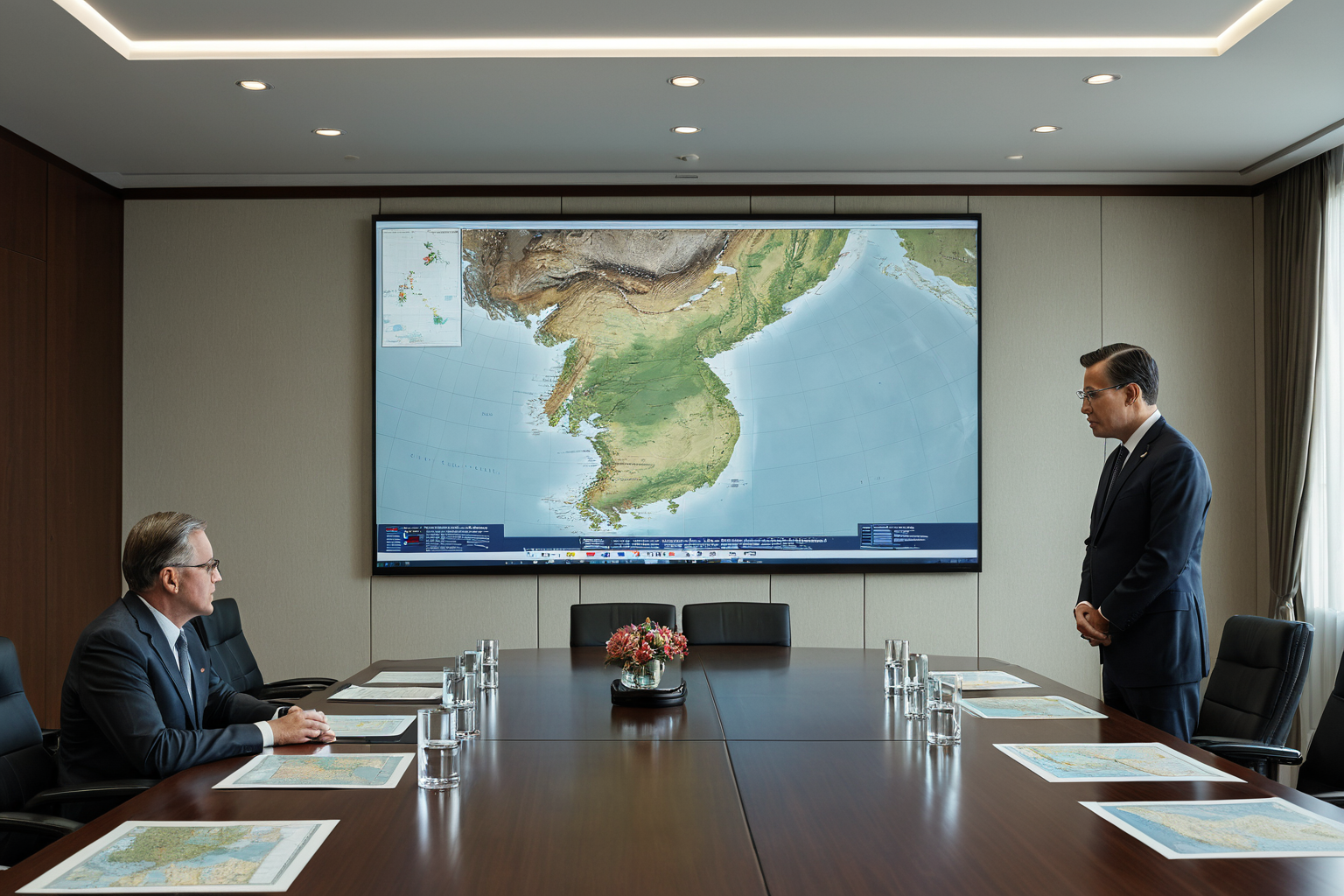
Reducing US-South Korea Joint Exercises: A New Security Landscape on the Peninsula
The Trump administration's decision to significantly scale back U.S.-South Korean joint military exercises has complicated prospects for security in the Korean Peninsula. U.S. officials and experts have expressed concern that this move could weaken alliance trust, while North Korea and Russia are responding in different ways.
Details of the Reduced Joint Exercises
The U.S. Department of Defense announced plans to substantially reduce joint exercises with South Korea on August 19, implementing directives from President Trump. While South Korean official Cho Hyun said he was not informed beforehand, the U.S. emphasized that the reduction would not disrupt operations.
The Pentagon stated it will scale back exercise size but maintain essential readiness and combat preparedness, in line with Trump's directive. Russia welcomed the reduced exercises as a potential decrease in conflict risks.
Dispute Over Prior Notification
Following the announcement of the reduction, Cho Hyun claimed he was not given prior notice from U.S. officials. This relates to broader discussions about democratizing alliance decision-making processes. The U.S. Department of Defense stated it had already publicly announced the plan and that operations would proceed without disruption.
U.S. senators expressed concern over weakened alliance trust, informing BBC of their worries. Some media outlets have criticized the Trump administration's move as a 'short-sighted mistake,' reflecting complex political debates within the U.S. and international reactions.
North Korea and Russia Responses
North Korea has vowed to continue its self-defense stance despite the reduction in joint exercises, warning of clear actions in response. This shows North Korea's continued hardline position on Peninsula security. Russia has welcomed the reduced exercises as a decrease in conflict potential.
Russian and North Korean military experts have raised concerns about a potential readiness gap from the exercise cuts, which could increase the likelihood of further provocations by North Korea. A bill to maintain the current size of U.S. forces in South Korea at 28,500 troops passed the U.S. Senate, though the Trump administration may still further reduce joint exercises.
Weakening Alliance Trust
The Trump administration's directive to scale back joint exercises has sparked significant debate among U.S. officials and experts. Senators warned of weakened alliance trust, informing BBC. Chinese media analyzed Trump's move as more focused on diplomatic gains than tension reduction.
U.S. opposition parties have criticized the exercise cuts as a 'short-sighted mistake,' highlighting internal political divisions over foreign policy. Analysts warn that regional stability could be undermined by these developments.
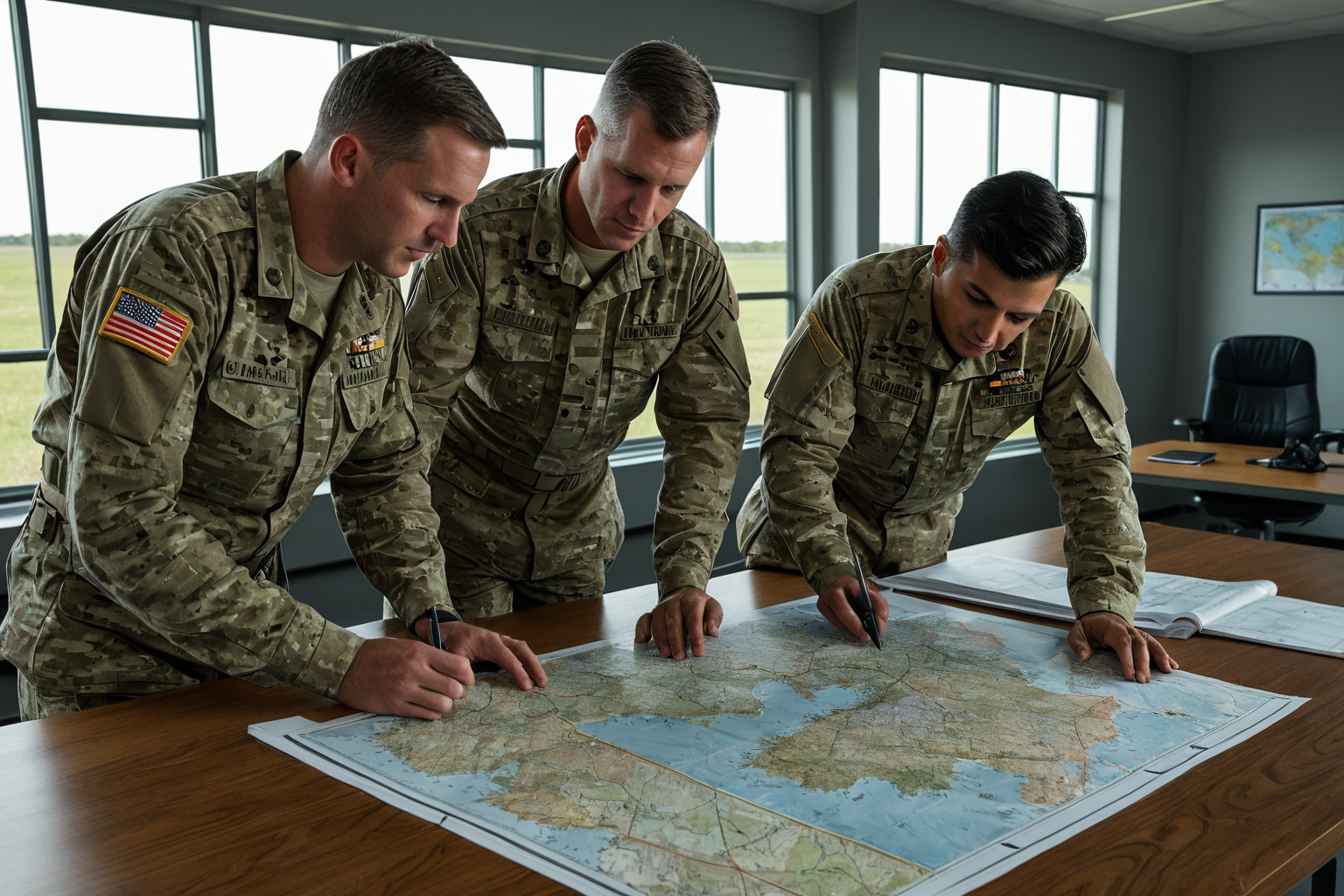
The Bill to Maintain U.S. Troop Levels and Alliance Sustainability
A Senate bill to maintain the current size of 28,500 U.S. troops in South Korea passed on October 11, 2025, confirming the status quo. This decision is seen as contributing to the sustainability of the U.S.-South Korea alliance. However, concerns remain that the Trump administration may further reduce joint exercises despite this legislative action.
The Senate approved the bill on October 11, with reports confirming the maintenance of current troop levels by October 22. This is viewed as an important step in stabilizing the alliance.
Trump Administration's Diplomatic Strategy
The reduction in joint exercises reflects broader U.S. diplomatic strategy, with weakened alliance trust and responses from North Korea and Russia emerging as key issues. This complex situation involves both domestic political debates and international reactions.
Some analysts argue that the exercise cuts could serve U.S. diplomatic goals, though concerns persist about potential weakening of alliance trust and increased instability on the Peninsula.
Changing Security Dynamics on the Peninsula
The reduction in joint exercises is altering security dynamics on the Korean Peninsula. U.S. senators warned BBC of weakened alliance trust, while Chinese media analyzed Trump's move as more about diplomatic gains than tension reduction.
North Korea has reiterated its self-defense stance despite reduced exercises, warning of clear actions in response. This demonstrates North Korea's continued hardline position on Peninsula security.
Congerns About Readiness Gaps
Russian and North Korean military experts have warned that the reduction in joint exercises could create a readiness gap, potentially increasing the likelihood of further provocations by North Korea. Although a bill to maintain current troop levels passed the Senate, concerns remain about possible additional cuts to joint exercises.
Analysts warn that the Trump administration's directive could destabilize Peninsula security, reflecting ongoing concerns among U.S. officials and experts about weakened alliance trust.
Domestic Political Debate in the United States
The decision to reduce joint exercises has sparked political debate within the U.S., with opposition parties calling it a 'short-sighted mistake.' This reflects divisions within U.S. politics over foreign policy and demonstrates varying perspectives on diplomatic approaches.
While the Senate passed legislation maintaining current troop levels, the Trump administration's directive to scale back joint exercises is proceeding separately, highlighting ongoing political tensions.
Democratizing the Alliance Decision-Making Process
Discussions about democratizing alliance decision-making have also emerged. Cho Hyun claimed he was not informed in advance of the exercise reduction, while U.S. officials emphasized that the plan had been publicly announced and would proceed without disruption.
Democratizing the alliance aims to increase transparency in decision-making processes within the alliance, which could contribute to greater sustainability of U.S.-South Korea relations.
Key Information to Verify
Specific details about the scale and duration of the exercise reduction remain unclear. This is becoming a key issue requiring further reporting for verification.
The Trump administration's directive, combined with domestic political debates and international reactions, could shape the future direction of the U.S.-South Korea alliance.
Frequently Asked Questions
Will reduced joint exercises weaken alliance trust?
U.S. senators have expressed concern over weakened trust to BBC, though the Department of Defense stated there would be no disruption from the reduction.
Will North Korea continue its self-defense stance despite reduced exercises?
North Korea has vowed to maintain its self-defense policy and warned of clear actions in response to the exercise cuts.
What is the Trump administration's goal in reducing joint exercises?
The move reflects U.S. diplomatic strategy, with weakened alliance trust and responses from North Korea and Russia emerging as key issues.
Frequently Asked Questions
The reduction of joint U.S.-South Korea military exercises is reshaping regional security dynamics, reflecting broader U.S. diplomatic strategy while raising concerns about alliance trust and potential provocations by North Korea. This situation involves complex domestic political debates within the United States and international reactions.
Future direction of the U.S.-South Korea alliance will likely depend on specific details regarding exercise scale and duration, as well as whether alliance trust is weakened. The passage of legislation maintaining current troop levels represents a positive signal, though further disputes remain possible.
Analysts warn that Trump administration directives could destabilize Peninsula security, reflecting ongoing concerns among U.S. officials about weakening alliance trust.
You can view more articles on similar topics in one place.
View Related ArticlesFAQ
Will reduced joint exercises weaken alliance trust?
U.S. senators have expressed concern over weakened trust to BBC, though the Department of Defense stated there would be no disruption from the reduction.
Will North Korea continue its self-defense stance despite reduced exercises?
North Korea has vowed to maintain its self-defense policy and warned of clear actions in response to the exercise cuts.
What is the Trump administration's goal in reducing joint exercises?
The move reflects U.S. diplomatic strategy, with weakened alliance trust and responses from North Korea and Russia emerging as key issues.
Korean Source
This article is an English localization of a Korean-language report from BlogScore. Original: 한미훈련 축소로 인한 한반도 안보 변화