
How Police Are Catching Deepfake Crimes Using AI
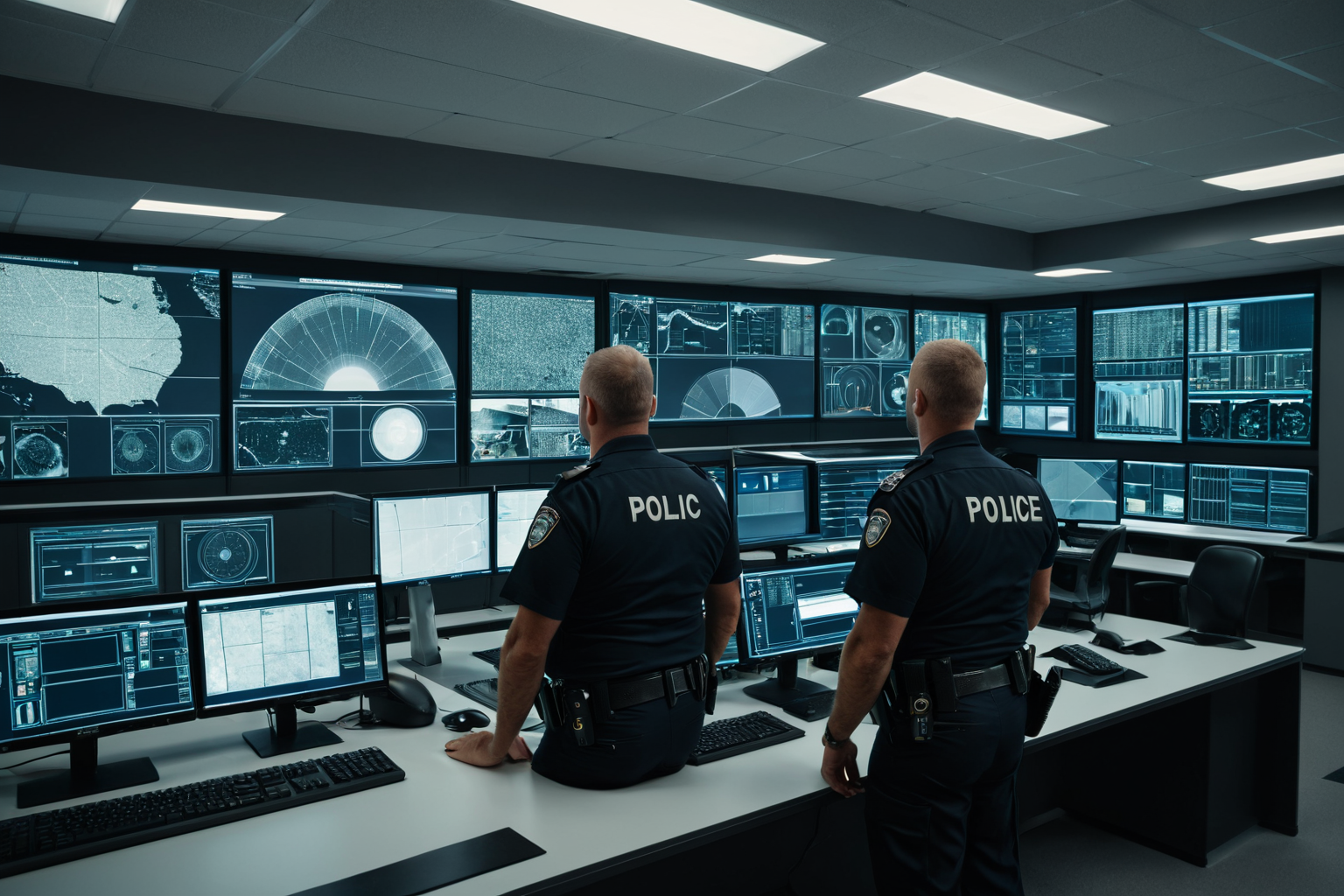
Police's AI-Powered Deepfake Detection System
Over the past seven months, police have successfully identified and tracked deepfake crimes from creation to distribution using a 'three-step tracking' system powered by AI technology. This approach has led to the arrest of 419 suspects. The system specifically targets false video production and dissemination, with deepfake-related offenses against minors accounting for 60% of reported cases over three years—a growing social issue.

Major Types of Deepfake Crimes and Arrest Statistics
The most common types of deepfake crimes investigated by police include the production of pornographic content and cyber sexual violence. The Sejong Police Agency identified 33 suspects involved in election-related offenses where deepfakes were used to spread false information. There have also been warnings issued about deepfake crimes targeting high school students, reflecting heightened concern over the high rate of minor victims.
By May 2026, all cases involving minors and financial scams through deepfake technology had been fully resolved with international cooperation. Starting in September 2024, an average of 13 deepfake-related reports have been received daily—a significant increase following the unification of reporting channels. This reflects stronger police attention to crimes targeting minors.
Minor Victims and International Cooperation Cases
Of all reported deepfake sexual offenses over three years, 60% involved minors, aligning with statistics showing that more than half of cyber sexual violence cases involve teenagers. To address this issue, police successfully arrested all suspects in cases involving the production of deepfakes targeting minors and financial scams through international cooperation.
As of November 2025, a total of 3,557 individuals were arrested for cyber sexual violence crimes, with over half being teenagers. Police have emphasized the importance of protecting minors, particularly highlighting a case involving a romance scam using deepfakes that resulted in a 500 million won (approximately $380,000) theft, currently under organized crime investigation. This shows how deepfake crimes are evolving from individual incidents to broader societal threats.
Systematic Police Response Strategies
To improve efficiency, police have unified reporting channels for deepfake-related incidents, resulting in an average of 13 daily reports as of last month. They are also conducting internal investigations against Telegram Corporation over alleged facilitation of deepfake sexual crimes.
On July 16, 2026, police issued a public warning about deepfake crimes targeting high school students, emphasizing the importance of minor protection and strengthening educational approaches to prevent victimization.
Deepfake Reporting and Response Information
Police operate an integrated reporting system for deepfake-related offenses, with an average of 13 daily reports as of September 26, 2024. This data emerged following multiple incidents involving Kyungbuk University students, which prompted ongoing investigations.
With 60% of reported victims in three years being minors, police have prioritized minor protection efforts. They are also conducting internal investigations into Telegram Corporation for alleged facilitation of deepfake sexual crimes.
Key Information to Note
Deepfake crime has become particularly severe when targeting minors, prompting police to implement an 'AI-powered three-step tracking' system that successfully identified and arrested 419 suspects over seven months. This system tracks the creation process of deepfakes through forensic methods.
In response to the high rate of minor victims, police have achieved full arrests in cases involving minors through international cooperation and are strengthening systematic responses with unified reporting channels and Telegram Corporation investigations.
Between May and June 2026, active investigations into election-related offenses and romance scams using deepfakes were conducted, demonstrating how deepfake technology is increasingly being used as a criminal tool.
Frequently Asked Questions
What AI technology did police use to catch deepfake crimes?
Police implemented an 'AI-powered three-step tracking' system that traces the creation process of deepfakes, enabling rapid identification and arrest of suspects involved in false video production.
What percentage of victims are minors in deepfake-related offenses?
60% of reported victims in deepfake sexual offenses over three years were minors, consistent with statistics showing that more than half of cyber sexual violence cases involve teenagers.
How is police preventing deepfake crimes?
Police have unified reporting channels to enable quick responses and are investigating Telegram Corporation for alleged facilitation of deepfake sexual crimes. They also issued public warnings to high school students to strengthen preventive education.
What was the most notable case where police successfully arrested suspects in deepfake crimes?
The full arrest of all suspects involved in cases of minors targeted by deepfakes and financial scams through international cooperation in May 2026 stands out as a significant success. This case highlights effective cross-border law enforcement collaboration.
How do I report a deepfake crime?
Police operate an integrated reporting system for deepfake-related offenses, with an average of 13 daily reports since September 2024. This reflects improved efficiency in the reporting process following system upgrades.
How does police analyze deepfake crimes?
Using AI technology, police have established a 'three-step tracking' system that traces the creation process of deepfakes, leading to rapid identification and successful arrests of offenders.
Frequently Asked Questions
Deepfake crime has become particularly severe when targeting minors, prompting police to implement an AI-powered three-step tracking system that successfully identified and arrested 419 suspects over seven months. This approach highlights the importance of minor protection and preventive measures in addressing this growing threat.
The May 2026 international cooperation case involving full arrests for deepfake-related crimes targeting minors and financial scams is a key success story, demonstrating effective cross-border collaboration. Additionally, the Kyungbuk University student incident showed how unified reporting channels allowed for rapid response, marking it as an important precedent in preventing such crimes.
You can view similar articles on this topic all at once.
View Related ArticlesFAQ
What AI technology did police use to catch deepfake crimes?
Police implemented an 'AI-powered three-step tracking' system that traces the creation process of deepfakes, enabling rapid identification and arrest of suspects involved in false video production.
What percentage of victims are minors in deepfake-related offenses?
60% of reported victims in deepfake sexual offenses over three years were minors, consistent with statistics showing that more than half of cyber sexual violence cases involve teenagers.
How is police preventing deepfake crimes?
Police have unified reporting channels to enable quick responses and are investigating Telegram Corporation for alleged facilitation of deepfake sexual crimes. They also issued public warnings to high school students to strengthen preventive education.
What was the most notable case where police successfully arrested suspects in deepfake crimes?
The full arrest of all suspects involved in cases of minors targeted by deepfakes and financial scams through international cooperation in May 2026 stands out as a significant success. This case highlights effective cross-border law enforcement collaboration.
How do I report a deepfake crime?
Police operate an integrated reporting system for deepfake-related offenses, with an average of 13 daily reports since September 2024. This reflects improved efficiency in the reporting process following system upgrades.
How does police analyze deepfake crimes?
Using AI technology, police have established a 'three-step tracking' system that traces the creation process of deepfakes, leading to rapid identification and successful arrests of offenders.
Korean Source
This article is an English localization of a Korean-language report from BlogScore. Original: 경찰이 딥페이크 범죄를 어떻게 검거했는지 분석