
How Much Does It Cost to Adopt a Stray Cat? Comparing Adoption Fees and Breeding Costs
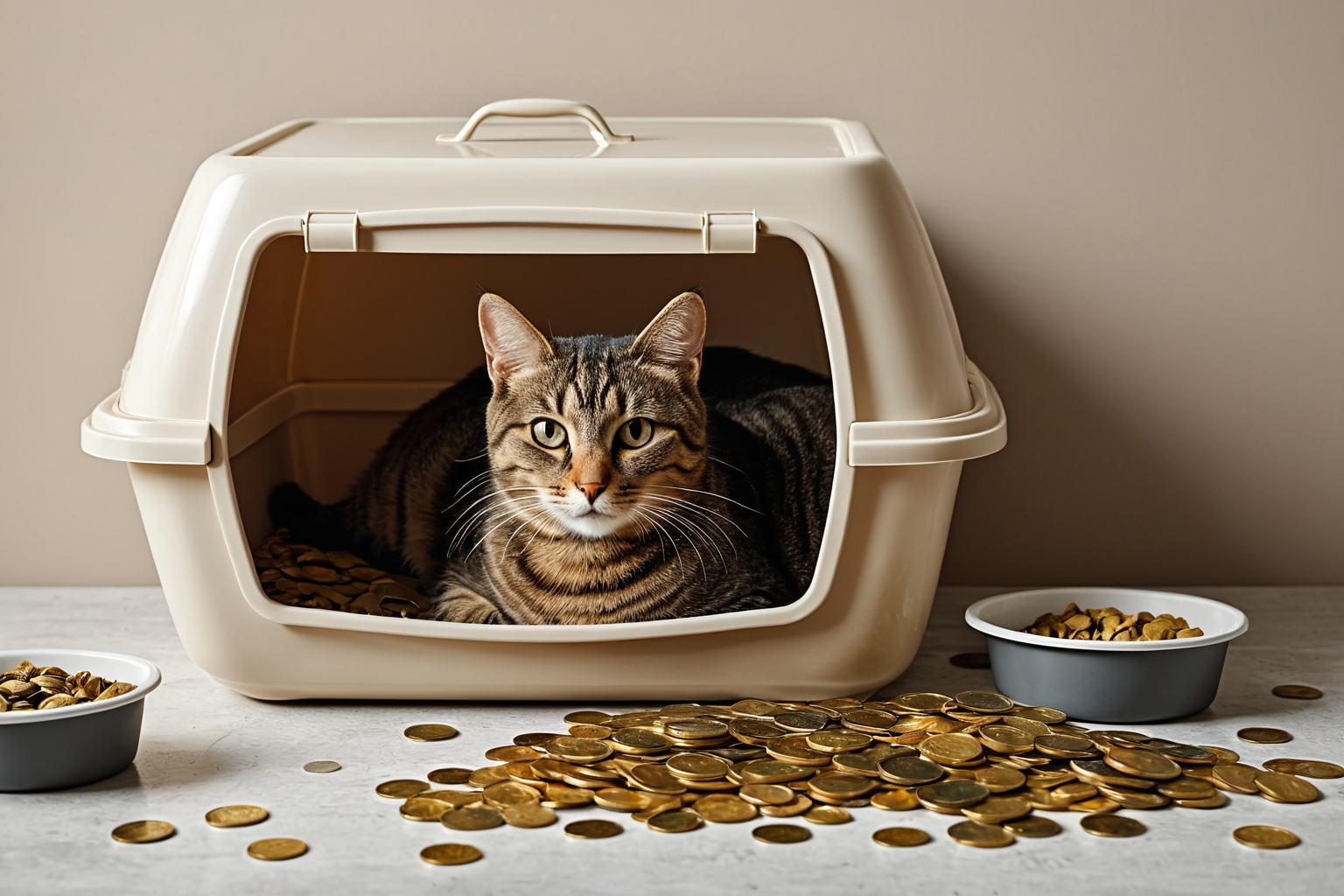
The cost of adopting a stray cat is often higher than the adoption fee itself when considering initial preparation costs. While some shelters charge no adoption fee or only a small amount, total expenses for vaccinations, spaying/neutering, food, and litter boxes can range from 200,000 to 600,000 KRW in the first month.
Therefore, comparing solely based on breeding costs can give a misleading impression. Breeding prices are usually clear upfront, but stray cat adoption focuses more on living preparation costs beyond the basic fee. When considering adoption, it's better to look at how well you can care for the cat after bringing them home rather than just the cost of bringing them in.
Why Stray Cat Adoption Costs May Feel Lower Than Breeding Prices
Many people think stray cat adoption is nearly free, but the key factor is preparation items. Shelters sometimes collect responsibility fees instead of adoption fees, and costs can vary based on health checkups and basic vaccinations.
In contrast, breeding prices vary significantly by breed and appearance. For example, rare breeds like the Munchkin can cost hundreds of thousands to millions of won. While stray cats may have low or no 'breeding price,' they still require ongoing medical and living expenses afterward.
A common oversight is initial supplies. Items like carriers, litter boxes, litter, scratch posts, food, water bowls, toys, and cat trees can add up quickly. It's important to calculate the full budget before adoption, not just the adoption fee.
You can find more articles on similar topics in one place.
View Related ArticlesEssential Costs Right After Adoption
After adopting a stray cat, expenses typically fall into four categories: adoption-related costs, health management, living supplies, and unexpected vet bills. Vet costs can vary significantly, so it's wise to budget for them.
Even if the cat appears healthy, preventive measures like parasite prevention, stress testing, and check-ups may be needed. While shelters often provide basic health checks, a cat's condition might change after coming home, making an early vet visit recommended.
- Adoption-related costs: Often 0-100,000 KRW
- Basic supplies: Around 100,000-250,000 KRW
- Initial vet bills: Possible 50,000-200,000+ KRW
- Emergency fund: Recommended to set aside separately for unexpected treatments
This breakdown makes the first month's budget more realistic. Instead of a large upfront cost, expenses occur in stages as needed, making management easier.
Key Differences When Comparing Adoption and Breeding Costs
When comparing adoption to breeding, focus on conditions rather than just price. Breeding costs are typically based on breed, lineage, appearance, and age, while stray cat adoption depends more on the individual's health status and shelter policies.
For example, breeding allows you to expect certain looks or personalities but often at a higher cost. Stray cats may offer unexpected charm, with costs mainly going toward care and adaptation support after adoption.
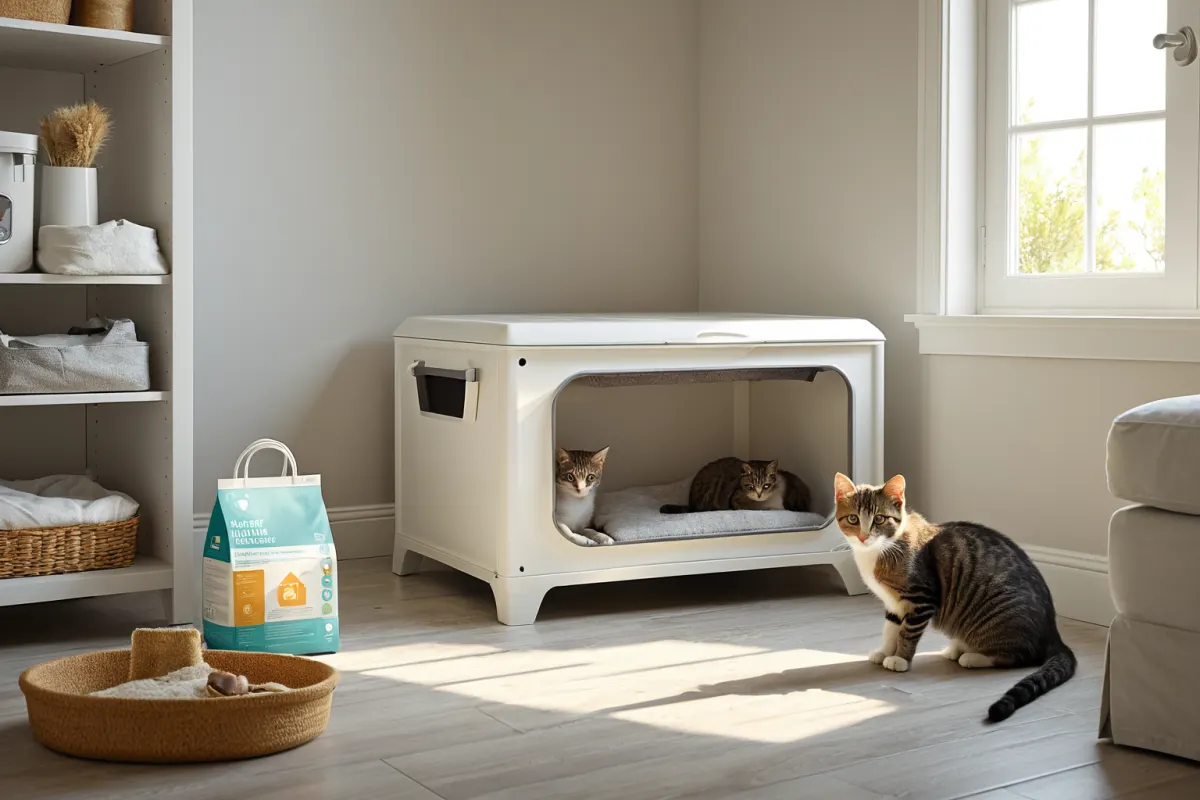
The key isn't which option is 'cheaper.' While breeding might seem more expensive at first glance, stray cats also require ongoing care. Ultimately, monthly expenses like food, litter, health checkups, and vaccinations make up the larger portion of long-term costs.
Sample Adoption Budget
A practical way for new adopters to plan is to visualize a budget sheet. The following breakdown offers a balanced starting point:
- Adoption fee: 0-100,000 KRW
- Basic supplies: Around 150,000 KRW
- Vet checkup: 50,000-100,000 KRW
- First month food/litter: 50,000-100,000 KRW
- Emergency fund: At least 100,000+ KRW
For example, a single working person might start with around 300,000 KRW in the first month. If you already have items like litter boxes or carriers at home, savings are possible. Actual costs vary based on existing home setup.
Many people assume adoption is cheap because there's no 'breeding price,' but they often feel overwhelmed by simultaneous vet visits and supply purchases. Therefore, for stray cat adoption, it's more important to plan initial settlement costs realistically than focus on whether the fee is free or paid.
Health-Related Costs to Check Before Adoption
Since stray cats' past environments are hard to verify, health checks are crucial. Key items to review include vaccination status, spaying/neutering, parasite control, eating habits, eye/nose discharge, and skin condition.
Even if the cat seems healthy, a first check-up is recommended. While it may feel like an extra cost, early detection of issues saves money and stress later. Many adopters discover minor illnesses like colds or digestive problems soon after adoption and treat them quickly.
Newly adopted cats may experience stress-related diarrhea or reduced appetite. In such cases, mixing the cat's previous food with new food gradually is better than making sudden changes. Small adjustments can significantly impact their condition.
Commonly Overlooked Costs in Stray Cat Adoption
The most frequently missed costs are related to noise and safety preparations. Items like window screens, cable management, hiding spots, and adjustment blankets may seem minor but add up quickly when purchased all at once.
Another factor is separation anxiety or adaptation periods. In the first few days, cats might not eat well or hide often, requiring extra treats or litter. Adoption isn't just a purchase—it's starting a new life, so unexpected small costs are normal.
Thus, stray cat adoption should be seen as 'planning detailed initial budgets' rather than 'low-cost adoption.' Even when comparing to breeding prices, satisfaction depends more on your level of preparation.
FAQ
Q1. Is stray cat adoption really free?
A. While some shelters have no adoption fee, most require initial supplies and vet costs, making it not truly free.
Q2. Is adopting a stray cat always cheaper than buying from breeders?
A. Adoption may be low-cost initially, but when including preparation and medical expenses, costs can be similar depending on the situation.
Q3. Can first-time owners adopt stray cats safely?
A. Yes, it's possible. However, proper health checks and setting up an adaptation space will make the process much smoother.
Adoption costs vary based on shelter policies, health status, and preparation supplies. In reality, post-adoption living expenses matter more than breeding prices, so budgeting generously before adoption is recommended. Current shelter adoption conditions may vary by region and time.
Continue exploring similar topics.
View Category ArticlesFAQ
Is stray cat adoption really free?
While some shelters have no adoption fee, most require initial supplies and vet costs, making it not truly free.
Is adopting a stray cat always cheaper than buying from breeders?
Adoption may be low-cost initially, but when including preparation and medical expenses, costs can be similar depending on the situation.
Can first-time owners adopt stray cats safely?
Yes, it's possible. However, proper health checks and setting up an adaptation space will make the process much smoother.
Korean Source
This article is an English localization of a Korean-language report from BlogScore. Original: 유기묘입양 비용은 얼마나 들까? 분양가와 비교