
How Much Does a Forklift Cost? Key Factors in Pricing and Comparison
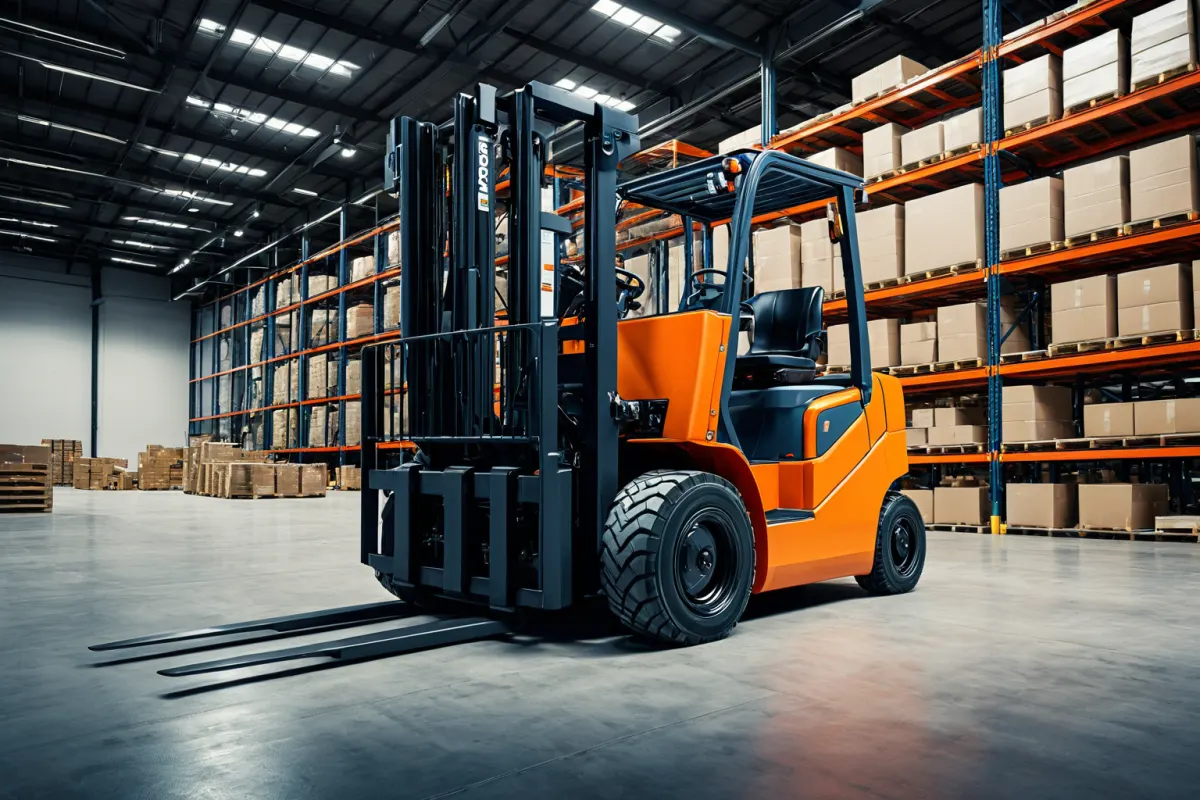
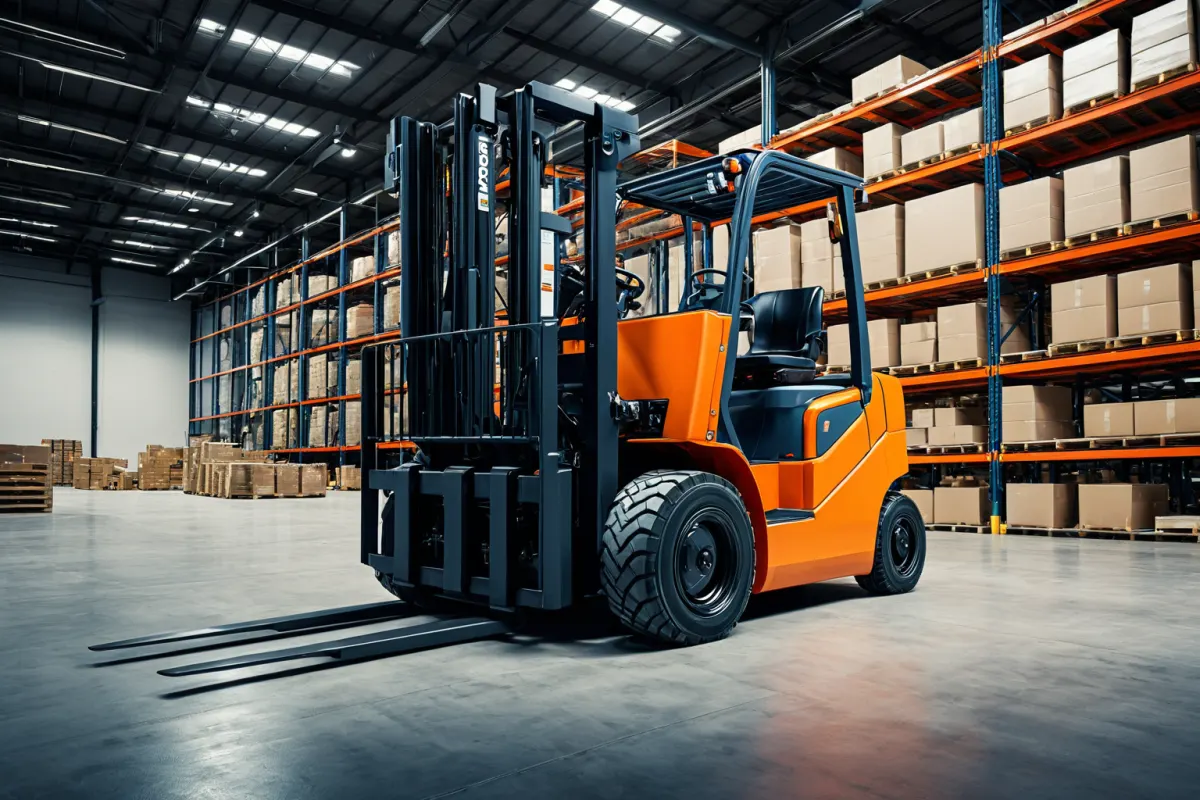
Forklift prices typically start in the tens of millions of won for new models, with higher specifications increasing the cost significantly. Even for the same 3-ton model, electric versus diesel options and mast height can create substantial price differences. Therefore, it's essential to first determine "what type of forklift is needed" before comparing actual quotes.
Key Factors Affecting Forklift Pricing
The primary factor influencing forklift pricing is tonnage. Small 1-ton models and 3-ton forklifts have different basic structures, resulting in significant price gaps even within the same brand.
Secondly, power source matters. Electric forklifts include battery and charging equipment costs, while diesel or LPG models reflect fuel type and emission standards in their pricing. Indoor operations often favor electric models, whereas outdoor or long-duration use typically suits fuel-powered options better.
The third factor is specifications. Options like mast height, fork length, side shift capabilities, cab availability, and tire types can increase the price. Even if two forklifts look similar externally, differences in specifications tailored to work environments lead to varying quotes.
You can find more articles on similar topics here.
View Related ArticlesNew vs. Used Forklift Price Differences
New forklifts offer the advantage of standard warranties and stable spare parts availability. In contrast, used forklifts are popular among budget-constrained businesses due to lower initial costs.
However, with used equipment, condition checks are more important than appearance. Factors like operating hours, battery replacement history, mast play, hydraulic leaks, and tire wear should all be considered. Even if a used forklift looks intact on the surface, repair costs could make it comparable to new models in total cost.
For example, when searching for a 3-ton electric forklift, new models may have higher upfront investment but offer better long-term value, while used options might be easier to adopt immediately but could require additional spending based on battery condition. That's why used forklifts shouldn't just be evaluated by price tags—they need a total cost analysis.
Why Electric Forklifts Cost More
Electric forklifts are preferred in indoor logistics warehouses and food processing sites because they're quieter and produce fewer emissions. However, the battery and charging system make their initial price higher.
Specifically, batteries affect both lifespan and replacement costs. Even if the main unit seems affordable, poor battery condition can increase operational costs significantly. Charging time and shift operations should also be considered.
For instance, a warehouse operating just one 8-hour shift per day might find electric forklifts efficient. Conversely, continuous long-duration use would require considering backup batteries or charging schedules, making cost comparisons more complex.
When Rental or Lease Makes Sense
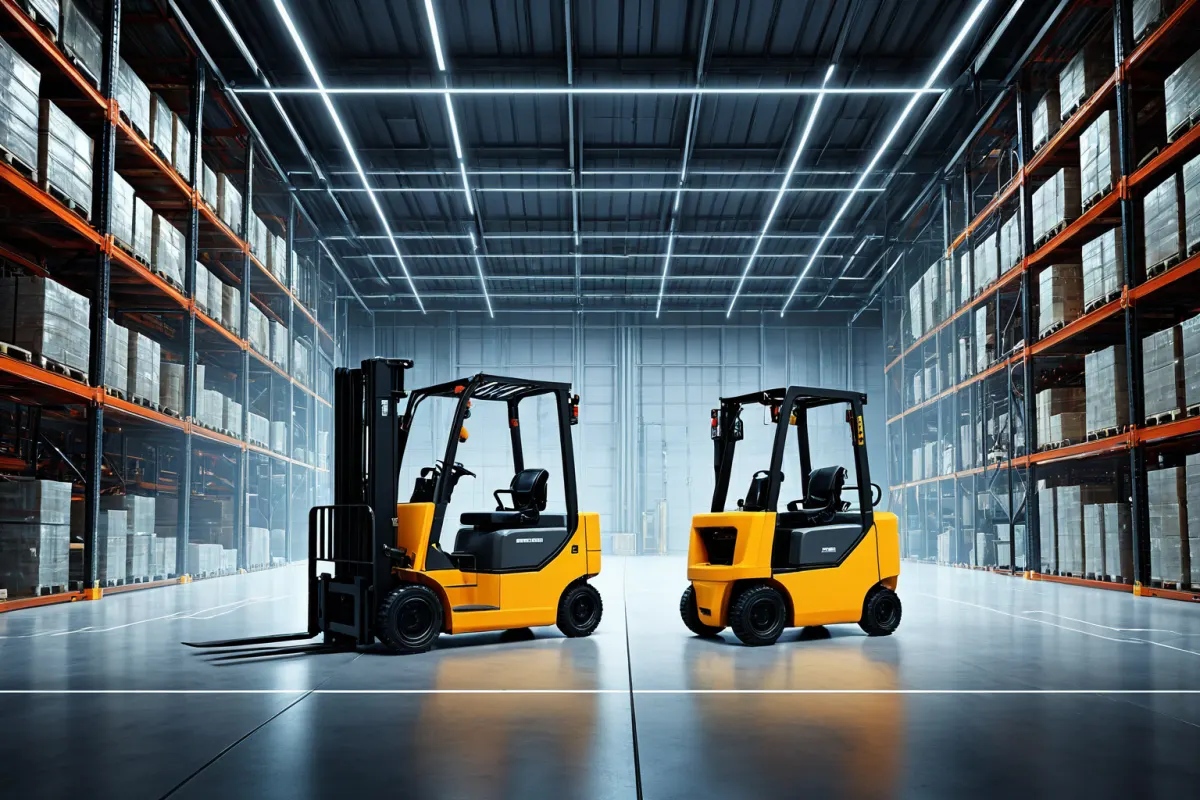
Many businesses choose to rent rather than buy a forklift. Short-term construction projects, seasonal logistics surges, and sudden equipment replacement needs often make monthly rentals more practical.
Rental reduces initial financial burden and sometimes includes maintenance terms, making management easier. However, if you plan long-term use, purchasing might be more cost-effective after considering cumulative costs.
For example, a 3-month logistics expansion project would suit rental, while a site requiring daily use for over two years may benefit from buying a new or well-maintained used model. Thus, comparing only price can lead to poor decisions—usage duration and maintenance scope must also be considered.
Key Points to Consider When Checking 3-Ton Forklift Prices
The 3-ton category is the most commonly compared in real-world scenarios. With diverse models available for this capacity, even within the same tonnage, practical usage differences can be significant.
First, confirm whether a 3-ton model is truly necessary. Choosing based solely on maximum load capacity may reduce work efficiency. Fork length, cargo dimensions, and turning radius should also be evaluated.
Secondly, consider your workspace surface. A smooth indoor floor might make a small electric forklift sufficient, but outdoor or sloped areas require attention to tire type and drive system. Ultimately, the right configuration for your site determines pricing decisions more than just tonnage alone.
Why Comparing Forklift Specifications Matters
Forklift specifications aren't just numbers—they directly affect usability. Checking dimensions like body width, minimum turning radius, mast height, lift height, and weight helps avoid purchasing equipment that's difficult to use despite being capable of lifting the required load.
For example, using a standard forklift in narrow warehouse aisles may work but waste time during turns. Similarly, insufficient mast height for high shelf operations would require replacing the equipment later.
When requesting quotes, don't just ask "how much is it?" Instead, confirm whether the model includes necessary specifications for your site. This single step can prevent unnecessary upgrade costs.
Information to Prepare Before Requesting a Quote
Gathering work environment details before asking about prices speeds up the process significantly. At minimum, prepare tonnage requirements, indoor/outdoor usage, work height, and daily operating hours.
If possible, include cargo weight and largest item dimensions. Photos of your site, aisle width, and floor conditions help recommend more accurate models. Clearer conditions mean you can avoid unnecessary options while staying within budget.
For instance, providing details like "indoor warehouse use, 6 hours daily, 1.5-ton load capacity, shelf height 4 meters" makes quote comparisons much smoother. Conversely, vague requests like "recommend something suitable" lead to longer consultations with lower accuracy.
Common Costs Often Overlooked in Forklift Quotes
Some costs aren't visible in initial quotes. These include transportation fees, registration expenses, battery replacement possibilities, routine maintenance costs, and consumable parts replacement. For used forklifts, it's especially important to confirm what pre-delivery maintenance is included.
Rental or lease may seem affordable based on monthly rates but could accumulate significant total cost over time. Therefore, tracking both short-term and long-term expenses is crucial.
In many real-world scenarios, the cost of getting equipment operational is more noticeable than just the base price. Missing this point can quickly lead to budget issues.
FAQ
Q1. What's the typical price range for forklifts?
New models vary significantly by tonnage and power source, with small models through 3-ton categories covering a wide price spectrum. Exact pricing requires matching your specific usage environment and options.
Q2. Are used forklifts always cheaper?
Initial purchase cost may be lower, but poor battery or hydraulic conditions can lead to higher repair costs. Well-maintained used models offer good value, but buying without proper inspection could increase overall expenses.
Q3. Is rental or purchase more cost-effective?
Rental is practical for short-term needs or fluctuating demand, while purchasing may be better for long-term consistent use. Consider both usage duration and whether maintenance is included in your decision-making process.
Ultimately, forklift pricing varies by model and conditions, so it's important to consult with recent sellers and rental companies for accurate information before making a purchase or lease decision.
Continue exploring similar topics.
View Category ArticlesFAQ
What's the typical price range for forklifts?
New models vary significantly by tonnage and power source, with small models through 3-ton categories covering a wide price spectrum. Exact pricing requires matching your specific usage environment and options.
Are used forklifts always cheaper?
Initial purchase cost may be lower, but poor battery or hydraulic conditions can lead to higher repair costs. Well-maintained used models offer good value, but buying without proper inspection could increase overall expenses.
Is rental or purchase more cost-effective?
Rental is practical for short-term needs or fluctuating demand, while purchasing may be better for long-term consistent use. Consider both usage duration and whether maintenance is included in your decision-making process.
Korean Source
This article is an English localization of a Korean-language report from BlogScore. Original: 지게차 가격 얼마? 지게차가격 기준과 결정요인