
How Much Do Fighter Pilots Earn? Real Income Revealed
Actual Salary Figures for Fighter Pilots
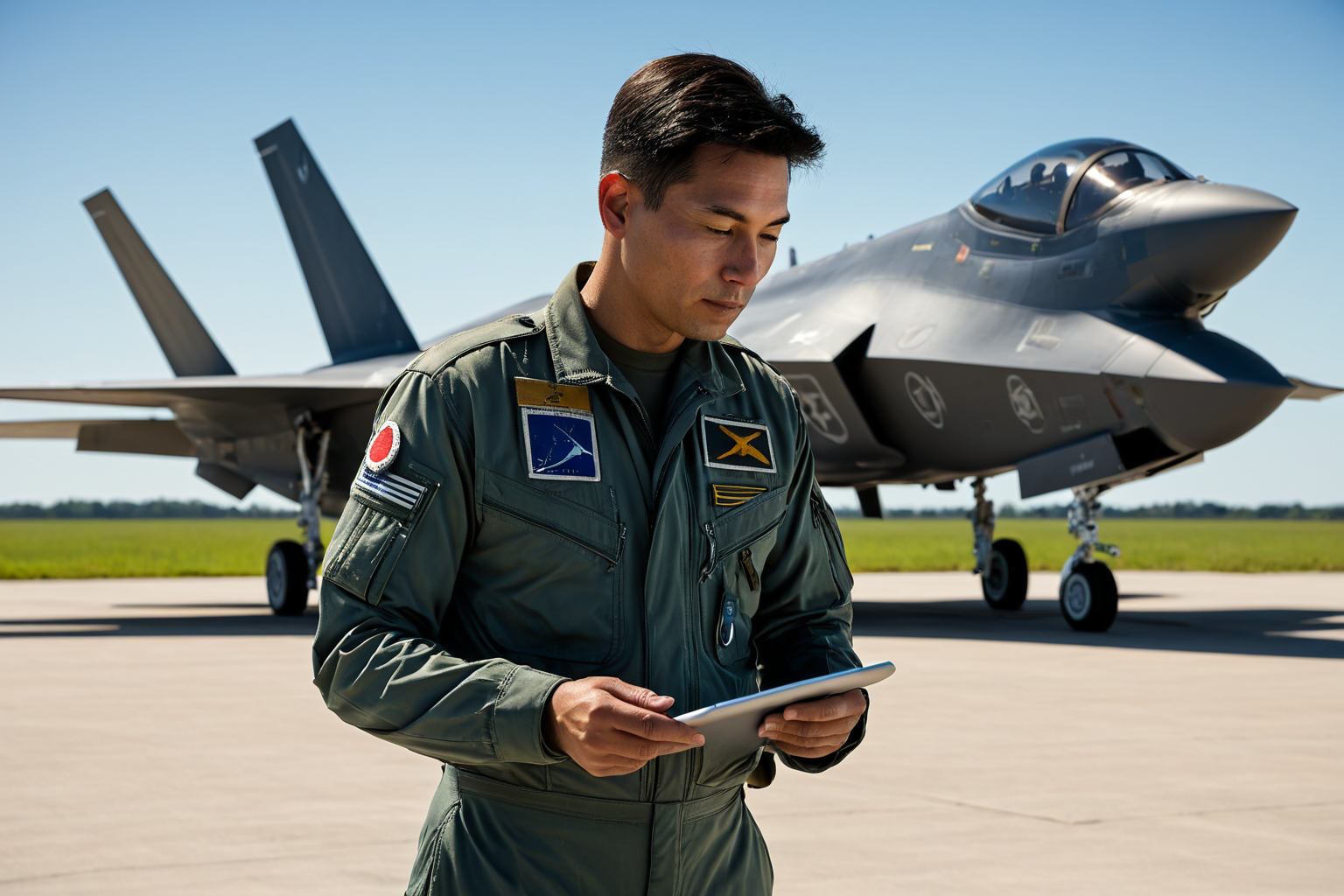
South Korea's Air Force fighter pilots earn a monthly base salary of approximately 7.16-7.18 million won at the rank of second lieutenant or staff sergeant, plus additional allowances ranging from 109 to 131 million won annually. However, these figures have been frozen for eight years, making them relatively low compared to civilian airlines. Fighter pilots face higher flight hours and more intense training than their civilian counterparts, yet their supplementary pay has not kept pace with this increased demand. While a January 2024 adjustment raised the base salary slightly and expanded overtime allowances, these changes were implemented generally across all military personnel rather than addressing fighter pilots' specific needs. The total annual compensation (base pay plus allowances) for Air Force pilots remains under 100 million won, significantly lower than civilian airline pilots who earn an average of over 200 million won annually.
Cost to Train Pilots and Current Talent Drain
It costs approximately 10.9 billion won per pilot to train South Korea's Air Force fighter pilots, yet many are leaving for civilian airlines. This issue was first highlighted in a 2011 parliamentary hearing with the headline 'Pilots Trained at 10.9 Billion Won Cost Being Taken by Civilian Airlines.' The talent drain has intensified since 2023, particularly among fighter pilots, putting the Air Force under manpower strain. Given that pilot training takes about five to seven years and costs around 10.9 billion won per person, the exodus represents not just an economic loss but a strategic one. China is also offering higher salaries to attract South Korean pilots, exposing vulnerabilities in Korea's Air Force as it competes with Western nations.
Comparing Recruitment Strategies: Western Nations vs. China
The U.S. Air Force offers new fighter pilots a signing bonus of $22,500 (approximately 30 million won), while China recruits experienced Western pilots for high salaries to train on aircraft carriers. In contrast, South Korea's Air Force has kept pilot allowances frozen for eight years, accelerating the talent drain. The U.S. signing bonus is paid after five years of service and serves as an incentive for long-term retention. China focuses on recruiting specialized pilots for advanced aircraft like the F-35 with high salaries. Meanwhile, South Korea has only raised its allowances from 109 million to 131 million won annually—a modest increase compared to Western nations.
Actual Income Structure for Fighter Pilots
Air Force fighter pilots' compensation consists of base pay and allowances. While a January 2024 adjustment raised the monthly base salary (7.16-7.18 million won) for second lieutenants and staff sergeants, it failed to address the specific needs of fighter pilots. A October 2024 report highlighted the need to increase allowances from 109 million to 131 million won annually. Fighter pilots fly an average of over 200 hours annually compared to civilian pilots' 500-600 hours, indicating greater workload and risk—yet their compensation does not reflect this difference. Additionally, the mental strain from high-risk flying is not adequately compensated.
Analysis of Primary Causes for Talent Drain
The main reason fighter pilots are leaving is insufficient salary increases. A 2026 report noted that even with a proposed 300 million won annual salary, many pilots were still defecting to civilian airlines. Compared to the U.S. Air Force's $22,500 signing bonus (approximately 30 million won), South Korea's response appears inadequate. Civilian airlines offer higher salaries and more stable working conditions based on fighter pilot experience, luring them away. With Western nations and China offering high salaries, the talent drain has intensified beyond just a financial issue—it reflects lower job satisfaction and long-term career planning concerns among pilots.
Current Response Strategies to Address Talent Drain
Given that it costs 10.9 billion won per pilot to train them, there have been calls for increased allowances. However, the Air Force has only raised its allowances from 109 million to 131 million won annually after eight years of freezing. With Western nations and China offering high salaries, the Air Force's response is lagging behind. To address this, South Korea needs to introduce additional allowances tailored specifically for fighter pilots and develop practical policies based on comparative salary data with civilian airlines. While plans exist to increase base pay for junior officers in border units by up to 30% by 2027, these measures do not directly address the fighter pilot issue. Therefore, immediate strategic action is needed to prevent further talent loss.
Comparison with Civilian Airlines
Air Force pilots' allowances (109-131 million won annually) are relatively low compared to civilian airline pilots. Civilian airlines offer higher salaries based on fighter pilot experience, making them attractive employers. The average annual salary for civilian airline pilots is around 200 million won—more than double the Air Force's total compensation of under 100 million won. Additionally, civilian airlines provide supplementary allowances considering flight hours and workload, widening the gap between military and civilian pay.
Future Outlook and Response Strategies
The Air Force plans to increase base pay for junior officers in border units by up to 30% by 2027, but this does not directly address fighter pilots. Given that current responses are insufficient to meet the specific needs of fighter pilots, additional allowance increases coupled with policies preventing talent drain from civilian airlines are essential. Fighter pilots require higher compensation due to their longer flight hours and more intensive training. Considering the 10.9 billion won cost per pilot, South Korea must develop long-term retention strategies that accurately reflect market data on civilian airline salaries and incorporate fighter pilot-specific needs into compensation structures.
Important Information to Verify
The exact salary figures for fighter pilots have not been officially published by the Air Force. However, a January 2024 adjustment increased base pay (7.16-7.18 million won) and there have been reports on the need to increase allowances. Further verification is needed regarding comparison data with civilian airlines. Readers should consult the Air Force website or Ministry of Defense announcements for updated information, while details about civilian airline pilot salaries can be found in industry reports.
Frequently Asked Questions
What are the main reasons fighter pilots leave?
Inadequate salary and allowance increases, with many moving to civilian airlines or Western nations offering higher compensation.
How long have Air Force pilot allowances been frozen?
For eight years, with a recent increase from 109 million to 131 million won annually needed.
How does the U.S. Air Force recruit pilots?
The U.S. offers a signing bonus of $22,500 (approximately 30 million won) after five years of service, while Western nations and China also offer high salaries to attract pilots.
FAQ
What are the main reasons fighter pilots leave?
Inadequate salary and allowance increases, with many moving to civilian airlines or Western nations offering higher compensation.
How long have Air Force pilot allowances been frozen?
For eight years, with a recent increase from 109 million to 131 million won annually needed.
How does the U.S. Air Force recruit pilots?
The U.S. offers a signing bonus of $22,500 (approximately 30 million won) after five years of service, while Western nations and China also offer high salaries to attract pilots.
Korean Source
This article is an English localization of a Korean-language report from BlogScore. Original: 전투기 조종사 연봉은 얼마나? 실제 수입 공개