
How K-Food Expansion is Transforming South Korea's Food Export Landscape
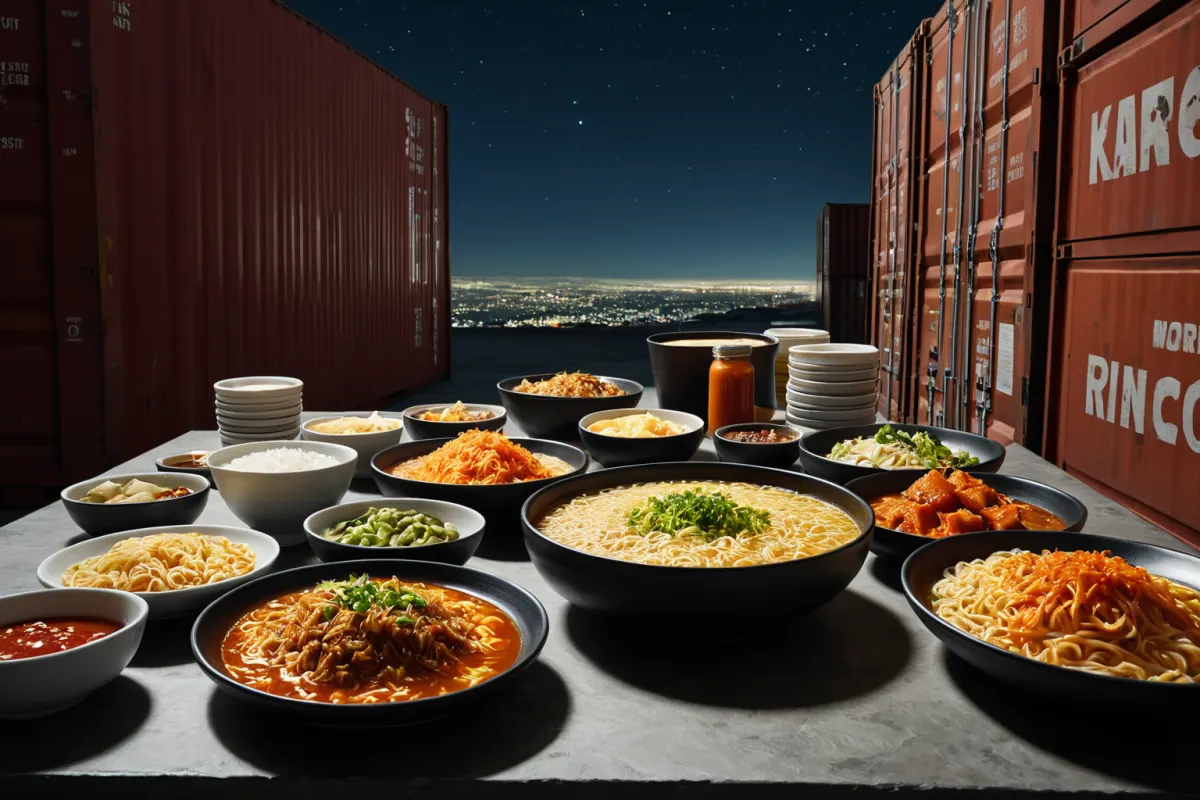
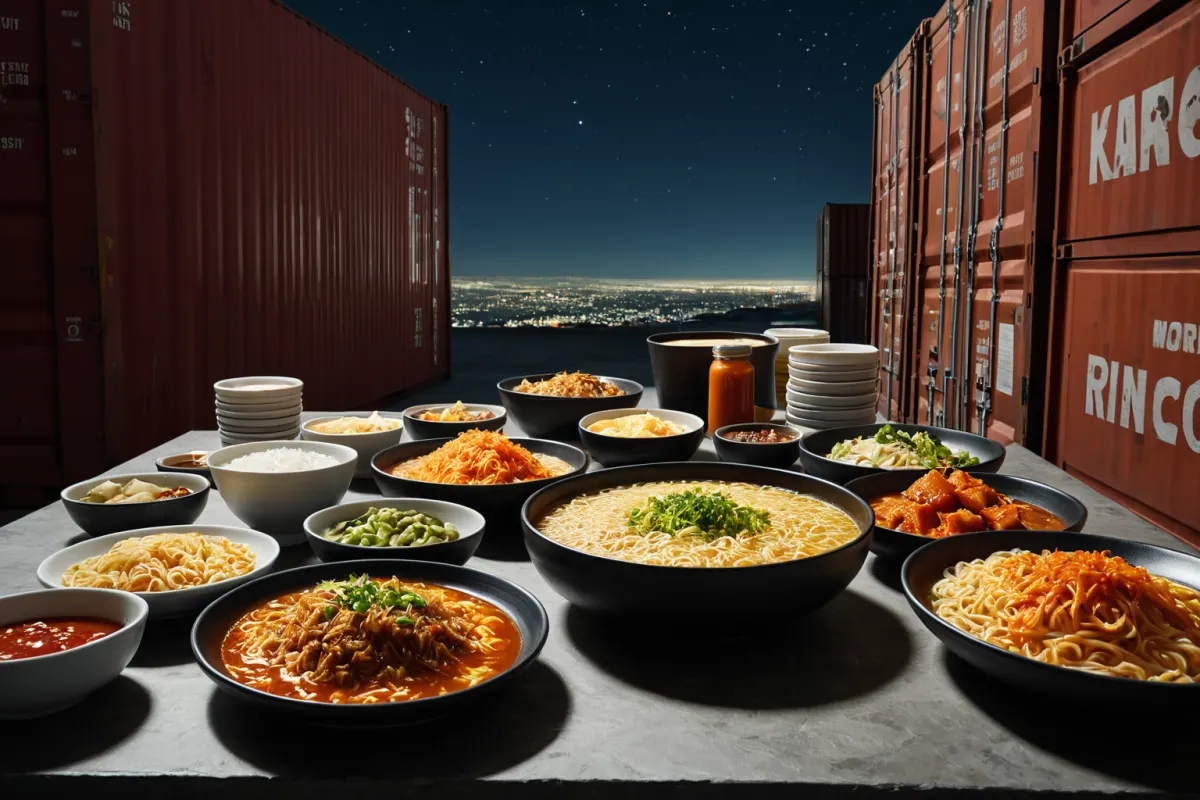
The atmosphere of South Korea's food exports has clearly changed due to the spread of K-food. Unlike before when certain items would briefly become popular overseas, we now see a range of products—ramen, sauces, convenience foods, kimchi, and snacks—all gaining attention together. As a result, export companies are no longer just focusing on 'taste' but also designing products that suit local palates and developing distribution strategies.
Perceptible Changes in Exports Driven by K-Food
The most noticeable change at the front lines is an increase in inquiries. Previously, interest was mainly driven by Korean dramas or content leading to niche markets among overseas Koreans; now it's natural for local consumers and buyers to actively seek out Korean food products.
Especially with Korean cuisine frequently appearing on social media and short-form videos, how to eat the product is often shared before the product itself. For example, adding cheese to ramen or using spicy chicken sauce in new ways has spread widely, boosting brand recognition along with it.
You can find similar articles all at once here.
View Related ArticlesWhy Diversification of Export Products is Standing Out
The biggest change from the K-food spread is the broadening range of products. Previously, exports focused on a few staples like kimchi, ramen, and beverages; now they include frozen foods, tteokbokki, sauces, powder soups, and HMR (Home Meal Replacement) products.
This diversification matters because it reduces reliance on any single product. For instance, once ramen gains recognition, sauces and dumplings can follow, leading to side dishes or convenience foods. A popular item can lower the entry barrier for other related products.
From a consumer perspective, Korean spicy flavors or sweet-savory seasonings may be unfamiliar but intriguing. Many consumers start with snacks before moving on to meal replacement items later.
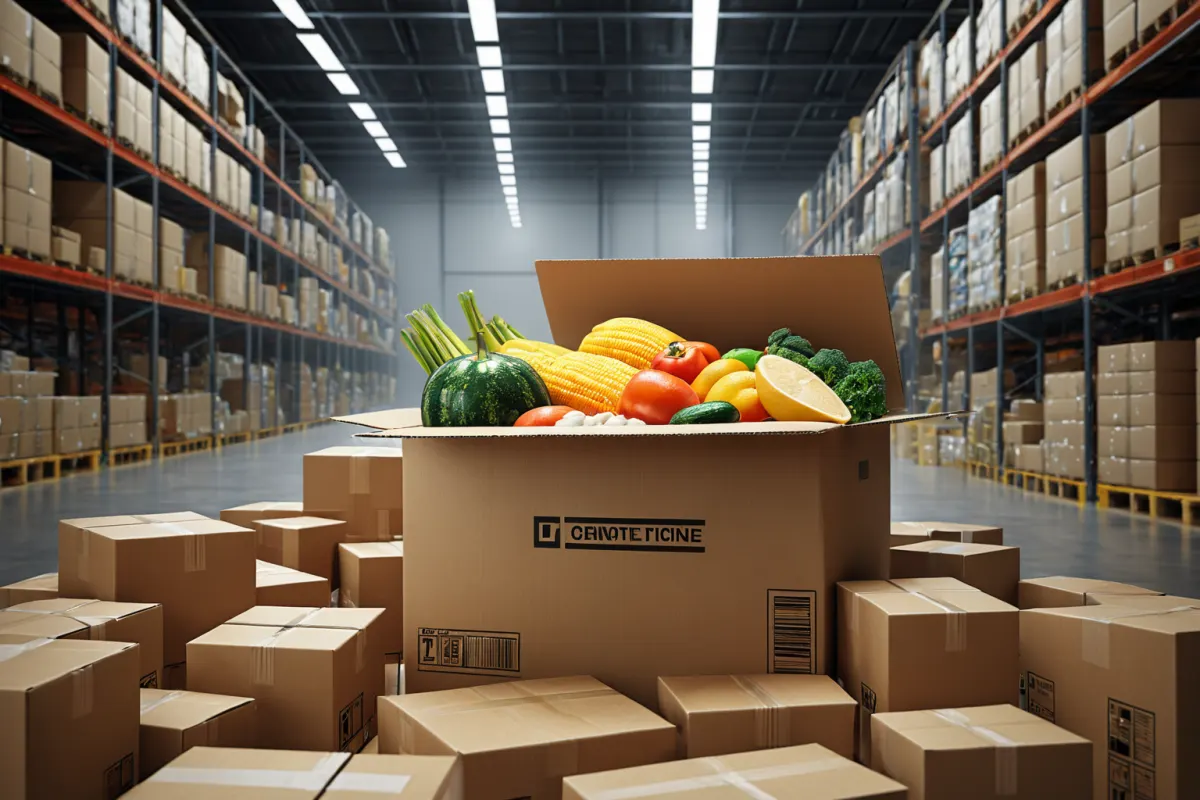
Why Localization Determines Export Success
Just because K-food is selling well doesn't mean all products will succeed without adaptation. Preferences for sweetness, spiciness, and saltiness vary by country, and food culture differences are significant. Therefore, localization isn't just a choice—it's nearly essential.
For example, in markets not used to spicy flavors, launching milder versions of popular items like Buldak (spicy chicken) may yield better responses than the original strong version. Conversely, in regions that enjoy heat, limited editions or collaboration products with stronger spice can be successful.
Packaging size also matters. Single-serve or small portions for single-person households are more appealing than large packages. Products with short cooking instructions and easy refrigeration/frozen storage options are preferred due to convenience of storage and repeat purchase potential in overseas markets.
Characteristics of Korean Foods Resonating With Global Consumers
There are a few common traits among Korean foods that perform well globally. First, low preparation difficulty: products requiring only water or microwave cooking have lower entry barriers.
Second, distinct flavor profiles: Korean food often has memorable points rather than bland tastes, which drives social media sharing and repeat purchases.
Third, enjoyable eating experience: the way Koreans eat—mixing ingredients, rolling it up, or combining different elements—is easy to turn into content. Many overseas consumers buy products not just for taste but for the 'experience' they offer.
Practical Points Domestic Companies Should Focus On
While the K-food trend is positive, exports aren't successful based on brand awareness alone. Companies must carefully align with local regulations regarding ingredient labeling, allergen information, standards, certifications, and customs requirements to make actual sales happen.
For example, dairy-containing products may face different quarantine conditions by country, and some markets require halal or vegan certification. Failure to confirm these details upfront can delay market entry regardless of popularity.
Pricing strategy is equally important. What seems reasonable domestically might feel expensive overseas due to added shipping costs and tariffs. Therefore, understanding local price points and comparing with competitors is essential.
Seeing the Impact Through Real Examples
The easiest example to understand is the ramen market. Once limited to a few popular items, it now includes various flavors like spicy, seafood, cream, and stir-fried noodles. This has built overall trust in Korean ramen.
Sauces are similar: previously, consumers had to make their own seasonings at home, but now they can use Korean-style bases like gochujang sauces or bulgogi marinades, making it easy for foreigners to try Korean cuisine. These products particularly resonate with cooking beginners.
For instance, instead of just saying 'spicy Korean sauce,' suggesting how it's versatile—'a sauce that works with chicken, fried rice, and noodles'—helps buyers understand the product faster and boosts sales.
Future Export Trends to Watch
In the future, bundled consumption (rather than single items) will likely become more important. Instead of just ramen, consumers may pair it with toppings, sauces, side dishes, convenience foods, and beverages together.
Another trend is premiumization. While products often start with a low-cost, fun image, over time quality ingredients, health concepts, and messages like low-sugar or low-sodium become more important as global consumers increasingly consider nutrition alongside taste.
In conclusion, the K-food expansion isn't just about the popularity of Hallyu (Korean wave); it's about how product quality and localized strategies work together for long-term success.
Frequently Asked Questions
Q1. Does K-food expansion really help food exports?
Yes, increased brand awareness broadens buyer engagement and makes it easier to build consumer trust. However, export success also depends on product competitiveness and localization strategies.
Q2. What Korean foods sell best overseas?
Ramen, sauces, kimchi, frozen convenience foods, and snacks are popular due to easy preparation and consumption. Recently, health-focused products have gained interest as well.
Q3. Can small food companies leverage the K-food trend?
Yes. Smaller companies can focus on specific countries or flavors for testing. A practical approach is to start with products that resonate locally and gradually expand from there.
Market responses vary by region, so it's best to double-check current country-specific certifications and customs requirements before starting exports.
Continue exploring similar topics here.
View Category ArticlesFAQ
Does K-food expansion really help food exports?
Yes, increased brand awareness broadens buyer engagement and makes it easier to build consumer trust. However, export success also depends on product competitiveness and localization strategies.
What Korean foods sell best overseas?
Ramen, sauces, kimchi, frozen convenience foods, and snacks are popular due to easy preparation and consumption. Recently, health-focused products have gained interest as well.
Can small food companies leverage the K-food trend?
Yes. Smaller companies can focus on specific countries or flavors for testing. A practical approach is to start with products that resonate locally and gradually expand from there.
Korean Source
This article is an English localization of a Korean-language report from BlogScore. Original: K푸드 확산으로 달라진 한국 식품 수출 분위기