
How Does Arrhythmia Affect Blood Pressure? Key Points for Cardiology Visits
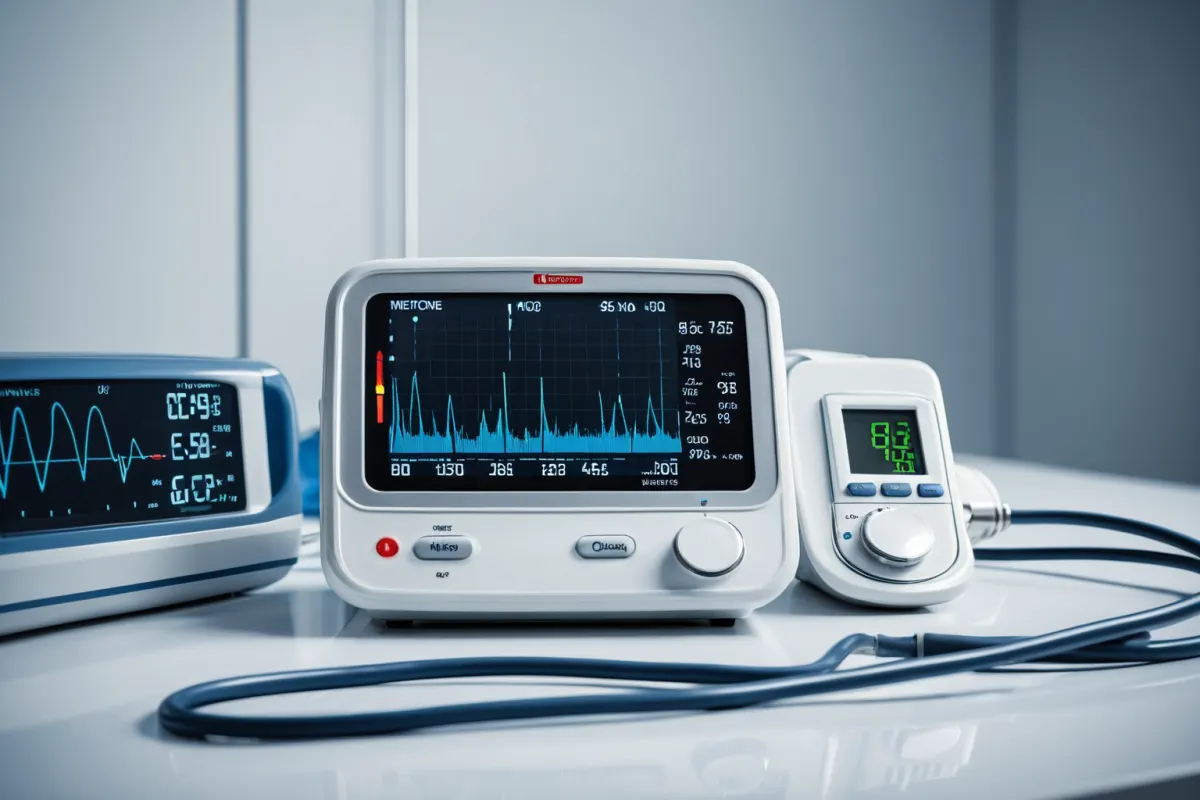
If you have an arrhythmia, don't rely on a single blood pressure reading—it can be misleading. Irregular pulses often cause automatic blood pressure monitors to fluctuate, potentially showing higher or lower readings than your actual blood pressure. That's why cardiologists recommend repeated measurements while also monitoring pulse rhythm.
Especially if you experience palpitations, dizziness, or shortness of breath alongside blood pressure changes, simply checking numbers isn't enough. Arrhythmias can cause blood pressure fluctuations, and conversely, high blood pressure, dehydration, or electrolyte imbalances can worsen arrhythmias—so identifying the root cause is essential.
Why Blood Pressure Fluctuates with Arrhythmia
Blood pressure is most accurately measured when the heart beats rhythmically. With an arrhythmia, the force of each heartbeat varies, causing readings to differ significantly depending on when you measure them.
For example, in atrial fibrillation (an irregular heartbeat), your first reading might show 148/92, but a few minutes later it could drop to 132/84. These variations aren't just due to machine error—they reflect actual changes in the intervals between heartbeats.
Therefore, if you suspect an arrhythmia, don't focus solely on blood pressure readings—track pulse rate, rhythm regularity, and accompanying symptoms as well.
You can find similar articles in one place for easy reading.
View Related ArticlesWhat Cardiologists Check During Visits
Cardiologists or cardiovascular specialists record both blood pressure and pulse during visits. They don't rely solely on in-clinic readings—they often review home measurements, 24-hour ambulatory blood pressure data, ECG results, and sometimes echocardiograms.
The reason is simple: with an arrhythmia, blood pressure might appear normal at first glance, but it could actually fluctuate widely. Conversely, someone with chronic high blood pressure might show lower readings at certain times.
For example, if you feel palpitations in the morning, your blood pressure may read higher then, while fatigue later in the day might cause lower readings. This pattern shows why consistent tracking matters more than single measurements.
Why Home Blood Pressure Monitoring Matters
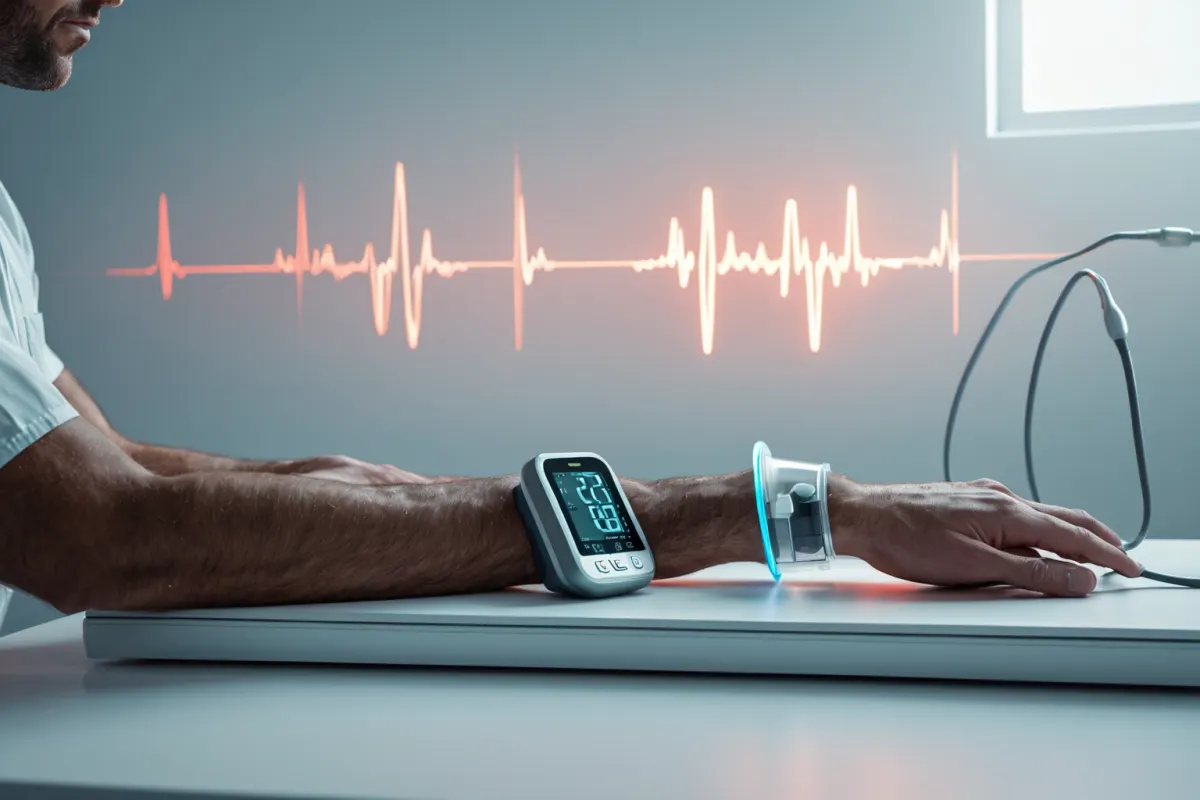
Even with an arrhythmia, you can get meaningful results from home monitoring by following a few simple steps. Rest for 5 minutes before measuring, avoid talking during the process, and skip measurements right after coffee or smoking.
If possible, take readings at least twice in the same time period, spaced about 1-2 minutes apart, and calculate an average. Don't just focus on the highest value if numbers vary—also note your pulse rate for easier discussion with your doctor.
For example, if morning readings are 136/88, 129/82, and 133/85, don't assume one high reading means a problem. Instead, consider the average along with any symptoms you're experiencing. Conversely, even if readings like 110/70 seem low, dizziness could indicate dehydration or medication adjustments are needed.
Before Focusing on Blood Pressure Management
If you have an arrhythmia, it's safer to first determine why your blood pressure is high rather than immediately seeking ways to lower it. Lack of sleep, stress, excessive alcohol, caffeine, cold medicines, and dehydration can all affect both blood pressure and pulse rhythm.
While many people think about exercise or diet for managing high blood pressure, during periods when arrhythmias frequently occur, monitoring your condition is more important than pushing through with intense workouts. Especially if you experience chest pain, fainting, or shortness of breath, don't wait—see a doctor immediately.
If you're already on medication, the combination of blood pressure and arrhythmia medications also matters. Some drugs can excessively slow your pulse or fail to regulate it properly, so never adjust doses without consulting your healthcare provider.
Questions to Ask Your Cardiologist
Instead of vaguely saying 'my blood pressure is high,' provide specific details about symptoms and circumstances for a more accurate diagnosis. The most helpful information includes when palpitations started, how long they lasted, and what your blood pressure was at that time.
Consider writing down these points before your visit:
- Start time and duration of palpitations
- Blood pressure and pulse readings during episodes
- Presence of dizziness, shortness of breath, or chest pain
- Current medications and caffeine intake
- Recent lack of sleep, alcohol consumption, or cold medicine use
For example: 'At 11 PM last night, my heart raced with blood pressure at 158/94 and pulse at 122 after drinking a caffeinated beverage.' This makes it easier for your doctor to identify the cause.
Common Patterns Observed in Real Cases
A common scenario is patients assuming their high blood pressure was worsening based solely on numbers, only to discover later that irregular heartbeats caused unstable readings. Conversely, some people appear to have normal blood pressure but are actually hiding atrial fibrillation until it's detected.
Some believe they experience arrhythmias only when their blood pressure is high, but stress and poor sleep often affect both conditions simultaneously. Focusing on just one potential cause can lead to missed diagnoses.
While some may first consider chest or vascular surgery for symptoms like palpitations, a cardiologist evaluation usually comes first if the main issue involves heart rhythm changes and blood pressure fluctuations. However, sudden severe chest pain with sweating or shortness of breath requires immediate emergency care.
Common Mistakes When Reviewing Test Results
With arrhythmias, it's not just about absolute blood pressure numbers but also how much they fluctuate. Cardiologists look at repeated measurements over time, symptom timing, and medication effects—not just one result.
For example, if readings are normal during the day but spike at night or early morning, sleep apnea or stress might be contributing factors. Conversely, consistently low readings with fatigue may indicate excessive blood pressure reduction or dehydration that needs attention.
In short, it's not 'I can't measure blood pressure because I have an arrhythmia'—it's 'because I have an arrhythmia, I need to measure and interpret more carefully.'
FAQ
Q1. Will an automatic blood pressure monitor be inaccurate with an arrhythmia?
A. It's not completely unusable, but readings may vary more than usual. Taking multiple measurements under the same conditions and averaging them is recommended.
Q2. Should I manage both arrhythmia and high blood pressure together?
A. Yes, they're often managed simultaneously. High blood pressure can worsen arrhythmias, and arrhythmias can make blood pressure readings unreliable.
Q3. When should I seek immediate medical attention for cardiac symptoms?
A. Seek prompt care if you experience fainting, chest pain, shortness of breath, or consistently very fast or slow pulse rates that recur frequently.
If symptoms persist or blood pressure fluctuations increase recently, it's important to understand how arrhythmia affects your readings. Always consult with a healthcare provider for personalized advice based on the latest guidelines and medication adjustments.
Continue exploring similar topics for more insights.
Browse Category ArticlesFAQ
Will an automatic blood pressure monitor be inaccurate with an arrhythmia?
It's not completely unusable, but readings may vary more than usual. Taking multiple measurements under the same conditions and averaging them is recommended.
Should I manage both arrhythmia and high blood pressure together?
Yes, they're often managed simultaneously. High blood pressure can worsen arrhythmias, and arrhythmias can make blood pressure readings unreliable.
When should I seek immediate medical attention for cardiac symptoms?
Seek prompt care if you experience fainting, chest pain, shortness of breath, or consistently very fast or slow pulse rates that recur frequently.
Korean Source
This article is an English localization of a Korean-language report from BlogScore. Original: 부정맥이 있으면 혈압은 어떻게 보나? 심장내과 진료 포인트