
How a South Korean Celebrity's Family History Controversy Was Resolved
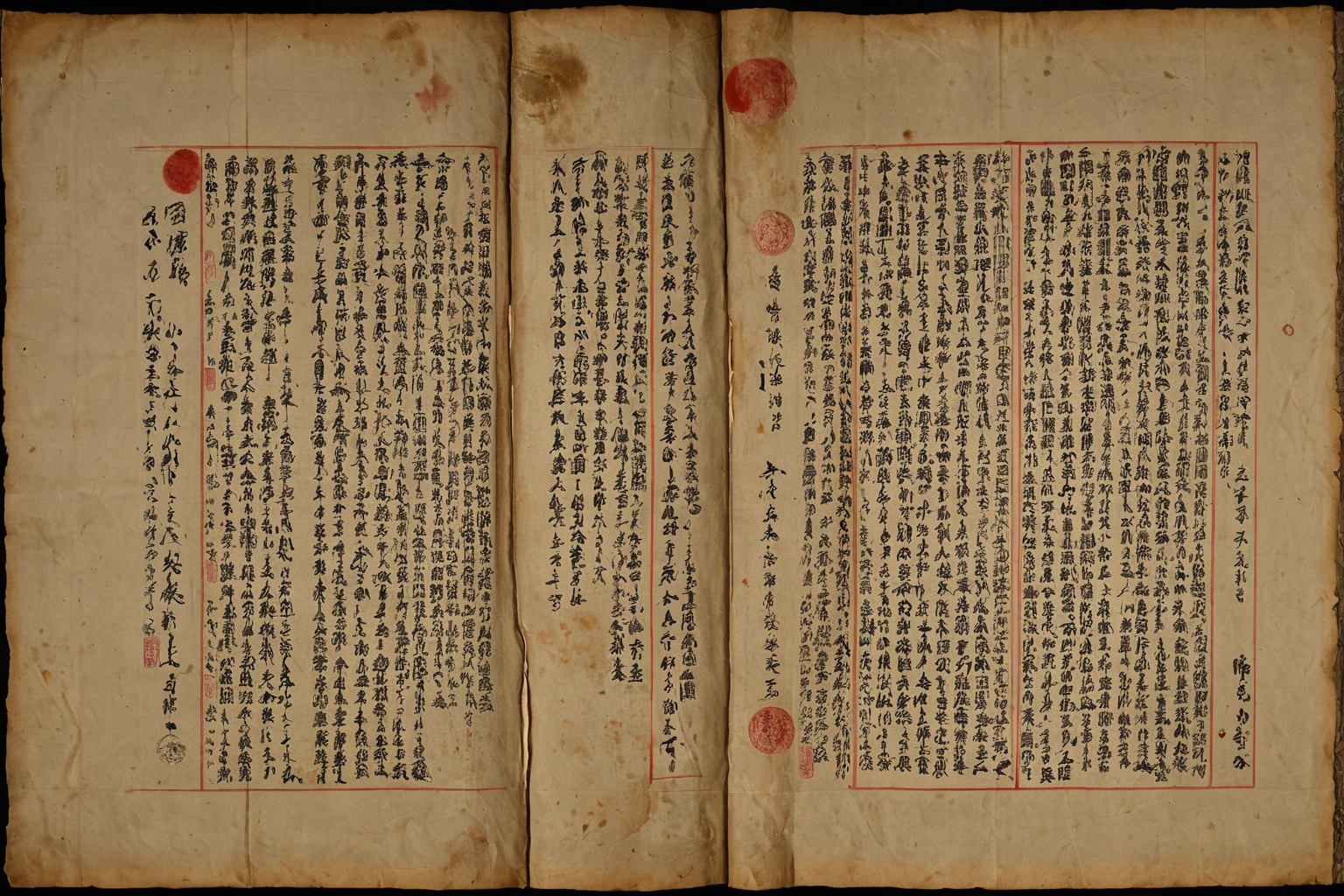
The Core Resolution Process of the Daejeong Chinmokhoe Controversy
Actor Ha Young's great-grandfather, An Sangho, was confirmed as a member of the Daejeong Chinmokhoe council, leading to accusations that he was a collaborator with Japan. Initially claiming 'no basis for the claims,' his management company and Ha Young later issued an official apology after verifying the membership list, acknowledging the need for careful verification.

Verification of Daejeong Chinmokhoe Council Membership and Apology Process
After confirming the Daejeong Chinmokhoe membership list on August 11, 2026, Ha Young's team reversed its initial stance from 'no basis' to an admission that careful verification was needed. On August 12, 2026, Ha Young personally apologized, acknowledging that 'careful verification was necessary regarding the pro-Japanese controversy involving his great-grandfather.'
The management company issued a formal statement after verifying the list, focusing on accurately understanding historical facts. This marked the first step in resolving the controversy, as they admitted the need for careful verification following the membership confirmation, contrary to their initial denial.
Daejeong Chinmokhoe was an organization that engaged in pro-Japanese activities during the Japanese colonial period, with council members playing a key role in promoting pro-Japanese policies at the local level. The group was active in the 1940s and remains controversial among historians today. Verification of An Sangho's membership was confirmed through official documents and records.
After the apology, Ha Young's team emphasized that 'specific evidence-based fact-checking is necessary rather than making quick judgments about pro-Japanese activities,' aligning with historian Shim Yong-hwan's perspective.
Official Statements from Historians and the National Issues Research Institute
Historian Shim Yong-hwan warned against labeling individuals as 'pro-Japanese collaborators,' stating that determining such a label is 'a dangerous approach' and that restoring historical property ownership paths is a more complex issue. His statement emphasized the need for evidence-based historical fact-checking rather than making quick judgments about pro-Japanese activities.
Professor Shim Yong-hwan stated in an article published on August 11, 2026, that 'labeling someone as a collaborator is not academically sound' and emphasized that restoring the property movement paths related to Daejeong Chinmokhoe activities is a more critical task. He warned that holding descendants accountable for confirmed pro-Japanese actions could distort historical facts.
The National Issues Research Institute also confirmed An Sangho's membership in Daejeong Chinmokhoe and issued an official statement urging caution in labeling him a 'pro-Japanese collaborator.' This was an important step to prevent the controversy from escalating, emphasizing a careful approach to historical facts.
On August 15, 2026, the National Issues Research Institute stated in its formal statement that 'labeling An Sangho as a pro-Japanese collaborator should be done cautiously, and fact-checking based on specific evidence should take priority.' This played an important role in balancing academic debate and public opinion.
Parliamentary Response and Social Reactions
MP Park Eun-jeong requested a government investigation into whether An Sangho's pro-Japanese properties should be subject to national restitution, but the controversy subsided somewhat after the National Issues Research Institute issued its statement. Parliament proceeded with discussions on restoring property ownership paths related to pro-Japanese activities, suggesting that specific investigations into pro-Japanese property ownership are necessary.
On August 22, 2026, MP Park Eun-jeong argued in parliament that 'An Sangho's pro-Japanese properties should be investigated as potential candidates for national restitution,' but the controversy subsided following the National Issues Research Institute's statement. This helped balance historical facts with legal procedures.
Anyang City had initially promoted Ha Young's great-grandfather as a independence movement figure, which further escalated the controversy. Later, Anyang City admitted its error and made corrections through careful responses. On August 13, 2026, Anyang City announced on its official website that 'the description of Ha Young's great-grandfather as an independence movement figure was incorrect, and corrected information has been posted.'
Japanese media also covered the controversy, emphasizing that 'pro-Japanese verification and descendants' responsibility are separate issues.' Major Japanese newspaper Asahi Shimbun reported on August 14, 2026, that 'Korean society should prioritize historical fact-checking over quick judgments about pro-Japanese activities.'
Daejeong Chinmokhoe and Pro-Japanese Property Ownership Issues
An Sangho, Ha Young's great-grandfather, became controversial for owning '2,700 pyeong of land' as a pro-Japanese property. This is believed to be linked to his activities with Daejeong Chinmokhoe, suggesting the need for investigation into historical property ownership paths.
Many members of Daejeong Chinmokhoe council expanded their properties by supporting Japanese colonial policies during the occupation period. An Sangho's '2,700 pyeong of land' was a significant amount in the 1940s, and it is estimated to be related to his activities with Daejeong Chinmokhoe.
Ha Young's statement about being from a 'four-generation medical family' contributed to the controversy's escalation. While this was simply an explanation of her family background, it became linked to pro-Japanese activities. Ha Young's team later clarified that 'the reference to a medical family was merely a brief description of family history and unrelated to any pro-Japanese activities.'
Risks of Labeling as Pro-Japanese Collaborators
Historian Shim Yong-hwan argued that labeling someone as a 'pro-Japanese collaborator' is not academically correct. He emphasized the importance of evidence-based fact-checking over making quick judgments about pro-Japanese activities.
In his August 11, 2026 article, Professor Shim Yong-hwan stated that 'labeling someone as a collaborator can distort historical facts' and advised collecting and verifying specific documentation related to Daejeong Chinmokhoe activities. This serves as a warning against holding descendants accountable for confirmed pro-Japanese actions.
The National Issues Research Institute's position was similar, focusing on accurately understanding historical facts. The view that 'pro-Japanese verification and descendants' responsibility are separate issues' was emphasized.
Controversy Escalation and Social Reactions
The controversy began with Ha Young's initial denial but evolved into an apology after membership list confirmation. Following the official statements from historians and the National Issues Research Institute, the controversy subsided.
Even Japanese media covered the issue, emphasizing that 'pro-Japanese verification and descendants' responsibility are separate issues.' Asahi Shimbun reported on August 14, 2026, that 'Korean society should prioritize historical fact-checking over quick judgments about pro-Japanese activities.'
Social concerns were raised about how the personal controversy might affect Ha Young's work. However, following the statements from historians and the National Issues Research Institute, these concerns eased somewhat. The public showed more interest in accurately understanding historical facts than holding descendants accountable for confirmed pro-Japanese actions.
Key Points for Resolving the Daejeong Chinmokhoe Controversy
The verification of the Daejeong Chinmokhoe council membership list was central to resolving the issue. Ha Young's team initially claimed 'no basis' but later admitted the need for careful verification after confirming the membership list.
Official statements from historians and the National Issues Research Institute played a key role in resolving the controversy. They urged evidence-based historical fact-checking over quick judgments about pro-Japanese activities.
Anyang City's incorrect promotion of Ha Young's great-grandfather and Japanese media coverage initially escalated the controversy, but subsequent corrections and careful responses helped resolve the issue. Anyang City posted corrected information on its official website on August 13, 2026, while Japanese media published articles emphasizing the importance of historical fact-checking.
FAQ for Easy Understanding
What is Daejeong Chinmokhoe?
Daejeong Chinmokhoe was a pro-Japanese organization during the Japanese colonial period, known for its controversial historical role. An Sangho, Ha Young's great-grandfather, was confirmed as a council member.
How did Ha Young's team initially react?
Initially claiming 'no basis' for the claims, they later issued an official apology after verifying the membership list and acknowledged the need for careful verification.
Why did historians warn against labeling someone as a pro-Japanese collaborator?
They argued that such labels are not academically sound and emphasized the importance of evidence-based fact-checking over quick judgments about historical activities.
You can view similar articles on this topic in one place.
View Related ArticlesFAQ
What is Daejeong Chinmokhoe?
Daejeong Chinmokhoe was a pro-Japanese organization during the Japanese colonial period, known for its controversial historical role. An Sangho, Ha Young's great-grandfather, was confirmed as a council member.
How did Ha Young's team initially react?
Initially claiming 'no basis' for the claims, they later issued an official apology after verifying the membership list and acknowledged the need for careful verification.
Why did historians warn against labeling someone as a pro-Japanese collaborator?
They argued that such labels are not academically sound and emphasized the importance of evidence-based fact-checking over quick judgments about historical activities.
Korean Source
This article is an English localization of a Korean-language report from BlogScore. Original: 대정친목회 논란, 이렇게 해결했어요