
How a 10% Global Oil Price Surge Impacts Domestic Inflation
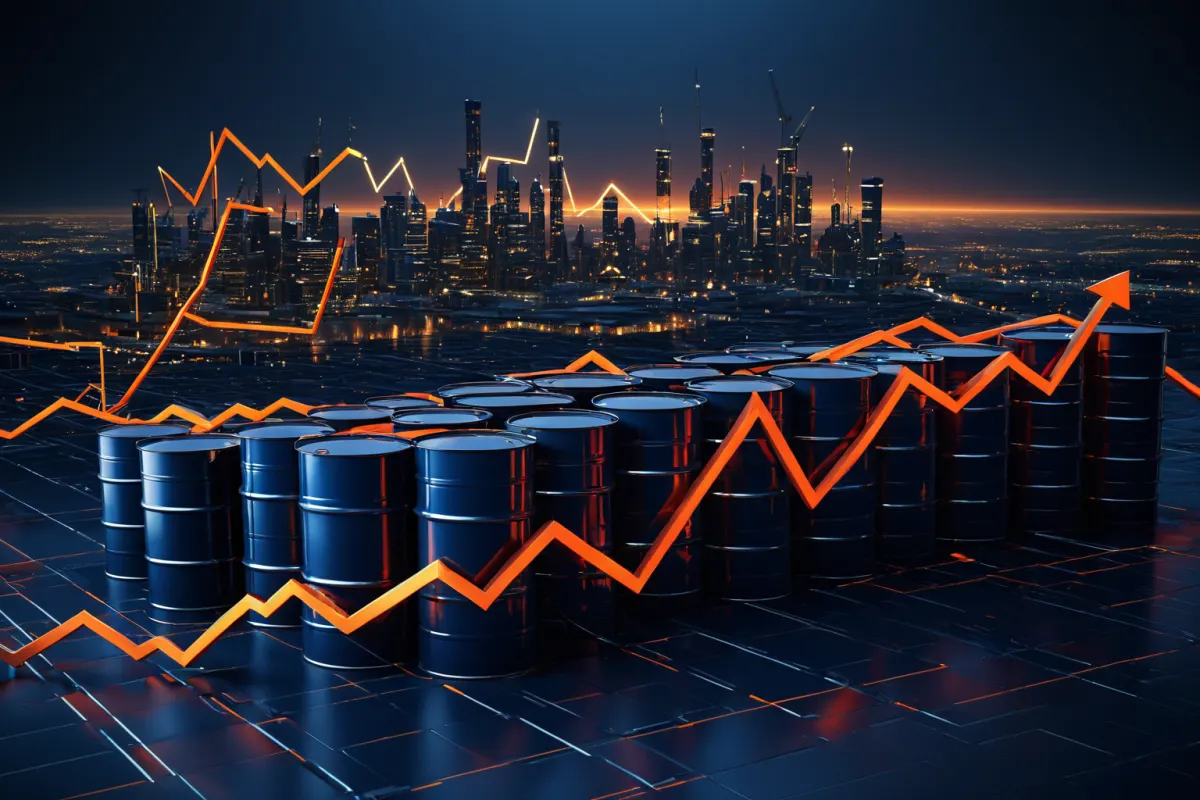
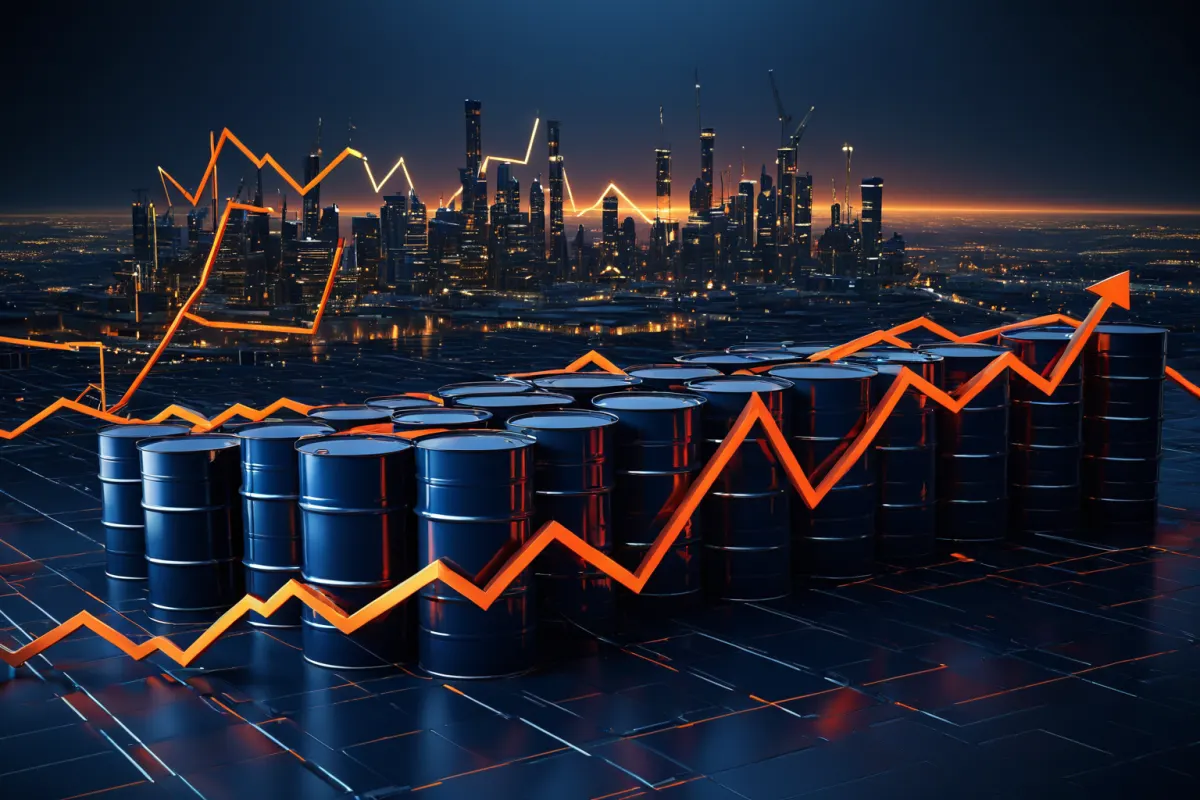
A 10% spike in global oil prices could immediately raise domestic prices. It's not just fuel costs that rise—transportation and raw material expenses also increase, causing a ripple effect across groceries, household goods, and dining out.
However, not all items will rise at the same pace. Sectors directly tied to oil prices, like refining and logistics, react first, while consumer perception of price increases typically takes weeks or months to manifest.
The Direct Link Between Global Oil Prices and Domestic Inflation
Global oil prices serve as a benchmark for countries that import energy. For nations like South Korea with high energy import dependency, rising crude oil costs directly increase expenses for refiners, airlines, shipping companies, and logistics providers.
These costs eventually get passed on to consumers. For example, goods arriving at supermarkets are transported by trucks, and factories rely on electricity and fuel. Thus, a rise in oil prices affects more than just gas stations—it influences overall living costs.
You can find similar articles on this topic all in one place.
View Related ArticlesHow Rising Oil Prices Affect Domestic Inflation
A 10% global oil price surge typically impacts prices in three stages. First, direct consumer costs like gasoline and diesel. Second, transportation and production costs. Third, the resulting consumer price index reflecting these changes.
For instance, higher delivery fees increase pressure on online shopping platforms, while rising refrigerated logistics costs push food prices up. Industries using petroleum-based raw materials—such as plastics, chemicals, and packaging—are particularly sensitive to oil price fluctuations.
Why Consumers Perceive Price Increases So Quickly
People first notice changes in fuel costs and delivery fees, which are visible and immediate. In contrast, official inflation metrics aggregate many items, so the impact may lag slightly.
Beyond that, expectations of rising prices can accelerate the trend. If consumers anticipate further price hikes, businesses might raise prices before actual cost increases, amplifying short-term inflationary pressure.
Industries Most Affected by Oil Price Surges
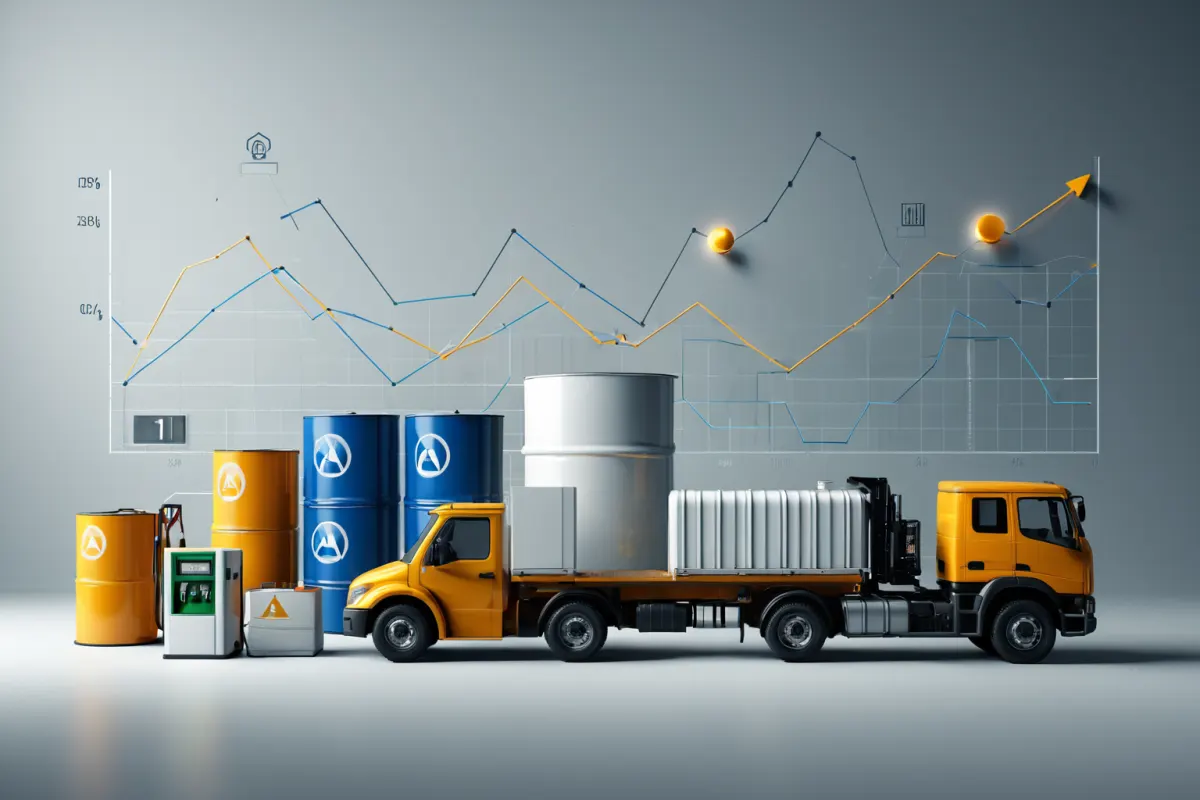
Industries particularly sensitive to oil price changes include transportation, aviation, shipping, delivery services, dining out, food, and chemicals. These sectors either consume significant energy or rely heavily on petroleum-based materials.
For example, airlines are highly responsive to oil fluctuations due to fuel's large share of operating costs. Restaurants face higher ingredient transport costs and cooking energy expenses, while the food industry deals with increased packaging and refrigerated logistics costs.
Signs to Watch in Daily Life
After an oil price increase, changes often appear first at gas stations, delivery fees, airline fuel surcharges, and specific food prices. Since not all items rise simultaneously, these signals can help predict broader inflation trends.
For instance, commuters in areas with heavy car usage may notice gasoline price changes more quickly, while cities with high delivery demand might see rising dining-out and delivery costs. Conversely, service industries with low energy use may feel the impact later.
Practical Steps for Individuals
Households can reduce immediate impacts by reviewing fixed costs first. If you rely heavily on driving, consider optimizing fuel discount programs. Reducing delivery and dining frequency can also help lower spending pressure. Small adjustments like these can make a noticeable difference during oil price hikes.
Shopping habits matter too. Instead of buying refrigerated foods or shipping-dependent items in bulk, mixing bundle purchases with nearby shopping may ease cost pressures. These small lifestyle changes often provide the quickest relief from perceived inflationary burdens.
Policy and Market Responses
If global oil prices remain high long-term, governments might consider measures like adjusting fuel taxes, implementing price stability policies, or diversifying import sources. However, policy effects usually take time to materialize, as market prices are influenced by international crude oil, exchange rates, and refining margins.
Notably, a rising won-dollar exchange rate can amplify the impact of oil price increases. Even if crude oil is priced in dollars, higher costs in Korean won terms increase import expenses. Therefore, monitoring both oil prices and exchange rates provides a clearer picture of domestic inflation trends.
Why a 10% Oil Price Surge Doesn't Always Lead to Long-Term Inflation
A 10% oil price jump doesn't automatically mean long-term inflation. If demand slows or oil-producing nations stabilize supply, prices may fall again. Companies can also absorb some of the shock through inventory adjustments and cost-cutting measures.
Thus, it's important to distinguish between short-term spikes and sustained trends. While a sudden one- or two-day increase may mainly affect consumer psychology, prolonged rises over months tend to have deeper impacts on living costs and corporate performance.
FAQ
Q1. Do prices rise immediately when global oil prices go up?
A1. Not all items rise at once. Directly related categories like fuel and transportation react first, while consumer prices often follow with a delay.
Q2. Will a 10% global oil price surge significantly increase living costs?
A2. It depends on individual spending habits. Those who drive frequently or spend more on deliveries and dining out will feel the impact more strongly, while those relying mainly on public transport may experience less change.
Q3. What else should be monitored alongside oil prices to gauge inflation?
A3. Exchange rates, transportation costs, agricultural product prices, and refining margins are also important indicators. When these factors align, they can intensify domestic price pressures.
Global oil trends and their impact on domestic inflation will continue to evolve with market conditions. Checking the latest oil prices, exchange rates, and inflation metrics regularly is recommended for accurate insights.
Continue exploring similar topics.
Browse Category ArticlesFAQ
Do prices rise immediately when global oil prices go up?
Not all items rise at once. Directly related categories like fuel and transportation react first, while consumer prices often follow with a delay.
Will a 10% global oil price surge significantly increase living costs?
It depends on individual spending habits. Those who drive frequently or spend more on deliveries and dining out will feel the impact more strongly, while those relying mainly on public transport may experience less change.
What else should be monitored alongside oil prices to gauge inflation?
Exchange rates, transportation costs, agricultural product prices, and refining margins are also important indicators. When these factors align, they can intensify domestic price pressures.
Korean Source
This article is an English localization of a Korean-language report from BlogScore. Original: 국제유가 10% 폭등이 국내 물가에 미치는 영향