
How International Law Addresses the Houthis' Attack on a Saudi Military Supply Ship
The Red Sea Attack on a Saudi Military Supply Ship
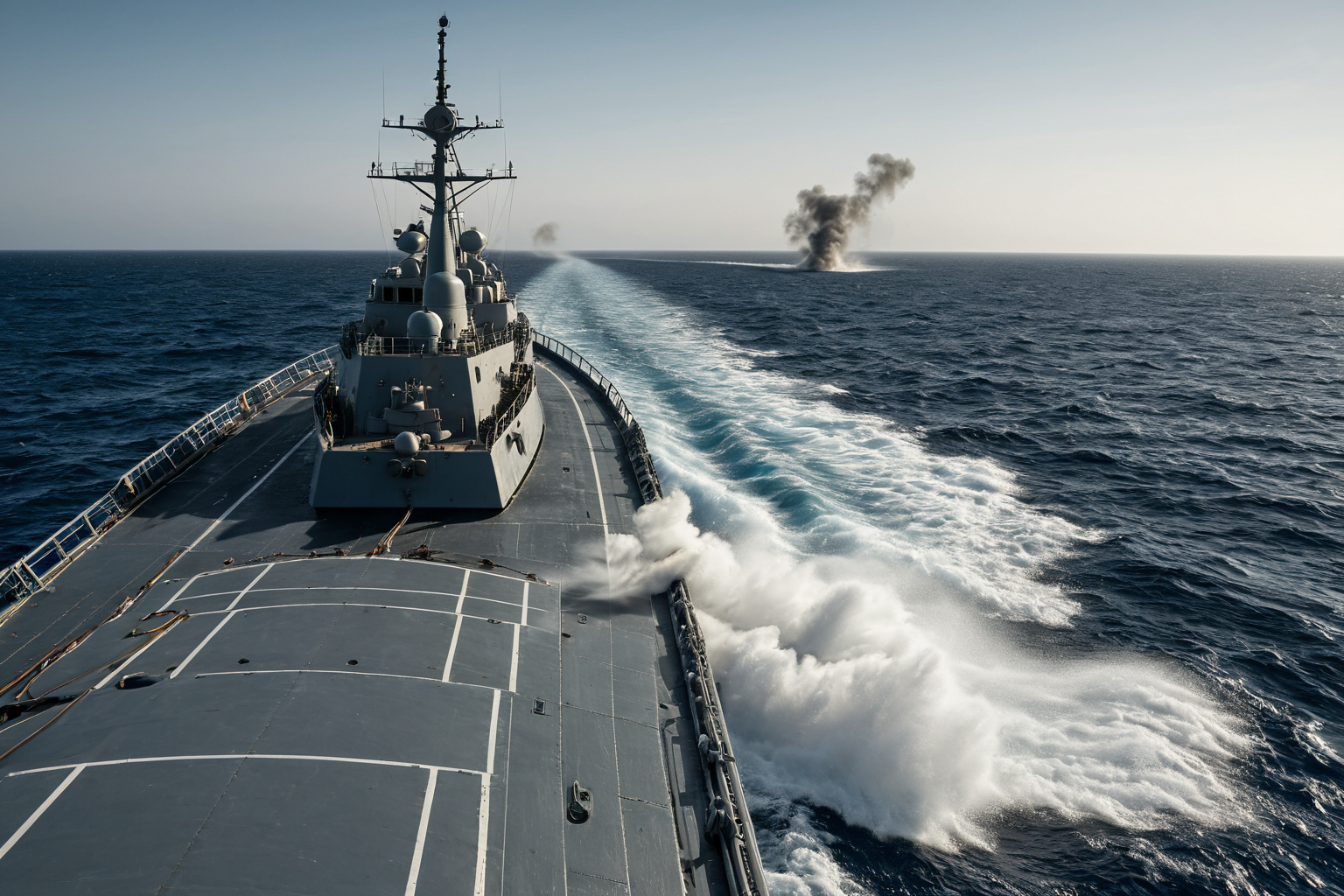
Houthi rebels are believed to have attacked a Saudi military supply ship near the entrance of the Red Sea on August 12, 2026. The attack reportedly resulted in six fatalities, with multiple media outlets confirming this fact. While the Houthis claimed responsibility through their own media, specific details regarding the scale of damage and the method of attack remain unconfirmed.
Houthi Attacks in the Red Sea and International Response
The Red Sea is a critical global trade route, and Houthi attacks have disrupted or delayed maritime transport. The incident involving the Saudi military supply ship exemplifies how Yemen's civil war and rising tensions in the Red Sea are impacting global trade, raising significant concerns.
The UN Security Council has proposed resolutions urging the Houthis to cease their provocations in the Red Sea, reflecting international concern over this issue. Similar to the situation in Gaza where civilian casualties dominate, there are growing worries that Houthi attacks could exacerbate humanitarian crises.
Houthi Blockade and China's Tanker Passage
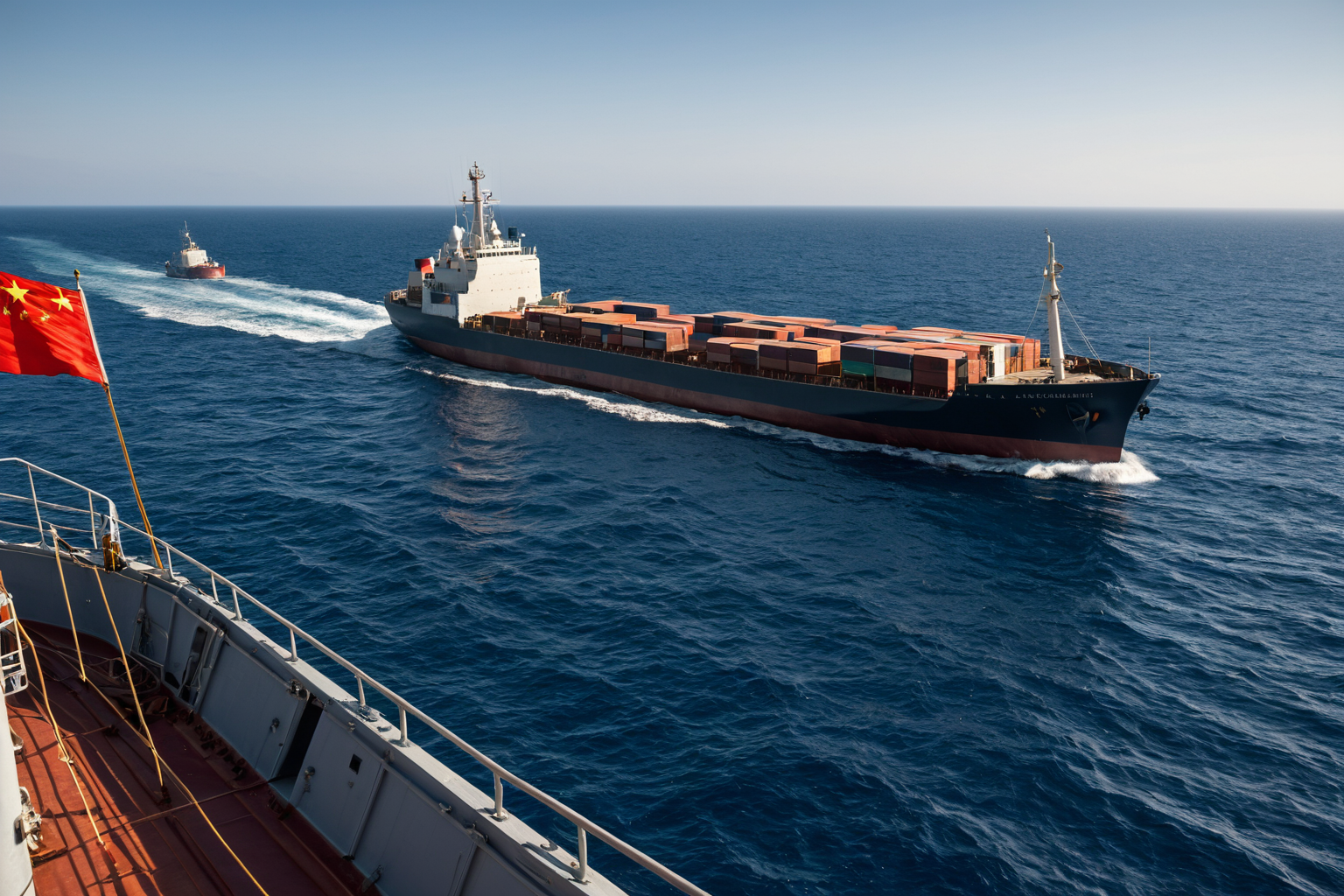
The Houthis attempted to blockade the Red Sea, but a Chinese tanker successfully passed through despite this. This 'China exception' phenomenon adds a new variable to international maritime dynamics. China has played an increasingly important role in maritime security and trade competition in recent years, and this incident highlights how China's maritime strategy affects global affairs.
Increased shipping costs and disruptions to exports and imports due to the Red Sea crisis were anticipated, with potential severe impacts on the Middle East economy. The passage of tankers through the Red Sea could further destabilize international oil markets.
Connection Between Yemen Civil War and Red Sea Tensions
The Yemen civil war has persisted since 2014, with estimated casualties exceeding 90,000. This demonstrates how the conflict has evolved from a regional dispute into an international humanitarian crisis. Recently, daily fatalities in Yemen have averaged over ten due to escalating violence.
Red Sea tensions are directly linked to the Yemen civil war, and Houthi attacks undermine regional stability. The August 12, 2026 attack on the Saudi military supply ship underscores how these tensions impact global trade.
International Law and Houthi Legal Accountability
Houthi attacks likely violate international law, but discussions within the international community regarding specific legal procedures and the Houthis' accountability remain limited. This suggests that the international community has yet to establish a systematic approach to addressing the issue.
The UN Security Council adopted a resolution in March 2024 urging the Houthis to halt their provocations in the Red Sea, but no concrete follow-up actions have been taken. This reflects insufficient cooperation among nations seeking to resolve Yemen-related conflicts.
Rising Tensions in the Middle East and Oil Price Increases
Houthi attacks have directly influenced oil markets, with prices rising steadily since late July 2026. The Red Sea crisis has disrupted shipping routes, impacting global energy supply chains. As major oil fields in the Middle East are central to international energy networks, any disruption to sea transport could cause significant market shocks.
Military actions by the United States and Israel have also heightened tensions in the region, contributing to rising oil prices. The intensification of conflict in the Middle East since mid-April 2026 has pushed global oil markets into a state of emergency.
Death Toll and Humanitarian Crisis
Casualties from the Yemen civil war exceed 90,000, with a significant proportion being civilians. Similar to the situation in Gaza, high civilian death rates characterize this conflict. As Red Sea tensions worsen alongside the ongoing humanitarian crisis in Yemen, international response has become increasingly urgent.
The six fatalities from the August 12, 2026 attack on the Saudi military supply ship represent a small but significant example of how Yemen's civil war and Red Sea tensions are affecting economic and security aspects globally. The incident highlights both the ongoing escalation of Yemen's conflict and vulnerabilities in global trade.
Information to Verify
The exact scale of damage from the attack on the Saudi military supply ship remains unconfirmed. Further investigation is needed into the Houthi claims regarding the method of attack and precise casualty numbers, as well as the international community's response direction. Additionally, more detailed analysis is required regarding the specific circumstances of Chinese tankers passing through the Red Sea and their impact.
Increased shipping costs and disruptions to exports and imports due to the Red Sea crisis have already begun, though these were expected outcomes. The exact economic loss figures remain uncalculated. To stabilize global trade, it is essential that Houthi provocations in the Red Sea cease, requiring strengthened international cooperation.
Frequently Asked Questions
What is the Houthi rebel group?
The Houthis are an armed group active in Yemen's civil war, opposing the government since 2014. They frequently carry out attacks to disrupt maritime transport through the Red Sea.
How does the Red Sea crisis affect oil prices?
Disruptions in shipping due to the Red Sea crisis have destabilized international oil markets, leading to rising prices. Given that Middle Eastern oil fields are central to global energy supply chains, tensions in the Red Sea directly impact oil prices.
What actions has the international community taken against the Houthis?
The UN Security Council has urged the Houthis to stop their provocations but has not implemented specific sanctions or military measures. The international community recognizes the need for enhanced cooperation to resolve Yemen-related conflicts.
Frequently Asked Questions
The Houthi attack on a Saudi military supply ship in the Red Sea exemplifies how Yemen's civil war and regional tensions impact global trade, with uncertain casualty figures and economic losses. International response remains urgent. China's tanker passage through the Red Sea introduces new dynamics to maritime affairs, which could significantly influence Middle East stability and global trade flows.
If Red Sea tensions persist, oil price increases and market instability will intensify, potentially affecting the global economy. Therefore, halting Houthi provocations in the Red Sea and fostering international cooperation are essential.
You can view similar articles on this topic all at once.
View Related ArticlesFAQ
What is the Houthi rebel group?
The Houthis are an armed group active in Yemen's civil war, opposing the government since 2014. They frequently carry out attacks to disrupt maritime transport through the Red Sea.
How does the Red Sea crisis affect oil prices?
Disruptions in shipping due to the Red Sea crisis have destabilized international oil markets, leading to rising prices. Given that Middle Eastern oil fields are central to global energy supply chains, tensions in the Red Sea directly impact oil prices.
What actions has the international community taken against the Houthes?
The UN Security Council has urged the Houthis to stop their provocations but has not implemented specific sanctions or military measures. The international community recognizes the need for enhanced cooperation to resolve Yemen-related conflicts.
Korean Source
This article is an English localization of a Korean-language report from BlogScore. Original: 후티 반군 수송선 공격 사건, 국제법에 따라 어떻게 처리되는가?