
Houthi Rebels' Toll Collection Plan and Regional Economic Impact
Background of Houthi Rebels' Toll Collection Plan
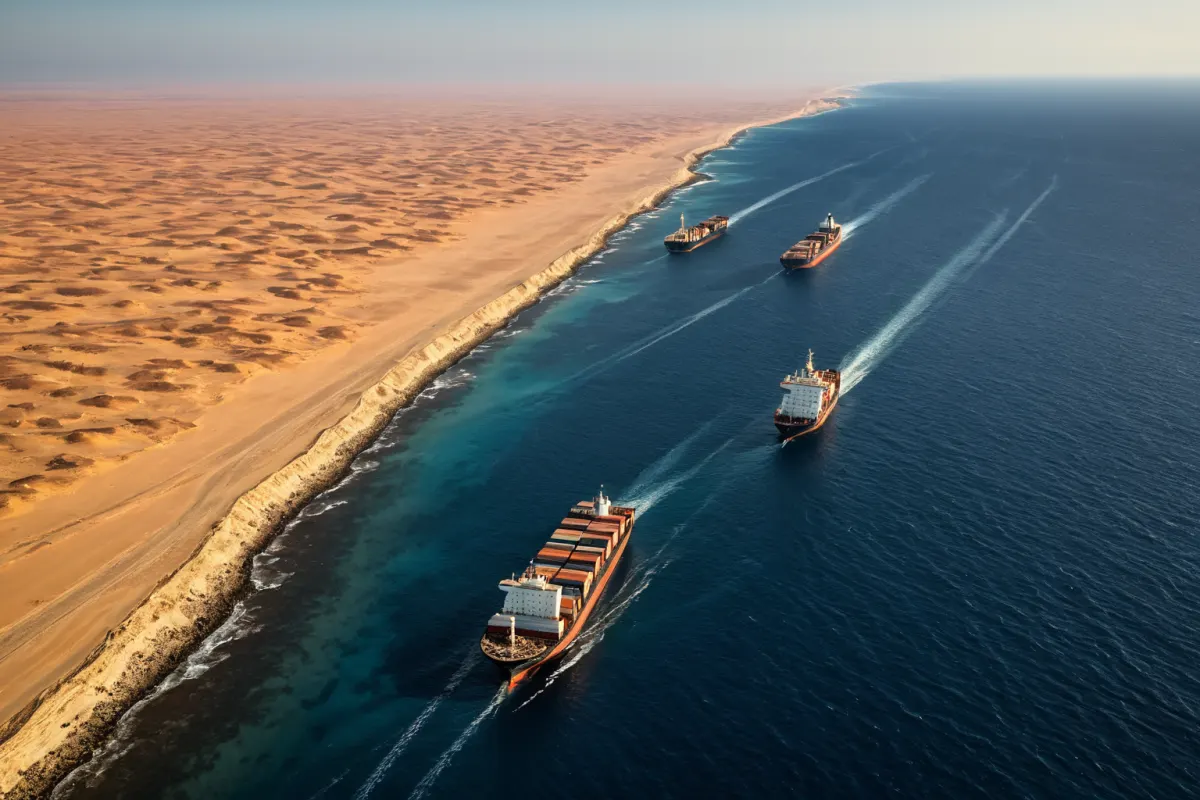
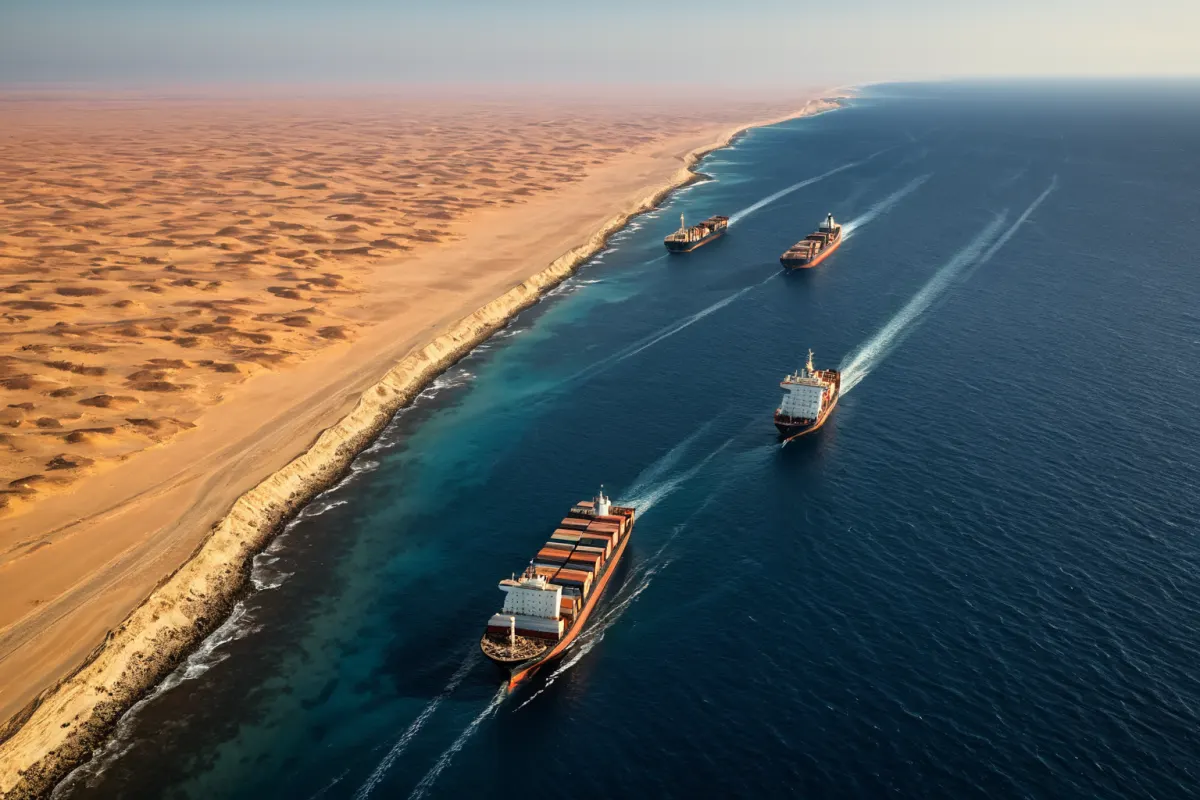
The Houthi rebels in Yemen are reportedly considering imposing tolls on vessels passing through the Red Sea. Multiple media outlets have focused on this issue as of July 29, with concerns that it could directly impact international maritime trade and oil transportation. Chinese ships appear likely to be excluded from the toll collection, raising tensions with Saudi Arabia.
Key Facts About Toll Collection Plan
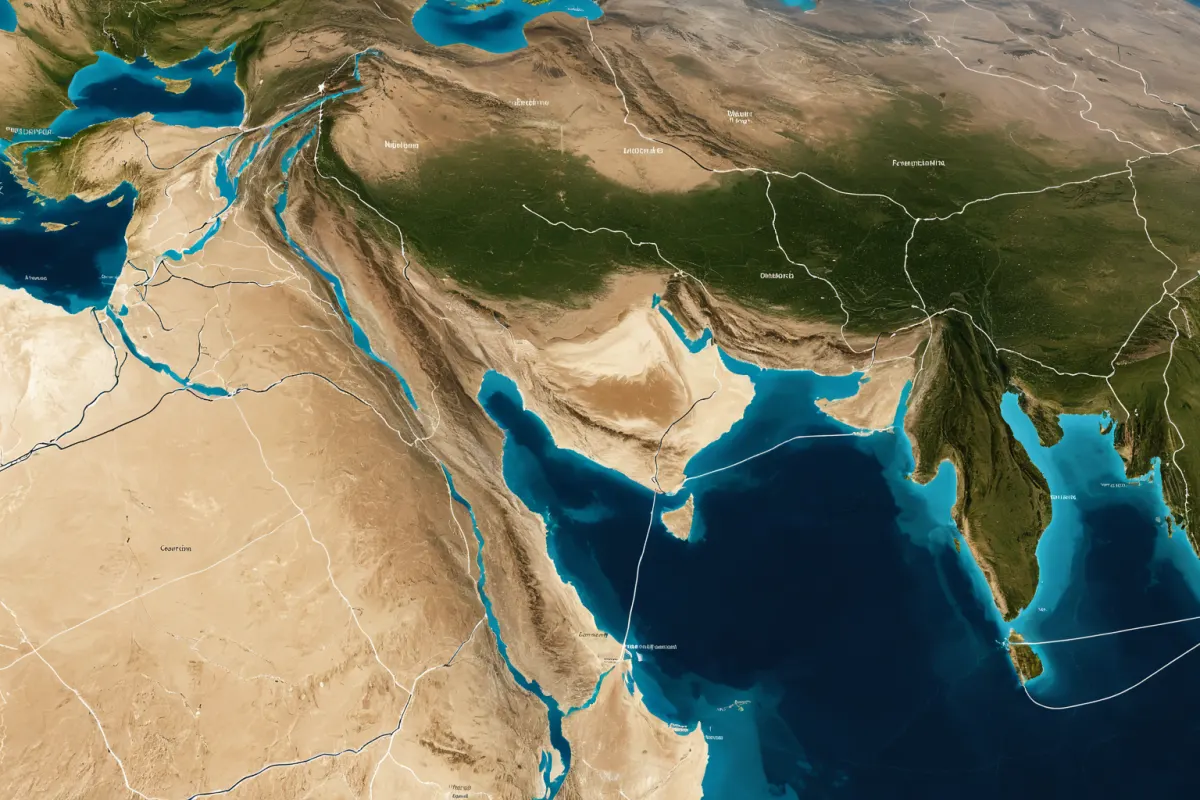
The Houthi rebels are reviewing the imposition of tolls on Red Sea shipping routes, which could lead to potential blockades of key maritime corridors like the Strait of Hormuz and the Red Sea. Following Saudi Arabia's declaration of a naval blockade on July 20, concerns about oil supply disruptions have emerged, with expected economic repercussions from rising global oil prices.
The Houthi rebels' actions are adding uncertainty to the Middle East economy, particularly as potential disruptions in Saudi oil supplies could increase volatility in international oil markets. Reports on July 29 emphasized that this toll collection review could lead to blockades of key maritime routes between the Strait of Hormuz and the Red Sea.
Connection Between Saudi Naval Blockade and Houthi Rebels
Saudi Arabia declared a naval blockade on July 20, signaling potential disruptions to transportation corridors in the Middle East, including the Strait of Hormuz. The Houthi rebels announced their toll collection review just one week after Saudi Arabia's declaration, potentially leading to direct impacts on international trade.
Concerns have arisen about possible disruptions to Saudi oil supplies following its naval blockade declaration. With the Houthi toll collection plan under consideration, the risk of further disruption to Saudi oil exports has increased, likely contributing to rising global oil prices.
Impact on International Trade and Economy
The Red Sea is a vital maritime trade route between Asia and Europe, especially critical for oil transportation. The Houthi rebels' review of imposing tolls on ships passing through the Red Sea could disrupt international maritime trade. This disruption could lead to rising oil prices, increased inflation, and economic instability.
Chinese vessels are likely to be excluded from the toll collection, heightening tensions with Saudi Arabia. China plays a crucial role in stabilizing energy supply chains in the Middle East, and excluding Chinese ships from tolls could negatively impact relations between Saudi Arabia and China.
In this context, oil price volatility is expected to increase further. If rising oil prices persist due to supply disruptions, it could have negative effects on the global economy. Countries with high dependence on energy are particularly vulnerable to inflationary pressures and economic slowdowns.
Analysis of Houthi Toll Collection Plan and Economic Impact
The Houthi rebels' consideration of tolls on Red Sea shipping routes appears to reflect an attempt to control geographically significant trade corridors in the Middle East. This strategy seems aimed at generating economic revenue, particularly as a measure that could worsen relations with Saudi Arabia.
If the Houthi toll collection plan is finalized, it could directly impact international maritime trade. Disruptions in oil transportation routes might lead to rising oil prices and inflation, potentially affecting global economies negatively.
Saudi Oil Supply Disruption and Market Response
Saudi Arabia is one of the world's largest oil producers, so any disruption in its oil supply could significantly impact global oil prices. If Houthi toll collection leads to disruptions in Saudi oil exports, it could accelerate rising global oil prices.
The International Energy Agency (IEA) has been monitoring tensions in the Middle East, warning that prolonged conflict between Saudi Arabia and the Houthi rebels could cause serious issues for global energy supply chains. This could result in transportation disruptions and increased oil price volatility.
Stability of International Trade and Response Measures
The Houthi toll collection review has introduced instability into international maritime trade. As a result, shipping companies and trading firms are developing emergency response plans, with some beginning to explore alternative routes.
The international community is focusing on maintaining stability in the Middle East, particularly by promoting dialogue between Saudi Arabia and the Houthi rebels. This could help reduce oil supply disruptions and stabilize global oil price volatility.
Key Information to Verify
If the Houthi toll collection plan is confirmed, specific amounts and target vessels will need to be determined. Reports have mentioned a figure of 3 billion won per ship, but this information has not been verified, and exact figures remain undisclosed.
Saudi Arabia's naval blockade declaration and the Houthi rebels' toll collection review are interconnected, potentially exacerbating economic instability in the Middle East. Therefore, the international community and trade companies are monitoring the situation closely while developing response plans.
If the Houthi toll collection plan is finalized, disruptions in oil transportation routes could impact global energy supply chains. This could lead to increased oil price volatility and inflation, making international responses crucial.
Frequently Asked Questions
What would be the effects if Houthi rebels impose tolls on ships passing through the Red Sea?
The Red Sea is a major maritime trade route between Asia and Europe, essential for oil transportation. If Houthi rebels impose tolls, international maritime trade could face disruptions, potentially leading to rising oil prices and inflation.
Will Chinese vessels be excluded from the toll collection?
Chinese vessels are likely to be excluded from the toll collection based on the current review by the Houthi rebels. This appears to be a measure considering worsening relations with Saudi Arabia.
What impact would disruption in Saudi oil supplies have on global oil prices?
Saudi Arabia is one of the world's largest oil producers, so any supply disruption could accelerate rising global oil prices. This could negatively affect the global economy.
You can view similar articles on this topic in one place.
View Related ArticlesFAQ
What would be the effects if Houthi rebels impose tolls on ships passing through the Red Sea?
The Red Sea is a major maritime trade route between Asia and Europe, essential for oil transportation. If Houthi rebels impose tolls, international maritime trade could face disruptions, potentially leading to rising oil prices and inflation.
Will Chinese vessels be excluded from the toll collection?
Chinese vessels are likely to be excluded from the toll collection based on the current review by the Houthi rebels. This appears to be a measure considering worsening relations with Saudi Arabia.
What impact would disruption in Saudi oil supplies have on global oil prices?
Saudi Arabia is one of the world's largest oil producers, so any supply disruption could accelerate rising global oil prices. This could negatively affect the global economy.
Korean Source
This article is an English localization of a Korean-language report from BlogScore. Original: 후티 반군 통행료 징수로 인한 지역 경제 파장