
Houthi Rebels' International Activities and Global Response
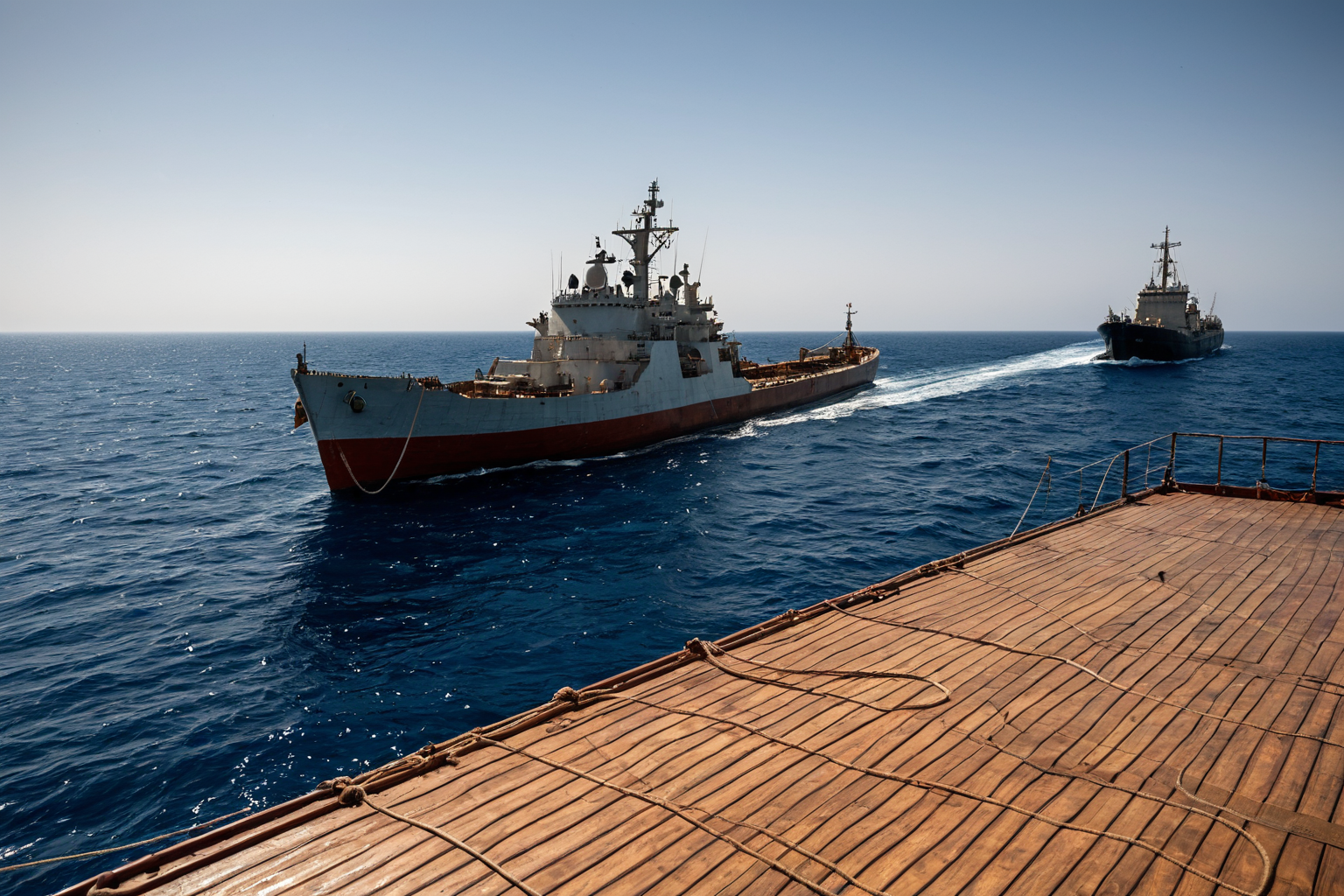
Houthi Threat to Red Sea Blockade and Rising Oil Prices
The Houthi rebels in Yemen have recently launched missile and drone attacks targeting Saudi Arabia, threatening international trade routes through piracy in the Red Sea. Their actions directly target the Strait of Hormuz and the Second Oil Way, causing Brent crude prices to surpass $115 per barrel following a July 22 declaration of an attack on Saudi ports.
The Houthi rebels are linked to Iran, having declared 'Iran War Participation' in April 2026 but opting for limited actions rather than full blockade. This approach has continued since Yemen's government announced military successes against the Houthis on September 7, 2026.
Saudi Attacks and Retaliatory Measures
Houthi attacks on Saudi targets began intensifying on July 21, 2026. On July 21, they declared an attack on Saudi ports; two days later, on July 23, they attacked two Saudi oil tankers. On September 8, a large-scale attack injured 73 civilians. In response, the U.S. destroyed five Iranian oil tankers, causing Brent crude prices to rise from $99 to $115 per barrel by September 8.
The Trump administration re-designated the Houthis as a foreign terrorist organization on January 23, 2025. This prompted international efforts to address Red Sea security concerns, but China and Russia rejected a UN resolution for opening the Strait of Hormuz, criticizing the U.S. response.
UN Mediation and Chinese-Russian Opposition
The UN urged both sides to avoid escalation and seek dialogue following Houthi attacks on Saudi targets on July 21, 2026. However, China and Russia rejected a UN resolution to open the Strait of Hormuz, worsening tensions between Iran and the U.S. and negatively impacting global energy markets. After China and Russia rejected the resolution on April 8, 2026, Brent crude prices surged past $115.
The Houthis have established administrative bodies in Yemen's capital to collect taxes, influencing the international community. Since a report on July 30, 2026, they have gradually expanded their influence in conflicts with the Yemeni government. They also threaten the Strait of Hormuz and Second Oil Way, contributing to rising oil prices.
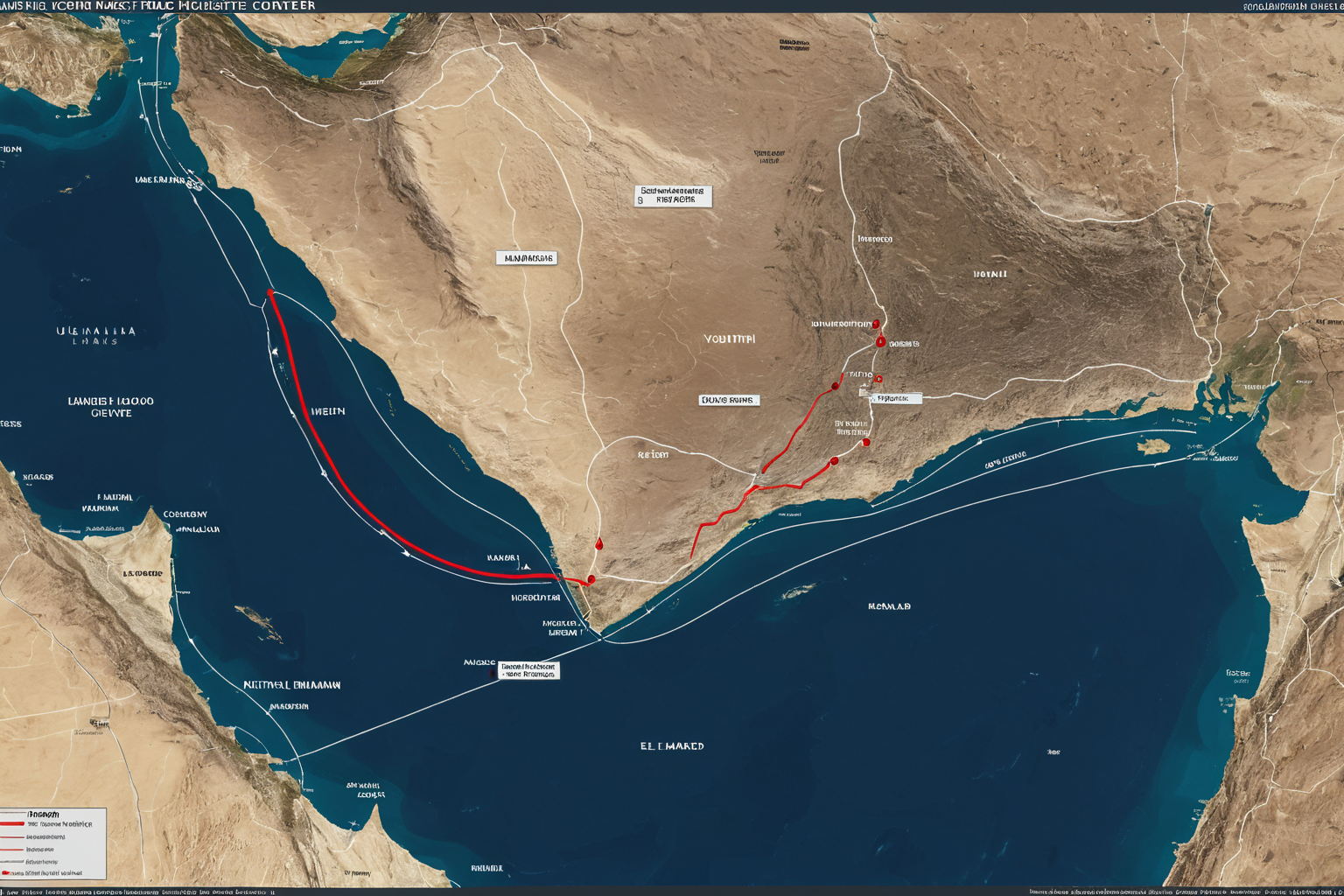
Houthi-Iran Ties and Threats to International Trade Routes
The Houthi rebels in Yemen, closely linked to Iran, threaten international trade routes through piracy in the Red Sea. Since January 13, 2024, they have risen as a major force in the Red Sea, connecting to their July 22, 2026 declaration of targeting Saudi ports. Their activities continue to drive up global oil prices via threats to the Strait of Hormuz and Second Oil Way.
Increased external uncertainty due to Houthi attacks has impacted industries, especially as tensions between Trump and Iran escalated on July 24, 2026, leading to potential Middle East conflict. This has directly contributed to rising oil prices amid U.S. tariff policies and supply chain issues in the region.
Oil Price Fluctuations and Response Measures
Brent crude prices have steadily risen since surpassing $115 on March 30, 2026, directly linked to Houthi attacks on Saudi targets. On July 24, tensions between Trump and Iran caused oil prices to rebound above $100, reaching $115 by September 8 after a civilian injury incident on September 8.
The U.S. retaliated by destroying five Iranian tankers but faced criticism from China and Russia at the UN for opposing a resolution to open the Strait of Hormuz. This has intensified global energy market tensions, with ongoing Middle East instability.
Houthi Administrative Body Establishment and Tax Collection
On July 30, 2026, the Houthis established an administrative body in Yemen's capital to collect taxes, influencing international relations. This demonstrates their growing influence in conflicts with the Yemeni government since July 22, 2026, when they emphasized Red Sea blockade threats as a key message. Their administrative structure also affects control over international trade routes.
Yemeni authorities announced military successes against the Houthis on September 7, 2026, indicating their strategic shift in combat with the rebels and increasing global impact of Houthi activities.
Trump Administration's Response
The Trump administration re-designated the Houthis as a foreign terrorist organization on January 23, 2025, emphasizing their threat level internationally. Subsequently, Trump warned of responses to Red Sea blockades but faced limited effectiveness due to China and Russia rejecting UN resolutions.
This designation contributed significantly to global condemnation of Houthi activities. However, after China and Russia rejected the UN resolution on April 8, 2026, U.S. efforts lost momentum.
UN Mediation and International Cooperation
The UN urged both sides to avoid escalation and seek dialogue following Houthi attacks on Saudi targets on July 21, 2026. China and Russia rejected a resolution for opening the Strait of Hormuz, worsening tensions between Iran and the U.S., which negatively impacted global energy markets.
UN mediation efforts have contributed to easing threats to international trade routes caused by Houthi activities but were limited due to Chinese-Russian opposition. This remains one of the key factors contributing to ongoing uncertainty in global energy markets.
Verified Information
A report on July 30, 2026, confirmed the Houthis' establishment of an administrative body and tax collection, showing their growing influence in conflicts with the Yemeni government. Their threats against Red Sea blockades and the Strait of Hormuz and Second Oil Way were verified in reports from July 22, 2026.
Attacks on Saudi targets began with a declaration on July 21, 2026, followed by attacks on two oil tankers on July 23 and an incident injuring 73 civilians on September 8. These actions caused Brent crude prices to surpass $115, significantly impacting global energy markets.
Frequently Asked Questions
What causes rising oil prices due to Houthi activities?
The Houthis' attacks targeting Saudi Arabia with missiles and drones, coupled with piracy in the Red Sea, threaten international trade routes. This directly targets the Strait of Hormuz and Second Oil Way, leading to increased global oil prices.
What retaliatory measures has the U.S. taken?
The U.S. destroyed five Iranian oil tankers as retaliation, and the Trump administration re-designated the Houthis as a foreign terrorist organization.
What mediation efforts has the UN attempted?
The UN urged both sides to avoid escalation and seek dialogue on July 21, 2026, but China and Russia rejected a resolution to open the Strait of Hormuz, limiting the effectiveness of these efforts.
Frequently Asked Questions
Houthi activities have significantly impacted global energy markets. Threats to Red Sea blockades alongside threats to the Strait of Hormuz and Second Oil Way have driven oil price increases, intensifying U.S.-China-Russia tensions. International society now faces a heightened need for mediation and cooperation to ease these tensions.
The establishment of Houthi administrative bodies and tax collection, combined with Saudi attacks and retaliatory measures, along with UN mediation efforts, contribute to ongoing uncertainty in global energy markets. Cooperation among the U.S., China, and Russia is essential to resolve this situation.
FAQ
What causes rising oil prices due to Houthi activities?
The Houthis' attacks targeting Saudi Arabia with missiles and drones, coupled with piracy in the Red Sea, threaten international trade routes. This directly targets the Strait of Hormuz and Second Oil Way, leading to increased global oil prices.
What retaliatory measures has the U.S. taken?
The U.S. destroyed five Iranian oil tankers as retaliation, and the Trump administration re-designated the Houthes as a foreign terrorist organization.
What mediation efforts has the UN attempted?
The UN urged both sides to avoid escalation and seek dialogue on July 21, 2026, but China and Russia rejected a resolution to open the Strait of Hormuz, limiting the effectiveness of these efforts.
Korean Source
This article is an English localization of a Korean-language report from BlogScore. Original: 예멘 후티 반군의 대외 활동과 국제 반응