
Houthi Rebels' Impact on Red Sea Shipping Routes
Red Sea Route Threats and Declining Saudi Oil Exports
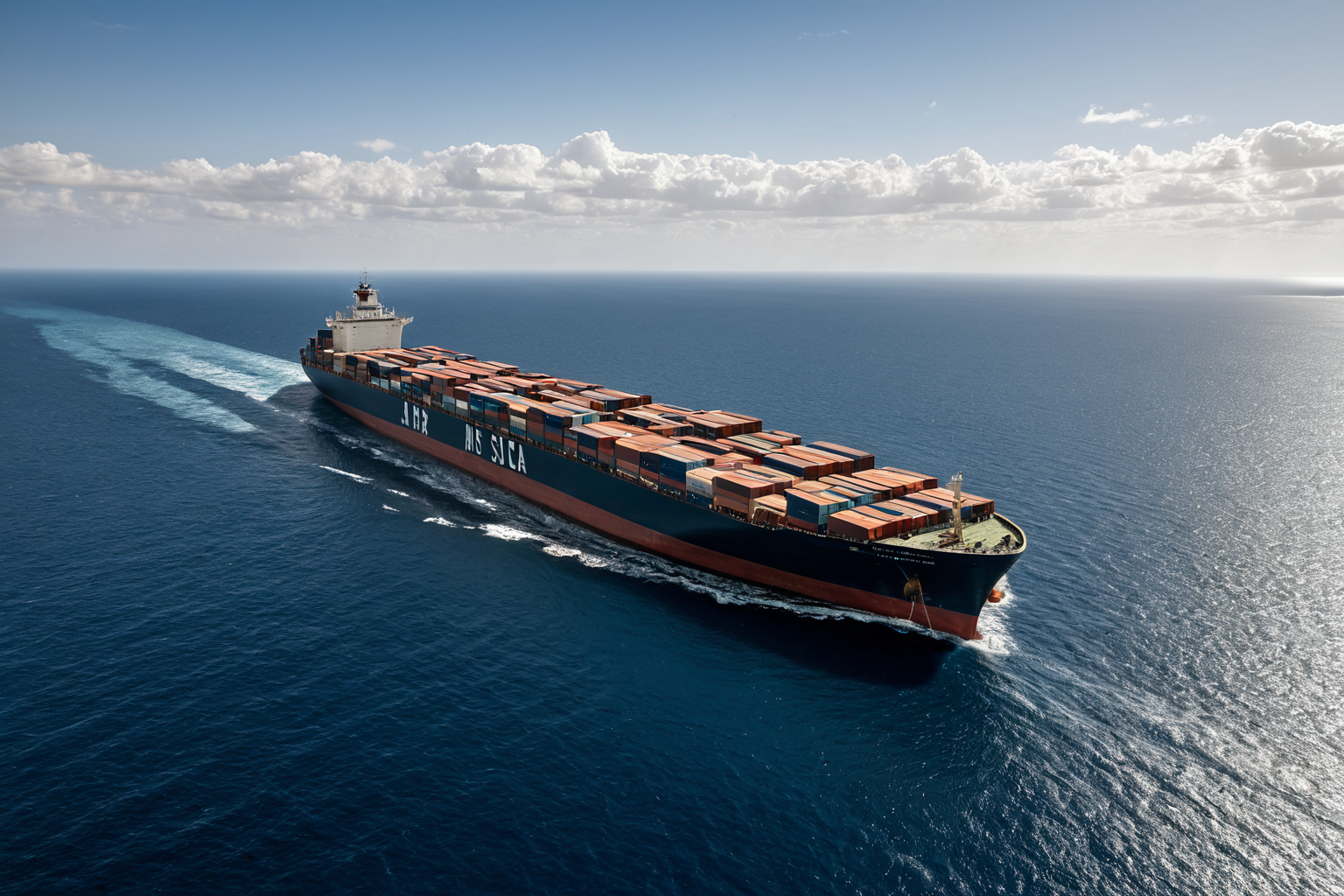
The Red Sea shipping route has been under heightened tension due to Houthi rebel attacks, directly impacting Saudi Arabia's oil exports. Since late July 2026, the Houthis declared a maritime blockade targeting Saudi Arabia, raising concerns about the safety of the Red Sea passage. However, they stated they would not fully close the entrance to the Red Sea. This led to a 4% drop in international oil prices, as sea transport remains risky.
Current Usage of Alternative Routes Through the Red Sea
Shipping through the Red Sea has gradually decreased due to Houthi attacks, with some carriers opting for alternative routes. However, these alternatives are over 30% longer than the Red Sea route, resulting in additional costs. Saudi Arabia's oil exports reached a nine-year low in September 2026. The resumption of Houthi attacks has also driven up tanker freight rates, adding pressure to global energy markets.
Houthi Blockade Declaration vs. Actual Closure
The Houthis declared a maritime blockade against Saudi Arabia on July 20, 2026, but stated they would not fully close the Red Sea entrance. Some reports suggested the Red Sea might be completely blocked, but in reality, attacks occurred only in certain sections of the route. International oil prices dropped by over 4% after July 25, 2026, likely linked to the blockade declaration. However, since the Red Sea entrance was not fully closed, alternative routes remained viable, providing some relief to oil prices.
Saudi Airstrikes and Port of Jeddah Resumption
Saudi Arabia conducted airstrikes on Houthi strongholds in the Red Sea port area on July 25, 2026, escalating tensions. However, on August 12, 2026, shipping to Jeddah port resumed with services from Maersk and Hapag-Lloyd. This shows some carriers are taking measures for safe navigation despite ongoing instability caused by Houthi attacks. The threat to the Red Sea route remains, with maritime security levels raised to the highest alert level of 3.
Impact on International Oil Prices
The threat to the Red Sea shipping route has significantly affected international oil prices. On July 23, 2026, Dubai crude approached $90 per barrel, and Brent crude surpassed $94. This was driven by concerns over supply disruptions due to heightened tensions between the U.S. and Iran, as well as Houthi attacks. Saudi Arabia is considering alternative routes for Red Sea stability but faces high costs that could continue pressuring global energy markets.
Cost Structure of Alternative Routes
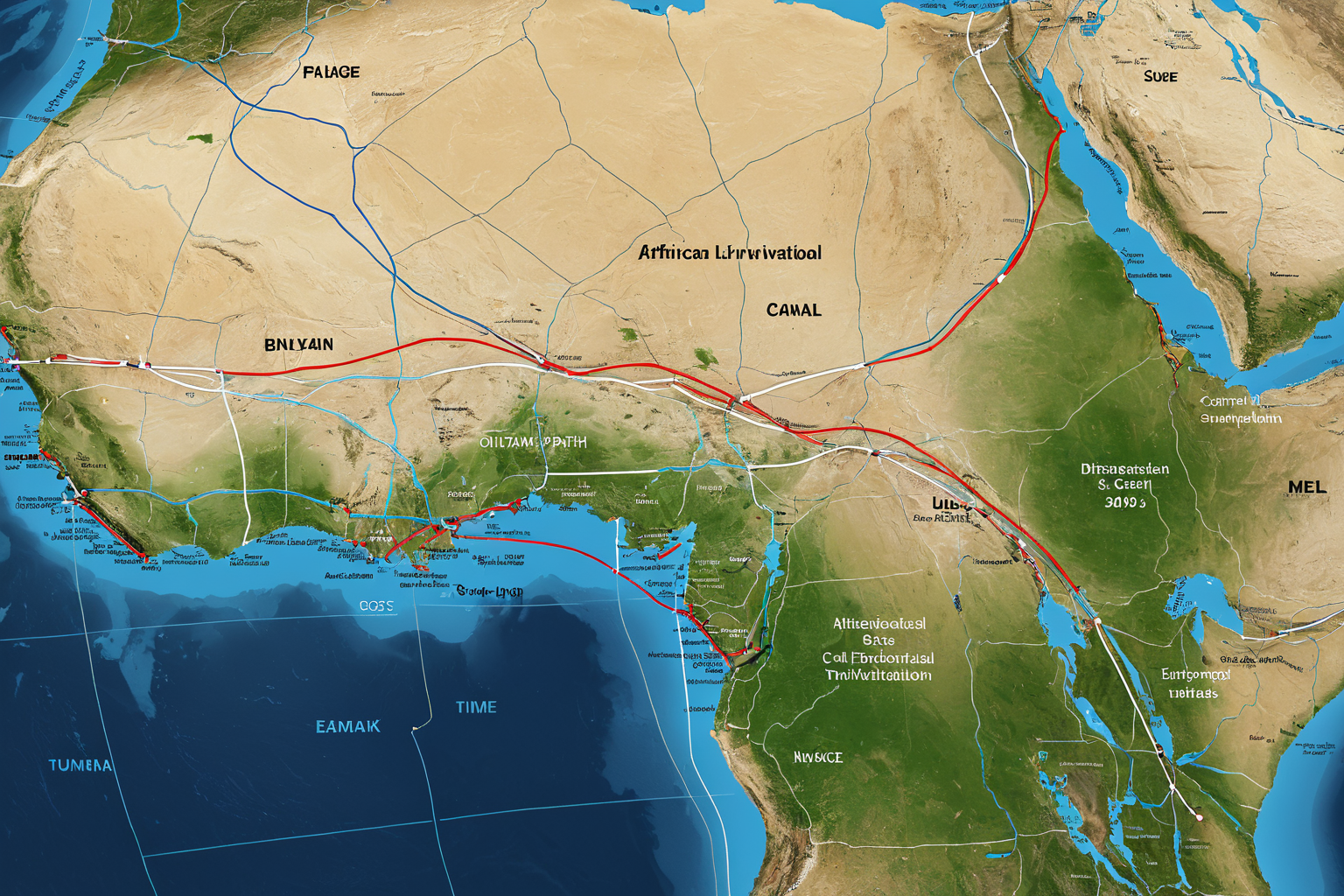
As shipping through the Red Sea became riskier, some carriers have chosen alternative routes around southern Africa. However, these alternatives are approximately 30% longer than the Red Sea route, increasing fuel and time costs. For example, transporting oil from Saudi Arabia to Europe via an alternative route could raise freight rates by up to 40%. Additionally, alternative routes face higher marine security threats, adding further operational costs for ships.
Houthi Attacks and International Response
Former President Trump warned the Houthis that 'if you block the Red Sea, we'll see what happens.' Meanwhile, Ukraine struck Iranian vessels due to Saudi-Houthi retaliation, indicating a potential expansion of conflict into the Caspian Sea. Some reports claimed the blockade had no impact on freight rates, but concerns about oil supply disruptions remain. The International Maritime Organization is taking additional measures to stabilize Red Sea routes and has raised maritime security alerts to level 3.
Verified Information on Red Sea Threats
The exact economic loss from Houthi attacks on the Red Sea route remains difficult to quantify. However, Saudi Arabia's oil export decline and fluctuations in international oil prices provide an estimate. In September 2026, Saudi oil exports hit a nine-year low, likely directly linked to Houthi attacks. The cost of using alternative routes also needs further verification, reflecting the financial burden on shipping companies.
Current Usage of Alternative Routes Through the Red Sea
As shipping through the Red Sea decreases, some carriers are choosing alternative routes around southern Africa. These alternatives are about 30% longer than the Red Sea route, leading to increased costs. For instance, using an alternative route for oil transport from Saudi Arabia to Europe could increase freight rates by up to 40%. Additionally, these routes face higher marine security risks, adding operational costs. However, some ports have already resumed operations on these alternative routes, and their impact on future oil price fluctuations should be monitored.
Frequently Asked Questions
Has the Red Sea route been fully closed?
No, the Houthis stated they would not fully close the entrance to the Red Sea. While attacks occurred in certain sections, the route remains open overall.
How much have alternative route costs increased?
Alternative routes are approximately 30% longer than the Red Sea route, with freight rates potentially rising up to 40%. This increase is due to higher fuel and time costs.
When was Jeddah port shipping resumed?
On August 12, 2026, shipping to Jeddah port resumed via services from Maersk and Hapag-Lloyd. This occurred despite ongoing instability caused by Houthi attacks, showing that some carriers are taking steps for safe navigation.
Frequently Asked Questions
The Houthi rebels' attacks have threatened the Red Sea shipping route, negatively affecting Saudi oil exports. While the Houthis did not fully close the Red Sea, international oil prices dropped by 4% due to some relief from alternative routes. Saudi Arabia conducted airstrikes on Houthi strongholds but resumed port operations in Jeddah. Alternative routes are being increasingly used, though they bring higher costs and security risks. Concerns about Red Sea route stability continue to pressure global energy markets.
You can view similar articles on this topic in one place.
View Related ArticlesFAQ
Has the Red Sea route been fully closed?
No, the Houthis stated they would not fully close the entrance to the Red Sea. While attacks occurred in certain sections, the route remains open overall.
How much have alternative route costs increased?
Alternative routes are approximately 30% longer than the Red Sea route, with freight rates potentially rising up to 40%. This increase is due to higher fuel and time costs.
When was Jeddah port shipping resumed?
On August 12, 2026, shipping to Jeddah port resumed via services from Maersk and Hapag-Lloyd. This occurred despite ongoing instability caused by Houthi attacks, showing that some carriers are taking steps for safe navigation.
Korean Source
This article is an English localization of a Korean-language report from BlogScore. Original: 예멘 후티 반군이 홍해 항로에 미친 영향