
Houthi Militia Attack on Saudi Military Supply Ship: Legal Violations and Consequences
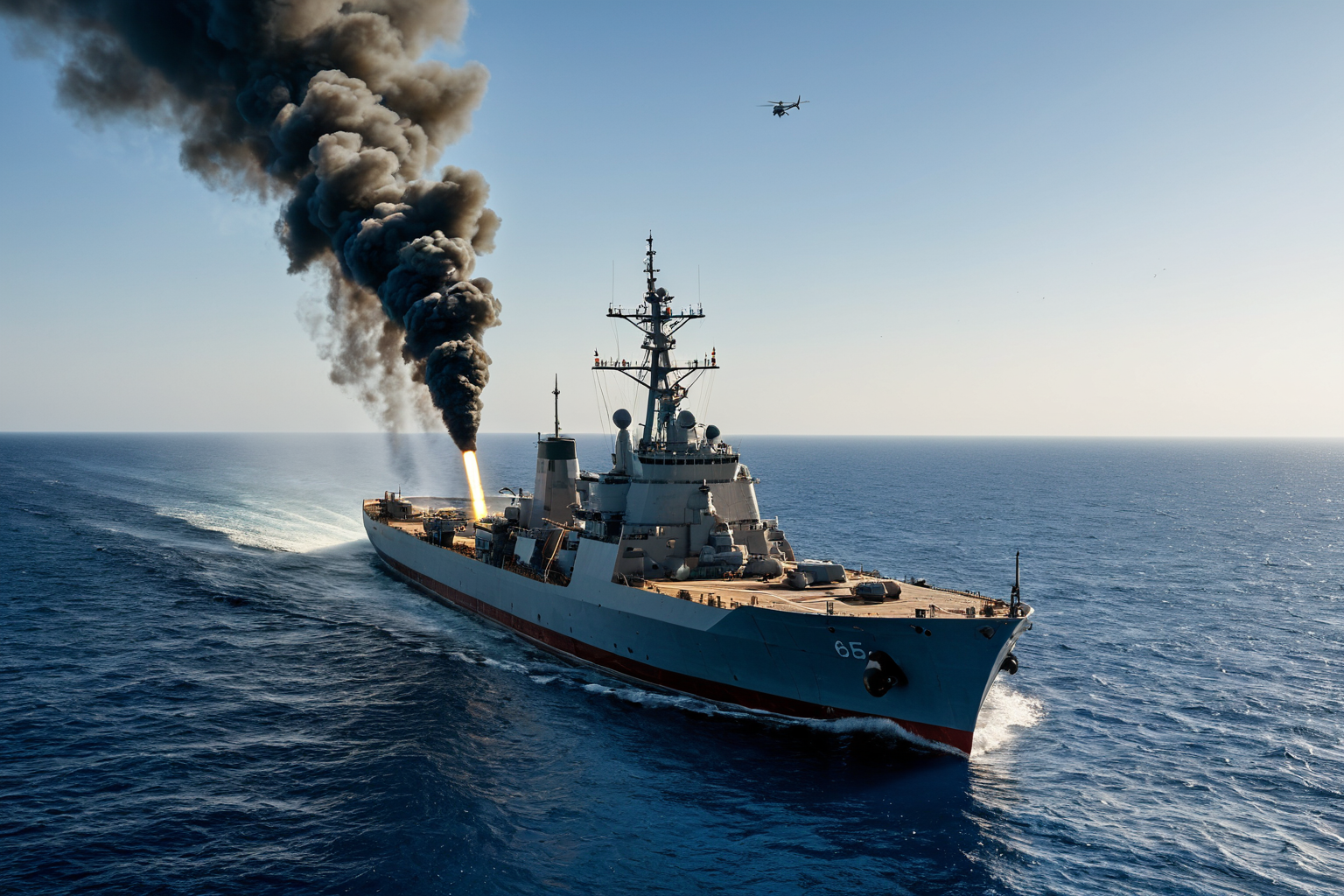
The controversy over international law violations stemming from Houthi militia attacks on the Red Sea has become particularly evident in the recent incident involving a Saudi military supply ship. On August 12, 2026, the Houthi militia attacked a Saudi military supply vessel in the Red Sea using missiles and drones, resulting in six confirmed deaths. This incident has raised legal questions, while a Chinese oil tanker's passage through the Houthi blockade—leading to a 'China exception' phenomenon—has contributed to rising global oil prices.
Key Facts of the Houthi Militia Attack on Supply Vessels
The attack by the Houthi militia on a Saudi military supply ship occurred in the Red Sea on August 12, 2026. The attack, carried out using missiles and drones, resulted in six fatalities. This incident has expanded the scope of Houthi militant activities.
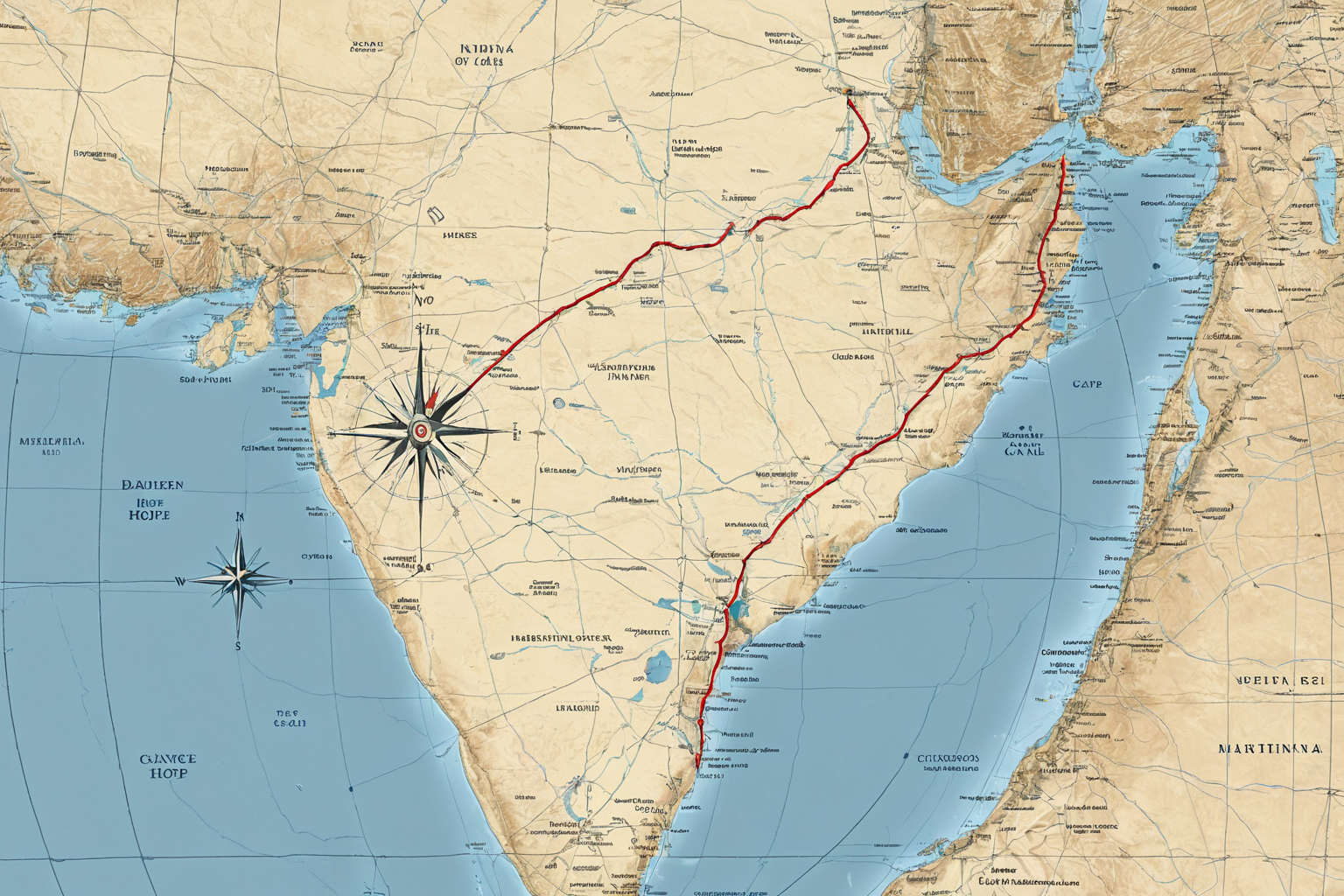
The passage of a Chinese oil tanker through the Houthi blockade—despite efforts to block it—has led to a 'China exception' phenomenon that has significantly impacted the international community. This reflects China's growing economic influence, contributing to rising global oil prices. Shipping company HMM changed its route to the Cape of Good Hope instead of the Suez Canal.
Incident Timeline and Details
On August 12, 2026, the Houthi militia attacked a Saudi military supply ship in the Red Sea with missiles, resulting in six deaths. This event marked the beginning of the incident that shocked the international community.
On August 14, 2026, Houthi media reported drone attacks on Aramco oil facilities in the Red Sea. This expanded the scope of Houthi militant activities further.
On August 20, 2026, Iran's Revolutionary Guard announced continued development and production of weapons. This statement suggests a potential escalation of regional tensions.
The Houthis operate from Yemen and are linked to Iran, primarily conducting attacks on ships in the Red Sea. Their attacks have been ongoing since 2021, including incidents targeting Saudi airports and civilian aircraft runways.
Saudi Arabia has confirmed using domestically produced multi-barrel rockets 'Chunmu' in response to Houthi attacks. This demonstrates an enhancement of Saudi military capabilities.
Houthi Activities and International Law Violation Debate
The Houthis are a armed group operating within Yemen, linked to Iran, primarily conducting ship attacks in the Red Sea region. Their actions are widely considered violations of international law.
Under international law, attacking military supply vessels could be classified as war crimes. The deaths resulting from Houthi attacks have sparked significant debate internationally.
The 'China exception' phenomenon—where a Chinese oil tanker passed through the Houthi blockade—was one direct cause of rising global oil prices. This reflects China's growing economic influence, and shipping company HMM chose to reroute via the Cape of Good Hope instead of the Suez Canal.
Response and Safety Information
The intensification of attacks in the Red Sea corridor poses a threat to trade stability. Shipping company HMM changed its route to the Cape of Good Hope to protect vessels from attacks.
Iran's Revolutionary Guard has announced continued development and production of weapons, signaling potential escalation of regional tensions. Saudi Arabia is responding with domestically produced multi-barrel rockets 'Chunmu'.
The Yemeni government-in-exile allied forces have reportedly seized Iranian missiles and other weapons intended for the Houthi militia for the first time. This confirms the connection between Iran's arms supply chain to the Houthis.
Key Information to Verify
The legality of the Houthi attacks remains unclear under international law. Operating within Yemen and linked to Iran, the Houthis have created complex legal debates internationally.
The 'China exception' phenomenon reflects China's growing economic influence, directly impacting global oil prices. The decision by shipping company HMM to change its route was made in this context.
Iran's Revolutionary Guard announcement of continued weapons development signals potential escalation of regional tensions, a matter the international community should monitor closely. The methods and scope of Houthi attacks may continue to evolve.
The attack on the Saudi military supply ship is an example of how Houthi activities impact global trade, which will remain a topic of interest. Particularly, stability in the Red Sea corridor has significant implications for the global economy.
Frequently Asked Questions
Is attacking military supply ships by the Houthi militia considered a violation of international law?
Under international law, attacking military supply vessels could be classified as war crimes. The Houthi attacks have sparked debate internationally.
Why did Chinese oil tankers pass through the Houthi blockade despite efforts to block them?
The 'China exception' phenomenon—where a Chinese oil tanker passed through the Houthi blockade—reflects China's growing economic influence, contributing to rising global oil prices.
Which route did shipping company HMM choose after changing from the Suez Canal?
Shipping company HMM changed its route to the Cape of Good Hope instead of the Suez Canal to protect vessels from Houthi attacks.
Frequently Asked Questions
The incident involving Houthi militia attacks on a Saudi military supply ship has raised legal concerns, contributed to rising oil prices due to China's 'exception', and prompted shipping companies like HMM to change routes. The 'China exception' phenomenon reflects China's growing economic influence, while Iran's Revolutionary Guard announcement of continued weapons development signals potential regional tension escalation.
The Houthis operating from Yemen and linked to Iran, primarily conducting Red Sea ship attacks, is a matter the international community should monitor closely. Particularly, stability in the Red Sea corridor has significant implications for global trade and economy.
Continued Houthi activities and legal debates are expected to persist, requiring coordinated international responses. Shipping companies and governments must consider additional measures for vessel protection.
The information provided is based on verified sources (references 1, 2, 5, 7, 12-16, 17, 18, 20, 29). Additional details can be confirmed through official press releases.
You can view similar articles on this topic in one place.
View Related ArticlesFAQ
Is attacking military supply ships by the Houthi militia considered a violation of international law?
Under international law, attacking military supply vessels could be classified as war crimes. The Houthi attacks have sparked debate internationally.
Why did Chinese oil tankers pass through the Houthi blockade despite efforts to block them?
The 'China exception' phenomenon—where a Chinese oil tanker passed through the Houthi blockade—reflects China's growing economic influence, contributing to rising global oil prices.
Which route did shipping company HMM choose after changing from the Suez Canal?
Shipping company HMM changed its route to the Cape of Good Hope instead of the Suez Canal to protect vessels from Houthi attacks.
Korean Source
This article is an English localization of a Korean-language report from BlogScore. Original: 후티 반군 수송선 공격: 국제법 위반 여부와 결과 분석