
Houthi Militia Attack on Cargo Ships: Legal Responses Under International Law?
International Legal Issues Surrounding Houthi Militia Attacks on Cargo Ships
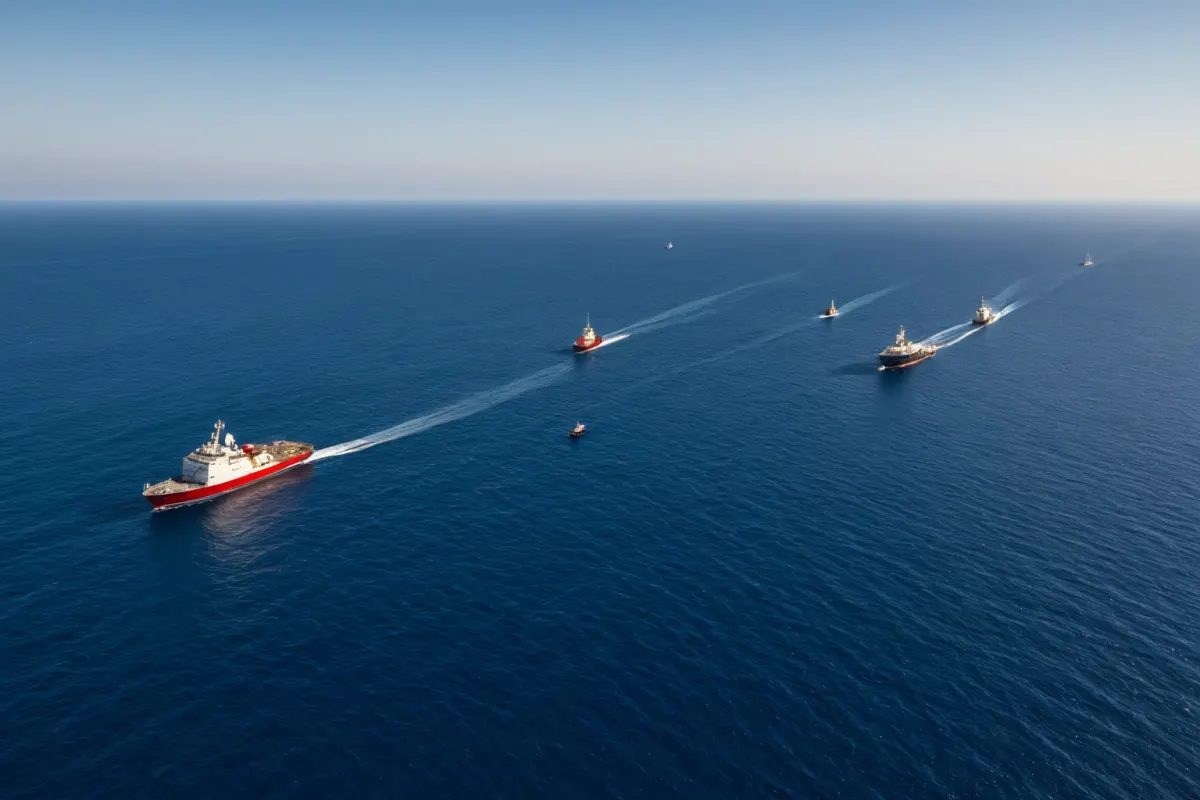
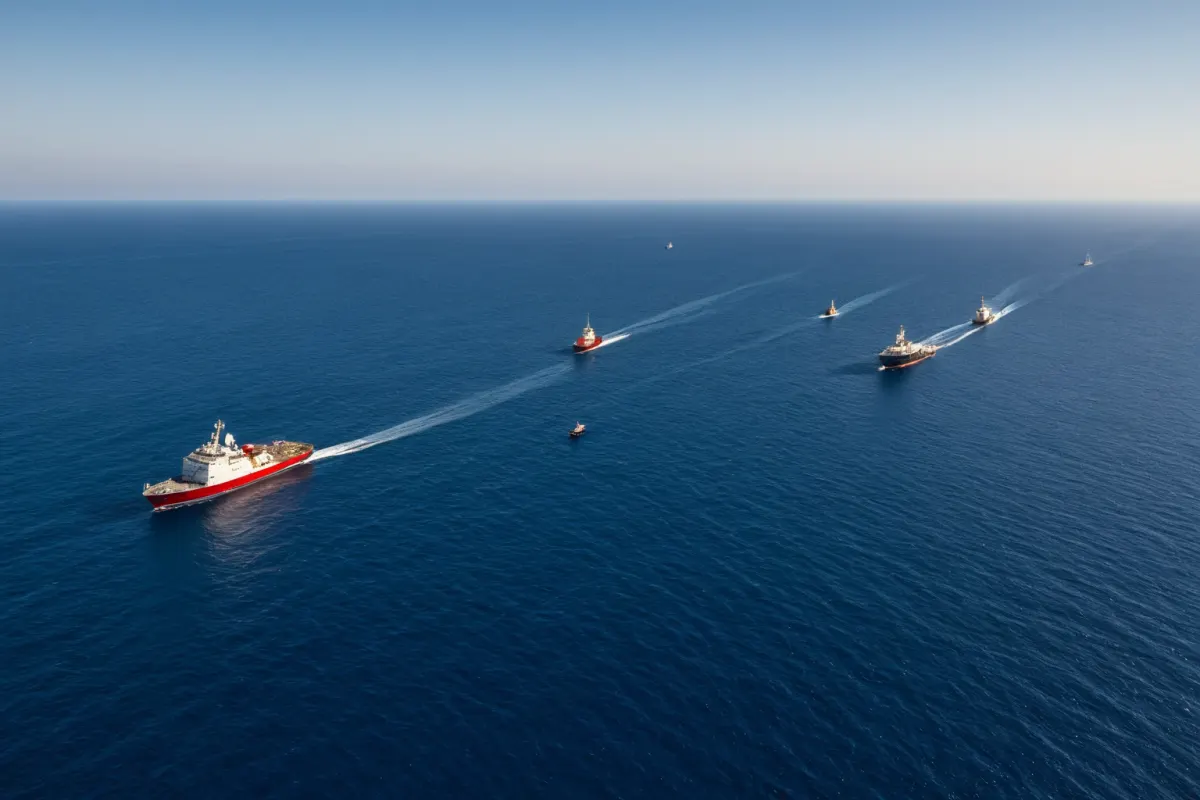
The Houthi militia has attacked Saudi Aramco oil facilities and military supply vessels in the Red Sea using drones and missiles, declaring a blockade of the Red Sea. The UN issued an emergency warning, while Saudi Arabia is pushing to establish a multinational naval defense coalition. The US also reported missile strikes on cargo ships violating Iran's maritime blockade.
Houthi Militia Attacks and International Response
The Houthi militia claims to have attacked Saudi Aramco oil facilities with drones, as reported by the UN on August 13, and targeted military supply vessels with missiles in the Red Sea. Such actions are classified under international law as piracy, prompting the UN to issue an emergency warning following the incident.
Saudi Arabia is advancing plans to establish a multinational naval defense coalition for Red Sea protection, announced on July 31. The coalition aims to resolve maritime disruptions caused by Houthi attacks and stabilize international trade routes. Saudi Foreign Ministry stated the coalition is expected to be formed by 2026, with the US and European nations currently exploring participation.
The Saudi-led multinational naval defense coalition focuses on strengthening maritime security in accordance with international law. Member states plan activities including maritime border surveillance, vessel safety inspections, and establishing response systems for attacks. European participation is anticipated to bolster international trust, emphasizing the need for collective action against Houthi attacks.
Incident Details and Scale of Damage
On August 11, a Saudi military supply ship was struck by missiles in a Houthi attack, resulting in the deaths of 4-6 crew members. According to UN reports, this incident marks the first major attack recorded in the Red Sea region. Notably, the vessel was transporting both military supplies and oil at the time, drawing attention to its potential impact on global energy markets.
On August 15, a weapons transport ship was reported burned at Yemeni ports after being attacked. This suggests Houthi attacks are expanding into Yemen's interior, complicating efforts to ease international tensions. The attack at Yemeni ports has been viewed as underscoring the need for joint defense measures by Saudi Arabia and the US.
These attacks appear to be escalating toward broader targeting of ships in the Red Sea and Bab el-Mandeb Strait. After attacking two Saudi oil tankers, the Houthi militia declared a 'Red Sea blockade,' leading to the suspension of operations at Yemen's Al-Mokha port. The shutdown of Yemeni ports directly affects international trade, particularly as oil and military supply routes are disrupted, potentially increasing volatility in energy markets.
Causes of Houthi Attacks and International Relations
The Houthi militia is believed to be supported by Iran, with US missile strikes on cargo ships violating Iran's maritime blockade interpreted as their response. However, the Iranian government has not issued an official statement regarding the incident. Iran has historically backed the Houthis to expand its influence in the Middle East, adding complexity to international relations.
US-Iran negotiations have stalled, hindering efforts to ease regional tensions. With prolonged closure of the Hormuz Strait, oil transportation via Red Sea routes is expanding, highlighting the growing importance of the Red Sea corridor for global energy markets. Saudi Arabia and the US are collaborating to stabilize this route.
The US response reportedly involves missile strikes on cargo ships violating Iran's maritime blockade. While this can be viewed as a lawful measure under international law, some experts debate whether it constitutes excessive force. The UN Security Council plans further review of the matter, with international legal experts discussing whether Houthi attacks qualify as piracy.
Legal Framework for Response
Houthi militia attacks could be classified under international law as piracy or acts of armed conflict. Thus, Saudi Arabia and the US believe a response grounded in international law is necessary. Saudi Arabia is advancing plans to establish a multinational naval defense coalition, working with the UN to stabilize the Red Sea.
Saudi Arabia and the US are exploring joint measures under international law to strengthen maritime security. This aims to prevent Houthi attacks and maintain safe international trade routes. With confirmed European participation, the multinational naval defense coalition could gain greater international trust, reinforcing the necessity of collective action against Houthi attacks.
The UN Security Council plans a thorough review of legal issues related to Houthi attacks. The International Court will likely determine whether such actions qualify as piracy, setting important precedents for future responses to similar incidents.
Key Points to Verify
Whether Houthi militia attacks are classified as piracy under international law will be determined by further UN reports and court rulings. Additionally, the effectiveness of Saudi and US response measures in stabilizing the Red Sea remains a critical point to monitor.
The US missile strikes on cargo ships violating Iran's maritime blockade remain debated over whether they constitute lawful action or excessive force. This issue is expected to be central to future efforts to ease Middle East tensions. Readers are advised to follow UN reports and court rulings, as well as Saudi and US response strategies.
If successfully established, Saudi Arabia's multinational naval defense coalition could contribute to stabilizing Red Sea trade routes, easing disruptions caused by Houthi attacks and reducing volatility in energy markets.
Frequently Asked Questions
Are Houthi militia attacks violations of international law?
Houthi militia attacks are considered piracy under international law and classified as acts that provoke armed conflict.
What is the impact of the Red Sea blockade on global trade?
The Red Sea blockade may cause oil transport routes to divert, potentially leading to maritime disruptions and price increases.
How likely is Saudi Arabia's multinational naval defense coalition to succeed?
The success of the coalition depends on international cooperation and UN support.
You can view similar articles in one place.
View Related ArticlesFAQ
Are Houthi militia attacks violations of international law?
Houthi militia attacks are considered piracy under international law and classified as acts that provoke armed conflict.
What is the impact of the Red Sea blockade on global trade?
The Red Sea blockade may cause oil transport routes to divert, potentially leading to maritime disruptions and price increases.
How likely is Saudi Arabia's multinational naval defense coalition to succeed?
The success of the coalition depends on international cooperation and UN support.
Korean Source
This article is an English localization of a Korean-language report from BlogScore. Original: 후티 반군 수송선 공격, 국제법에 따른 대응은?