
Houthi Militants' Attack on Saudi Supply Ship Threatens Maritime Security
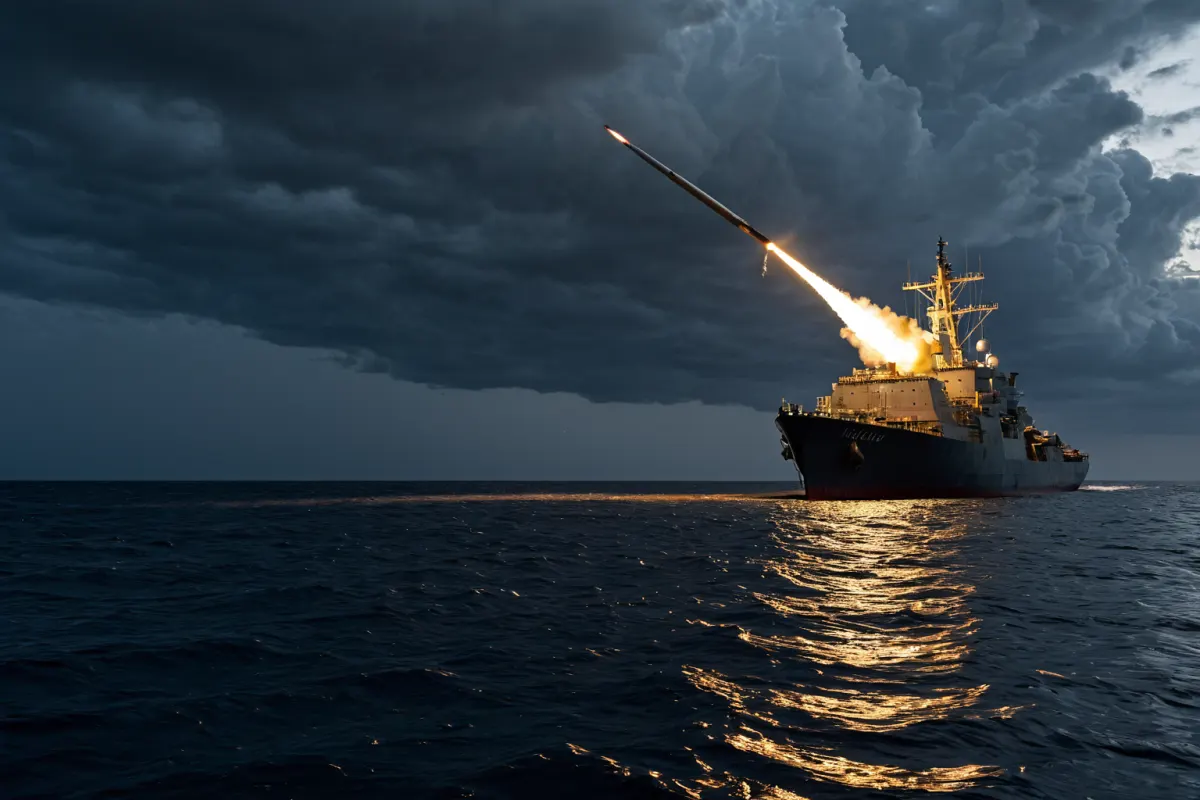
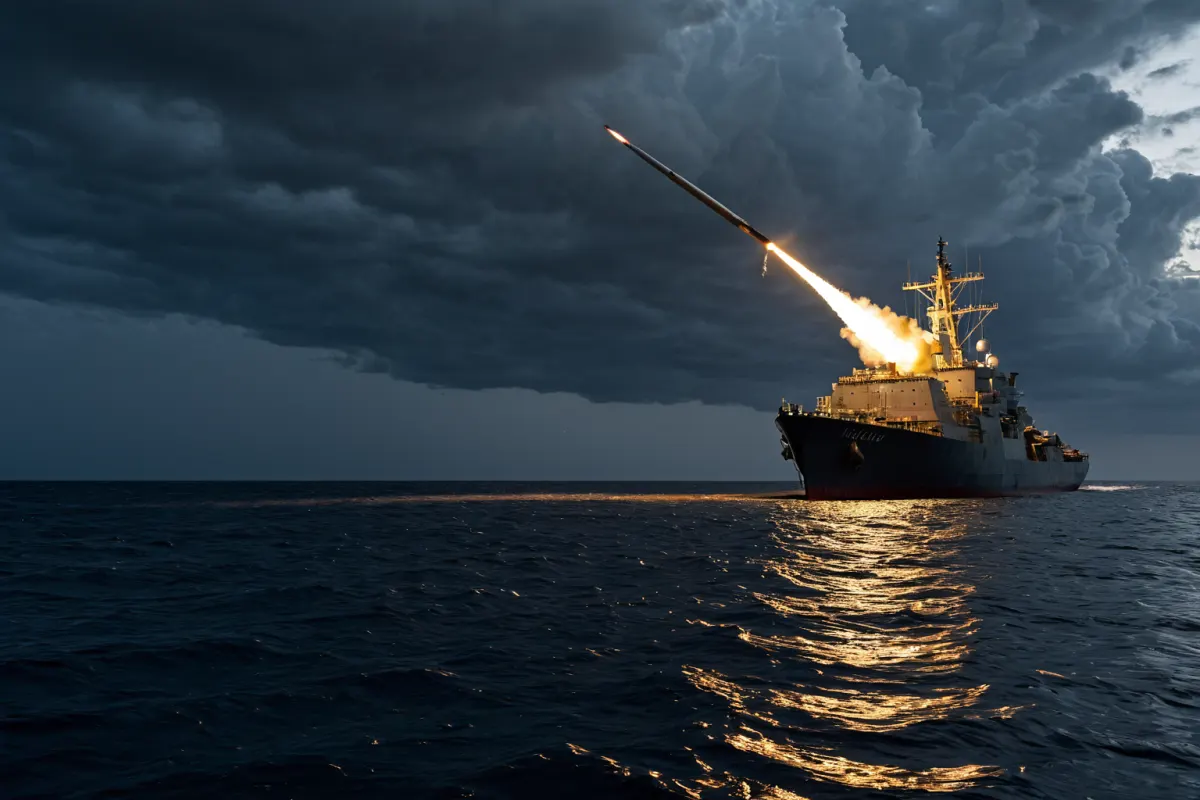
Houthi Militants' Attack and Deteriorating Maritime Security
The Houthi militants' attack on a Saudi military supply ship has severely worsened maritime security in the Red Sea. This marks the first fatal commercial vessel strike since Iran's war, prompting the formation of a US-led multinational naval coalition. Reports indicate that US forces fired missiles at a ship attempting to breach an Iranian blockade.
Details of the Houthi Militants' Attack
Following the announcement on July 31st of a Saudi-led multinational maritime defense coalition, the Houthis claimed to have attacked two Saudi military supply ships in the Red Sea. According to reports dated August 11th, the attack resulted in six deaths. Houthi media also reported drone strikes targeting Saudi Aramco oil facilities in the Red Sea, significantly impacting maritime security and energy markets.
International oil prices rose to $83.27 per barrel on August 12th, with Brent crude nearing $90 per barrel, reflecting market volatility due to ongoing tensions between the US and Iran.
International Response and Economic Impact
China and Russia have rejected a UN resolution calling for the opening of the Strait. This rejection coincides with efforts by Saudi Arabia to establish a multinational coalition, heightening international tensions. The US reportedly fired missiles at cargo ships violating an Iranian maritime blockade, potentially worsening relations between the two nations.
The Red Sea has seen frequent attacks on Saudi military supply vessels by Houthi militants. The August 11th attack is noted as the first fatal commercial vessel strike since Iran's war, drawing significant international attention. Six crew members were reported dead from the attack, marking the largest casualty count attributed to Houthi attacks.
On August 5th, reports emerged that 14 countries joined Saudi Arabia's 'Red Sea Maritime Defense Coalition,' aiming to strengthen maritime security. However, the Houthi attacks have posed a significant challenge to these efforts.
Rising Oil Prices and International Tensions
International oil prices rose to $83.27 per barrel on August 12th, with Brent crude approaching $90 per barrel as global markets reacted to Middle East tensions. US oil inventories have reportedly surged, contributing to market instability.
China and Russia's rejection of the UN Strait Opening resolution may signal a strengthening relationship between these nations and Iran, potentially reshaping international energy policies.
The US missile strike on cargo ships violating an Iranian blockade is seen as a response amid heightened tensions between the US and Iran. This incident poses a risk to regional stability in the Middle East.
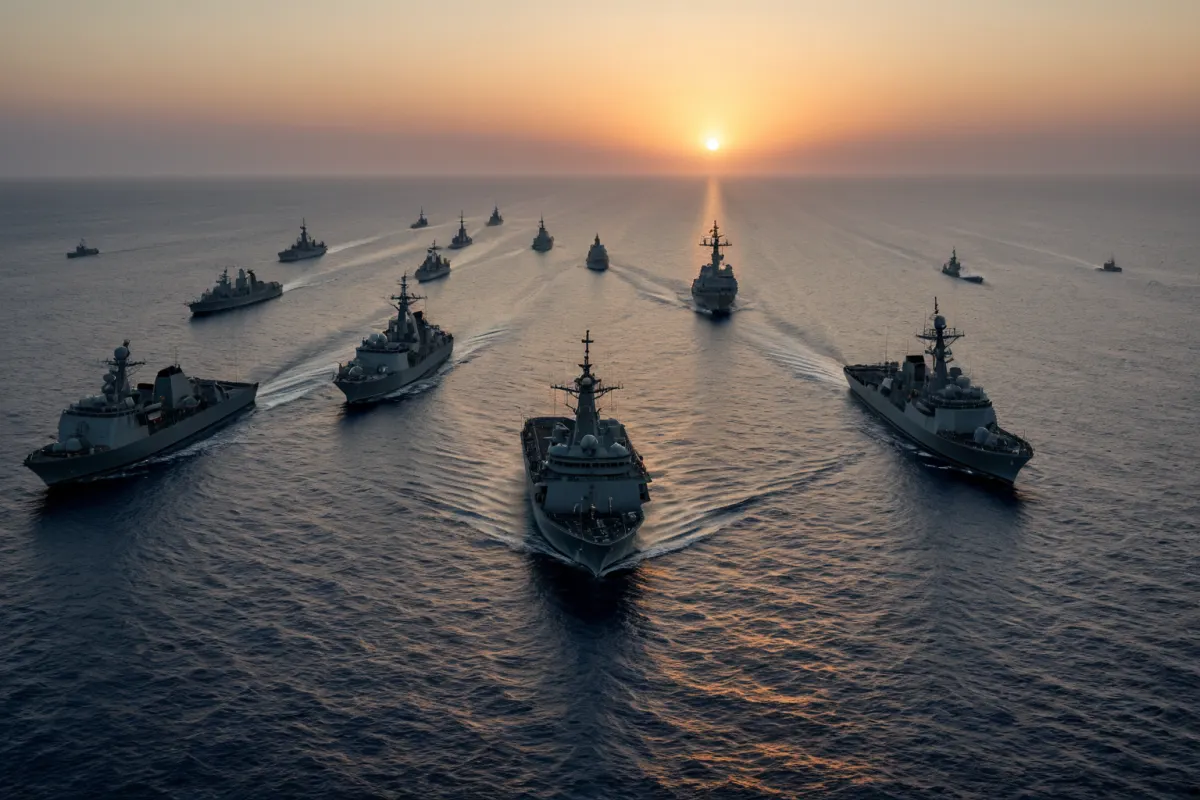
Saudi-Led Multinational Maritime Defense Coalition
The Saudi-led multinational maritime defense coalition was announced on July 31st. By August 5th, reports indicated that 14 countries had joined the coalition to strengthen international responses. However, Houthi attacks have challenged these efforts.
The attack on a Saudi military supply ship is considered the first fatal commercial vessel strike since Iran's war, sparking significant international debate. According to August 11th reports, Houthis attacked the ship with missiles, resulting in six fatalities. This incident connects with Houthi media claims of drone strikes targeting Red Sea-based Saudi Aramco oil facilities.
China and Russia Reject UN Resolution
China and Russia have rejected a UN resolution calling for the opening of the Strait. This rejection coincides with Saudi-led coalition efforts, heightening international tensions. China has expressed concern over Trump's 'end of civilization' remarks, viewing the resolution as potentially provocative.
The rejection of the UN resolution signals a potential new phase in international energy policy, which could impact Middle East stability and global trade.
Economic Impact of Houthi Attacks
Worsening maritime security due to Houthi attacks has led to rising oil prices. International oil prices reached $83.27 per barrel on August 12th, with Brent crude nearing $90 per barrel as markets reacted to Middle East tensions.
The rejection of the UN resolution by China and Russia could weaken regional stability despite Saudi-led coalition efforts, potentially affecting global trade significantly.
Verified Information
The report of six deaths from the attack on a Saudi military supply ship was confirmed by Houthi media and major news outlets. This incident is noted as the first fatal commercial vessel strike since Iran's war, sparking significant international debate. However, specific details about the time and location of the attack remain unclear.
Reports indicate that the US fired missiles at cargo ships violating an Iranian maritime blockade, though a direct link to Houthi attacks has not been established. This action is believed to stem from ongoing tensions between the US and Iran amid stalled negotiations.
Frequently Asked Questions
How have Houthi militants' attacks affected global oil prices?
The Houthi attacks on Red Sea shipping have worsened maritime security, leading to a rise in international oil prices to $83.27 per barrel. Brent crude has approached $90 per barrel as markets react to Middle East tensions.
Why did China and Russia reject the UN Strait Opening resolution?
China expressed concern over Trump's 'end of civilization' remarks, viewing the resolution as potentially provocative. Russia adopted a similar stance.
How is the Saudi-led multinational maritime defense coalition structured?
The coalition was announced on July 31st and reported to have gained participation from 14 countries by August 5th. This coalition aims to strengthen maritime security in response to Houthi attacks.
Frequently Asked Questions
The Houthi militants' attack on a Saudi military supply ship has worsened maritime security, leading to rising oil prices and international tensions. The formation of a Saudi-led multinational naval coalition represents the key international response. US missile strikes on Iranian blockade-violating vessels and China/Russia's rejection of UN resolutions reflect broader economic and political impacts, all of which could significantly affect Middle East stability.
You can view similar articles in one place.
View Related ArticlesFAQ
How have Houthi militants' attacks affected global oil prices?
The Houthi attacks on Red Sea shipping have worsened maritime security, leading to a rise in international oil prices to $83.27 per barrel. Brent crude has approached $90 per barrel as markets react to Middle East tensions.
Why did China and Russia reject the UN Strait Opening resolution?
China expressed concern over Trump's 'end of civilization' remarks, viewing the resolution as potentially provocative. Russia adopted a similar stance.
How is the Saudi-led multinational maritime defense coalition structured?
The coalition was announced on July 31st and reported to have gained participation from 14 countries by August 5th. This coalition aims to strengthen maritime security in response to Houthi attacks.
Korean Source
This article is an English localization of a Korean-language report from BlogScore. Original: 후티 반군 수송선 공격, 해상 안보에 미치는 영향