
House Citrus vs. Jeju Citrus: A Taste and Quality Comparison
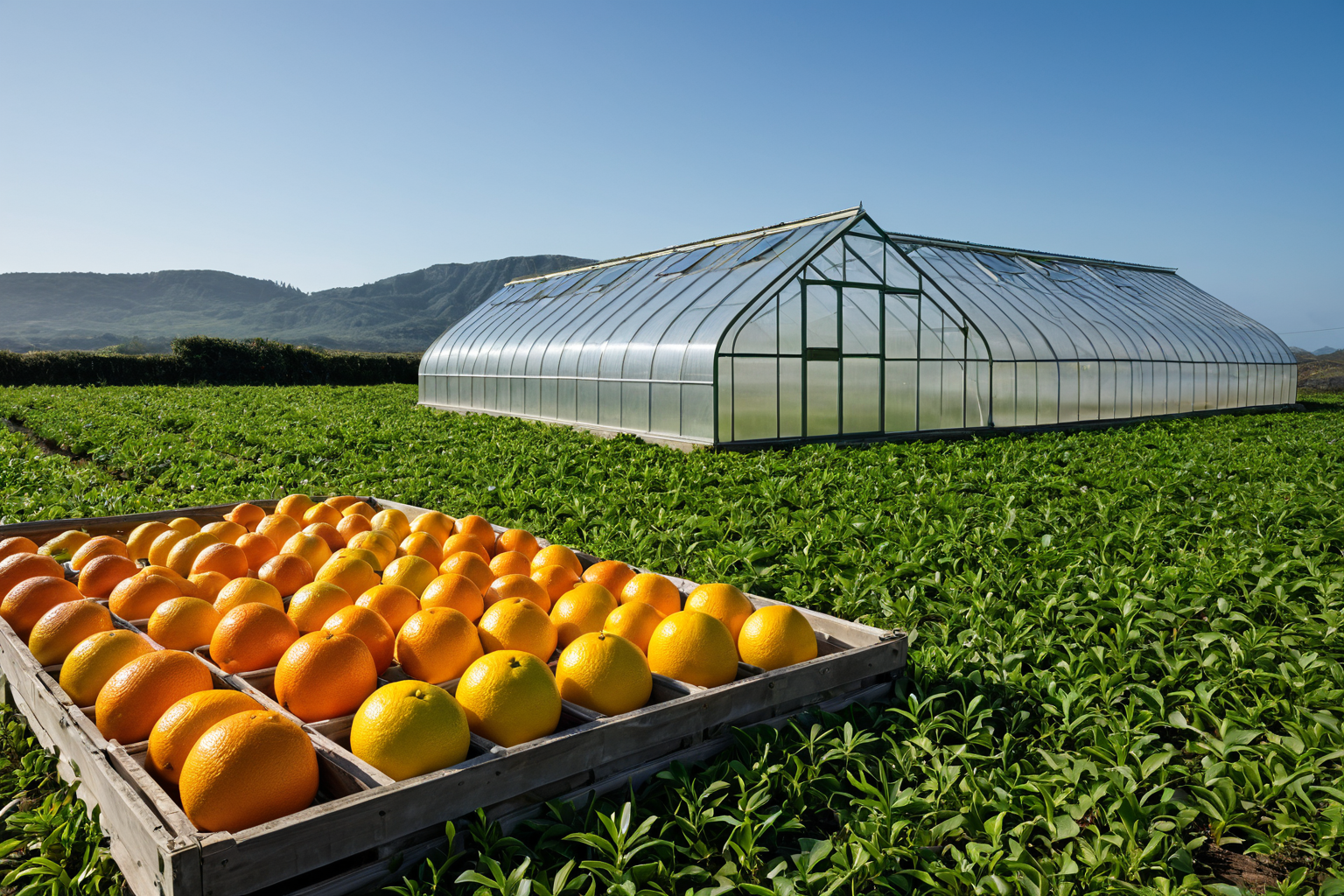
Difference Between House Citrus and Jeju Citrus
House citrus is grown in plastic greenhouses, allowing for earlier harvesting with higher sugar content. In 2026, Jeju Province forecasts a production volume of 426,900 tons of field-grown citrus, but the market has seen a price decline due to increased house citrus supply. This is because house citrus harvests earlier and has higher productivity than field-grown citrus, leading to an oversupply in the market.
Production Methods and Productivity
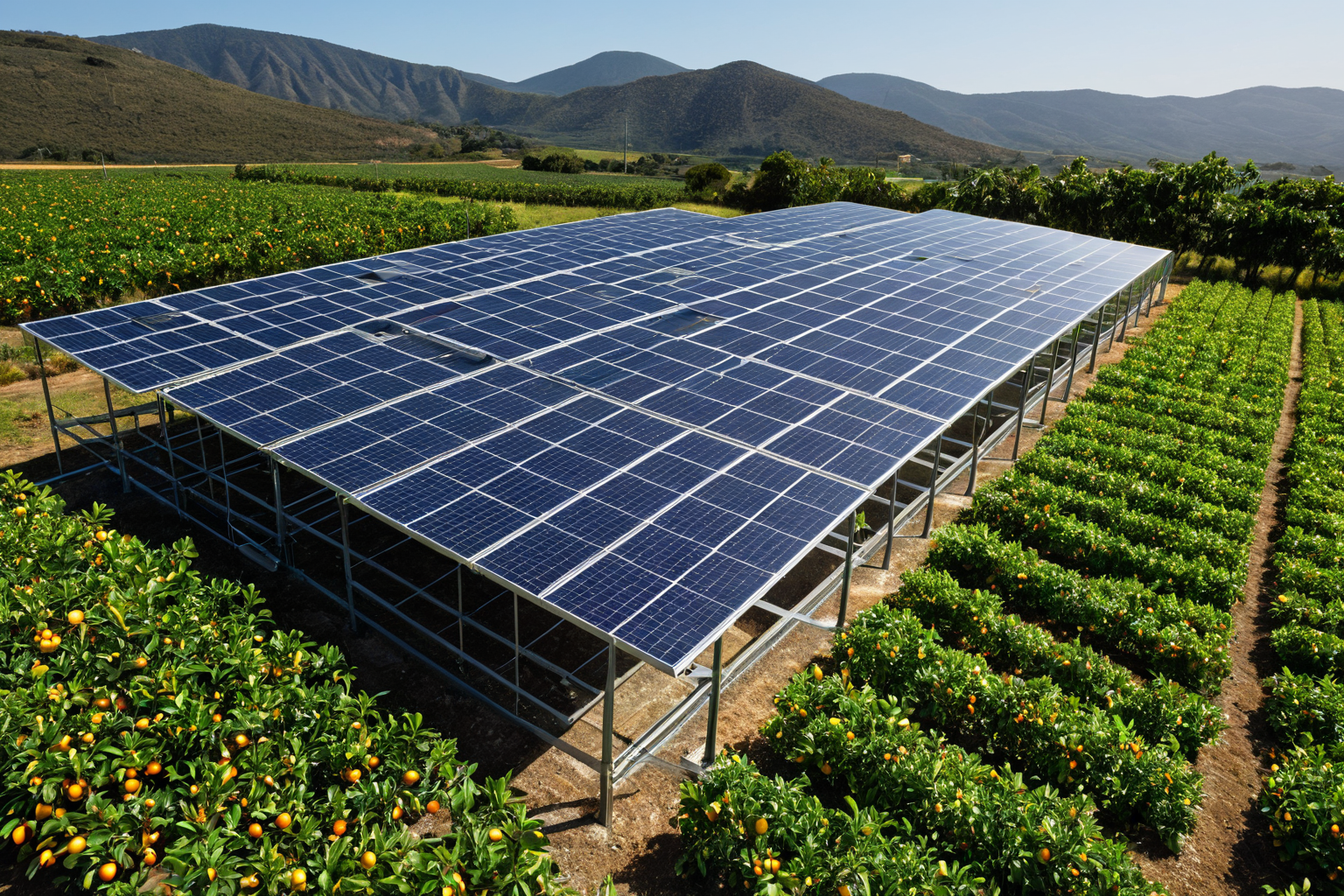
House citrus can be cultivated in greenhouses to control harvesting time and increase sugar content. Jeju Province has achieved a renewable energy share of 20% as of 2023, which is 2.4 times the national average (8.5%). This success comes from expanding solar power and heat pump-based energy self-sufficiency models. For instance, the Seogwipo Agricultural Technology Center has been piloting a RE100 citrus production model since 2023, installing solar panels (6kW) and Energy Storage Systems (ESS, 20kW capacity) to power greenhouse operations directly.
Expansion of Specialty Citrus Varieties
Varieties like Cheonhye-hyang, Huanggeun-hyang, and Red-hyang are gaining popularity for their high sugar content and earlier harvest times. Jeju citrus has been developed to be consumed year-round, not just in winter. In 2025, there was a surge in media coverage around these specialty varieties, with many content pieces promoting summer citrus consumption. These varieties—Cheonhye-hyang, Huanggeun-hyang, and Red-hyang—are now among the most popular Jeju citrus types due to their high sugar levels and early harvest.
Carbon Neutrality and Energy Efficiency
The Seogwipo Agricultural Technology Center is piloting a RE100 citrus production model using solar panels (6kW) and ESS (20kW capacity) to power greenhouse operations. The system uses electricity generated during the day immediately, storing excess in ESS for nighttime or power outages. Heat pumps are over three times more energy-efficient than electric heaters and significantly reduce carbon emissions. For example, Hyun Dong-gyu from Namwon-eup, Taehyeong-ri, reduced fuel costs by two-thirds after installing a heat pump, with the investment expected to pay off in 5–6 years.
Industry Outlook for 2026
In 2026, Jeju Province plans to launch pilot projects for house citrus cultivation and field-grown specialty citrus. This includes a 223 million won project by the Seogwipo Agricultural Technology Center under the 'Specialized Variety Development Pilot Project' to verify the feasibility of field-grown specialty citrus. House citrus supply increased by 8.2% compared to last year, contributing to price declines. Jeju has reduced its field citrus cultivation area from 24,261 hectares in 2000 to 13,994 hectares in 2024—a 42% decrease—but total production has increased due to higher productivity. This shift is part of the broader expansion of house citrus cultivation.
Frequently Asked Questions
House citrus is grown in plastic greenhouses for earlier harvests and higher sugar content.
Varieties like Cheonhye-hyang, Huanggeun-hyang, and Red-hyang have high sugar levels and earlier harvest times.
The RE100 citrus production model uses solar power and ESS to reduce energy costs and carbon emissions simultaneously.
FAQ
What is house citrus?
House citrus is grown in plastic greenhouses, allowing for earlier harvesting with higher sugar content.
Why are specialty citrus varieties popular?
Varieties like Cheonhye-hyang, Huanggeun-hyang, and Red-hyang have high sugar levels and earlier harvest times.
How does the RE100 model work?
The RE100 citrus production model uses solar power and energy storage systems to reduce energy costs and carbon emissions.
Korean Source
This article is an English localization of a Korean-language report from BlogScore. Original: 하우스감귤 vs 제주감귤, 맛과 품질 차이 분석