
Hormuz Strait Blockade Expected to Impact Gas Market Prices
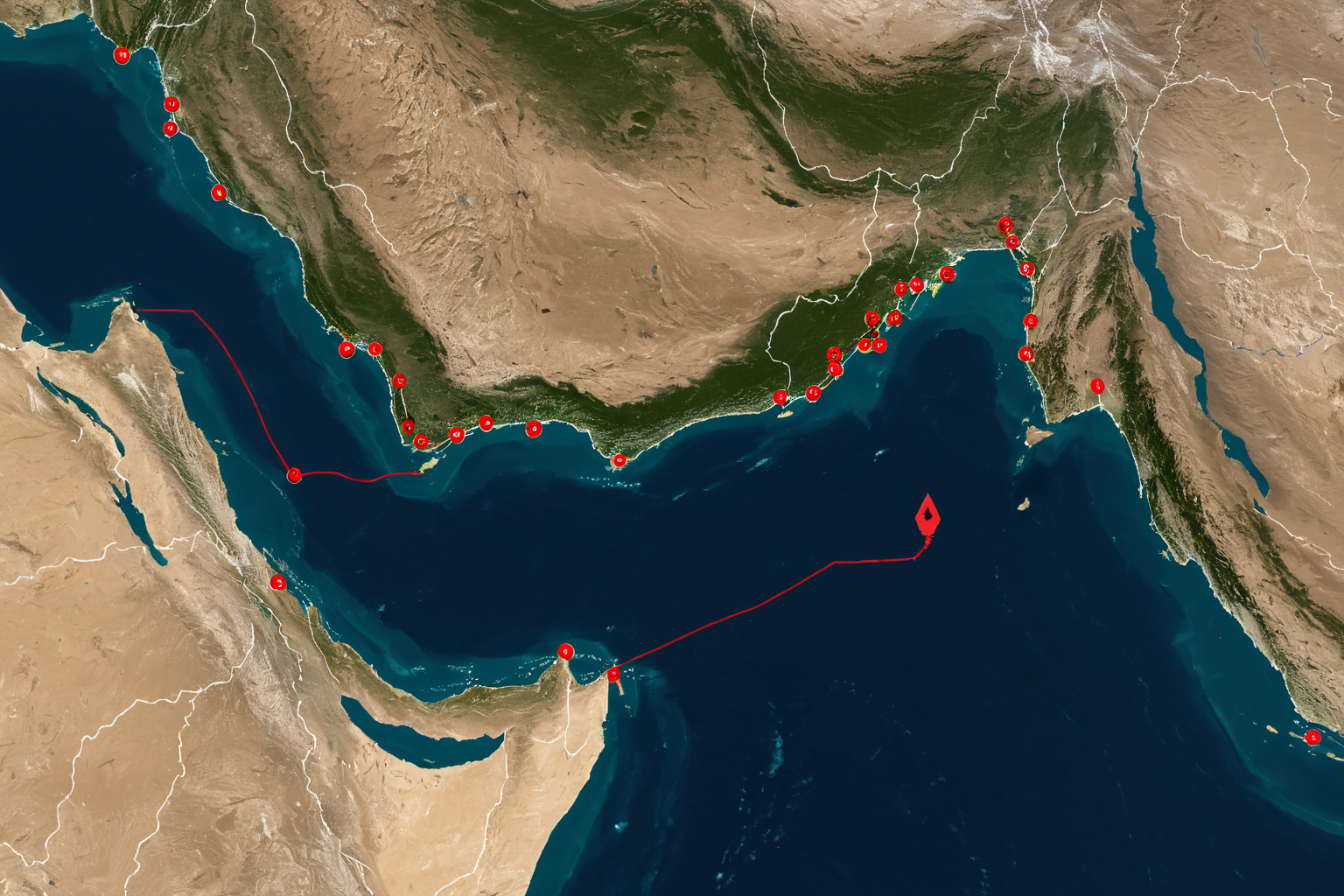
Economic Impact of Hormuz Strait Blockade
The rise in oil prices and fluctuations in the natural gas market due to the blockade of the Strait of Hormuz have already become a reality. Brent crude prices rose by 3.4%, while European natural gas prices plummeted amid expectations of an Iran nuclear deal, reflecting complex market movements.
Hormuz Strait Blockade and Oil Price Fluctuations
The blockade has severely disrupted energy supply chains in the Middle East, pushing Brent crude prices up by 3.4%. South Korea, which imports 70% of its oil through Iranian routes, is directly affected.
On March 1, 2026, the Hormuz Strait blockade crisis triggered an emergency for South Korea's energy security. Subsequent supply disruptions due to Middle East conflicts have kept oil prices elevated.
Korea's Energy Supply Situation
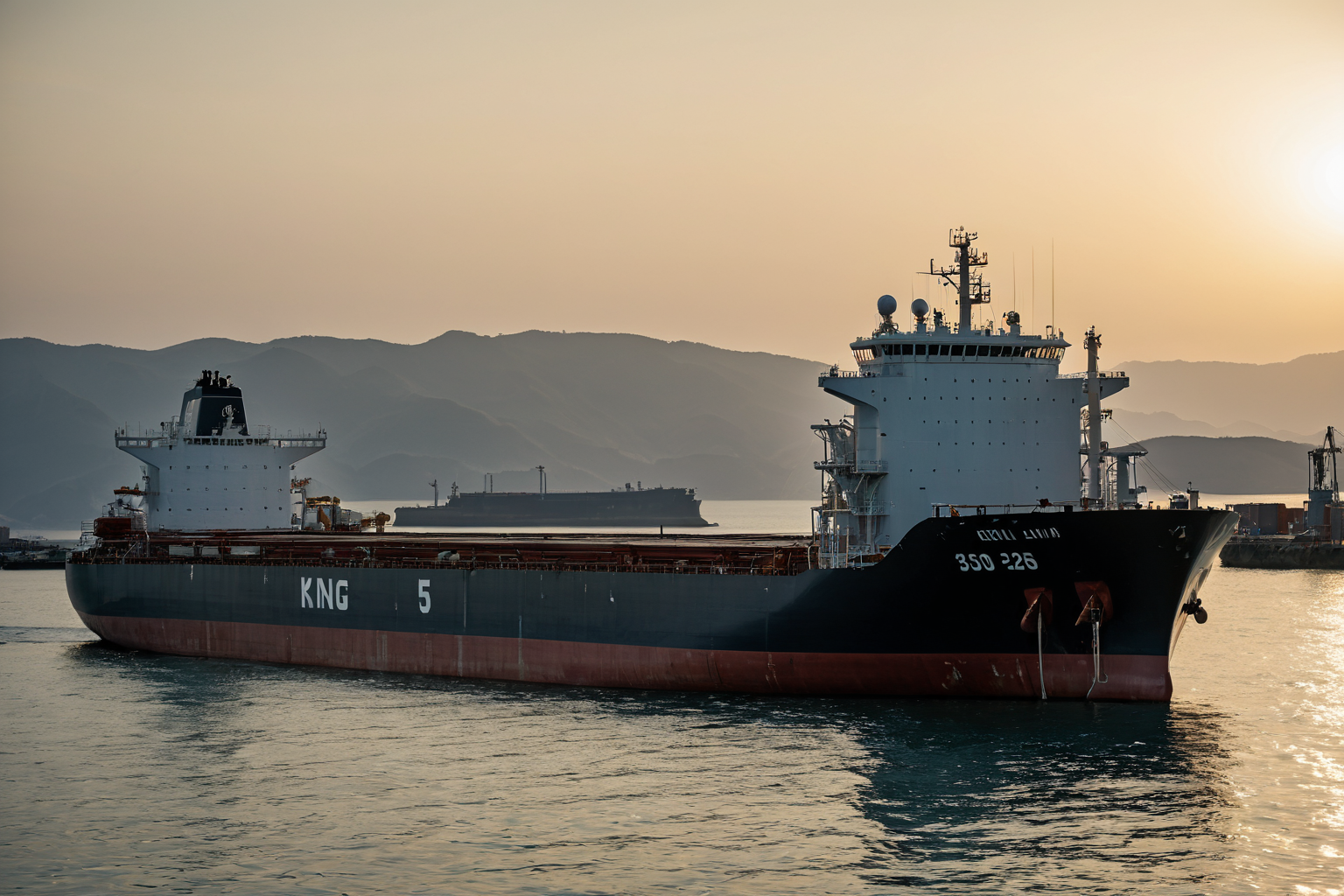
As a country importing 70% of its oil through Iranian routes, South Korea faces heightened supply tensions due to the Strait blockade. LNG trading has effectively halted, with seven tankers waiting in standby, leading to rising freight costs and increased burdens for shippers.
Even after a ceasefire on March 8, 2026, uncertainty over Hormuz Strait passage continues, keeping the seven tankers in standby and supply tensions ongoing. This reflects a comprehensive emergency in marine energy supply chains.
On April 8, 2026, Kogas (Korea Gas Corporation) began actively restructuring its LNG strategy to stabilize South Korea's energy supply—a necessary step for stability.
Correlation with European Markets
European natural gas prices dropped due to expectations of an Iran nuclear deal but could rise again if supply disruptions from the Hormuz Strait blockade persist long-term. On September 15, 2026, a combination of European heatwaves and the Hormuz crisis is expected to trigger a surge in gas prices.
Delays in U.S.-Iran negotiations may lead to prolonged economic challenges globally, potentially bringing Asian countries face the largest currency crisis since the IMF era. This highlights how the Hormuz Strait blockade extends beyond an energy issue into global economic structures.
Long-Term Impact of Hormuz Strait Blockade
The Strait blockade has significantly slowed global trade growth rates, as supply chain disruptions stem from Middle East conflicts.
Prolonged Middle East tensions have led to a sharp increase in gas shipping freight rates, boosting expectations for K-shipbuilding orders. This demonstrates additional economic ripple effects of the Hormuz Strait blockade.
Forecasting Gas Market Fluctuations
If the Hormuz Strait blockade continues, oil prices could reach the $100-per-barrel era. However, this remains speculative and depends on U.S.-Iran negotiation outcomes—a prediction not yet confirmed.
Given that South Korea imports 70% of its oil through Iranian routes, supply disruptions from the Hormuz Strait blockade are particularly severe. Kogas' LNG strategy restructuring is a critical response measure.
Since March 2026, European natural gas prices have dropped due to Iran nuclear deal expectations but may rise again if Hormuz Strait supply issues persist long-term. Europe could face a potential gas price surge this winter due to heatwaves and the Hormuz crisis.
Korea's Response Strategy
To minimize energy supply disruptions, Kogas is actively restructuring its LNG strategy. This proactive step aims to address long-term impacts from the Hormuz Strait blockade.
Hanjin Heavy Industries and Construction (HHC) is analyzing the impact of the Hormuz Strait passage restrictions while exploring policy directions for South Korea's energy security—a crucial preemptive measure against supply disruptions.
Key Points to Monitor in Gas Market Fluctuations
If the Hormuz Strait blockade continues, oil price increases and natural gas market fluctuations will intensify. South Korea’s heavy reliance on Iranian routes for 70% of its oil imports exacerbates supply tensions.
The March 5, 2026 incident—where Middle East conflicts caused supply disruptions and kept oil prices high—is a confirmed example of the direct impact of the Hormuz Strait blockade.
With LNG trading effectively halted and seven tankers waiting in standby, freight cost increases and rising shipper burdens are concrete examples of supply tension. These economic pressures continue to mount.
Frequently Asked Questions
How does the Hormuz Strait blockade affect South Korea's energy supply?
South Korea imports 70% of its oil through Iranian routes, so the Strait blockade has intensified supply tensions. LNG trading has effectively halted, with seven tankers waiting in standby, causing rising freight costs and increased shipper burdens.
Why did European natural gas prices drop sharply?
European natural gas prices dropped due to expectations of an Iran nuclear deal. However, if supply disruptions from the Hormuz Strait blockade persist long-term, prices could rise again.
What are the long-term effects of the Hormuz Strait blockade?
Delays in U.S.-Iran negotiations may lead to prolonged economic challenges globally, potentially bringing Asian countries face the largest currency crisis since the IMF era. The Hormuz Strait blockade extends beyond an energy issue into global economic structures.
Frequently Asked Questions
The gas market fluctuations due to the Hormuz Strait blockade are already evident, with South Korea's energy supply situation being critical. Brent crude prices rose 3.4%, and European natural gas prices dropped amid Iran nuclear deal expectations—a complex mix of market changes.
South Korea is working to minimize supply disruptions through Kogas' LNG strategy restructuring, a key medium-term response. Whether the Hormuz Strait blockade continues and outcomes of U.S.-Iran negotiations will be critical factors influencing gas market fluctuations.
You can view similar articles in one place.
View Related ArticlesFAQ
How does the Hormuz Strait blockade affect South Korea's energy supply?
South Korea imports 70% of its oil through Iranian routes, so the Strait blockade has intensified supply tensions. LNG trading has effectively halted, with seven tankers waiting in standby, causing rising freight costs and increased shipper burdens.
Why did European natural gas prices drop sharply?
European natural gas prices dropped due to expectations of an Iran nuclear deal. However, if supply disruptions from the Hormuz Strait blockade persist long-term, prices could rise again.
What are the long-term effects of the Hormuz Strait blockade?
Delays in U.S.-Iran negotiations may lead to prolonged economic challenges globally, potentially bringing Asian countries face the largest currency crisis since the IMF era. The Hormuz Strait blockade extends beyond an energy issue into global economic structures.
Korean Source
This article is an English localization of a Korean-language report from BlogScore. Original: 호르무즈 해양 통항 차단, 가스 시장 가격 변동 예상