
Hormuz Strait Blockade: Causes and International Response Strategies
Global Energy Market Shock from Hormuz Strait Blockade
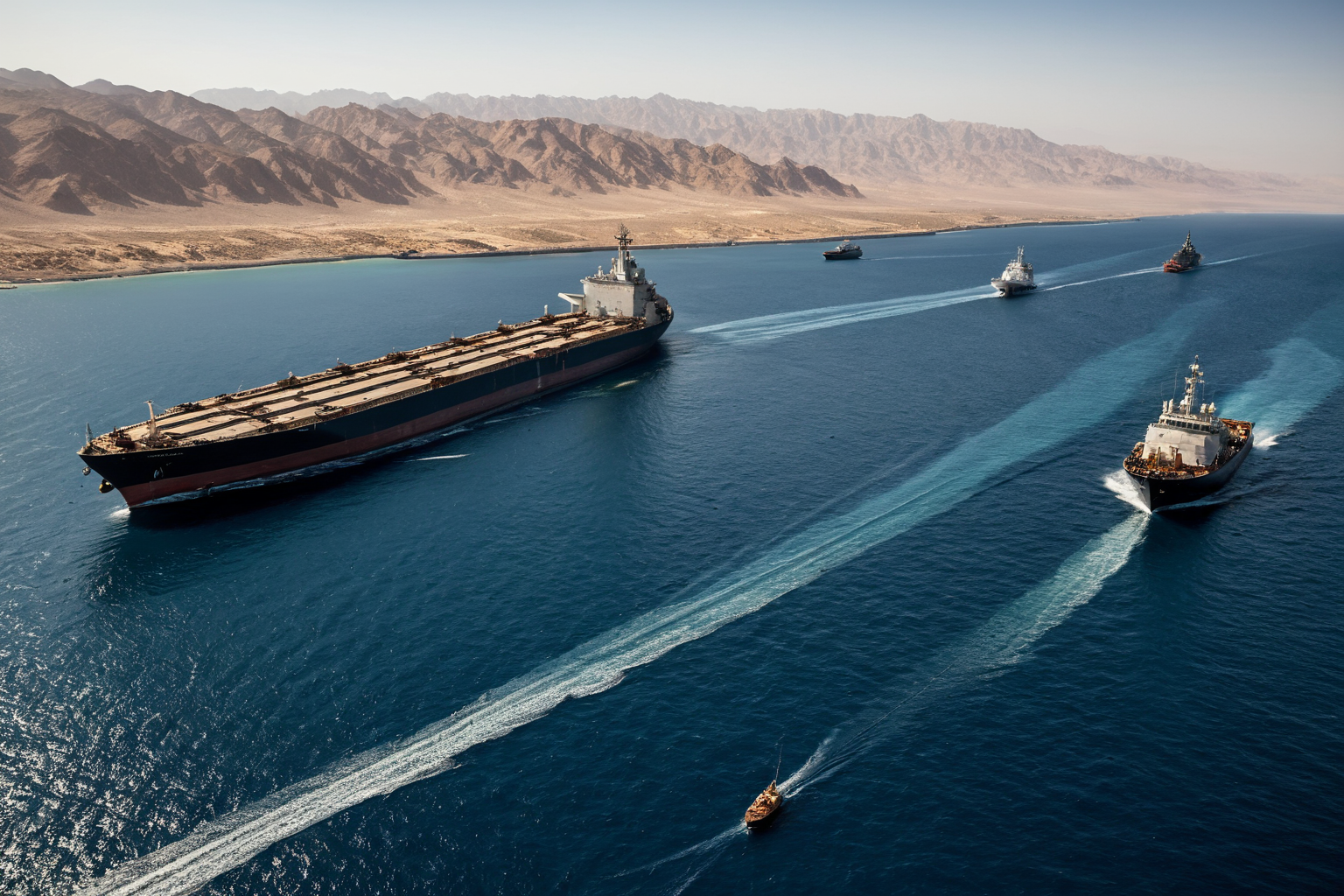
The blockade of the Hormuz Strait has caused severe disruptions to global energy and grain markets. Following Iran's blockade measures, oil prices and LPG import costs have reached historic highs, with no viable trucking alternative due to inefficiencies in land transport. Since April 2026, when Iran began its maritime blockade, approximately 1,200 cargo ships have been stranded, resulting in $12.5 billion in lost cargo value.
Hormuz Strait Traffic Stagnation and Rising Oil Prices
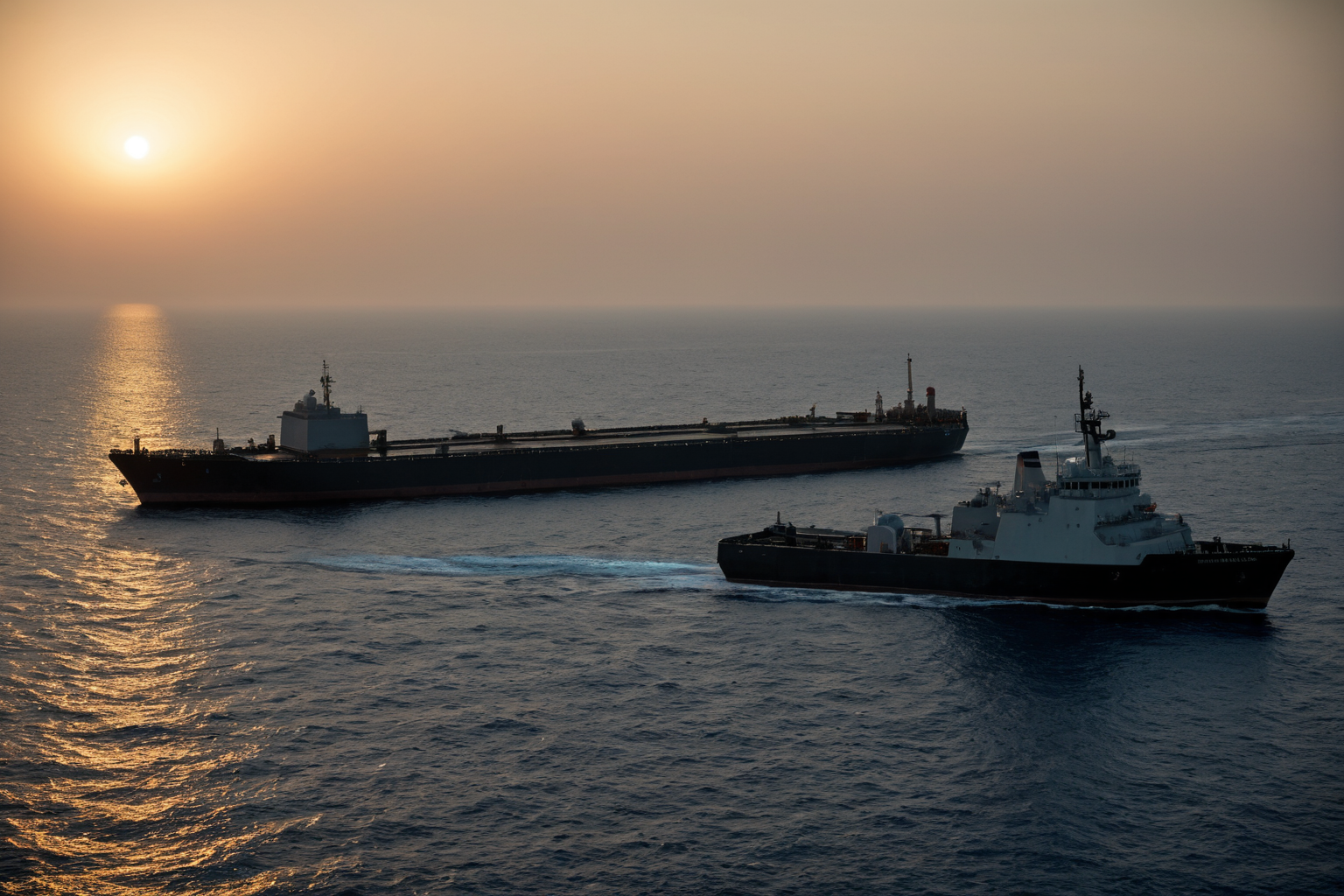
Starting April 13, 2026, following U.S. maritime blockade measures against Iran, traffic through the Hormuz Strait plummeted sharply. This led to a rapid surge in oil prices, nearing $95 per barrel. On April 14, 2026, discussions about Iran's potential control of the Hormuz Strait intensified amid heightened market anxiety following U.S. military actions.
The Hormuz Strait serves as a critical global energy transit route, with thousands of vessels passing annually. However, recent incidents involving Iranian vessel seizures and attacks have paralyzed maritime traffic. On May 12, 2026, reports emerged that oil tankers transiting the strait were turning off tracking devices to move covertly.
Incident Timeline
After Iran's 'cannot return to pre-war conditions' statement on March 18, 2026, a Pandora's box opened regarding the Hormuz blockade. Tensions escalated when U.S. maritime blockade measures began on April 13, 2026. Although the U.S. declared an end to operations on May 6, 2026, attacks on vessels and explosions continued in the Hormuz Strait.
On July 7, 2026, reports surfaced of an oil tanker near the Hormuz Strait being struck by unidentified projectiles, causing a fire. This further heightened safety concerns. Additionally, nuclear issues, sanctions, and the Hormuz Strait became key sticking points in final-stage U.S.-Iran peace negotiations.
Investigating the Blockade Causes
The Hormuz Strait blockade originated from Iranian vessel seizures and attacks. During U.S.-Iran peace talks on May 26, 2026, nuclear issues, sanctions, and the Hormuz Strait emerged as central disputes. Iran's opposition to U.S. maritime blockade measures led to attempts to control the strait.
The U.S. announced it would begin a maritime blockade of Iran starting at 11 PM KST on April 13, 2026. Trump stated that U.S. forces would enforce the Hormuz blockade, citing potential for significant revenue generation. However, due to Iranian opposition, strait traffic remains paralyzed.
Strait traffic stagnation is expected to persist until full reopening. As of June 10, 2026, three months after the closure began, oil prices continue rising. Japan's LPG import costs have also hit historic highs due to the Hormuz blockade and soaring freight rates.
Response and Safety Information
Nations are collaborating to address global energy market shocks caused by the Hormuz Strait paralysis. The U.S. has pledged support for resolving traffic stagnation in Hormuz, as promised by Trump, but vessel attacks continue at a high rate.
Escalating tensions between Iran and the U.S., particularly on May 18, 2026, led to reports of 'national paralysis' with an expected -8.6% economic contraction due to war-related disruptions. Global natural gas demand is projected to decline due to supply shortages, confirmed as of July 10, 2026.
Amid a 'triple crisis' of war, high oil prices, and El Niño, grain prices have also surged. Grain markets are significantly impacted by supply disruptions caused by the Hormuz blockade, a trend observed since U.S. military actions began on April 14, 2026.
Verified Information
Rising oil prices nearing $95 per barrel were reported on April 17, 2026. Japan's LPG import costs reached record highs due to the Hormuz blockade and freight rate surges.
Stranded cargo ships totaling approximately 1,200 vessels have resulted in $12.5 billion in lost cargo value as of June 29, 2026. Additionally, on July 7, 2026, an oil tanker near the Hormuz Strait was struck by unidentified projectiles.
Frequently Asked Questions
Why have oil prices risen due to the Hormuz Strait blockade?
The Hormuz Strait is a critical global energy transit route. Its paralysis has disrupted energy supply, causing oil prices to surge to nearly $95 per barrel.
What is the scale of cargo losses from the Hormuz Strait closure?
About 1,200 cargo ships remain stranded, with $12.5 billion in lost cargo value directly attributed to the blockade.
How long will the traffic stagnation last?
As of June 10, 2026, three months after closure began, traffic remains stagnant, and full reopening is expected to take considerable time.
Frequently Asked Questions
The paralysis of the Hormuz Strait, caused by heightened tensions between Iran and the U.S., has severely disrupted global energy and grain markets. Oil prices have neared $95 per barrel, LPG import costs hit record highs, and trucking alternatives remain inefficient due to transport cost inefficiencies. Grain prices have surged amid a 'triple crisis' of war, high oil prices, and El Niño, with global natural gas demand projected to decline due to supply shortages.
The Hormuz blockade issue is likely to persist unless U.S.-Iran negotiations conclude successfully. Vessel attacks continue, and traffic stagnation suggests the strait will remain closed for an extended period. Global energy market volatility will likely increase, placing significant strain on consumers and businesses. Thus, stabilizing the Hormuz Strait is crucial for global economic stability.
You can view similar articles all in one place.
View Related ArticlesFAQ
Why have oil prices risen due to the Hormuz Strait blockade?
The Hormuz Strait is a critical global energy transit route. Its paralysis has disrupted energy supply, causing oil prices to surge to nearly $95 per barrel.
What is the scale of cargo losses from the Hormuz Strait closure?
About 1,200 cargo ships remain stranded, with $12.5 billion in lost cargo value directly attributed to the blockade.
How long will the traffic stagnation last?
As of June 10, 2026, three months after closure began, traffic remains stagnant, and full reopening is expected to take considerable time.
Korean Source
This article is an English localization of a Korean-language report from BlogScore. Original: 호르무즈 해협 마비 원인과 국제적 대응 방안