
Hongnam Semiconductor Cluster Site Confirmed: Key Development Plans
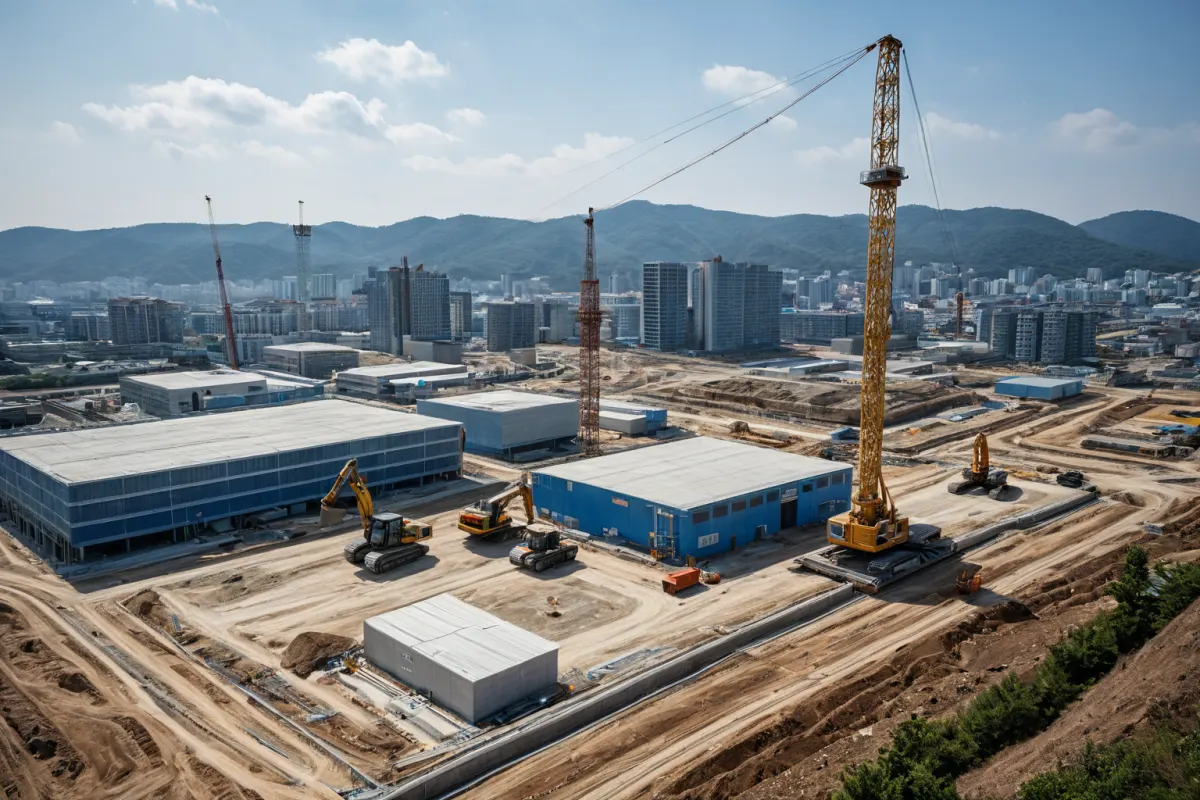
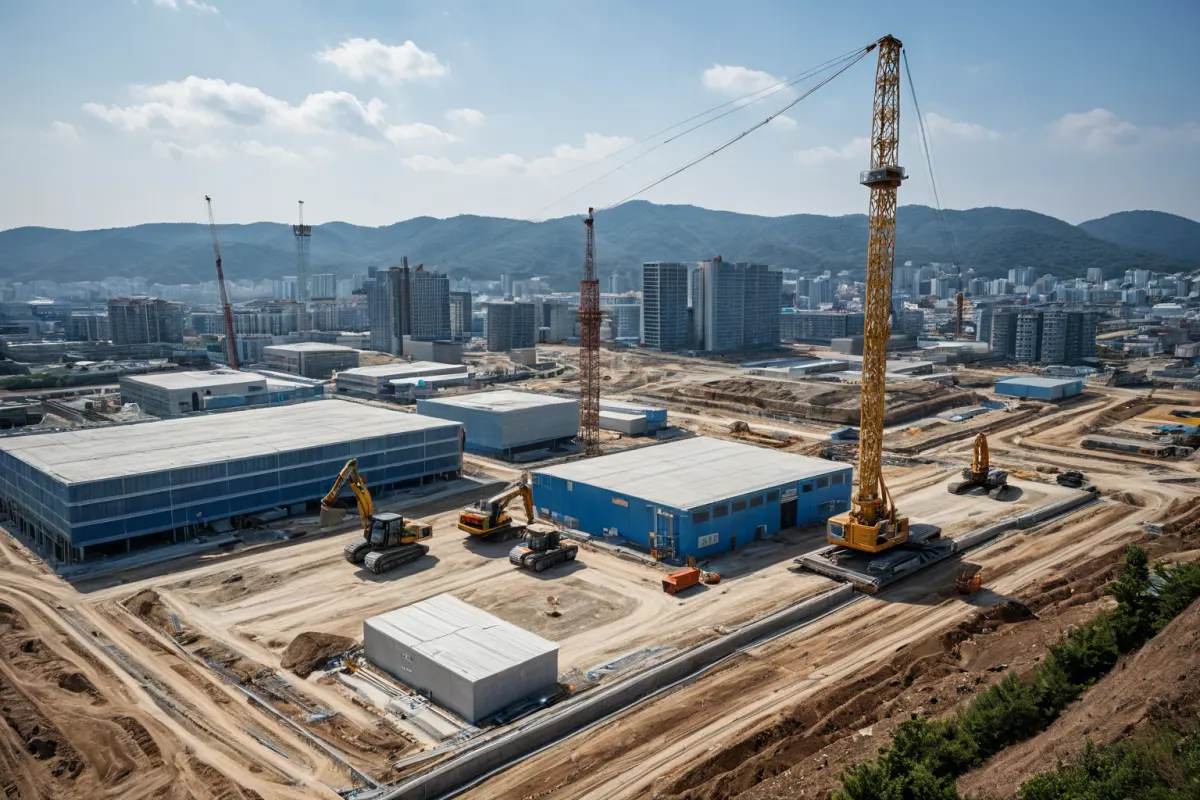
Hongnam Semiconductor Cluster Site Confirmed
Gwangju Military Airport has been confirmed as the site for the Hongnam Semiconductor Cluster. The government will cover 100% of the costs for power and water infrastructure, aiming to complete the first fab by 2029. Gwangju Military Airport has long served both military and civilian aviation purposes, and its relocation is a strategic choice to secure large-scale land needed for semiconductor cluster development. The government selected this site based on its geographical suitability and infrastructure accessibility for semiconductor manufacturing facilities.
Key Development Plan: Power and Water Infrastructure
The main focus of the Hongnam Semiconductor Cluster project is building power and water supply facilities first. The government plans to begin construction of these facilities in July 2027, with the temporary relocation of Gwangju Military Airport operations by 2028. Power infrastructure aims to ensure stable electricity for semiconductor manufacturing, while water management will be integrated with existing regional systems. Notably, this project involves significantly upgrading the current power grid and incorporating renewable energy sources into its sustainable infrastructure design.
Investment Scale and Participating Companies
The government aims to attract investments ranging from 80 trillion to 200 trillion won, with Samsung Electronics and SK Hynix confirmed as major participants. These companies lead globally in semiconductor manufacturing and are expected to play a significant role in establishing collaborative frameworks within the cluster. Samsung plans additional expansion after completing the first fab in 2029, while SK Hynix aims to drive technological innovation through integration with memory semiconductor production lines. This development is anticipated to boost economic growth in Gwangju and Jeonnam regions, creating jobs through related industry synergies.
Land Transaction Approval System Implementation
A two-year land transaction approval system will apply to areas surrounding the Hongnam Semiconductor Cluster site. Announced by the Ministry of Land, Infrastructure and Transport on July 9, 2026, this measure aims to prevent speculative transactions around the development area and ensure government-managed development processes. The system will be in effect from July 2026 to June 2028, requiring government pre-approval for all land transactions within the designated zone during this period.
Key Timelines: 2026-2028
On July 6, 2026, it was announced that Gwangju Military Airport would be selected as the site for the Hongnam Semiconductor Cluster. On July 9, 2026, the Ministry of Land, Infrastructure and Transport officially announced the land transaction approval system. On August 11, 2026, the Minister of Trade, Industry and Energy formalized the target to complete the first fab by 2029. Construction of power and water facilities is scheduled for July 2027, with Gwangju Military Airport's temporary relocation expected to be completed by 2028. These timelines are being carefully managed through government-industry collaboration.
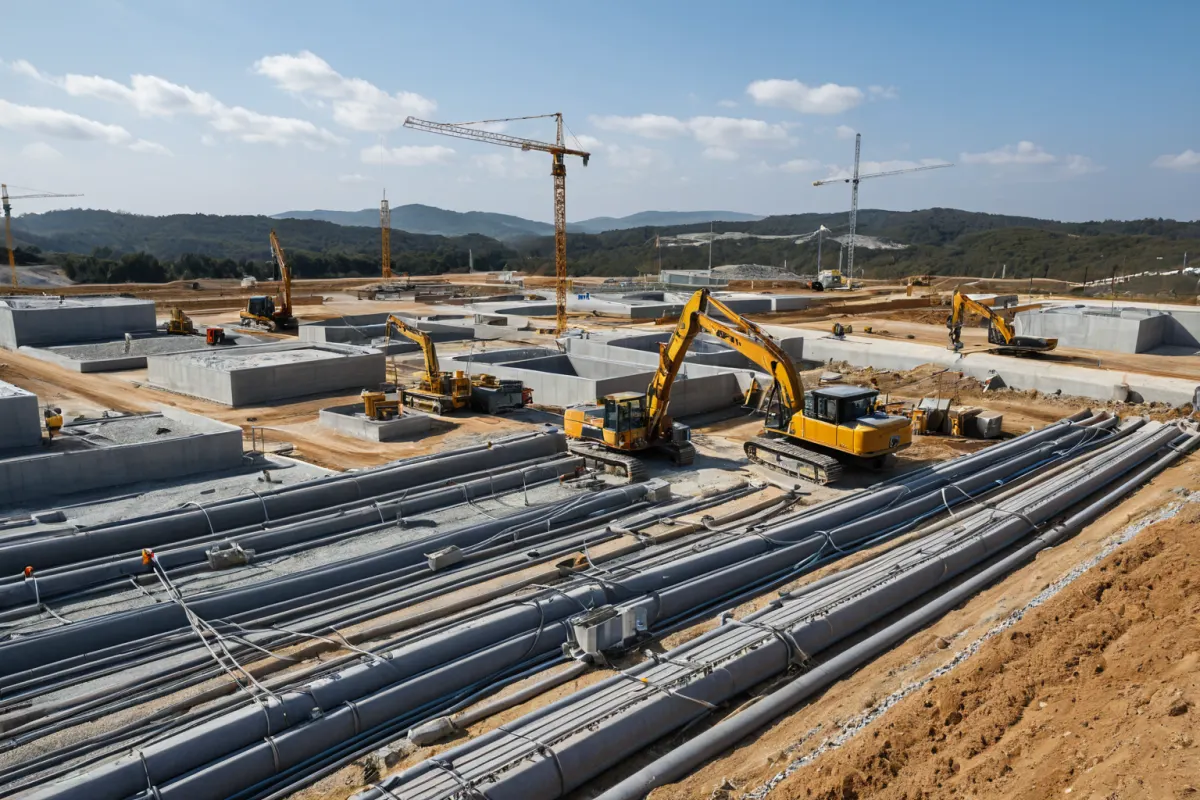
Gwangju Military Airport Relocation Plan
The functions of Gwangju Military Airport will be temporarily relocated by 2028. This strategic decision secures the land necessary for semiconductor cluster development. After relocation is complete, the area will become a hub for new economic activity centered around semiconductors. The relocation process, coordinated between Gwangju City and military authorities, ensures continuous aviation services without disruption through detailed planning.
Investment Attraction and Economic Impact
The Hongnam Semiconductor Cluster aims to attract investments of 80-200 trillion won, with significant participation expected from domestic and international companies. Samsung Electronics and SK Hynix's confirmed role as major participants is expected to greatly boost local economic activity. The cluster's development will also generate secondary effects, such as attracting semiconductor manufacturing suppliers and technology partners, while fostering talent development through collaboration with educational and research institutions in the region.
Policy Support and Government Role
The government provides 100% support for power and water infrastructure costs and builds various industrial infrastructure to promote growth. This is viewed as a systematic long-term strategy rather than just investment attraction. The government also enhances community collaboration through improved transportation networks linked to the semiconductor cluster and job creation programs for local residents, aiming for sustainable regional development beyond short-term investment goals.
Political Debate
The announcement of President Yoon's 'three mega projects' sparked political debate between parties, but this is expected to be resolved through government-industry cooperation. So far, confirmed details include site selection and related development plans. The semiconductor cluster is anticipated to enhance technological competitiveness and activate regional economies, with political disagreements gradually being resolved.
Key Information to Verify
To confirm the main development plans following the Hongnam Semiconductor Cluster site confirmation, refer to official government announcements and detailed industry ministry plans. Specifically, verify the timeline for power and water infrastructure construction and the implementation period of the land transaction approval system. Also, closely monitor any changes in aviation services during Gwangju Military Airport's relocation process.
Frequently Asked Questions
What are the main development plans after the Hongnam Semiconductor Cluster site was confirmed?
The primary focus is building power and water infrastructure first, targeting completion of the first fab by 2029.
What is the expected investment scale for the Hongnam Semiconductor Cluster?
The project aims to attract investments between 80 trillion and 200 trillion won.
When will Gwangju Military Airport relocation be completed?
Gwangju Military Airport functions will be temporarily relocated by 2028.
You can view similar articles in one place.
View Related ArticlesFAQ
What are the main development plans after the Hongnam Semiconductor Cluster site was confirmed?
The primary focus is building power and water infrastructure first, targeting completion of the first fab by 2029.
What is the expected investment scale for the Hongnam Semiconductor Cluster?
The project aims to attract investments between 80 trillion and 200 trillion won.
When will Gwangju Military Airport relocation be completed?
Gwangju Military Airport functions will be temporarily relocated by 2028.
Korean Source
This article is an English localization of a Korean-language report from BlogScore. Original: 호남 반도체 클러스터 부지 확정 후 주요 사업 계획은?