
Ho Nam Semiconductor Plant Site Selection Criteria and Surrounding Facilities Status

Key Points Summary
Main Criteria for Ho Nam Semiconductor Plant Site Selection and Leading Candidates
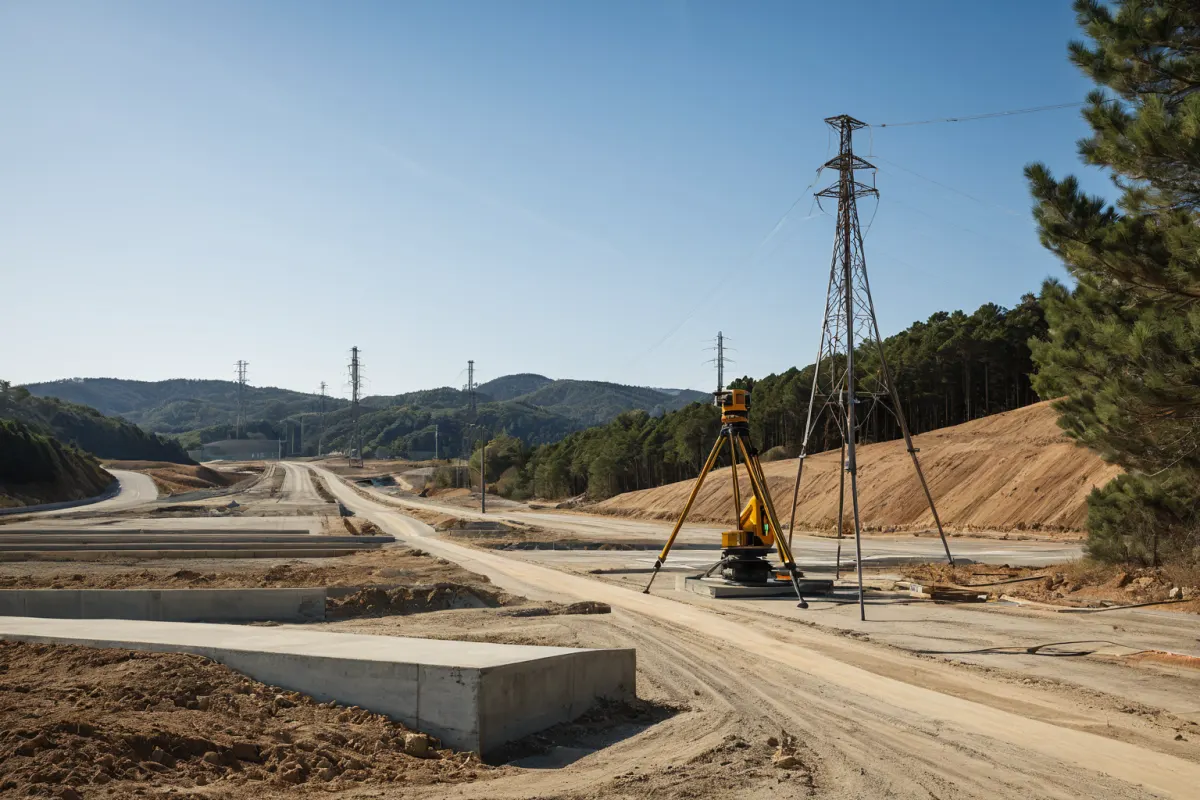
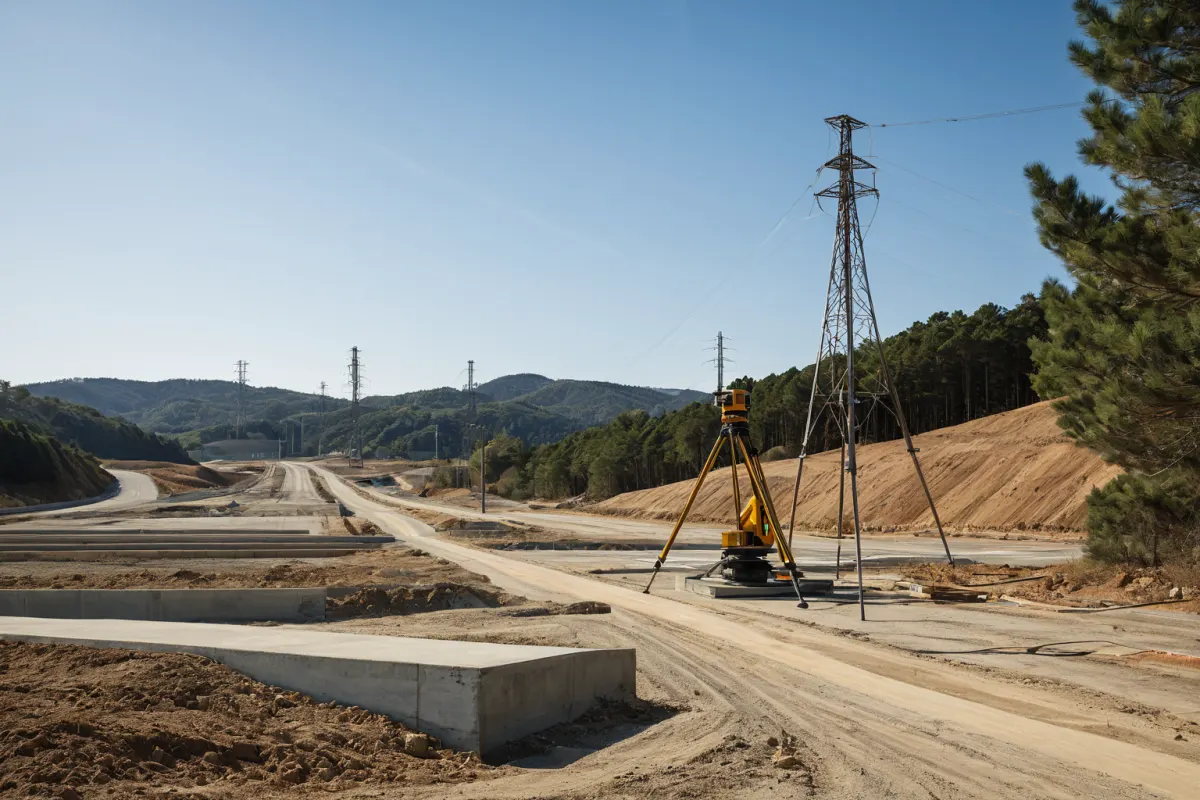
The site selection for the semiconductor plant planned in the Ho Nam region is centered around three key factors: access to power grids, water supply, and workforce availability. Access to power grids has become one of the most critical evaluation criteria, considering that continuous 24-hour operation is essential for semiconductor manufacturing processes. Recent reports indicate that Samsung Electronics and SK Hynix are reviewing Gwangju Gung Airport site, Gwangju Cheonan 3 Industrial Complex, and Haenam area as primary candidates, analyzing their respective advantages. The companies are comprehensively considering regional infrastructure status and future expansion potential during the site selection process.
Gwangju Gung Airport Site: Complete Infrastructure and Transportation Convenience
The Gwangju Gung Airport site, previously used for military purposes, offers relatively easy urban development and infrastructure construction. The area has excellent accessibility to downtown Gwangju and already features an established advanced industrial cluster, providing favorable conditions for semiconductor plant construction and workforce acquisition. Particularly, the existing road network and communication infrastructure are well-developed, suggesting minimal additional infrastructure investment will be required. Additionally, this area serves as a transportation hub in southwestern Gwangju, offering strong connectivity to major cities, which enhances logistics efficiency during plant operations.
Gwangju Cheonan 3 Industrial Complex: Samsung and SK's Regional Investment Consideration
The Gwangju Cheonan 3 Industrial Complex is gaining attention as a strategic location for building semiconductor clusters within the Gwangju region. This area is being reviewed by Samsung Electronics and SK Hynix for regional investment, with potential cost savings from utilizing existing advanced industrial park infrastructure. Representative Min Hyung-bae is closely examining this site along with two other candidates, preparing to select the optimal location through discussions with industry stakeholders. The Cheonan 3 Industrial Complex benefits from well-established transportation networks connecting northern Gwangju, providing favorable conditions for workforce movement and logistics flow.
Haenam: Water Resources and Environmental Conditions
The Haenam area is characterized by abundant water resources, offering an advantage in terms of essential water supply for semiconductor manufacturing processes. Additionally, Haenam's geographical location provides excellent connectivity to surrounding cities, with existing industrial zones nearby that could create synergies with the semiconductor plant. Particularly, Haenam has recently become more suitable for new industrial investment due to relaxed environmental regulations. As a region with abundant water resources nationwide, Haenam is expected to provide stable water resource availability for continuous semiconductor plant operations.
Government Infrastructure Construction Plan and Power Supply Issues
The government announced it aims to complete the second phase of Ho Nam semiconductor infrastructure by 2029. However, concerns have been raised that current power infrastructure in the region may be insufficient for continuous 24-hour operation of the semiconductor plant. Kim Seong-hwan stated that two out of four semiconductor fabs could operate using existing power infrastructure until 2029. Additionally, new Energy Storage Systems (ESS) and pumped hydroelectric power plants are planned to be constructed by 2030 to strengthen power supply. This is analyzed as a strategic plan to overcome the limitations of current infrastructure and respond to increasing future electricity demand.
Political Controversy and Demand for Disclosure of Site Selection Criteria
The People Power Party and Ahn Cheol-soo have expressed concerns about political bias in the site selection process for the Ho Nam semiconductor plant, urging the disclosure of site selection criteria. Specifically, there has been increased calls for transparency regarding land ownership by government and ruling party officials in the Ho Nam region. Yu Seung-min urged the disclosure of semiconductor investment site selection criteria on June 26, while Ahn Cheol-soo called for public disclosure of land ownership by government and ruling party members on June 29. This has accelerated political controversy. Such debates will play an important role in enhancing transparency in the site selection process and demonstrating that government decisions are based on objective industrial standards.
What Readers Should Note: Core Criteria for Site Selection and Future Schedule
The Ho Nam semiconductor plant site selection is being carefully reviewed from an industrial perspective, including power grid access, water supply, and workforce availability. While the government has announced plans to complete infrastructure construction by 2029, concerns about insufficient power infrastructure have been raised regarding potential operational challenges. Readers should pay attention to the following points: First, Samsung Electronics and SK Hynix's specific site selection timing and rationale; second, progress and expected effects of new ESS and pumped hydroelectric power plant construction plans through 2030; third, how political controversy might affect the site selection process and transparency measures. These factors will serve as crucial variables determining successful plant operation and regional economic development.
FAQ
When is the Ho Nam semiconductor plant expected to be completed?
The second phase of Ho Nam semiconductor infrastructure is scheduled for completion by 2029.
Why is the Gwangju Gung Airport site considered a leading candidate?
The Gwangju Gung Airport site is being considered due to its well-established existing infrastructure requiring minimal additional investment and excellent accessibility to downtown Gwangju.
How will concerns about insufficient power infrastructure be addressed?
New Energy Storage Systems (ESS) and pumped hydroelectric power plants are planned to be constructed by 2030 to strengthen power supply.
You can view similar articles on this topic in one place.
View Related ArticlesFAQ
When is the Ho Nam semiconductor plant expected to be completed?
The second phase of Ho Nam semiconductor infrastructure is scheduled for completion by 2029.
Why is the Gwangju Gung Airport site considered a leading candidate?
The Gwangju Gung Airport site is being considered due to its well-established existing infrastructure requiring minimal additional investment and excellent accessibility to downtown Gwangju.
How will concerns about insufficient power infrastructure be addressed?
New Energy Storage Systems (ESS) and pumped hydroelectric power plants are planned to be constructed by 2030 to strengthen power supply.
Korean Source
This article is an English localization of a Korean-language report from BlogScore. Original: 호남 반도체 공장 부지 선정 기준과 주변 시설 현황