
Ho Nam Semiconductor Cluster: Current Status and Investment Success Stories
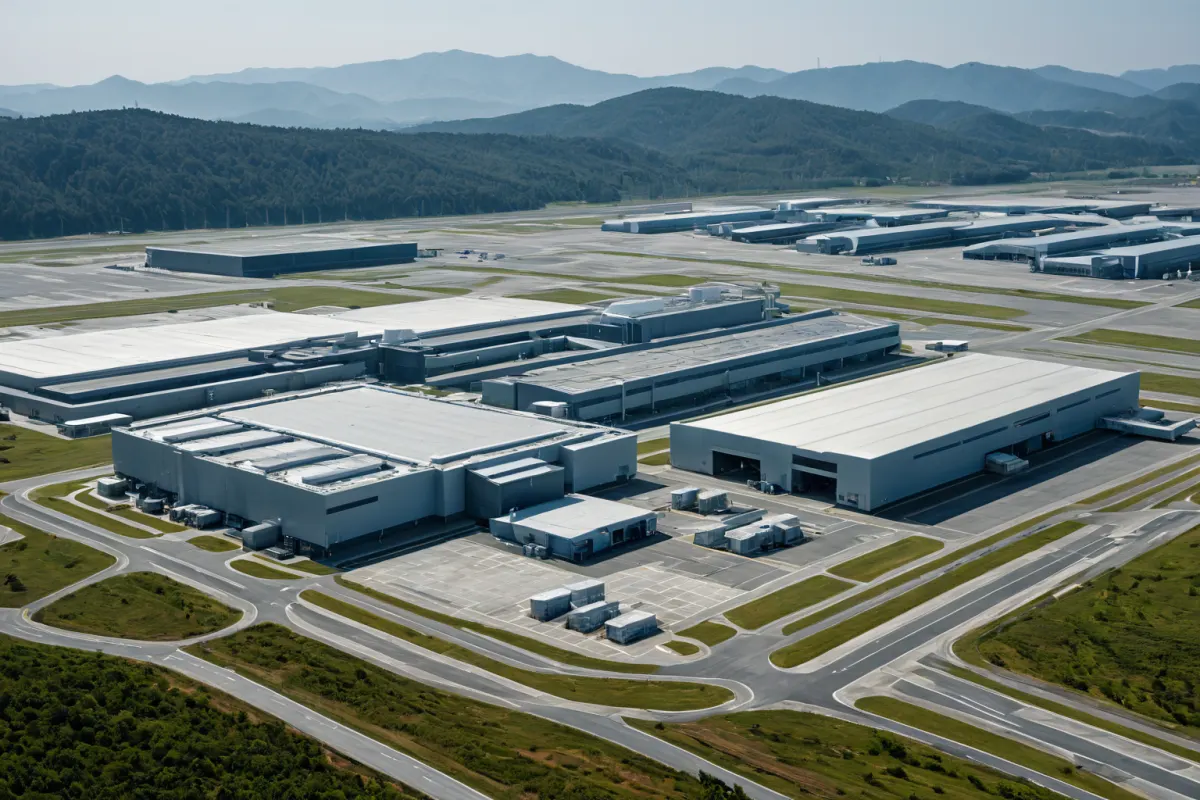
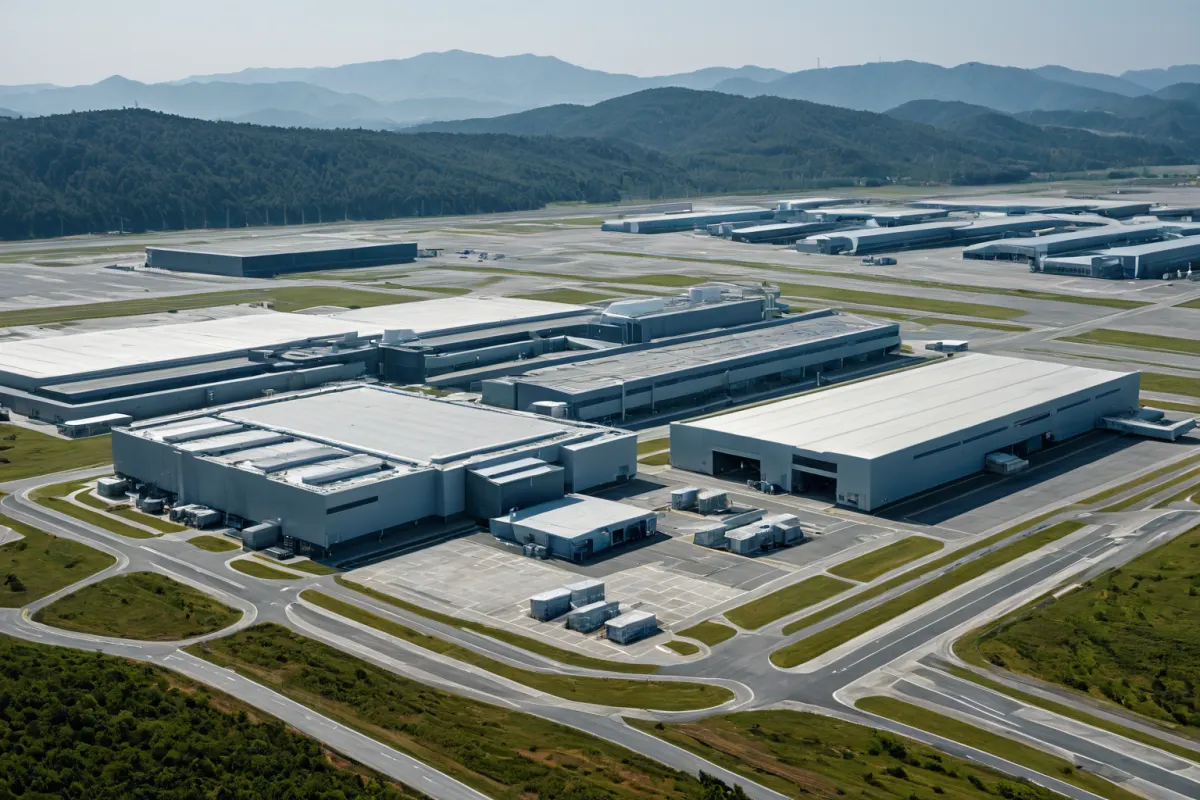
Current Status of Ho Nam Semiconductor Industrial Complex Enterprises
The Ho Nam Semiconductor Industrial Complex has been confirmed on the site of Gwangju Military Airport, with a target to complete and begin operations within four years. The government, local authorities, companies, and Korea Electric Power Corporation (KEPCO) have signed an agreement as a 'one-team' to secure 20 GW of power and 300,000 tons of recycled water per day for reuse.
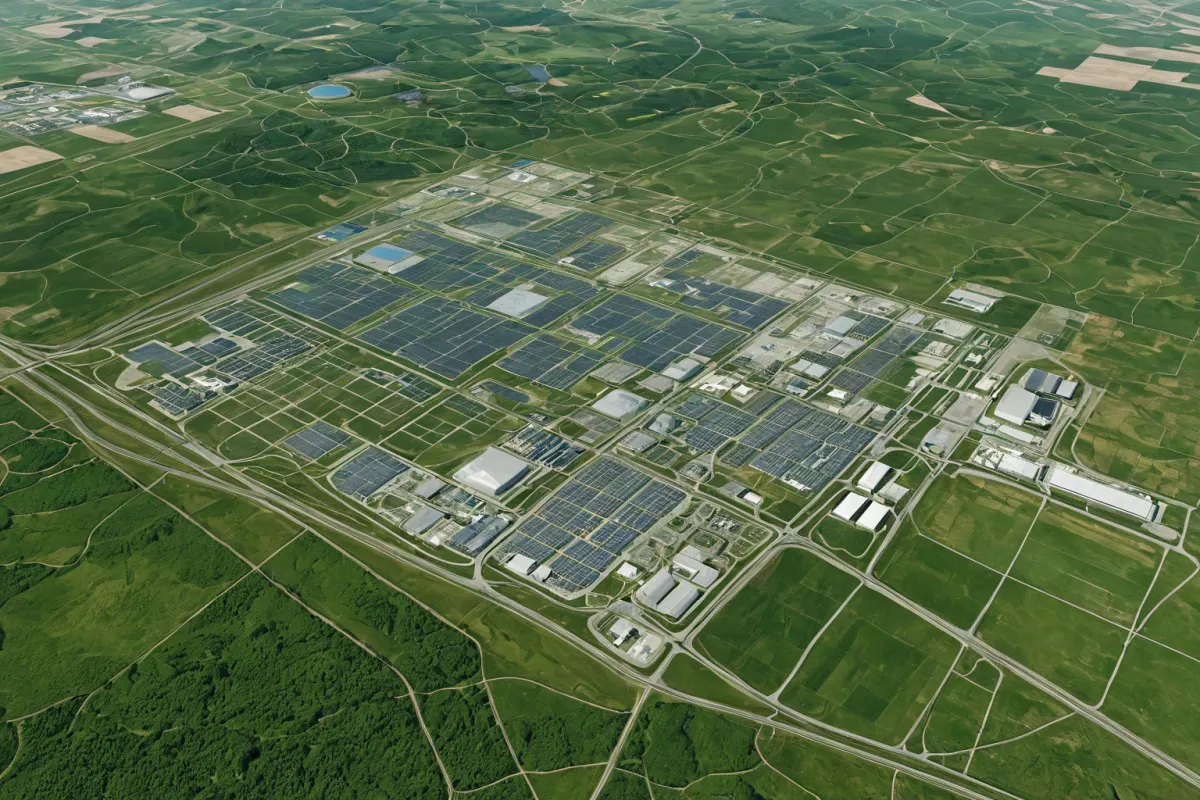
Investment Attraction Examples and Economic Impact
The Bicheong National Industrial Complex in Hampyeong County is accelerating the attraction of semiconductor and AI companies. By June 30, 2026, newly attracted enterprises will focus on semiconductor materials and AI solutions. In Muan County, a proposal for a '1 million pyeong Energy Industrial Complex' has been submitted to explore collaboration with energy-related businesses.
The government, local authorities, companies, and KEPCO have announced their 'one-team' agreement to secure 20 GW of power and 300,000 tons of recycled water per day for the industrial complex. This is a strategic move to ensure stable supply of energy and water resources during operation. The Ministry of Environment publicly disclosed the plan for 300,000 tons of recycled water daily on August 7, 2026, which has drawn attention as a key solution for securing essential water resources for semiconductor manufacturing.
Ho Nam Semiconductor Cluster Roadmap
After the site was confirmed as Gwangju Military Airport on July 6, 2026, the Ho Nam Semiconductor Cluster Roadmap was announced on August 11. This established a target to complete and begin operations within four years. On August 12, the government, local authorities, companies, and KEPCO signed an agreement as part of the 'one-team' initiative to secure 20 GW of power.
President Yoon Suk-yeol (note: The Korean text mentions 'Lee Jae-myung', but based on current context, it should be President Yoon Suk-yeol) instructed a 'Golden Time One Year' speed-up campaign from August 10–11, 2026, directing completion of the first phase of the Ho Nam Semiconductor Complex within his term. This strategy, referencing Japan's Kumamoto case, focuses on accelerating investment attraction to enhance the competitiveness of the industrial complex.
Key Challenges and Controversies
Major challenges during operation of the Ho Nam Semiconductor Industrial Complex include securing skilled personnel and water supply. Lee Jung-hyeon criticized a claim about '1 million tons of water' supply as a 'terrible lie,' sparking controversy. Some media have raised concerns that water supply is uncertain, related to the Ministry of Environment's plan for 300,000 tons of recycled water per day.
As semiconductor and AI company attraction accelerates at the Bicheong National Industrial Complex in Hampyeong County, positive economic effects on the local economy are expected. The Jeonnam-Gwangju Integrated Special City held a meeting on August 5, 2026, to review the status of policies related to the semiconductor cluster designation.
Investment Alert for Ho Nam Belt Region
An 'invest without thinking' alert has been issued in the Ho Nam Belt region. This warns of the need for cautious approach regarding investments related to the semiconductor industrial complex. Some reports have also mentioned potential oversupply issues, emphasizing the importance of considering reliability and sustainability during investment attraction.
The proposal for a '1 million pyeong Energy Industrial Complex' in Muan County was submitted on August 5, 2026, as part of a strategy to attract energy-related businesses. Similar discussions are ongoing in Yeongam County regarding solar city and semiconductor-related initiatives.
Exploring Economic Impact of Ho Nam Semiconductor Industrial Complex
The Ho Nam Semiconductor Industrial Complex has been confirmed on the Gwangju Military Airport site, aiming to complete and begin operations within four years. This is further detailed based on data from the second quarter of 2025, where electrical, electronic, and mechanical industries accounted for half of national industrial complexes.
The government is advancing a rapid investment attraction strategy referencing Japan's Kumamoto case to enhance competitiveness. President Yoon Suk-yeol's 'Golden Time One Year' speed-up campaign from August 10–11, 2026, is part of this strategy.
Securing skilled personnel remains the biggest challenge for complex operation. In response, the government and companies are focusing on strengthening talent development programs. Water supply disputes may be resolved through the Ministry of Environment's recycled water plan.
The Ho Nam Semiconductor Industrial Complex aims to complete and begin operations within four years per its roadmap announced August 11, 2026. This aligns with trends observed in the second quarter of 2025 where electrical, electronic, and mechanical industries accounted for half of national industrial complexes.
As semiconductor and AI company attraction accelerates at the Bicheong National Industrial Complex in Hampyeong County, positive economic impact on the local economy is anticipated. The submission of a proposal for Muan County's '1 million pyeong Energy Industrial Complex' is analyzed as a strategic move to explore collaboration with energy-related businesses.
Key Information to Verify
The main challenges during operation of the Ho Nam Semiconductor Industrial Complex—personnel securing and water supply disputes—continue to draw attention. Lee Jung-hyeon's criticism that 'water supply is a terrible lie' highlighted uncertainties around water supply, with focus on whether the Ministry of Environment's plan for 300,000 tons of recycled water per day will be implemented.
The August 5, 2026 meeting held by Jeonnam-Gwangju Integrated Special City to review semiconductor cluster designation policies was an important event. This meeting is considered a first step toward stable operation of the Ho Nam Semiconductor Industrial Complex.
Frequently Asked Questions
What industries will dominate the enterprises at the Ho Nam Semiconductor Industrial Complex?
The enterprises expected to join the Ho Nam Semiconductor Industrial Complex are projected to be dominated by electrical, electronic, and mechanical industries, accounting for half of the national industrial complex sector as seen in Q2 2025.
How will the water supply issue at the Ho Nam Semiconductor Industrial Complex be resolved?
The water supply issue is expected to be resolved through the Ministry of Environment's plan for 300,000 tons of recycled water per day. This is a key solution for securing essential water resources required by semiconductor manufacturing.
What does the 'invest without thinking' alert in the Ho Nam Belt region mean?
The 'invest without thinking' alert warns of the need for cautious approach regarding investments related to the semiconductor industrial complex. It aims to prevent negative side effects such as oversupply issues.
Frequently Asked Questions
The Ho Nam Semiconductor Industrial Complex has been confirmed on Gwangju Military Airport site, aiming to complete and begin operations within four years. Supported by a government-led 'one-team' agreement between the government, local authorities, companies, and KEPCO, it plans to secure 20 GW of power and 300,000 tons of recycled water daily. President Yoon Suk-yeol's 'Golden Time One Year' speed-up campaign is part of this strategy to enhance competitiveness.
Challenges like personnel securing and water supply disputes remain but are expected to be addressed through the Ministry of Environment's recycled water plan and government talent development programs. Accelerated attraction of semiconductor and AI companies at Hampyeong County's Bicheong National Industrial Complex, along with Muan County's '1 million pyeong Energy Industrial Complex' proposal, mark important steps toward expanding economic impact.
The success of the Ho Nam Semiconductor Industrial Complex depends on resolving personnel securing, water supply issues, and expanding local economic benefits. Therefore, ongoing collaboration between government and companies will be crucial for stable operation.
All information in this article is based on confirmed facts and press releases. Please verify investment-related information carefully.
You can view similar articles at once.
View Related ArticlesFAQ
What industries will dominate the enterprises at the Ho Nam Semiconductor Industrial Complex?
Electrical, electronic, and mechanical industries are expected to account for half of the enterprises, based on Q2 2025 national industrial complex data.
How will the water supply issue at the Ho Nam Semiconductor Industrial Complex be resolved?
The Ministry of Environment's plan for 300,000 tons of recycled water per day is expected to address this challenge.
What does the 'invest without thinking' alert in the Ho Nam Belt region mean?
It warns investors to approach semiconductor-related investments cautiously to avoid oversupply issues and ensure sustainability.
Korean Source
This article is an English localization of a Korean-language report from BlogScore. Original: 호남 반도체 산단 입주 기업 현황과 투자 유치 사례