
The History and Cultural Context Behind 'Bukang-i' the 'National Shark'
The Origin and Historical Background of Bukang-i
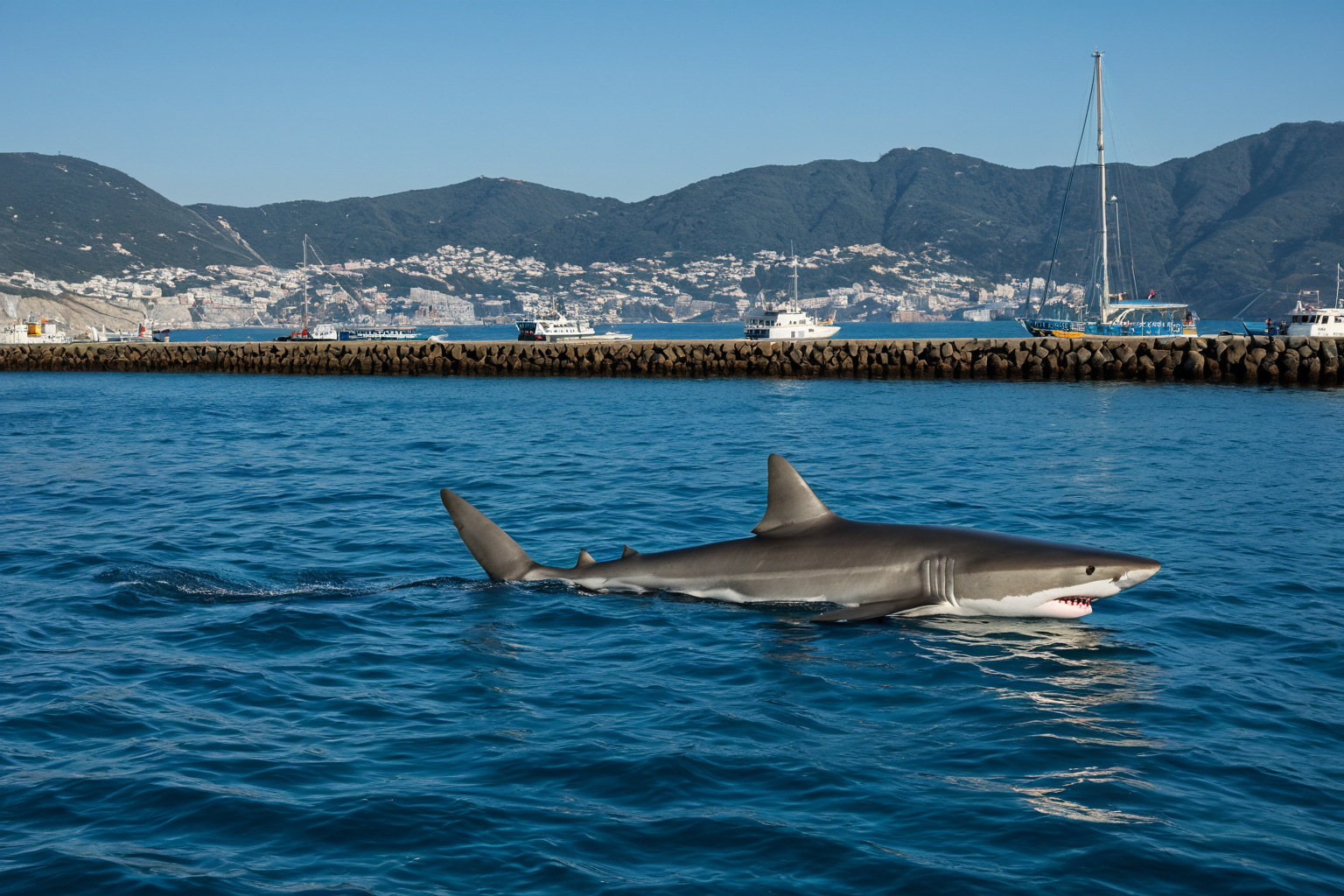
Bukang-i is a large shark observed near Busan's North Port, earning the nickname 'National Shark' from local residents and tourists. This shark has been residing in the North Port since September 23, 2026, drawing attention as an indicator of ecosystem health and a warning sign for climate crisis.
Since Bukang-i appeared, Busan's North Port has risen as a tourist destination, with plans for regional tourism content development announced. The shark is being interpreted by environmental groups not just as a tourism resource but as a symbol of climate change warnings.
Public Interest and Related Events
Public attention toward Bukang-i surged following a comment by Jeon Jae-su, who said 'It's so pretty I could die.' This remark praised the shark and helped generate public interest in developing tourism content for the region.
As of September 2026, reports indicate that 73 sharks have been spotted in the East Sea, including Bukang-i. The appearance of these sharks is being viewed as a signal of marine ecosystem changes due to climate change.
Bukang-i and Climate Crisis Warnings
Environmental groups interpret Bukang-i not merely as a tourism resource but as a symbol warning of climate change. Observed in the North Port, Bukang-i is regarded as an indicator of ecosystem health, with its long-term presence reflecting changes in marine ecosystems.
Since Bukang-i's appearance, Busan's North Port has become established as a tourist destination, and plans for tourism content development have been launched. Public interest in marine ecosystem changes has grown alongside the shark's presence.
Tourism Content Development Centered on Bukang-i
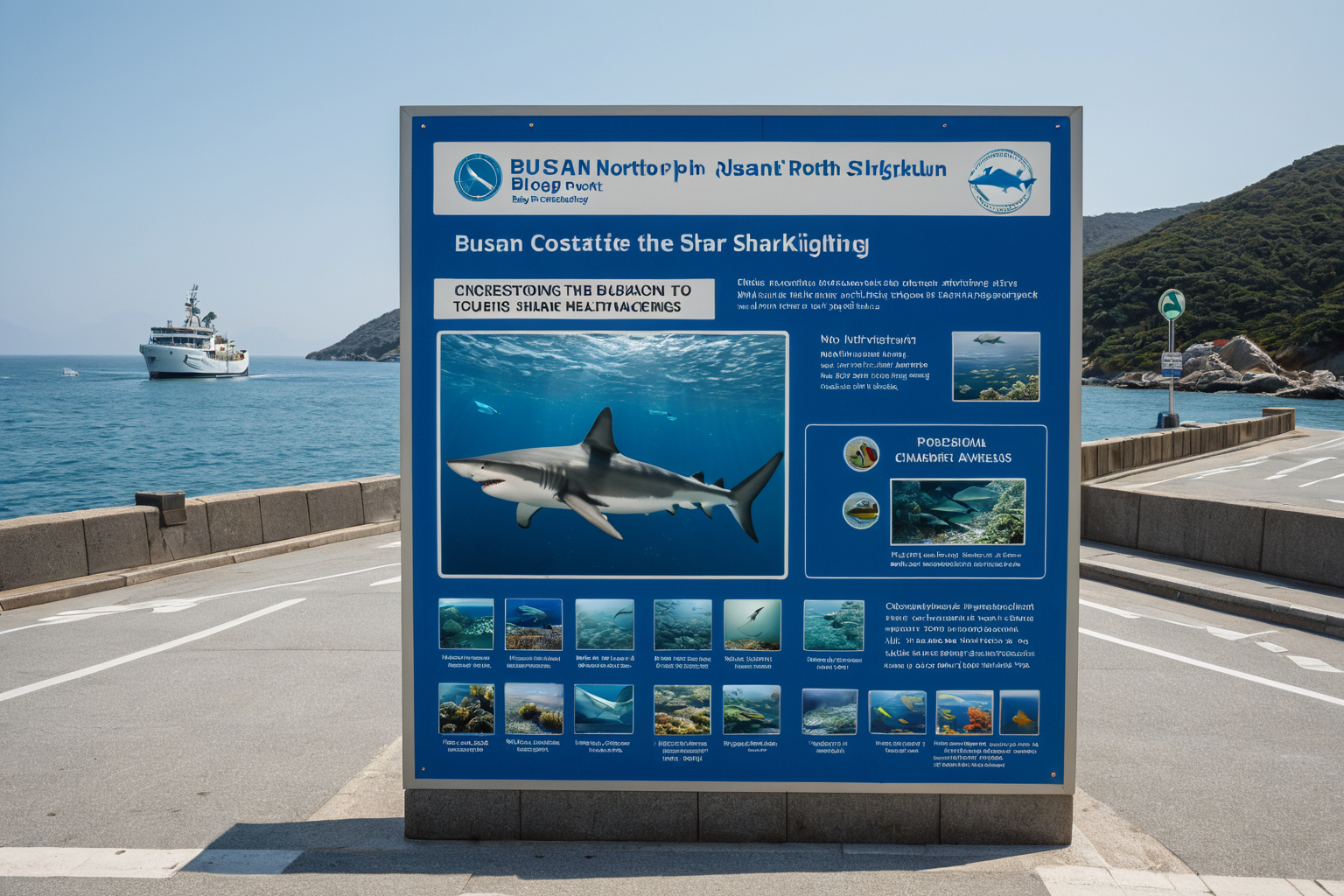
Following Bukang-i's long-term stay at Busan North Port, local authorities announced plans for tourism content development centered around the shark. These plans include shark-watching tours and cultural content related to Bukang-i.
The tourism initiative contributes to both regional economic revitalization and conveying environmental protection messages. The increased public awareness of marine ecosystems near North Port has led to plans for environmental campaigns, using Bukang-i as a catalyst.
Bukang-i's Appearance and Climate Change
Bukang-i is observed in the North Port as an indicator of ecosystem health. Its appearance is being noted as a signal reflecting changes in marine ecosystems. Specifically, reports of 73 sharks appearing in the East Sea have heightened awareness about climate change.
Environmental groups are working to raise public awareness of climate change through Bukang-i. The shark's appearance has transcended its role as a tourism resource, becoming a catalyst for raising awareness about marine ecosystem protection.
Bukang-i and Jeon Jae-su's Comment
Jeon Jae-su praised Bukang-i by saying 'It's so pretty I could die,' which helped generate public interest. This comment reinforced a positive image of Bukang-i and served as the starting point for local tourism content development.
Bukang-i and Jeon Jae-su's comment have not only drawn public attention but also effectively conveyed messages about marine ecosystem protection. The shark's appearance has spurred active discussions in the community regarding environmental protection.
Bukang-i and Local Economy
Since Bukang-i began residing long-term at North Port, Busan North Port has risen as a tourist destination. Tourism content development centered around this shark is contributing to regional economic revitalization.
The tourism initiative goes beyond simply attracting tourists; it combines marine ecosystem protection and environmental education into a new form of tourism model. This approach presents a sustainable development direction that considers both the local community and environmental conservation.
Verified Information on Bukang-i
Further investigation is needed regarding Bukang-i's duration of stay, reasons for appearance, and ecological characteristics. Observations and related reports about the shark will be continuously shared.
To better understand marine ecosystem changes due to climate change, more scientific research on Bukang-i's appearance is required. Programs are also being developed that allow local residents and tourists to contribute to environmental protection together.
Frequently Asked Questions
What kind of shark is Bukang-i?
Bukang-i is a large shark observed near Busan North Port, nicknamed 'National Shark' by locals and tourists. It is regarded as an indicator of ecosystem health and interpreted as a symbol warning of climate change.
How has the port changed since Bukang-i appeared?
Since Bukang-i began residing long-term at Busan North Port, the area has become a tourist destination. Local authorities have announced plans for tourism content development centered around this shark, contributing to regional economic revitalization while conveying environmental protection messages.
What is the connection between Bukang-i and climate change?
Bukang-i is a shark observed in North Port, regarded as an indicator of ecosystem health. Along with reports of 73 sharks appearing in the East Sea, its appearance has been interpreted as a signal reflecting marine ecosystem changes due to climate change.
Frequently Asked Questions
Bukang-i has transcended being merely a tourism resource to become a symbol carrying messages about climate change warnings and environmental protection. Its appearance reflects changes in the marine ecosystem around North Port, drawing public attention and becoming a catalyst for community engagement on environmental issues.
Tourism content development related to Bukang-i has evolved beyond simple tourist attraction into a new model combining environmental protection and education. The shark's presence has raised public awareness about marine ecosystem changes, initiating efforts toward a sustainable future.
You can view similar articles on this topic all in one place.
View Related ArticlesFAQ
What kind of shark is Bukang-i?
Bukang-i is a large shark observed near Busan North Port, nicknamed 'National Shark' by locals and tourists. It is regarded as an indicator of ecosystem health and interpreted as a symbol warning of climate change.
How has the port changed since Bukang-i appeared?
Since Bukang-i began residing long-term at Busan North Port, the area has become a tourist destination. Local authorities have announced plans for tourism content development centered around this shark, contributing to regional economic revitalization while conveying environmental protection messages.
What is the connection between Bukang-i and climate change?
Bukang-i is a shark observed in North Port, regarded as an indicator of ecosystem health. Along with reports of 73 sharks appearing in the East Sea, its appearance has been interpreted as a signal reflecting marine ecosystem changes due to climate change.
Korean Source
This article is an English localization of a Korean-language report from BlogScore. Original: 부캉이 뜻의 역사적 변천사와 관련 문화적 배경