
The Historical Significance and Educational Applications of Cleansing Pro-Japanese Legacy
Cleansing Pro-Japanese Legacy: Practical Applications and Discussions in Education
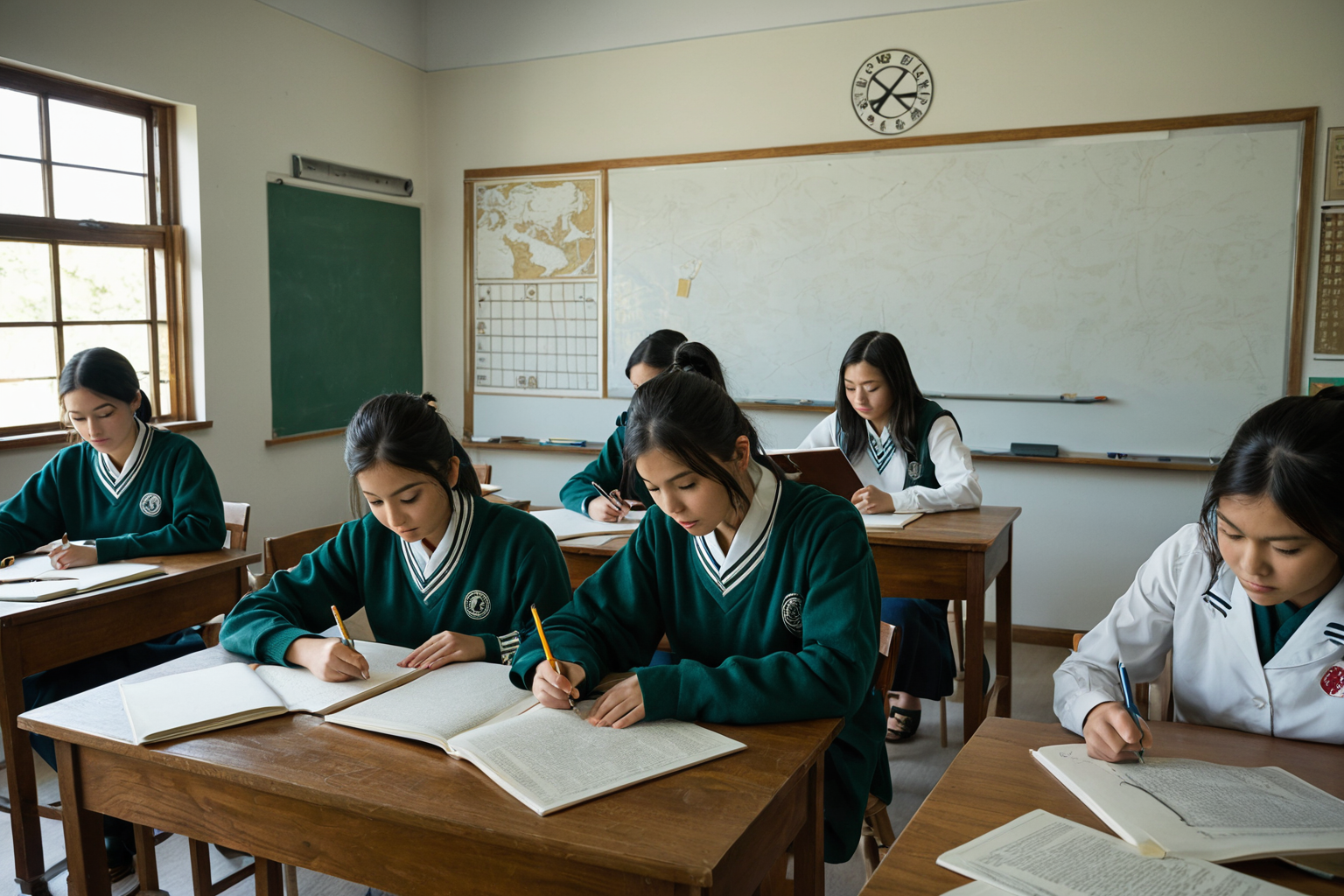
Cleansing pro-Japanese legacy has become a key task for historical justice and establishing national identity. As reported by Incheon Ilbo, high school students have been actively involved in revising school mottos and updating school emblems to remove Japanese colonial remnants, turning this effort into an opportunity for improving historical awareness.
Confirmed Facts: Concrete Examples from Educational Settings
According to an August 19, 2021 Incheon Ilbo article, some schools have initiated the cleansing of 'Japanese colonial remnants left in learning spaces' by revising school mottos and redrawing school emblems to improve historical awareness within educational settings. This represents a response acknowledging that pro-Japanese legacy still exists within schools, implemented through student participation.
On March 5, 2019, high school students' proposals led to the policy inclusion of 'Law to Punish Pro-Japanese Figures,' marking an important case where youth historical awareness directly influenced policy. This demonstrates how students can participate in decision-making processes related to history education.
Changes in History Textbooks and Education Policy
On September 29, 2015, controversial content regarding 'questionable' information appeared in high school modern history exam questions, sparking debate about the direction of historical education. However, on January 31, 2017, a new guideline for textbook compilation was issued allowing references to 'the establishment of the South Korean government.'
Meanwhile, on November 8, 2011, the removal of the phrase 'cleansing pro-Japanese legacy' from historical education led to controversy over historical distortion. This case illustrates how educational policy direction has evolved during the cleansing process.
Status as We Approach the 81st Anniversary of Liberation
As South Korea prepares for the 81st anniversary of liberation on August 15, 2026, it is emphasized that pro-Japanese legacy still exists in society. This shows how cleansing efforts have moved beyond simple historical resolution to become a foundation for national identity and future societal structure.
On December 1, 2023, a special initiative was launched within schools to cleanse Japanese colonial remnants, demonstrating that the cleansing process has evolved from mere legal measures into ongoing discussions and practices within educational settings.
The Issue of Pro-Japanese Figures Buried in National Cemetery
According to a May 23, 2026 report, the issue of 63 pro-Japanese figures buried in national cemetery has been raised. This has sparked discussion about how historical justice should be achieved at the national level during the cleansing process.
An article from Jeju Headline on March 16, 2021 reported that efforts to cleanse Japanese colonial remnants in schools across Jeju region have accelerated. This shows that cleansing efforts are expanding beyond Seoul and its surrounding areas to become nationwide.
Regional Disputes and Policies Regarding Cleansing
An article from Gyeongnam Do-mun Ilbo on June 30, 2021 reported controversy over the authenticity of cleansing efforts in Gimhae. This demonstrates differing perceptions within local communities about removing pro-Japanese legacy.
A report from Chungcheong Maeil on August 9, 2026 stated that Jincheon led 'cleansing' efforts and revived national honor. This shows how the cleansing process has expanded beyond historical resolution to become a topic of social discussion and policy change.
An OhmyNews article on June 20, 2023 claimed that opposing the cleansing of pro-Japanese figures is 'unconstitutional,' highlighting the seriousness of public debate surrounding this issue.
A Kyunghyang Shinmun article from October 26, 2014 reported on the Banmin Teukwi incident, providing historical background for legal and political debates related to cleansing legacy.
An article from Kyunghyang Shinmun on August 6, 2007 quoted Chairman Seong Daegyeong stating that 'pro-Japanese figures should be dealt with according to evidence without exception,' reflecting an official stance emphasizing strong commitment to historical justice.
Comparison with France's Approach to Cleansing Traitors
France has cleansed traitors by shutting down newspapers published for more than 15 days during Nazi occupation. This method of addressing historical wrongdoing is similar to how South Korea approaches cleansing pro-Japanese legacy, offering a case study that could be referenced.
A report from August 26, 2024 noted 'shame and regret' regarding the term 'cleansing pro-Japanese legacy,' reflecting evolving public awareness during this process and efforts toward societal consensus on historical justice.
Legal Basis and Current Status of Cleansing Pro-Japanese Legacy
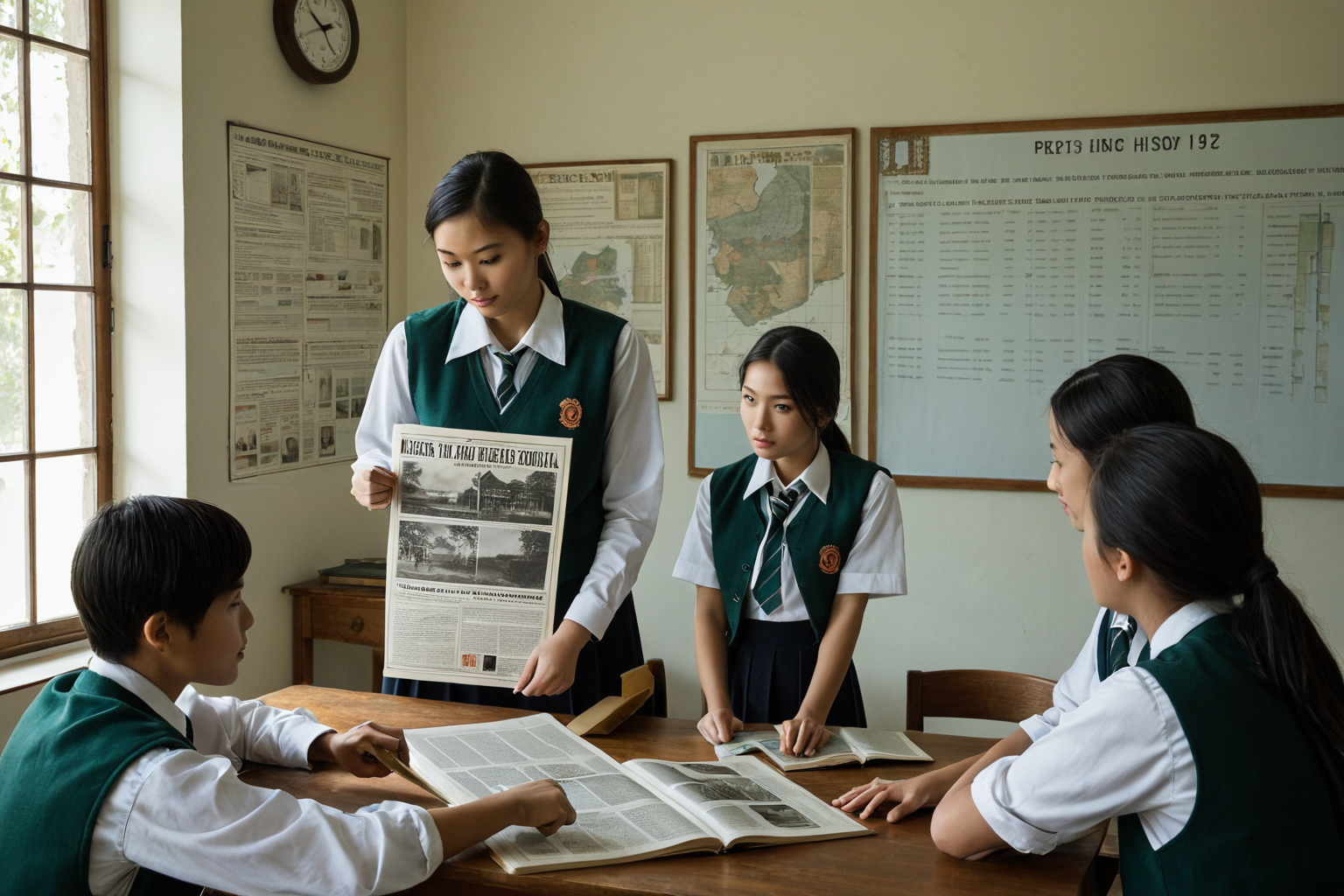
A legal basis for punishing anti-national acts has been established, providing an official policy foundation for cleansing pro-Japanese legacy. However, some still label opposition to cleansing as 'unconstitutional,' continuing social debate.
Since December 2023, school-based initiatives to cleanse Japanese colonial remnants have accelerated in Jeju region, highlighting the educational aspect of this cleansing effort and drawing attention as a representative case.
Societal Significance of Cleansing Pro-Japanese Legacy
Cleansing pro-Japanese legacy has moved beyond simple historical resolution to become a foundation for national identity and future societal structure. This process is being carried out through student participation in educational settings, reflecting changing perceptions toward pro-Japanese figures and the broader society's effort to achieve historical justice.
Information That Needs Verification
Additional information that needs verification regarding cleansing pro-Japanese legacy includes: First, what specific names of the 63 pro-Japanese figures buried in national cemetery. Second, whether a direct comparative analysis between France's approach and South Korea's situation could help develop appropriate cleansing strategies.
Frequently Asked Questions
How is the cleansing of pro-Japanese legacy being implemented?
Cleansing efforts are being carried out through student participation in educational settings, with concrete examples including revised school mottos and updated emblems. It's also progressing across society through history textbook revisions and policy incorporation.
How is the issue of pro-Japanese figures buried in national cemetery being addressed?
The issue of 63 pro-Japanese figures buried in national cemetery has been raised, but specific solutions remain unclear. Current reports indicate ongoing discussions related to cleansing efforts.
How could France's approach to cleansing traitors be applied to South Korea?
France shut down newspapers published for more than 15 days during Nazi occupation as part of their cleansing process. Similar methods could potentially be adapted, but must consider South Korea's historical context and cultural background.
Frequently Asked Questions
Cleansing pro-Japanese legacy has become a core task for historical justice and establishing national identity. Through concrete examples in educational settings, legal foundations, regional disputes and policies, this effort is evolving beyond simple historical resolution to form the foundation for improving historical awareness and building future society as a whole nation. Future cleansing efforts will continue through education, policy development, and societal consensus.
The information mentioned in this article is based on confirmed facts from press releases and related articles, with areas requiring further investigation clearly noted.
You can view similar articles about this topic all at once.
View Related ArticlesFAQ
How is the cleansing of pro-Japanese legacy being implemented?
Cleansing efforts are carried out through student participation in educational settings, with examples including revised school mottos and updated emblems. It's also progressing across society through history textbook revisions and policy incorporation.
How is the issue of pro-Japanese figures buried in national cemetery being addressed?
The issue of 63 pro-Japanese figures buried in national cemetery has been raised, but specific solutions remain unclear. Current reports indicate ongoing discussions related to cleansing efforts.
How could France's approach to cleansing traitors be applied to South Korea?
France shut down newspapers published for more than 15 days during Nazi occupation as part of their cleansing process. Similar methods could potentially be adapted, but must consider South Korea's historical context and cultural background.
Korean Source
This article is an English localization of a Korean-language report from BlogScore. Original: 친일파 청산의 역사적 의미와 교육 현장 적용 사례