
Historical Evidence for Dokdo's Sovereignty: Joseon Dynasty Records and Modern Interpretations
Joseon Dynasty Records on Dokdo Management Revealed
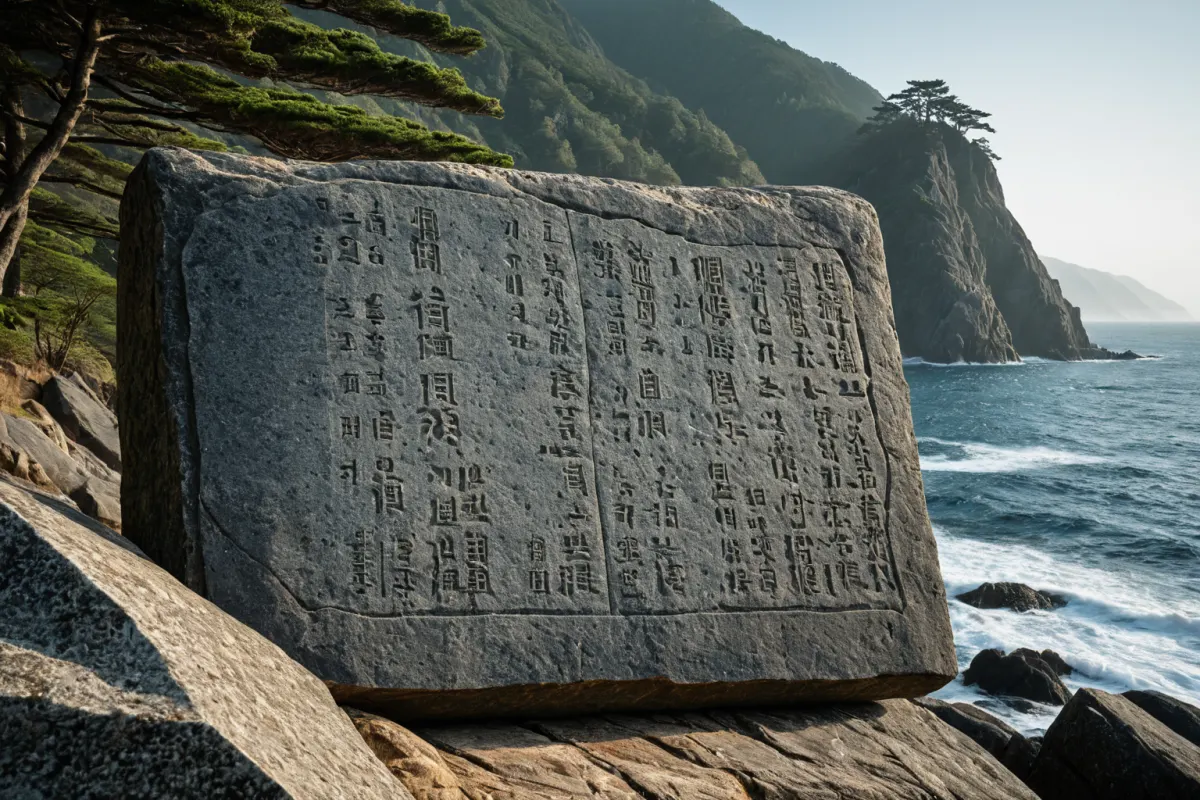
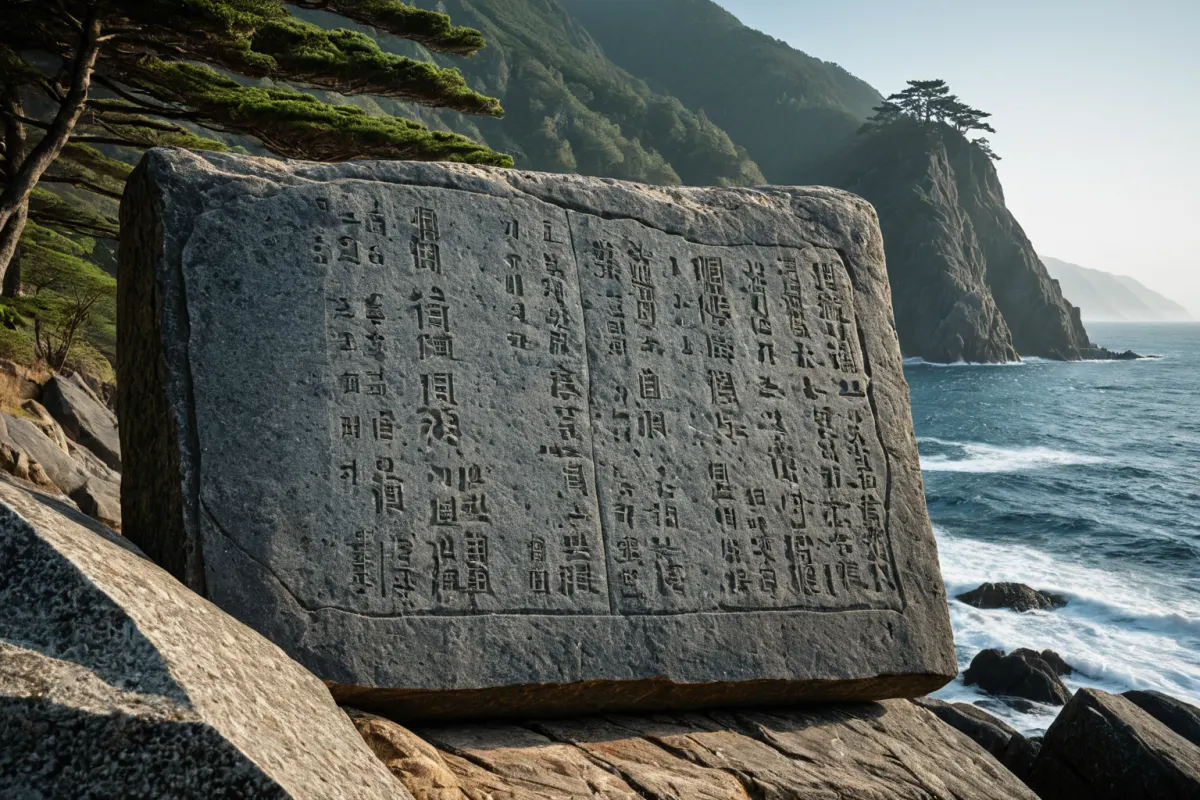
The historical basis for Dokdo's sovereignty is clearly supported by Joseon-era records and modern academic research. A recent comprehensive academic survey of Ulleungdo and Dokdo, conducted after 73 years, uncovered a Joseon-era rubbing of inscriptions carved into Ulleungdo's cliffs, providing additional evidence that Dokdo belongs to Korea.
Joseon Management System and Suto Records
Ulleungdo and Dokdo have been managed together since the Three Kingdoms period. During the Joseon Dynasty, a management system called 'Suto' confirmed Dokdo's status as Korean territory. Suto records are inscriptions carved into Ulleungdo's cliffs from the Joseon era; their recent rubbing was unveiled during the comprehensive academic survey, adding to the historical evidence supporting Dokdo's归属 (ownership).
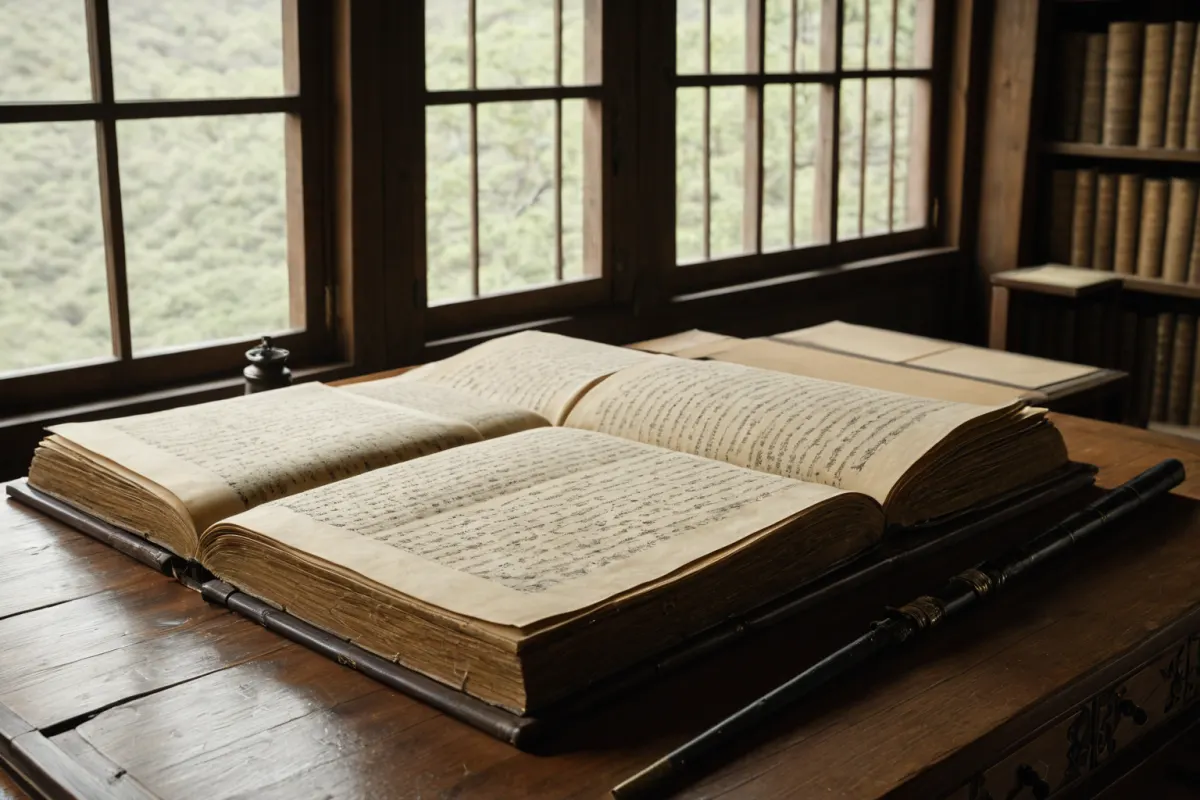
Joseon-era management records for Ulleungdo and Dokdo, including 'Hangeul Gokdak Ilgi' and 'Sejong Sillok Jiriji,' contain references to Dokdo. Notably, 'Sejong Sillok Jiriji' is a Joseon-era geographical text that explicitly documents Ulleungdo and Dokdo as part of Korean territory.
Historical Rebuttal to Japan's Claims
Japan claims Dokdo as its own, but this is widely regarded as persistent diplomatic maneuvering. Modern academic research has found evidence in Joseon-era documents and Japanese historical records that Dokdo was recorded as part of Joseon territory. 'Hangeul Gokdak Ilgi' was made public by the Northeast Asia Institute, and is considered an important document illustrating Joseon's management system for Ulleungdo and Dokdo.
Records of General An Yong-bok obtaining a confirmation letter regarding Ulleungdo and Dokdo sovereignty are being re-examined on the 330th anniversary of his death. This serves as crucial historical evidence reinforcing the Joseon Dynasty's management system for Dokdo.
Military Activities and Tax Records
During the Joseon period, a 'Suto Officer' was established to oversee Ulleungdo and Dokdo, with military activities against pirates recorded for 134 years. This demonstrates that the Joseon government had an established management system for Dokdo.
In the Korean Empire era, Japanese fishermen were documented catching sea cucumbers on Dokdo and paying taxes. This serves as important historical evidence confirming Dokdo's status as Korean territory, countering Japan's claims.
Results of the 73-Year Comprehensive Academic Survey
The Ulleungdo-Dokdo comprehensive academic survey was conducted after 73 years and has secured many documents, including a rubbing of Joseon-era Suto inscriptions. The survey uncovered an inscription carved into Ulleungdo's cliffs from the Joseon era, which is now regarded as crucial evidence supporting Dokdo's historical ties to Korea.
Starting April 17, 2026, the Dokdo academic survey will conduct comprehensive research on Ulleungdo and Dokdo, expected to strengthen Dokdo's historical sovereignty. On April 19, 2026, a memorial service for General An Yong-bok will be held marking his 330th anniversary, re-examining the historical basis for Dokdo's sovereignty.
Significance of Joseon-era Records
Joseon-era management records for Ulleungdo and Dokdo illustrate the administrative system from the Three Kingdoms period through the Joseon Dynasty. 'Hangeul Gokdak Ilgi' is a diary documenting Joseon's management of Ulleungdo and Dokdo, while 'Sejong Sillok Jiriji' is a geographical text explicitly recording Dokdo as part of Korean territory. These two documents play a key role in proving Dokdo's historical sovereignty.
Japanese historical records have also confirmed that Dokdo was recorded as Joseon territory. This serves as important evidence showing Japan's recognition of Dokdo as part of Korea, providing historical rebuttal to Japan's claims.
Dokdo Management System and Modern Academic Surveys
During the Joseon period, a 'Suto Officer' was established to oversee Ulleungdo and Dokdo, with military activities against pirates recorded for 134 years. This demonstrates that the Joseon government maintained continuous management over the Dokdo area.
In the Korean Empire era, Japanese fishermen were documented catching sea cucumbers on Dokdo and paying taxes. This serves as important historical evidence confirming Dokdo's status as Korean territory, countering Japan's claims.
Link Between Joseon Records and Modern Academic Surveys
On February 19, 2025, the Northeast Asia Institute made public Joseon-era management records for Ulleungdo and Dokdo titled 'Hangeul Gokdak Ilgi.' This is a crucial document proving that Ulleungdo and Dokdo were managed as part of Korea since the Joseon Dynasty.
On February 20, 2025, the first public unveiling of Joseon-era Ulleung-Dokdo Suto records occurred. These records are rubbings of inscriptions carved into Ulleungdo's cliffs from the Joseon era, regarded as important evidence supporting Dokdo's historical ties to Korea.
Starting April 17, 2026, the Dokdo academic survey will conduct comprehensive research on Ulleungdo and Dokdo. This is expected to strengthen Dokdo's historical sovereignty. On April 19, 2026, a memorial service for General An Yong-bok marking his 330th anniversary will be held, re-examining the historical basis for Dokdo's sovereignty.
Academic Surveys to Strengthen Dokdo Sovereignty
The Ulleungdo-Dokdo comprehensive academic survey was conducted after 73 years. During this survey, a rubbing of Joseon-era Suto inscriptions carved into Ulleungdo's cliffs was discovered, regarded as crucial evidence supporting Dokdo's historical ties to Korea.
The Dokdo academic survey will conduct comprehensive research on Ulleungdo and Dokdo, expected to strengthen Dokdo's historical sovereignty. The memorial service for General An Yong-bok on April 19, 2026, re-examined the historical basis for Dokdo's sovereignty.
Verified Records vs. Japan's Claims
Japan claims Dokdo as its own, but this is widely regarded as persistent diplomatic maneuvering. Joseon-era documents and modern academic research have confirmed Dokdo's status as Korean territory, with additional evidence found in Japanese historical records showing Dokdo was recorded as part of Joseon.
'Hangeul Gokdak Ilgi' and 'Sejong Sillok Jiriji' are crucial documents proving Dokdo's sovereignty to Korea. They provide historical rebuttal to Japan's claims, demonstrating the importance of academic surveys in strengthening Dokdo's sovereignty.
Summary of Historical Evidence for Dokdo Sovereignty
Ulleungdo and Dokdo have been managed together since the Three Kingdoms period. During the Joseon Dynasty, Dokdo was confirmed as Korean territory through 'Suto' records. Important documents like 'Hangeul Gokdak Ilgi' and 'Sejong Sillok Jiriji' prove Dokdo's sovereignty to Korea, with Japanese historical records also confirming Dokdo was recorded as part of Joseon.
After 73 years, the Ulleungdo-Dokdo comprehensive academic survey discovered a rubbing of Joseon-era Suto inscriptions carved into Ulleungdo's cliffs. This provides additional evidence supporting Dokdo's historical ties to Korea and is regarded as a significant achievement in academic surveys aimed at strengthening Dokdo's sovereignty.
Frequently Asked Questions
What is the historical basis for Dokdo's sovereignty?
Joseon-era management records for Ulleungdo and Dokdo, including 'Hangeul Gokdak Ilgi' and 'Sejong Sillok Jiriji,' are crucial documents proving Dokdo's status as Korean territory. Japanese historical records also confirm Dokdo was recorded as part of Joseon.
Which academic survey confirmed Dokdo's sovereignty?
The Ulleungdo-Dokdo comprehensive academic survey, conducted after 73 years, discovered a rubbing of Joseon-era Suto inscriptions carved into Ulleungdo's cliffs, providing additional evidence supporting Dokdo's historical ties to Korea.
Does Japan claim Dokdo as its own?
Yes, Japan claims Dokdo as its own territory, but this is widely regarded as persistent diplomatic maneuvering. Joseon-era documents and modern academic research confirm Dokdo's status as Korean territory.
What surveys are being conducted to strengthen Dokdo sovereignty?
The Dokdo academic survey starting April 17, 2026, will conduct comprehensive research on Ulleungdo and Dokdo, expected to strengthen Dokdo's historical sovereignty. Additionally, a memorial service for General An Yong-bok marking his 330th anniversary will be held on April 19, 2026, re-examining the historical basis for Dokdo's sovereignty.
Frequently Asked Questions
Dokdo's sovereignty is clearly supported by Joseon-era records and modern academic research. Ulleungdo and Dokdo have been managed together since the Three Kingdoms period, with Dokdo confirmed as Korean territory through 'Suto' records during the Joseon Dynasty. After 73 years, a comprehensive academic survey discovered a rubbing of Joseon-era Suto inscriptions carved into Ulleungdo's cliffs, providing additional evidence supporting Dokdo's historical ties to Korea.
'Hangeul Gokdak Ilgi' and 'Sejong Sillok Jiriji' are crucial documents proving Dokdo's sovereignty to Korea. Japanese historical records also confirm Dokdo was recorded as part of Joseon, providing historical rebuttal to Japan's claims. Academic surveys like the upcoming Dokdo academic survey starting April 17, 2026, aim to strengthen Dokdo's historical sovereignty, with a memorial service for General An Yong-bok on April 19, 2026, re-examining the historical basis for Dokdo's sovereignty.
Dokdo's historical sovereignty is clearly supported by Joseon-era records and modern academic research, serving as historical rebuttal to Japan's claims. Academic surveys and the public release of historical documents are expected to continue in efforts to strengthen Dokdo's sovereignty.
You can view more articles on similar topics at once.
View Related ArticlesFAQ
What is the historical basis for Dokdo's sovereignty?
Joseon-era management records, including 'Hangeul Gokdak Ilgi' and 'Sejong Sillok Jiriji,' confirm Dokdo as Korean territory. Japanese historical records also note Dokdo as part of Joseon.
Which academic survey confirmed Dokdo's sovereignty?
The Ulleungdo-Dokdo comprehensive academic survey, conducted after 73 years, discovered a rubbing of Joseon-era Suto inscriptions on Ulleungdo's cliffs.
Does Japan claim Dokdo as its own?
Yes, Japan claims Dokdo but this is widely regarded as persistent diplomatic maneuvering. Historical records confirm it was part of Korea.
What surveys are being conducted to strengthen Dokdo sovereignty?
The Dokdo academic survey starting April 17, 2026, will conduct comprehensive research on Ulleungdo and Dokdo.
Korean Source
This article is an English localization of a Korean-language report from BlogScore. Original: 독도 영유권 역사적 근거: 조선시대 기록과 현대 해석