
The Historical Context and South Korea's Reaction to the Yasukuni Shrine Offering by Prime Minister Takaiji
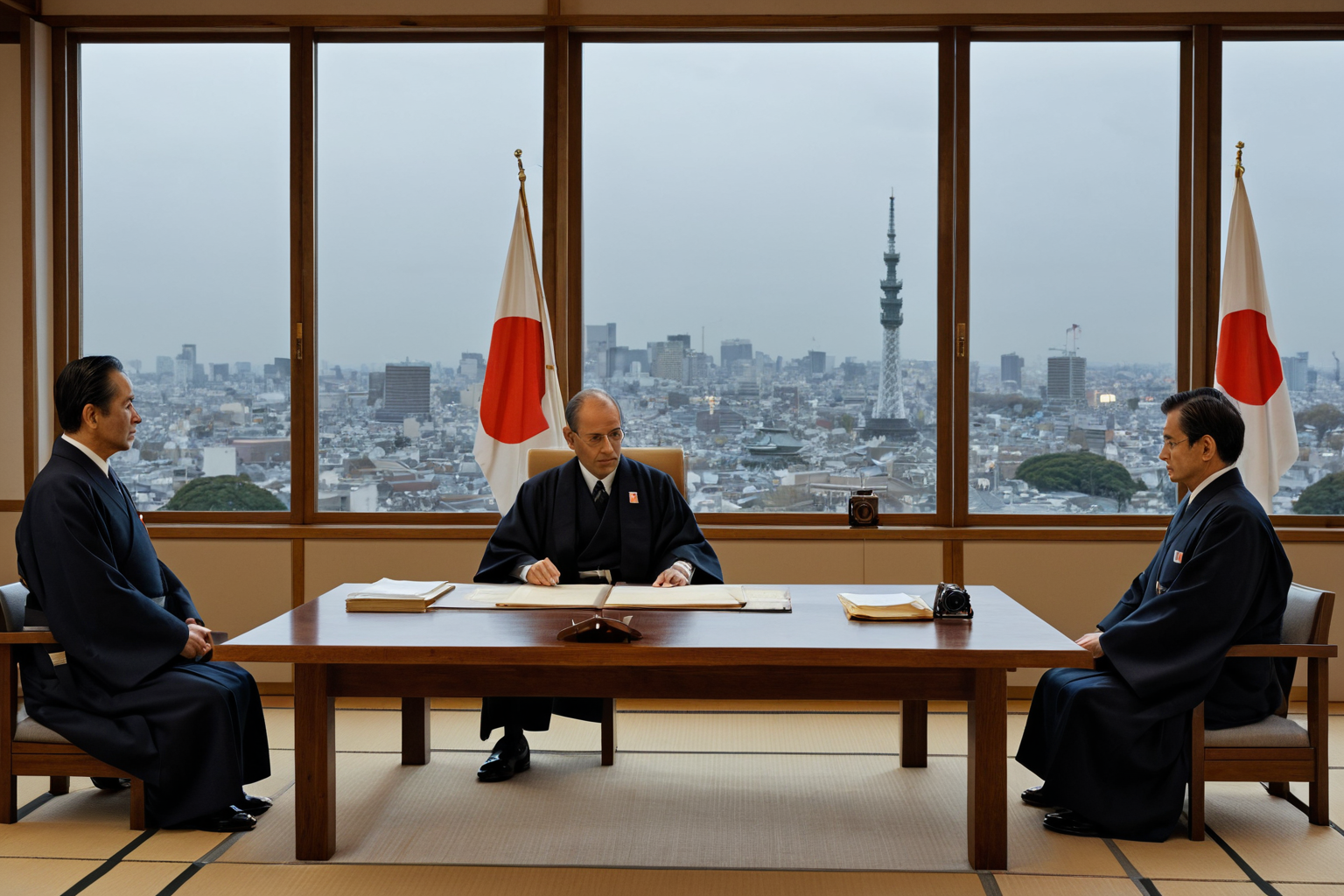
The Yasukuni Shrine Offering by Prime Minister Takaiji: Japan's Historical Perception Controversy
Japan's government announced that on August 15, 2026—the Korean Liberation Day—Prime Minister Takaiji had offered a gift to the Yasukuni Shrine as leader of the Liberal Democratic Party (LDP), though he did not visit the shrine. This announcement triggered strong backlash from neighboring countries including South Korea, China, and North Korea.
South Korea's political parties labeled Japan's action as 'provocative,' arguing it reopened old wounds rather than healing historical grievances. China and North Korea also strongly condemned Japan's Yasukuni-related actions, with North Korea describing the move as a 'new wave of new militarism.'
From the time Japan's government decided to make the offering until August 15, the sequence of reports and reactions suggests that Japan may be highlighting historical perception issues rather than showing reflection on past history.
Offering vs. Visiting: Japan's Historical Perception Direction
Reports confirmed Prime Minister Takaiji had offered a gift to Yasukuni Shrine on Liberation Day, acting in his capacity as LDP leader. The Japanese government stated he chose the offering over a visit. However, some reports suggested he may have remotely 'visited' from a parking lot, sparking debate.
The Japanese government proceeded with the offering without mentioning 'reflection,' indicating Japan's historical perception on past issues remains inadequate. Notably, August 15, 2026 is Liberation Day in South Korea, making the timing of Japan's Yasukuni-related action particularly contentious.
South Korea's political parties labeled Japan's move as 'provocative,' with heightened calls for an apology to victims. Some netizens expressed anger online, which escalated into broader social controversy.
South Korea-China-North Korea Reactions: International Tensions Over Historical Perception
The Chinese government strongly condemned Prime Minister Takaiji's Yasukuni offering. China views historical issues as crucial in relations with Japan, expressing concern that this action could further deteriorate South-Japan ties.
North Korea also criticized Japan's Yasukuni-related actions as a 'new wave of new militarism,' emphasizing historical issues in its relationship with Japan. North Korea stated Japan's historical perception remains inadequate, which could become an issue internationally.
The South Korean government also labeled Takaiji's Yasukuni offering as 'anachronistic' and issued a strong condemnation statement against the Japanese government. This reflects South Korea's sensitivity to historical issues in its relations with Japan.
Domestic Reactions Within Japan: Defense Minister and LDP Officials
Japanese Defense Minister Koiizumi strongly criticized articles expressing concern over Yasukuni visits, calling them 'incomprehensible.' This suggests differing opinions within Japan on historical issues.
LDP officials also appeared to have visited the Yasukuni Shrine. Reports indicated that LDP leadership held a group visit alongside the government's Yasukuni-related actions on August 15, 2026.
These domestic reactions suggest Japan's historical perception remains insufficient and could undermine its credibility in the international community.
Past Issues and Current Responses: Adjusting Historical Messaging
The South Korean government criticized Takaiji's Yasukuni offering as 'anachronistic,' reflecting its tendency to emphasize historical issues in relations with Japan. By choosing to highlight historical perception rather than reflection, Japan's government may be weakening trust in Korea-Japan relations.
Especially concerning the timing on August 15, Liberation Day, international controversy intensified. South Korean President Lee emphasized the importance of cooperation between South Korea and Japan while adjusting the tone of historical messages to handle the issue appropriately.
Unverified Information and Points to Verify
It remains unconfirmed whether Prime Minister Takaiji visited Yasukuni Shrine, though some reports suggest he remotely 'visited' from a parking lot. The Japanese government's official statement should be referenced for accuracy.
Defense Minister Koiizumi's criticism of articles expressing concern over Yasukuni visits was confirmed in press releases, but additional context is limited. More information is needed to understand internal divisions within Japan on historical issues.
South Korea's political parties' labeling of the offering as 'provocative' has been verified through public opinion surveys and official statements, though specific details are available only in press releases.
Frequently Asked Questions
Did Prime Minister Takaiji visit Yasukuni Shrine?
The Japanese government stated Takaiji offered a gift rather than visiting the shrine and may have remotely 'visited' from a parking lot. However, specific facts remain unconfirmed.
How did South Korea respond to Japan's Yasukuni offering?
The South Korean government labeled Takaiji's Yasukuni offering as an 'anachronistic act,' issued a strong condemnation statement, and called for apologies to victims.
What was the Japanese Defense Minister's reaction?
Defense Minister Koiizumi strongly criticized articles expressing concern over Yasukuni visits, calling them 'incomprehensible.' This reflects differing opinions within Japan on historical issues.
Frequently Asked Questions
Japan's government offering a gift to the Yasukuni Shrine on Korea's Liberation Day in August 2026 drew strong reactions from South Korea, China, and North Korea. The timing of this action—on a day symbolizing Korean liberation—has intensified international controversy, as Japan appears to be reemphasizing historical perception issues rather than reflecting on past history.
South Korea's government and political parties labeled the move 'provocative' and called for dialogue to address historical grievances. This underscores that historical perceptions remain a critical issue in South-Japan relations.
Internal divisions within Japan over historical issues persist, with the government's direction likely to continue sparking international debate. Therefore, addressing historical issues appropriately is essential for improving South-Japan relations.
The information presented here is based on media reports; for accurate facts, refer to official statements from the Japanese government. Historical issues are complex and require additional research for a full understanding.
You can view similar articles all at once.
View Related ArticlesFAQ
Did Prime Minister Takaiji visit Yasukuni Shrine?
The Japanese government stated Takaiji offered a gift rather than visiting the shrine and may have remotely 'visited' from a parking lot. However, specific facts remain unconfirmed.
How did South Korea respond to Japan's Yasukuni offering?
The South Korean government labeled Takaiji's Yasukuni offering as an 'anachronistic act,' issued a strong condemnation statement, and called for apologies to victims.
What was the Japanese Defense Minister's reaction?
Defense Minister Koiizumi strongly criticized articles expressing concern over Yasukuni visits, calling them 'incomprehensible.' This reflects differing opinions within Japan on historical issues.
Korean Source
This article is an English localization of a Korean-language report from BlogScore. Original: 다카이치 공물 봉납의 역사적 배경과 한국 사회 반응