
Historical and Modern Perspectives on Dokdo's Sovereignty: Korea's Position
Historical Basis of Korea's Sovereignty Claim
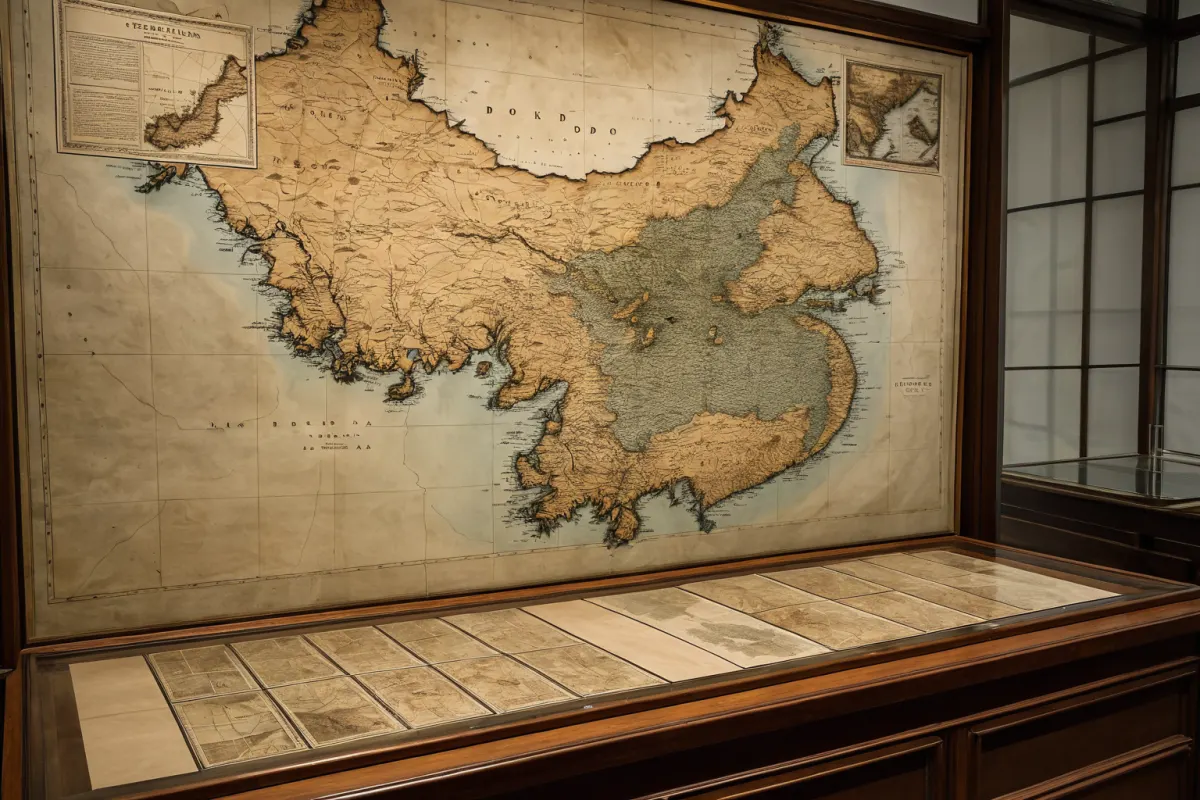
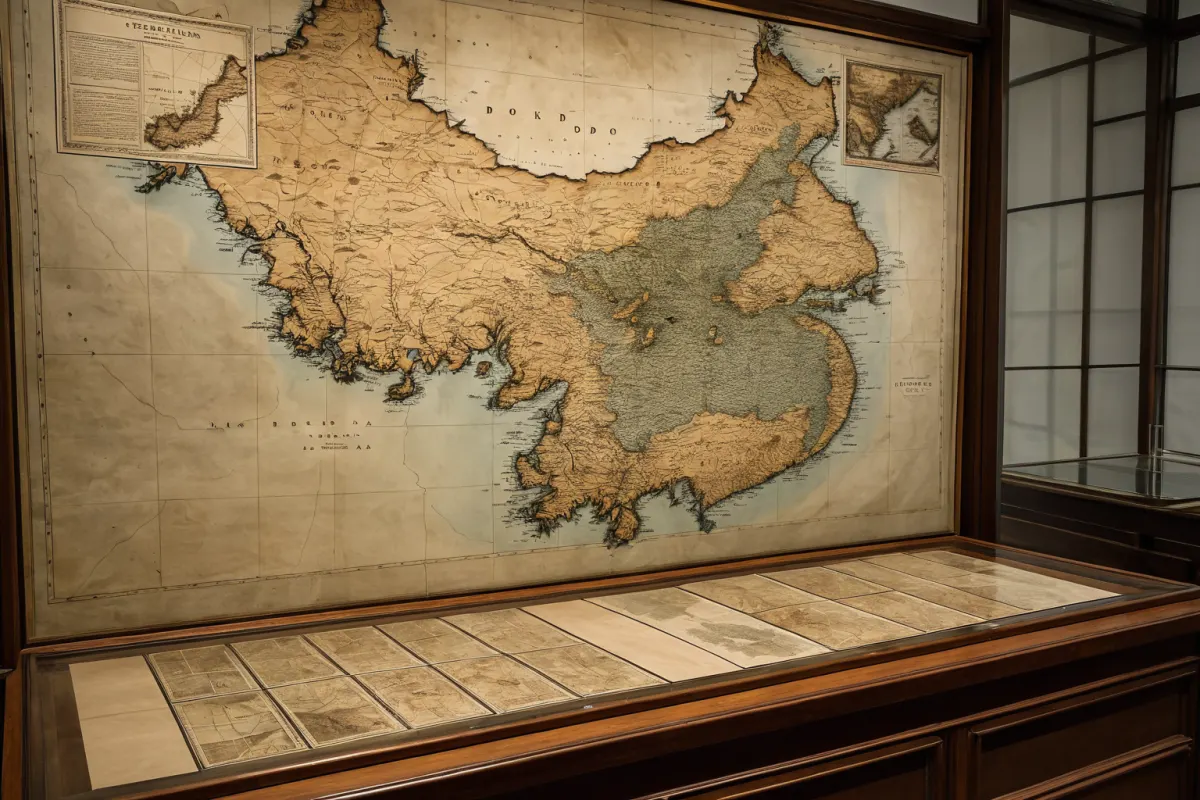
Dokdo is clearly Korean territory under historical, geographical, and international law principles. Japan's claims lack substantial historical or legal foundation. Historical Japanese maps from the 19th century did not mark Dokdo as part of Japan, and recent statements by Japanese leaders, textbook content, and diplomatic documents asserting sovereignty have been strongly refuted by the South Korean government.
Japan's Dokdo Sovereignty Claim and Historical Facts
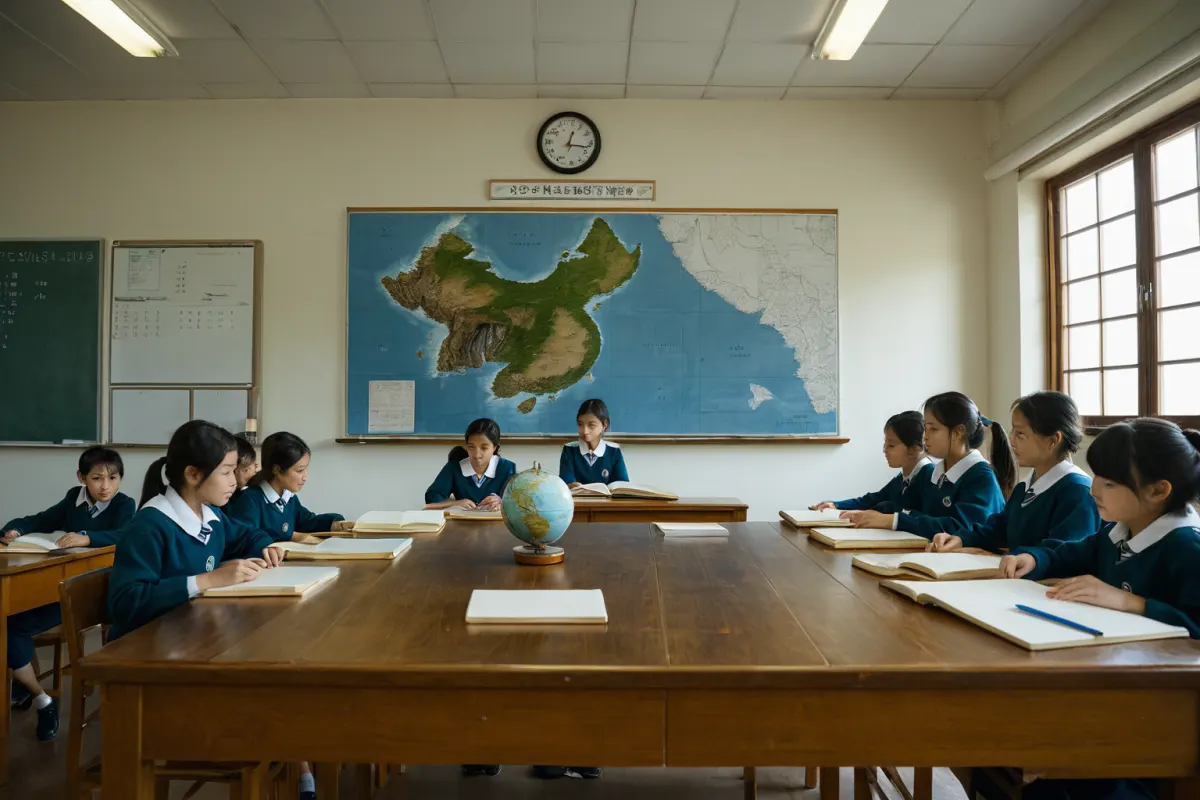
Japan did not depict Dokdo as part of Japan on maps from the 19th century, and international law has confirmed Dokdo's status as Korean territory. The Ministry of Culture, Sports and Tourism announced on October 21, 2025, that Dokdo is clearly Korean territory under historical, geographical, and international legal grounds. Japan's claims amount to historical distortion, which is not recognized internationally.
On March 13, 2026, a Japanese prime minister made inflammatory remarks claiming Dokdo belongs to Japan, prompting strong government rebuttals. Textbooks and diplomatic documents from Japan continue to include sovereignty assertions over Dokdo, leading the South Korean Ministry of Education and Foreign Affairs to demand immediate corrections for historical distortion.
Historical Evidence Supporting Korea's Sovereignty Claim
Historically, Dokdo has been recognized as Korean territory. All governments from Syngman Rhee through Roh Moo-hyun have supported the defense of Dokdo. Professor Yukiho Hosaka, a Dokdo expert, asserts that 'Dokdo is clearly Korean land,' and various academic studies have validated this position.
The San Francisco Peace Treaty has renewed attention to Korea's sovereignty over Dokdo. This treaty explicitly states Japan relinquished all rights to South Korea, contributing to international recognition of Dokdo as Korean territory.
Japan's Historical Distortion and Response
When Japanese textbooks and diplomatic documents began claiming Dokdo as Japan's exclusive territory, the South Korean government responded immediately. Following the inclusion of Dokdo sovereignty claims in a Japanese textbook on March 24, 2026, the Ministry of Education demanded immediate revisions to correct historical distortion.
On April 12, 2026, Japan made a statement claiming Dokdo as part of its territory. In response, the Gyeongsangbuk-do Provincial Assembly and Government urged Japan to withdraw its sovereignty claim in the defense white paper, condemning the historical distortion. This represents a prominent example of Korea's strong rebuttal to Japan's historical distortion.
Systematic Efforts for Dokdo Protection
Political parties jointly demanded that Japan halt historical distortions and protect Dokdo as October 25th (Dokdo Day) approached. The organization 'Bam' promoted global awareness through videos confirming Dokdo's status as South Korean territory, while Gyeongsangbuk-do Software Master High School implemented comprehensive Dokdo education for all students.
Rep. An Min-seok introduced the 'Dokdo Museum and Experience Center Support Act,' establishing policy foundations for protecting Dokdo. This legislation aims to enhance public awareness and educational efforts regarding Dokdo.
Modern Interpretation of Dokdo Sovereignty Claims
In modern international law, Dokdo is clearly recognized as Korean territory. Japan's claims violate historical facts and international law, a position widely acknowledged internationally. The absence of Dokdo on 19th-century Japanese maps proves the unsubstantiated nature of Japan's claims.
Japan's historical distortion and sovereignty assertions have evolved beyond simple errors into policy-level issues at the national level. Consequently, South Korea continues to pursue thorough refutations and responses based on international law, aiming to fundamentally resolve Japan's historical distortions.
Verified Information on Dokdo Sovereignty Claims
Dokdo's status as Korean territory is clearly established through historical, geographical, and international legal evidence. This has been verified by the Ministry of Culture, Sports and Tourism's announcement and academic research findings. Evidence refuting Japan's claims includes 19th-century Japanese maps and the San Francisco Peace Treaty.
Claims in Japanese textbooks and diplomatic documents asserting Dokdo sovereignty face international criticism, with South Korea demanding revisions. The hope is that this will lead to Japan retracting its historical distortions.
Frequently Asked Questions
What evidence confirms Dokdo as Korean territory?
Historical, geographical, and international legal grounds confirm Dokdo's status as Korean territory. The Ministry of Culture, Sports and Tourism officially announced this on October 21, 2025.
Why do Japanese textbooks claim Dokdo as Japan's exclusive territory?
This reflects Japan's historical distortion policy, leading to repeated sovereignty assertions in textbooks and diplomatic documents. South Korea immediately demanded revisions.
What specific legislation supports Dokdo protection?
Rep. An Min-seok introduced the 'Dokdo Museum and Experience Center Support Act.' This bill aims to enhance public awareness and educational efforts regarding Dokdo.
Frequently Asked Questions
Dokdo is clearly Korean territory under historical, geographical, and international law principles, with Japan's claims proven baseless. The absence of Dokdo on 19th-century Japanese maps and the San Francisco Peace Treaty have established international recognition. Historical distortion in Japanese textbooks and diplomatic documents must be corrected, and South Korea continues to pursue thorough legal refutations based on international law.
Ongoing systematic efforts for Dokdo protection include political cooperation and public awareness initiatives, which are crucial for fundamentally resolving Japan's historical distortions and strengthening Dokdo's international standing.
You can view similar articles on this topic together.
View Related ArticlesFAQ
What evidence confirms Dokdo as Korean territory?
Historical, geographical, and international legal grounds confirm Dokdo's status as Korean territory. The Ministry of Culture, Sports and Tourism officially announced this on October 21, 2025.
Why do Japanese textbooks claim Dokdo as Japan's exclusive territory?
This reflects Japan's historical distortion policy, leading to repeated sovereignty assertions in textbooks and diplomatic documents. South Korea immediately demanded revisions.
What specific legislation supports Dokdo protection?
Rep. An Min-seok introduced the 'Dokdo Museum and Experience Center Support Act.' This bill aims to enhance public awareness and educational efforts regarding Dokdo.
Korean Source
This article is an English localization of a Korean-language report from BlogScore. Original: 독도 영유권 주장의 역사적 근거와 현대적 해석