
Historic Ruling in Japan Steel Compensation Case: A Step Toward Justice
The Historic Significance of the Supreme Court Ruling
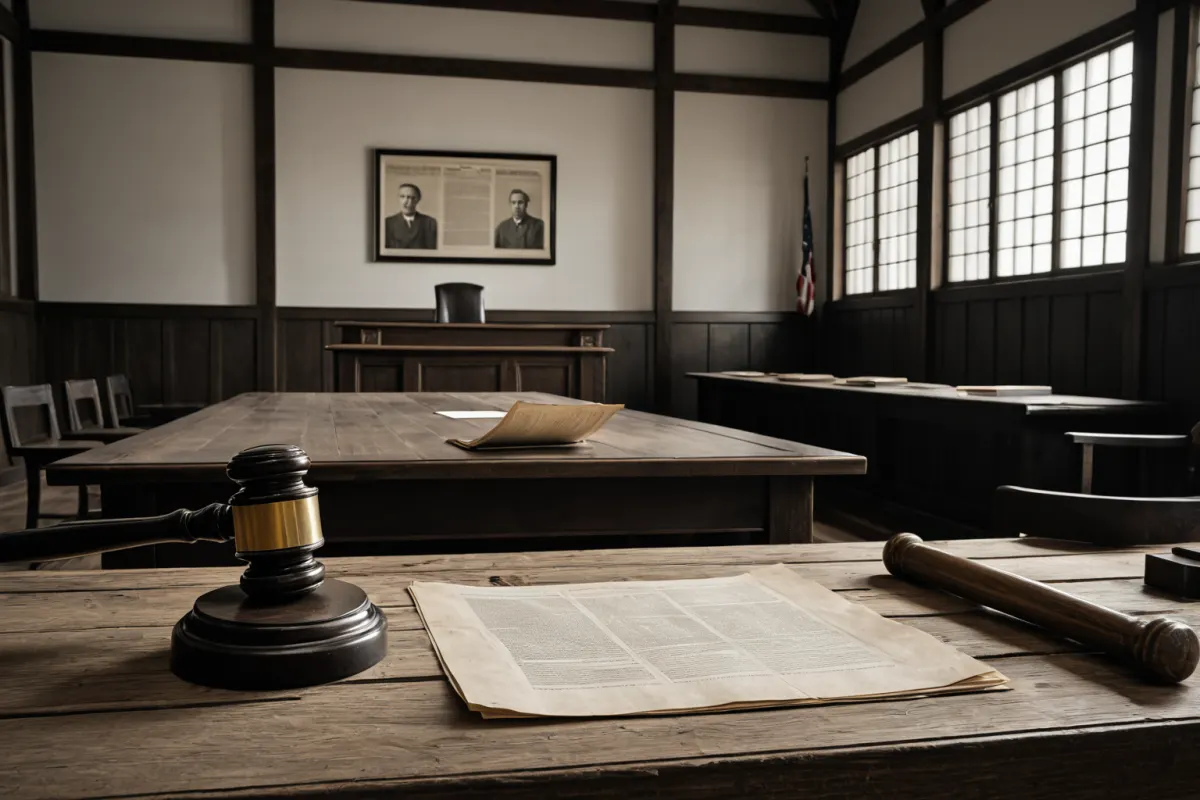
In the case concerning compensation for forced labor victims under Japanese rule, South Korea's Supreme Court recognized Nippon Steel's obligation to pay 80 million won (approximately $63,000) in damages to the families of those who were forcibly conscripted. This ruling represents a historic judgment that addresses the suffering and pursuit of justice from the colonial period. The court issued its final decision on August 12, 2026, ordering Nippon Steel to compensate victims' families, with an additional confirmation of liability on August 13, concluding decades of legal battles.
Legal Basis for Compensation Liability
The Supreme Court definitively established Nippon Steel's compensation responsibility for forced labor during the Japanese colonial period, acknowledging objective reasons that prevented lawsuits before 2018. This follows the first lawsuit victory in 2018 and supports victims' claims in the 'Second Forced Labor Case,' marking a turning point as Japanese government and companies had attempted to avoid liability.
On August 12, 2026, the Supreme Court ordered Nippon Steel to pay 80 million won to families of forced labor victims, contributing to restoring justice for those who were compelled to work under colonial rule. In light of Nippon Steel's failure to apologize or compensate, legal measures are ongoing to halt third-party compensation.
Japan's government and companies have protested the ruling, claiming it has no domestic effect, but South Korean courts have clarified its binding nature domestically. This has reignited tensions over compensation issues in Japan-South Korea relations, with international attention focusing on accountability for forced labor victims.
The May 2023 article 'Reinterpreting the Complicated Forced Labor Ruling in Japan-South Korea Relations' reflected how the Supreme Court's ruling is deepening diplomatic tensions. In October 2024, Nippon Steel's asset sale was halted and third-party compensation was suspended, indicating ongoing legal responses to the compensation issue.
Case Background
Victims of forced labor during Japan's colonial period initiated lawsuits seeking justice for their suffering. After winning their first case in 2018, courts supported victims' claims again in the 'Second Forced Labor Case.' On August 12, 2026, the Supreme Court ordered Nippon Steel to pay 80 million won to families of forced labor victims, marking a significant judgment that restores justice for colonial-era suffering.
In response to Nippon Steel's failure to apologize or compensate, legal measures are ongoing to halt third-party compensation. In October 2024, the sale of Nippon Steel assets was suspended and requests to stop third-party compensation were made, demonstrating continued legal action on this issue.
Japan's government and companies have criticized the Supreme Court ruling, claiming it has no domestic effect, but South Korean courts have clarified its binding nature domestically. This has reignited tensions over compensation issues in Japan-South Korea relations, with international attention focusing on accountability for forced labor victims.
Cause Analysis
Nippon Steel's failure to compensate has been a major obstacle to legal efforts addressing the suffering and pursuit of justice from the colonial period. Even after winning their first lawsuit in 2018, Japanese companies attempted to evade compensation responsibility, deepening victims' pain.
Following its August 12, 2026 ruling, the Supreme Court confirmed additional liability on August 13, marking a pivotal moment as Japan's government and companies sought to avoid legal responsibility. The court has taken measures to halt third-party compensation due to Nippon Steel's failure to fulfill compensation obligations.
Japan's government and companies have criticized the ruling, claiming it has no domestic effect, but South Korean courts have clarified its binding nature domestically. This has reignited tensions over compensation issues in Japan-South Korea relations, with international attention focusing on accountability for forced labor victims.
Response and Safety Information
Legal efforts to seek justice for forced labor victims continue, with demands for Nippon Steel's compensation following the Supreme Court ruling on August 12, 2026. In light of Nippon Steel's failure to apologize or compensate, legal measures are ongoing to halt third-party compensation.
In October 2024, the sale of Nippon Steel assets was suspended and requests to stop third-party compensation were made, showing continued legal responses to the issue. The Supreme Court has clarified Japanese companies' compensation responsibility, contributing to restoring justice for victims' suffering.
Tensions over compensation issues in Japan-South Korea relations are attracting international attention, with accountability for forced labor victims remaining a point of contention. The Supreme Court's ruling is preventing Japanese companies from avoiding legal responsibility and serving as an important step toward justice and peace.
Verified Information
The key points of the Supreme Court ruling include: On August 12, 2026, it ordered Nippon Steel to pay 80 million won in compensation to families of forced labor victims, with additional confirmation of liability on August 13. This is a historic judgment addressing suffering and justice from the colonial period.
Nippon Steel has not apologized or compensated, and legal measures are ongoing to halt third-party compensation. In October 2024, Nippon Steel's asset sale was suspended and requests to stop third-party compensation were made.
Japan's government and companies have protested the Supreme Court ruling, claiming it has no domestic effect, but South Korean courts have clarified its binding nature domestically. This has reignited tensions over compensation issues in Japan-South Korea relations, with international attention focusing on accountability for forced labor victims.
Frequently Asked Questions
How was Nippon Steel's compensation responsibility confirmed by the Supreme Court ruling?
The Supreme Court ordered Nippon Steel to pay 80 million won in damages to families of forced labor victims on August 12, 2026, and confirmed additional liability on August 13. This is a historic judgment addressing suffering and justice from the colonial period.
Why has Nippon Steel not apologized or compensated?
Nippon Steel criticized the Supreme Court ruling, claiming it has no domestic effect, but South Korean courts have clarified its binding nature domestically. Japanese companies attempted to avoid responsibility for forced labor victims, causing delays in compensation.
How can compensation issues arising from Japan-South Korea relations be resolved?
The Supreme Court's ruling prevents Japanese companies from avoiding legal responsibility and serves as an important step toward justice and peace. Legal measures such as requests to halt third-party compensation can encourage compliance with the court's order.
Frequently Asked Questions
The Supreme Court ruling contributes to restoring justice for forced labor victims, clearly establishing Nippon Steel's compensation responsibility. This historic judgment has significant meaning in addressing colonial-era suffering and is attracting international attention. Nippon Steel must apologize and compensate, with ongoing legal measures to halt third-party compensation as ordered by the court.
Compensation issues should begin with acknowledging and reflecting on past wrongs rather than being limited to legal disputes. The Supreme Court's ruling represents a first step, requiring Japanese companies and governments to acknowledge responsibility and offer apologies to victims.
FAQ
How was Nippon Steel's compensation responsibility confirmed by the Supreme Court ruling?
The Supreme Court ordered Nippon Steel to pay 80 million won in damages to families of forced labor victims on August 12, 2026, and confirmed additional liability on August 13. This is a historic judgment addressing suffering and justice from the colonial period.
Why has Nippon Steel not apologized or compensated?
Nippon Steel criticized the Supreme Court ruling, claiming it has no domestic effect, but South Korean courts have clarified its binding nature domestically. Japanese companies attempted to avoid responsibility for forced labor victims, causing delays in compensation.
How can compensation issues arising from Japan-South Korea relations be resolved?
The Supreme Court's ruling prevents Japanese companies from avoiding legal responsibility and serves as an important step toward justice and peace. Legal measures such as requests to halt third-party compensation can encourage compliance with the court's order.
Korean Source
This article is an English localization of a Korean-language report from BlogScore. Original: 일본제철 배상 소송, 대법원 판결의 역사적 의미