
Heatwaves and Heat Illness: Key Prevention Tips for Children and the Elderly
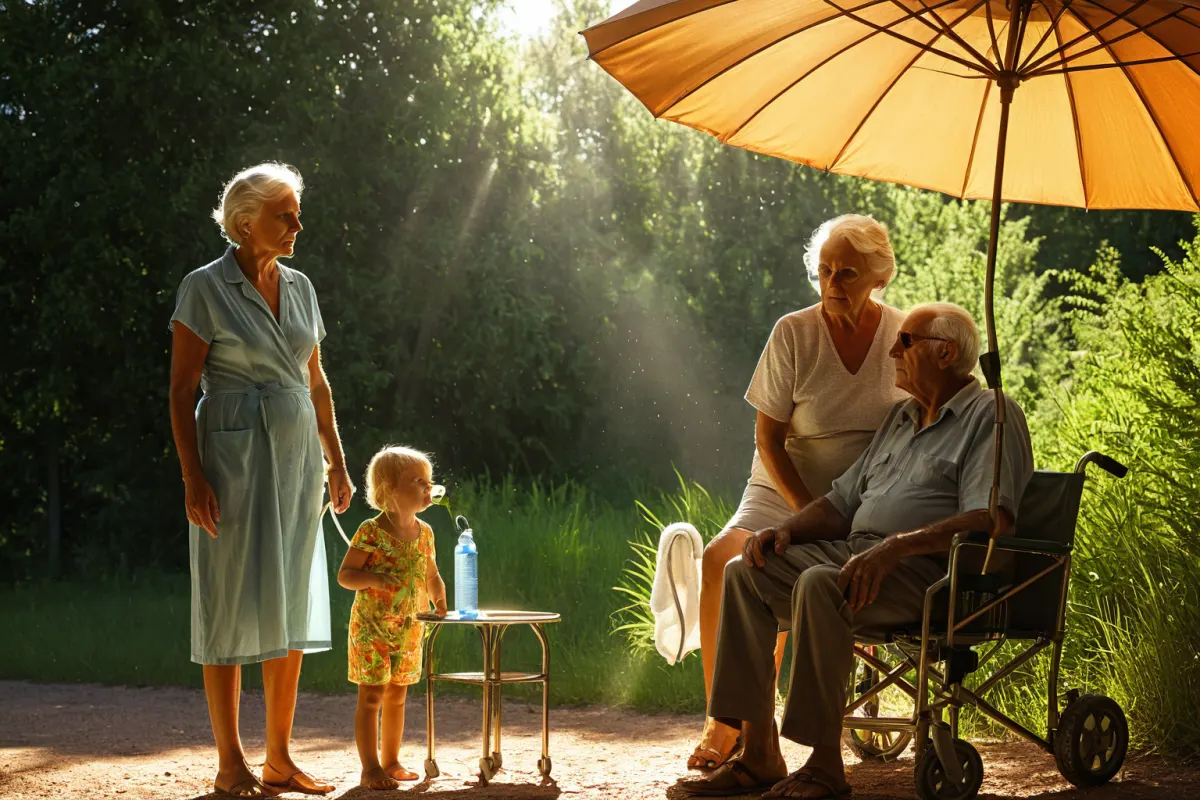
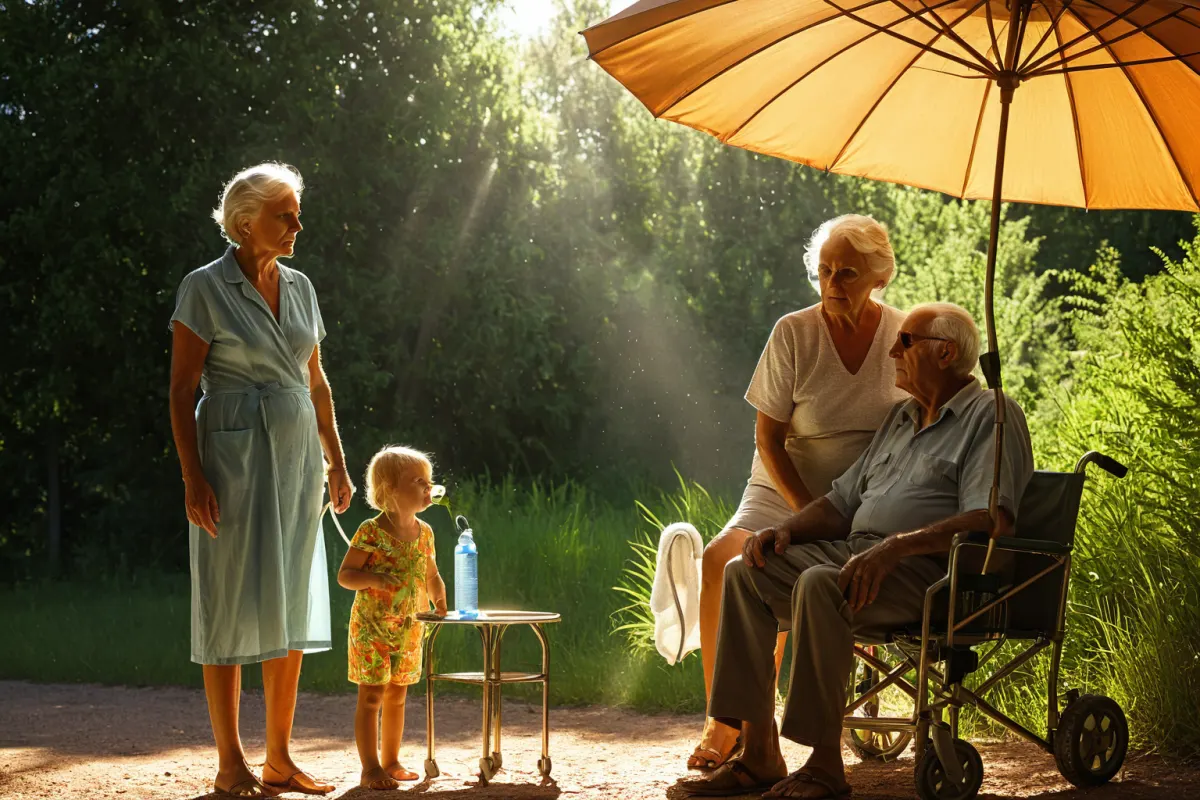
The most important step during heatwaves isn't just water and shade—it's stopping the body temperature of children and elderly from rising before it becomes dangerous. Heat illnesses can be especially risky because symptoms often aren't obvious until it's too late. Young children may not regulate their body temperature well, while older adults might feel thirsty later than others, making them more prone to dehydration and heat exhaustion even in the same weather.
As heatwaves last longer, simple phrases like "I'll just step outside for a minute" no longer guarantee safety. Short outings, waiting in cars, or poor indoor ventilation can all increase risks. That's why recognizing early symptoms and building daily habits to prevent heat illness is essential.
Why Heat Illness Is Dangerous
Heat illnesses occur when the body can't release excess heat properly. Common types include heat cramps, heat exhaustion, and heatstroke—where heatstroke requires immediate medical attention.
The problem is that symptoms often start subtly: headaches, dizziness, cold sweats, or nausea might be mistaken for normal discomfort. People may think "I'll rest a bit and feel better," but ignoring these signs can lead to sudden worsening.
Children might get heat illness while playing outdoors, and elderly people could develop it even at home with just a fan running. Since their bodies handle heat differently, the same environment poses varying risks for different age groups.
You can find similar articles on this topic in one place.
View Related ArticlesPrecautions for Children
Children often say they don't feel too hot even when sweating. They might keep playing without stopping or forget to drink water, so constant monitoring by caregivers is essential.
Spaces like strollers, cars, and playgrounds where sunlight hits directly can quickly raise body temperature. Even with sweat, heat may not escape easily, leading to rapid fatigue.
For example, a 6-year-old playing in the park for just 20 minutes might start turning red-faced and speaking less. Instead of saying "Just play a bit more," moving them to shade and offering small sips of water is safer.
To make prevention easier for children:
- Offer small sips every 30 minutes when going out
- Dress in light-colored, breathable clothing with hats
- Pause playtime if sweating heavily to rest
- Never leave them alone in a car
Leaving children unattended in cars is extremely dangerous. Even for short periods, temperatures inside can rise rapidly, so never assume it's safe to leave them alone.
Precautions for the Elderly
Older adults may not feel thirsty easily or could be more vulnerable to dehydration due to health conditions or medications, especially blood pressure pills, diuretics, or diabetes medication. Careful management is needed.
Even at home, they shouldn't be left unattended without care. Opening windows might not help if airflow is poor or humidity is high, making it hard for body heat to dissipate. Elderly people living alone may say "I'm fine" but become ill before being noticed, so regular check-ins are vital.
Watch out for these changes:
- Less talkative and appears dazed
- Refuses food or water
- Dizziness leading to frequent sitting
- Rapid pulse with cold sweats
For example, an 78-year-old living alone might stay without air conditioning in the afternoon, opening only a window. High indoor temperatures could cause heat exhaustion. In such cases, relying on fans isn't enough—lowering room temperature is key.
Early Signs of Heat Illness
Recognizing early warning signs before things get serious is critical during heatwaves. Common early symptoms include intense thirst, headaches, dizziness, nausea, and fatigue.
If you suspect heat exhaustion, move to a cool place, loosen clothing, and offer small sips of water or electrolyte drinks. However, if consciousness is impaired or vomiting occurs, don't force feeding—seek help immediately.
Heatstroke requires urgent action: high fever, confusion, loss of consciousness, or unusually hot skin mean you should call 119 (emergency number) right away. This isn't something to manage at home—it needs emergency care.
Daily Prevention Habits You Can Start Today
Prevention doesn't need to be complicated—simple, repeatable habits work best. Focusing on water, rest, and cool environments can significantly reduce risk.
Integrating these into your daily routine makes it easier:
- Drink a cup of water before going out
- Cool the neck, armpits, and wrists with cold compresses
- Block direct sunlight with curtains or blinds
- Check in by phone or visit elderly living alone
Don't assume "I'm not hungry so I don't need water"—staying hydrated is more important than food intake during hot weather. Sipping small amounts frequently is better than waiting until you feel thirsty.
Emergency Response When Outside
If someone seems to be suffering from heat illness outside, act in this order: move them to a cool place, loosen clothing, and cool the body. Using cold towels or ice packs on the neck and armpits is more effective than fans or handheld fans.
If they're conscious, small sips of water may help. But if confused or collapsed, forcing fluids can be dangerous—call for emergency help first.
When checking on children or elderly people, look for changes in face color, speech patterns, or walking instead of just asking "Are you okay?" Subtle differences from normal behavior should not be ignored.
Common Mistakes During Heatwaves
Many believe drinking water alone is enough, but rest time and environment matter more. Sweating heavily while skipping air conditioning or staying in poorly ventilated spaces can lead to exhaustion quickly.
Another common mistake is forgetting that heat illness can occur indoors. Cooking for long periods, napping in sunny rooms, or lingering in cooling gaps (cold spots) can all increase risk. On hot days, even indoor routines should be checked carefully.
If you have children or elderly family members at home, avoid setting air conditioning too cold. Instead, maintain a balanced temperature and humidity level, checking their condition periodically. While overly cool environments aren't ideal either, during heatwaves the priority is preventing heat buildup.
FAQ
Q1. Can drinking water often prevent heat illness?
Water is important but not sufficient on its own. Shade, rest, cooling, and appropriate clothing are also needed.
Q2. How to tell if a child has heat exhaustion?
If their face turns red, they seem tired or speak less than usual, and feel dizzy, suspect heat exhaustion. Move them to a cool place and observe their response.
Q3. What's most important for elderly people living alone during heatwaves?
Maintaining indoor temperature and checking hydration. If communication is difficult or unusual behavior appears, check immediately.
Heatwave warnings and emergency response guidelines may vary slightly each year, so it's best to review the latest health notices alongside official announcements.
Continue exploring similar topics.
View Category ArticlesFAQ
Can drinking water often prevent heat illness?
Water is important but not sufficient on its own. Shade, rest, cooling, and appropriate clothing are also needed.
How to tell if a child has heat exhaustion?
If their face turns red, they seem tired or speak less than usual, and feel dizzy, suspect heat exhaustion. Move them to a cool place and observe their response.
What's most important for elderly people living alone during heatwaves?
Maintaining indoor temperature and checking hydration. If communication is difficult or unusual behavior appears, check immediately.
Korean Source
This article is an English localization of a Korean-language report from BlogScore. Original: 폭염 온열질환 급증, 어린이·노약자 주의할 점