
5 Essential Steps to Take When a Heatwave Warning Is Issued
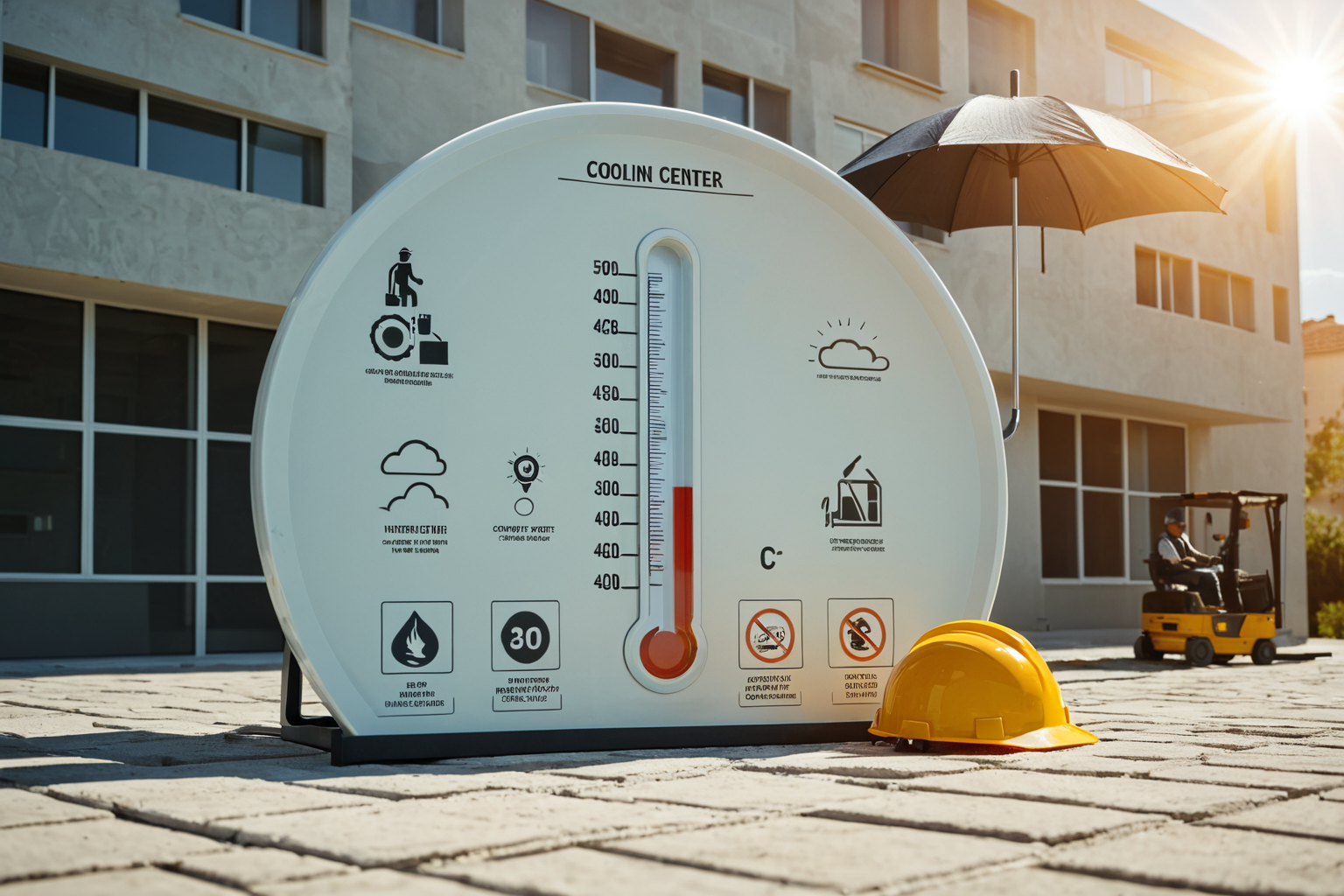
When a heatwave warning is issued, the first step is to check the heat index. If the heat index reaches 38°C or higher, outdoor work must be immediately stopped—a requirement outlined in revised regulations from the past 18 years. Seoul has upgraded its response to 'serious' and activated its disaster safety headquarters, while nationwide efforts to operate cooling centers and support vulnerable groups are expanding.
Revised Heatwave Warning System and Heat Index Standards
The newly updated heatwave warning system, revised after 18 years, establishes step-by-step action guidelines. Notably, the rule requiring outdoor work to stop when the heat index exceeds 38°C has been strengthened. This was announced by the Ministry of Employment and Labor on May 13th, aiming to minimize heat-related illnesses. The revision shifts from focusing solely on air temperature to prioritizing the heat index—better reflecting how heat impacts the human body. It's not just about stricter rules but building a practical response system.
Protecting Vulnerable Groups and Cooling Center Operations
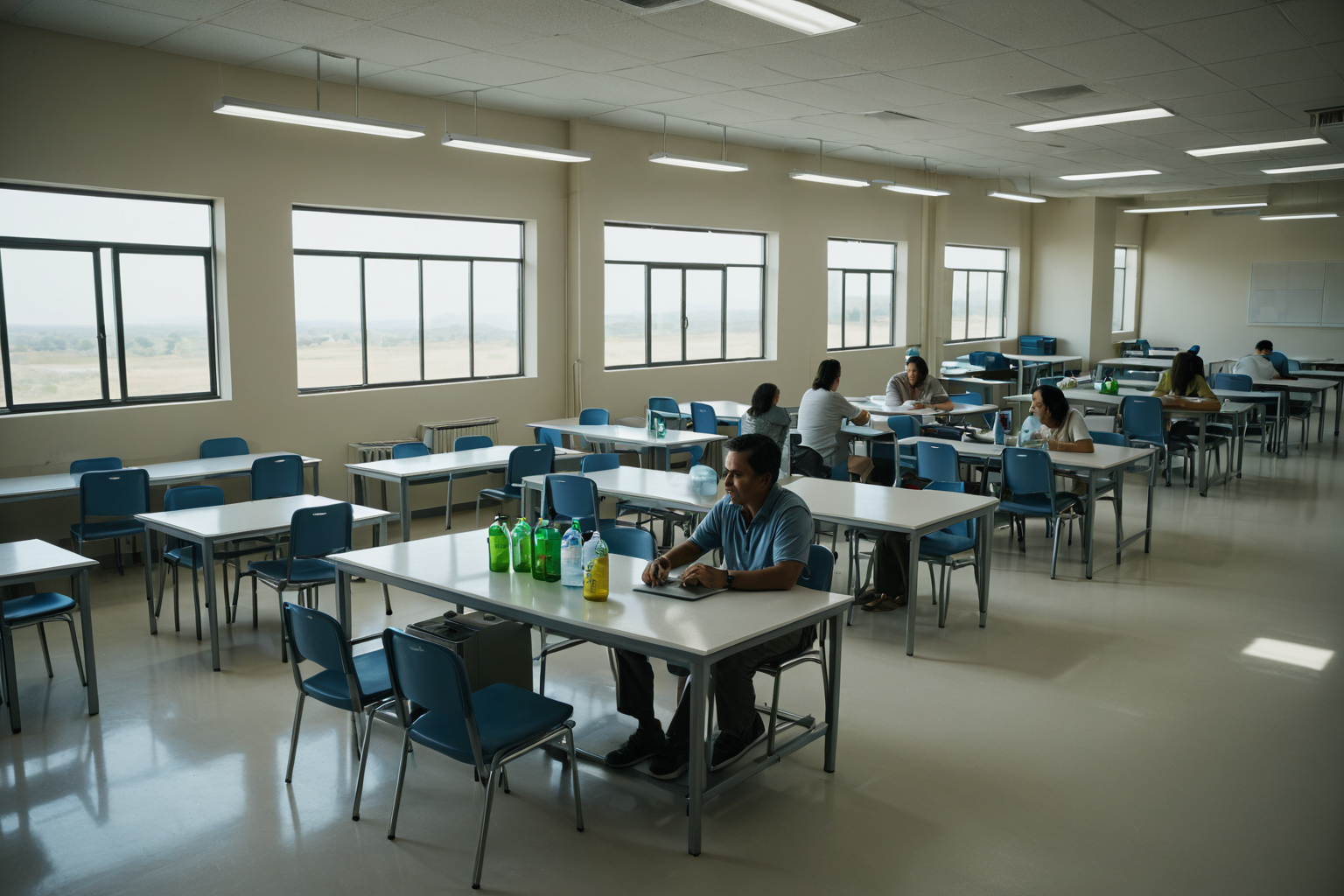
Seoul and local governments are supporting 170 vulnerable households with heatwave response supplies, while Suwon Special City has opened 614 cooling centers to allow residents to safely seek shelter. Elderly individuals and workers are particularly at risk of heat-related illnesses, so they should move to cooling centers immediately when a heatwave warning is issued. Additionally, the Sejong Education Office is distributing heatwave response guidelines through student-created videos. Support for vulnerable groups goes beyond basic supplies—it involves community collaboration for comprehensive responses. For instance, Ulsan Dong-gu holds regular meetings to prepare for summer heatwaves and Cheongsong County has implemented a comprehensive safety plan for elderly residents. To ensure these localized strategies work effectively, the government is enhancing information-sharing systems between local authorities.
Heatwave-Related Incidents
In Daegu and Gyeongbuk regions, 16 people—including workers—reported heat-related illnesses after the first 'Severe Heatwave Warning' was issued. This highlights the serious health risks that can occur if immediate action isn't taken when a warning is activated. In Busan, temperatures reached 34.8°C, marking the hottest day in 93 years, and the Meteorological Administration declared a national emergency due to four simultaneous warnings. Heatwave incidents extend beyond health issues—they can cause economic losses like reduced agricultural productivity. Especially vulnerable are elderly workers in fields, making protective policies for this group increasingly urgent. The Ministry of the Interior has issued heatstroke alerts targeting elderly field workers with specific warning messages.
Preventing and Responding to Heatstroke
A high risk of heatstroke occurs when body temperature rises above 40°C or consciousness becomes impaired. In such cases, move immediately to a cool place, hydrate, and cool the body with water. Elderly individuals working in fields are particularly vulnerable, so minimizing outdoor activity during heatwave warnings is crucial. Step-by-step action guidelines for heatwave response are being distributed by schools and education offices. Prevention isn't just about drinking water—it also requires proper rest periods and promoting sweat evaporation. During a heatwave warning, it's important to drink water regularly and replenish fluids lost through sweating.
Heatwave Response Systems and Local Examples
Seoul has upgraded its response to 'serious' and activated its disaster safety headquarters, as announced on August 8, 2024. This applies across Seoul when a heatwave warning is issued, with relevant precautions shared accordingly. Gyeongbuk Province will operate a dedicated heatwave task force until late September to minimize casualties and property damage. Additionally, the KBO (Korea Baseball Organization) canceled three consecutive games on July 7–9 due to the heatwave and decided to start matches after 7 PM for the time being. In Seoul, activating the disaster safety headquarters enables faster responses, while Gyeongbuk’s task force strengthens preventive measures. These systematic approaches help minimize heatwave-related damage.
Key Information to Verify
The first thing to check when a heatwave warning is issued is the heat index. The Meteorological Administration recommends stopping outdoor work if the heat index exceeds 38°C, aligning with labor ministry regulations. Cooling center locations and support for vulnerable groups are publicly available through local governments, so checking regional details is advisable. During a heatwave warning, you can check heat index forecasts and cooling center locations on the Meteorological Administration website and local government sites. Note that the heat index varies based on environmental factors like humidity and wind—not just air temperature—so verifying information through official channels is essential for accuracy.
Frequently Asked Questions
Should outdoor work be stopped if the heat index exceeds 38°C?
Yes. According to regulations set by the Ministry of Employment and Labor, outdoor work must stop immediately when the heat index reaches or exceeds 38°C.
How should elderly people and workers respond when a heatwave warning is issued?
Elderly individuals and workers are considered high-risk groups for heat-related illnesses. When a heatwave warning is issued, they should move to cooling centers immediately, minimize outdoor activities, and emphasize hydration.
Where are cooling centers operated?
Suwon Special City has opened 614 cooling centers, and regional details about cooling center operations can be found on local government websites.
You can view similar articles in one place.
View More Related ArticlesFAQ
Should outdoor work be stopped if the heat index exceeds 38°C?
Yes. According to regulations set by the Ministry of Employment and Labor, outdoor work must stop immediately when the heat index reaches or exceeds 38°C.
How should elderly people and workers respond when a heatwave warning is issued?
Elderly individuals and workers are considered high-risk groups for heat-related illnesses. When a heatwave warning is issued, they should move to cooling centers immediately, minimize outdoor activities, and emphasize hydration.
Where are cooling centers operated?
Suwon Special City has opened 614 cooling centers, and regional details about cooling center operations can be found on local government websites.
Korean Source
This article is an English localization of a Korean-language report from BlogScore. Original: 폭염주의보 발령 시 꼭 알아야 할 5가지 조치