
Heatstroke Risks Surge in Extreme Heat, Especially for Seniors and Children


Record-Breaking Heatwaves Increase Heatstroke Risk
Recent record-breaking heatwaves have led to a surge in heatstroke cases. Seniors aged 65 and older, as well as young children, are identified as primary high-risk groups. The government and local authorities have issued extreme heat warnings and implemented various preventive measures.
Who Is Most at Risk for Heatstroke?
According to the Korea Disease Control and Prevention Agency, 30% of heatstroke patients are aged 65 or older, meaning three out of every ten cases involve seniors. This trend has been observed throughout the ongoing hot season. In Incheon City, 2,837 high-risk elderly individuals are checked daily for safety.
Children are also vulnerable to extreme heat due to their underdeveloped temperature regulation systems, which can lead to rapid dehydration. In North Jeolla Province, there have been reports of livestock deaths due to the heat, and survival threats from heatwaves have been confirmed at sea as well.
Heatstroke Symptoms and Emergency Response
Early symptoms of heatstroke include dizziness, cold sweats, and nausea—caused by dehydration and excessive body temperature rise. In an emergency, move immediately to a cool place, drink water, and rest.
If severe symptoms appear, call 119 (emergency number) for professional assistance. The recommended prevention mantra is 'water, shade, rest.' A total of 51 people visited emergency rooms due to heatstroke on one particularly hot day.
Government and Local Authority Response Measures
The Korea Disease Control and Prevention Agency issued its first 'Extreme Heat Warning' on July 12, 2026, urging adherence to health guidelines. Work stoppages are enforced during peak heat periods.
Incheon City checks the safety of 2,837 high-risk elderly individuals daily, while Daegu Nambu Education Office has created cooling kits distributed to vulnerable seniors. In Gangneung City, 15 public health centers and clinics operate 'health rest areas' where citizens can take breaks.
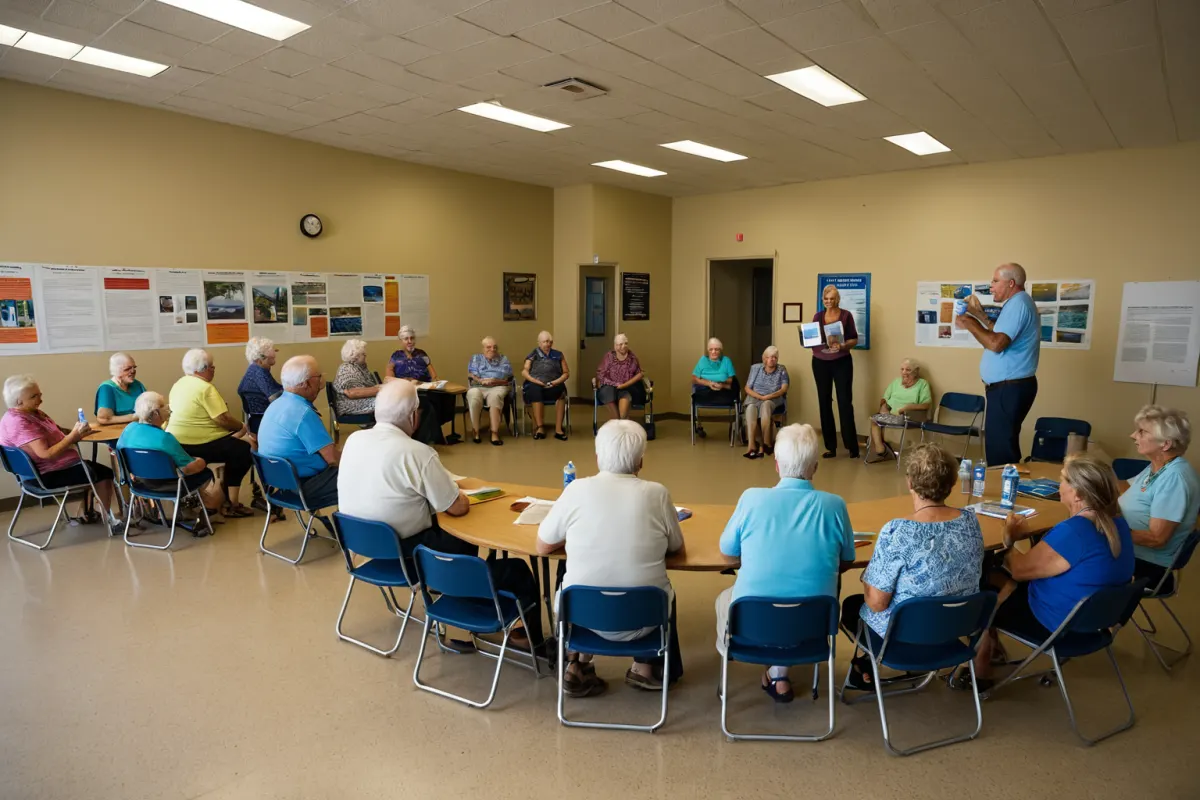
Uiwang City and Jeongpyeong County have conducted heatstroke prevention education for seniors, while Daeduk District Elderly Comprehensive Welfare Center has provided heatstroke prevention kits to participants in the 'No-No Care' program. Chilgok volunteer groups are also actively working to ensure senior safety.
Regional Prevention Examples and Practical Steps
In North Gyeongsang Province, 57% of heatstroke cases occurred among seniors aged 60 or older, indicating a need for more targeted preparations.
In Buk-i-myeon (a rural area), heatstroke prevention education has been conducted. In Jeongpyeong County Elderly Welfare Center, safety education for seniors regarding heatwaves is ongoing. The 'health rest areas' operated by 15 public health centers and clinics in Gangneung City have become popular spots for citizens to take breaks.
Uiwang City has implemented heatstroke prevention education for elderly individuals collecting recyclables, while Daeduk District Elderly Comprehensive Welfare Center has provided prevention kits to 'No-No Care' participants. These localized preventive activities should be expanded further.
Precautions for Heatstroke Prevention
Especially for children and seniors, encourage indoor hydration and rest in cool environments. When going out, use sunscreen and wear hats.
In areas with health rest centers, citizens can take free breaks, and it's recommended to utilize public facilities with air conditioning. Minimize outdoor activities during peak heat hours and stay indoors whenever possible for safety.
Regional Strategies for Heatstroke Prevention
Local governments are implementing various strategies including operating health rest centers, distributing cooling kits, and conducting heatstroke prevention education. The 'health rest areas' operated by 15 public health centers in Gangneung City have become a popular spot for citizens to take breaks.
Incheon City's high-risk elderly safety check system and Daegu Nambu Education Office's distribution of cooling kits are effective preventive strategies being highlighted. Uiwang City's heatstroke prevention education for recyclable collectors among seniors is gaining attention as a good example of strengthening social solidarity.
The 57% heatstroke rate among seniors aged 60 or older reported in North Gyeongsang Province provides important data for developing localized preventive strategies. Heatwave response policies should be improved based on such data-driven insights.
Key Points to Remember for Heatstroke Prevention
If heatstroke occurs, immediately move to a cool place, drink water, and rest. Dehydration and excessive body temperature can worsen quickly, making prompt action essential.
Especially for children and seniors who are more vulnerable to extreme heat, encourage indoor hydration and rest in cool environments. When going out, using sunscreen and wearing hats is recommended.
Frequently Asked Questions
What are the early symptoms of heatstroke?
Dizziness, cold sweats, nausea—these occur due to dehydration and excessive body temperature rise.
If you must go out during peak heat hours, how should you prepare?
Use sunscreen and wear a hat. Drink water every 20 minutes if possible. Taking breaks indoors is the safest option.
Where can I use health rest centers?
They are currently operating at 15 public health centers and clinics in Gangneung City, with various public facilities offering similar services across regions. Check your local government website for specific locations.
Frequently Asked Questions
Record-breaking heatwaves have led to a surge in heatstroke cases, particularly among seniors over 65 and young children. The government and local authorities are implementing preventive measures such as safety checks for vulnerable populations, health rest centers, cooling kits, and heatstroke prevention education.
Incheon City's high-risk elderly safety check system and Daegu Nambu Education Office's distribution of cooling kits are effective examples being highlighted. Localized preventive strategies should be expanded further, and individuals should take on a social responsibility to help vulnerable groups during extreme heat conditions.
You can view similar articles all at once.
View Related ArticlesFAQ
What are the early symptoms of heatstroke?
Dizziness, cold sweats, nausea—these occur due to dehydration and excessive body temperature rise.
If you must go out during peak heat hours, how should you prepare?
Use sunscreen and wear a hat. Drink water every 20 minutes if possible. Taking breaks indoors is the safest option.
Where can I use health rest centers?
They are currently operating at 15 public health centers and clinics in Gangneung City, with various public facilities offering similar services across regions. Check your local government website for specific locations.
Korean Source
This article is an English localization of a Korean-language report from BlogScore. Original: 폭염 속출 온열질환, 특히 어르신과 어린이 주의 필요