
Heatstroke Cases Triple as Extreme Heat Patterns Shift: What You Need to Know
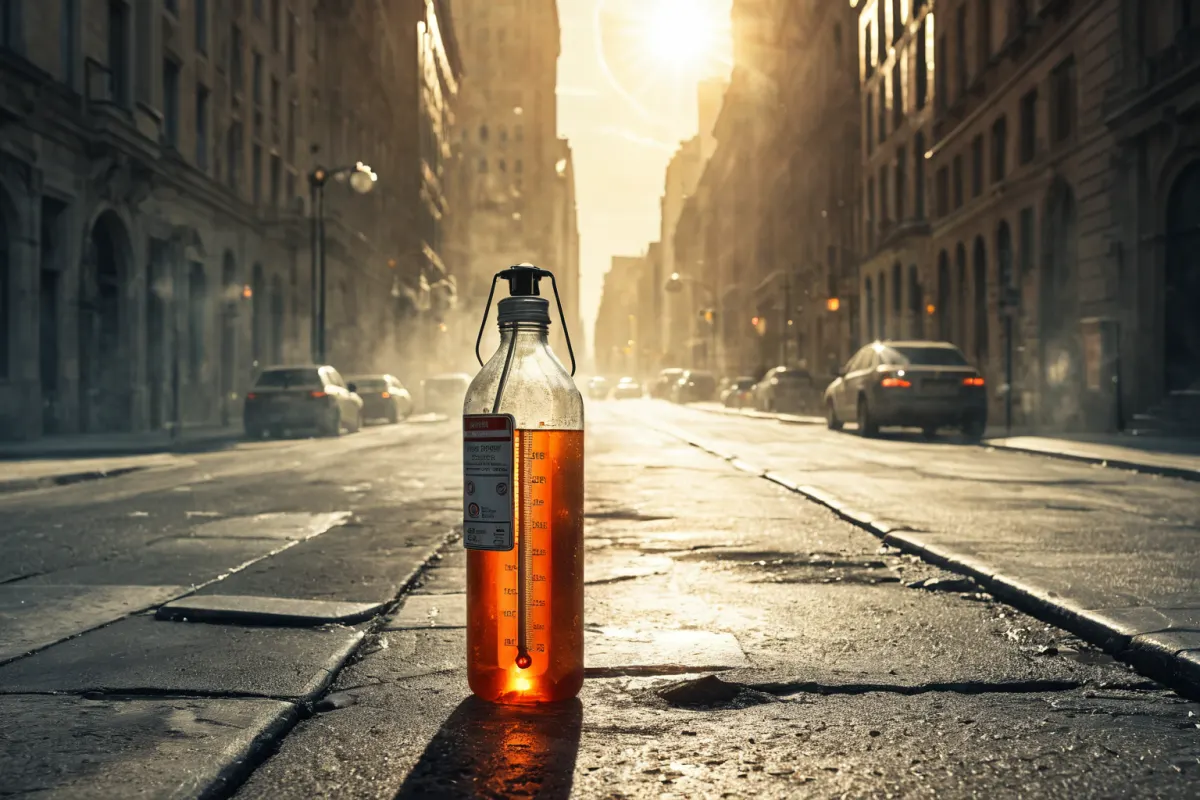
The recent tripling of heatstroke cases is not just another summer warning—it’s a stark reminder that anyone can collapse suddenly in extreme heat. As prolonged heatwaves extend into the night without relief, conditions like heat exhaustion, heat cramps, and life-threatening heatstroke are rising rapidly.
Key takeaway: Being cautious only during midday sun isn’t enough. Sudden temperature shifts between indoor and outdoor spaces combined with inadequate hydration can put even young people at risk, while outdoor workers and the elderly face heightened dangers.
The Real Meaning Behind the Tripling Heatstroke Cases
A sharp rise in heatstroke cases means more patients arriving at emergency rooms—not just feeling hotter. This requires urgent action compared to normal conditions.
Heatstroke typically falls into two categories: heat exhaustion (dizziness, extreme fatigue) and heatstroke (loss of body temperature regulation leading to confusion or unconsciousness). What seems like a minor discomfort can quickly escalate into serious danger.
Find similar articles in one place.
View Related ArticlesWhy Heatwaves Are Getting Longer and More Dangerous
Recent patterns show heat isn’t just intense for short bursts—it lingers longer, with nights offering little relief from high temperatures (known as ‘heat island effect’ in urban areas). Without recovery time, the body stays overheated.
This environment means sweat doesn’t cool you down effectively, sleep quality drops, and next-day exhaustion worsens. High-risk spots include commutes, outdoor work sites, greenhouses, and festivals—places where heat lingers without escape.
Why Vulnerable Groups Suffer More
Elderly individuals may not feel thirst as acutely, delaying hydration, while chronic conditions can impair temperature regulation. Medications like diuretics or blood pressure drugs increase dehydration risks.
Children and outdoor workers also face dangers. Kids struggle to communicate discomfort clearly, and workers often ignore early symptoms thinking ‘I’ll push through.’
Even seemingly healthy people can suddenly develop symptoms. After exercise, persistent headaches, nausea, muscle cramps, or cold sweats shouldn’t be dismissed as simple fatigue.
Early Warning Signs of Heatstroke
Initial signs include dizziness, unusual tiredness, weakness in limbs, rapid pulse, and abnormal sweating (either excessive or none at all).
The critical point: Don’t ignore mild symptoms. Seek help if you notice:
- Sudden dizziness or headache
- Nausea, vomiting, loss of appetite
- muscle cramps or extreme weakness
- Confusion or slurred speech
- Elevated body temperature with hot skin
If heatstroke is suspected, do not let the person drink water while unconscious. Move them to a cool place immediately and call emergency services (119 in South Korea).
Simple Daily Habits for Prevention
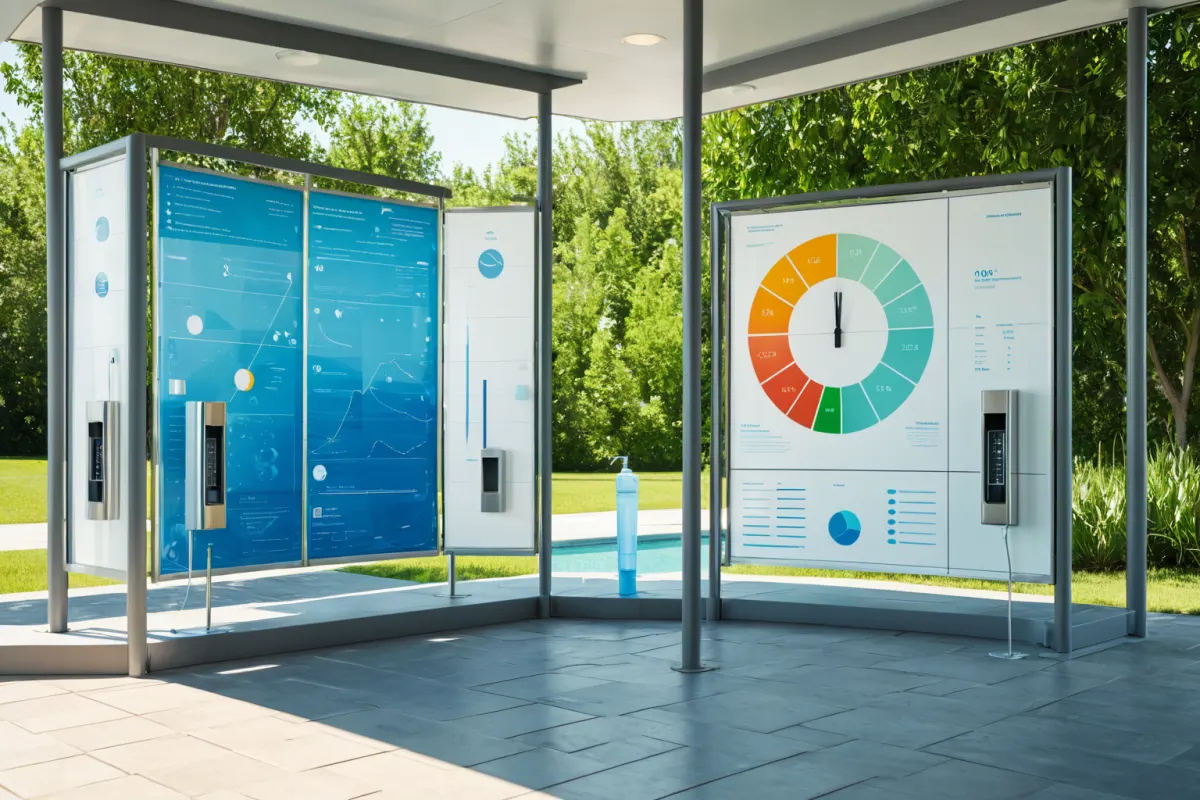
Prevention starts with small habits: Drink water before feeling thirsty, especially on sweaty days when electrolyte replenishment matters more.
Avoid direct sunlight during peak hours (late morning to early afternoon), and if outdoors is unavoidable, plan shaded breaks in advance. Breathable fabrics, light clothing, and hats help too.
Indoors isn’t safe either: Use fans with ventilation instead of relying solely on AC, avoid staying in hot rooms for long periods, and check on elderly neighbors living alone regularly.
Workplace Safety Measures
Outdoor work requires structured safety plans—not just individual awareness. Scheduled breaks are essential to prevent overexertion. Ensure water access and shaded areas are available before starting work.
For example, construction sites should schedule 30–60 minute cool-down periods every hour. Farmworkers should avoid midday heat by adjusting schedules to early morning or evening.
If a coworker seems unusually quiet or unsteady, don’t dismiss it as tiredness—move them to shade immediately and assess their condition.
How Daily Life Is Changing
The surge in heatstroke cases signals that extreme heat is reshaping daily routines. What once meant watching out for a few hot hours now requires constant management from morning until night.
<Even indoors, poor cooling or frequent walking between heated spaces can build up body heat. Checking weather forecasts and perceived temperature before going out has become essential.
Another key insight: People who skip water intake are more likely to miss early symptoms. Drinking water at regular intervals—even when not thirsty—is safer than waiting for thirst cues.
What to Do in an Emergency
If someone collapses or seems confused, move them out of the heat immediately. Loosen clothing and cool the body with wet cloths, cold water, or fans.
If conscious, they can sip small amounts of water—but if unconscious or vomiting heavily, forcing liquids is dangerous. Heatstroke worsens quickly without prompt care; call emergency services right away.
After experiencing such an event once, recognizing early signs faster becomes critical. When in doubt, stop and rest—never push through discomfort.
FAQ
Q1: Is a tripling of heatstroke cases really that serious?
A: Yes. The surge reflects more emergency room visits—not just minor discomfort. It can lead to fainting or life-threatening heatstroke if ignored.
Q2: Can drinking lots of water alone prevent heatstroke?
A: Hydration is important but not sufficient on its own. Shade, rest, proper clothing, and timing are equally critical.
Q3: Can you get heatstroke indoors?
A: Yes. Poorly cooled spaces, poorly ventilated rooms, or long car rides can create indoor risks too.
Weather patterns and heat alerts change yearly, so check the latest forecasts before heading out or starting work.
Explore more articles on similar topics.
View Category ArticlesFAQ
Is a tripling of heatstroke cases really that serious?
Yes. The surge reflects more emergency room visits—not just minor discomfort. It can lead to fainting or life-threatening heatstroke if ignored.
Can drinking lots of water alone prevent heatstroke?
Hydration is important but not sufficient on its own. Shade, rest, proper clothing, and timing are equally critical.
Can you get heatstroke indoors?
Yes. Poorly cooled spaces, poorly ventilated rooms, or long car rides can create indoor risks too.
Korean Source
This article is an English localization of a Korean-language report from BlogScore. Original: 온열질환자 3배 급증, 원인과 최근 경향은?