
Heatstroke Cases Triple as Summer Heat Intensifies
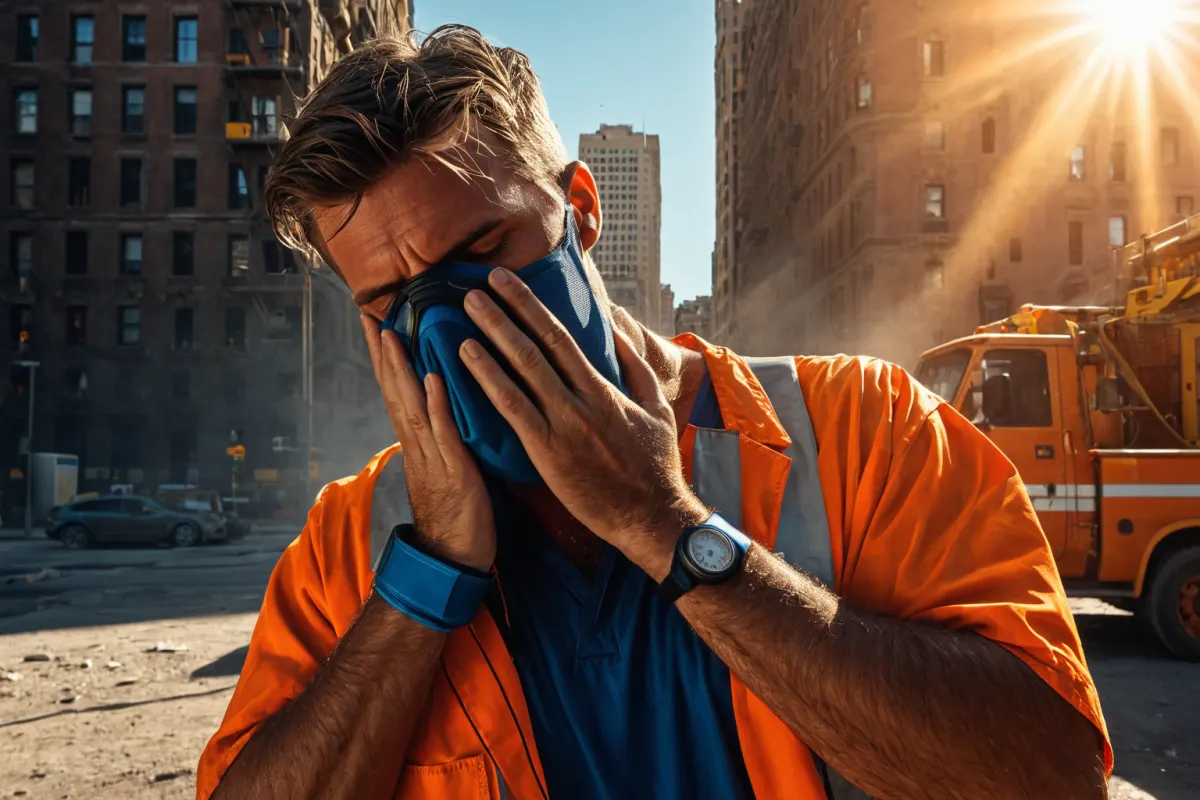
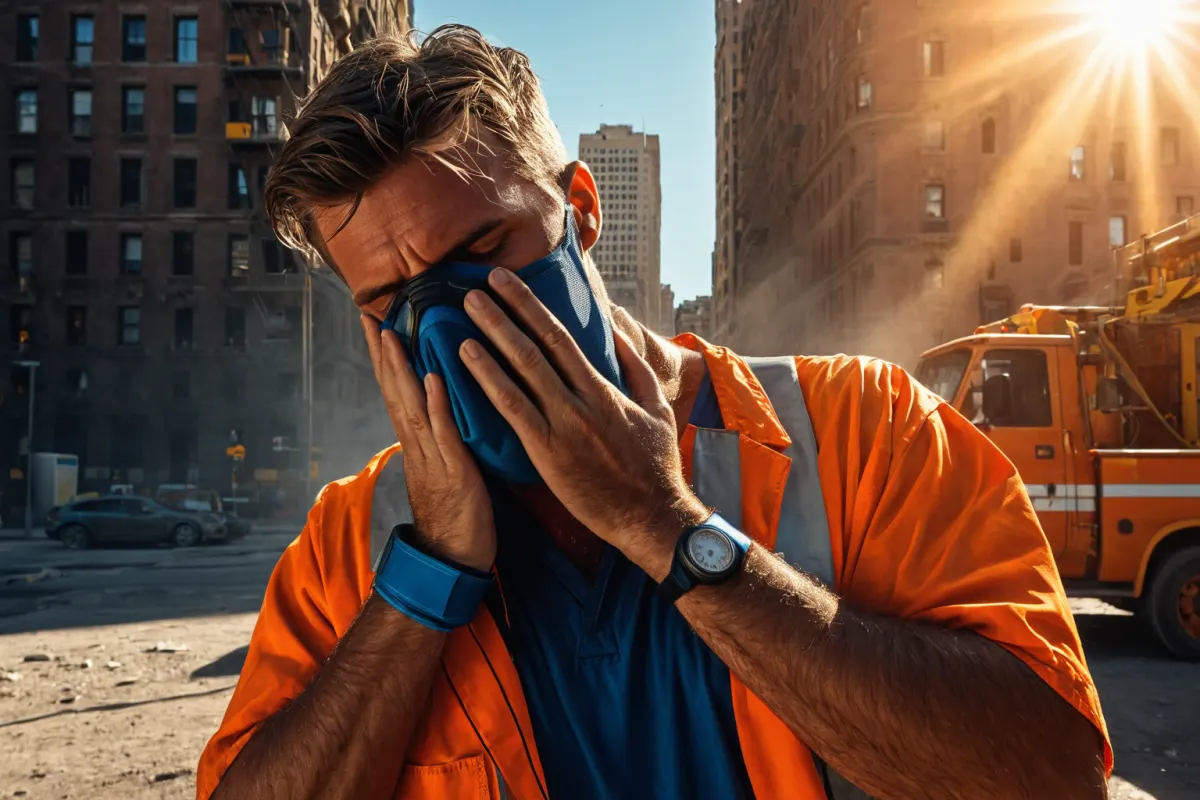
The sharp rise in heatstroke cases this summer isn't just a statistic—it's a warning that the daily risks of extreme heat are growing. The main drivers are earlier and longer heatwaves, combined with outdoor labor, extended outdoor activities, and insufficient cooling in indoor spaces.
Heat exhaustion and heat cramps can be easily overlooked as "just a moment more," but symptoms can rapidly worsen within minutes after onset. Understanding the circumstances that lead to these cases is more critical than simply noting the increased numbers.
The Primary Cause of Rising Heatstroke Cases
The first factor isn't just higher temperatures, but a significantly higher heat index due to humidity. High humidity prevents sweat from evaporating effectively, making even moderate temperatures feel much more oppressive—33°C (91°F) with high humidity feels far hotter than the same temperature in dry conditions.
Secondly, lifestyle changes have increased exposure. Workers in construction, agriculture, delivery services, security, and event management spend extended periods outdoors where heat accumulates, while indoor spaces with poor ventilation also pose risks.
The third factor is excessive activity during peak heat. Exercising in the hottest part of the day, engaging in outdoor activities after drinking alcohol, or moving for long periods without adequate hydration disrupts the body's temperature regulation. Many people feel they're acting normally but their bodies can't cope as expected.
You can find similar articles in one place.
View Related ArticlesDifferent Symptoms by Heat Illness Type
Heat illnesses may seem similar, but symptoms and severity vary. Heat cramps often begin with painful muscle contractions, while heat exhaustion can involve severe fatigue, dizziness, headaches, and nausea.
The most dangerous is heatstroke. Signs include confusion, slurred speech, hot skin without sweating, and loss of consciousness. This stage requires immediate emergency care—not waiting to see if it improves at home.
For example, an outdoor worker suddenly turning pale with cold sweat saying "I have no strength" likely has heat exhaustion. If they're disoriented or staggering, it's a more severe condition requiring urgent attention.

Peak Times for Heat Illnesses
The most dangerous period is typically between noon and 4 p.m. when sunlight intensity peaks and ground radiation adds to the heat, leaving little chance for the body to cool down. The same activity in the morning versus afternoon feels completely different.
An often overlooked risk time is nighttime. Prolonged heatwaves (heat waves that continue through the night) prevent deep sleep, reducing recovery capacity. Starting another hot day without adequate rest makes the body more vulnerable.
So thinking "just be careful during daytime" is dangerous. Fatigue accumulated during the day can lead directly to heat illness the next day.
Vulnerable Groups at Higher Risk
Children, elderly individuals, and those with chronic health conditions need special attention. Their bodies regulate temperature less effectively or are more prone to dehydration, making them feel the heat faster and face greater risks.
People taking blood pressure medication, diuretics, or psychiatric medications may also be affected. These drugs can disrupt sweat regulation or fluid balance, causing dehydration symptoms to appear sooner than usual.
Obesity, alcohol consumption habits, and lack of sleep are indirect risk factors. When the body is already fatigued, it has less resilience against heat stress.
Immediate First Aid for Heat Illness
If heat illness is suspected, move to a cooler area immediately—shade or air-conditioned indoor space. Loosen clothing and drink water slowly if possible, but do not force food or liquids if the person is confused or vomiting.
Cooling the body quickly is essential. Apply cold compresses to areas with major blood vessels like the neck, armpits, and groin. Use fans or damp towels for additional cooling.
For example, if a coworker suddenly stumbles and struggles during outdoor work, don't assume they'll recover by continuing—stop work immediately, assess their condition, and call 119 (emergency services) if consciousness is impaired or speech is slurred.
Prevention Is Far More Effective Than Treatment
Heatstroke prevention is much easier than treatment. Drink water regularly before feeling thirsty, avoid excessive caffeine or alcohol that increases fluid loss, and wear breathable clothing with hats or umbrellas to reduce perceived heat.
Adjust work or exercise schedules to early morning or after sunset when temperatures are lower. Small habits make a big difference: take 5-minute breaks every 30 minutes, keep water nearby at all times, stop immediately if dizziness occurs.
Commonly Overlooked Risk Situations
Heatstroke doesn't only happen outdoors. Cars, plastic greenhouses, poorly ventilated workspaces, and crowded events also pose risks—especially cars where temperatures can rise rapidly in just minutes.
At home, even with air conditioning, keeping doors closed for long periods creates stagnant air that worsens symptoms. It's better to combine fans with AC or adjust indoor temperature and humidity rather than relying solely on fans during extreme heat.
Also, don't assume "someone who seems fine" is safe. Heatstroke can cause sudden loss of consciousness even when a person appears normal from the outside—so it's critical for those around them to recognize early signs.
Essential Information to Check When Cases Rise
As heatwaves extend, more people will experience heat illness, so check local heatwave warnings, cooling centers, and emergency response systems. Outdoor workers should review work schedule adjustments and rest policies in advance.
If you have elderly family members or those with chronic conditions, a quick daily check-in about hydration can make a significant difference. Heat doesn't resolve by enduring it—early intervention significantly reduces risk.
FAQ
Q1: Why does the threefold increase in heatstroke cases feel so noticeable?
Heatwaves are lasting longer and humidity is higher, reducing the body's cooling time. It's not just more cases—it's that daily exposure to dangerous conditions has expanded significantly.
Q2: How is "heat exhaustion" different from heatstroke?
Mild headaches or fatigue may indicate heat exhaustion, but confusion, slurred speech, or loss of consciousness point to heatstroke. Heatstroke requires immediate emergency response.
Q3: Does drinking more water alone prevent heatstroke?
No—drinking water isn't enough on its own. Rest, moving to shade, adjusting work schedules, and proper clothing are equally important. Once symptoms start, rapid cooling is essential.
Stay updated with the latest heatwave advisories from health authorities before outdoor activities or work, as guidelines may change over time.
Continue exploring similar topics.
View Category ArticlesFAQ
Why does the threefold increase in heatstroke cases feel so noticeable?
Heatwaves are lasting longer and humidity is higher, reducing the body's cooling time. It's not just more cases—it's that daily exposure to dangerous conditions has expanded significantly.
How is "heat exhaustion" different from heatstroke?
Mild headaches or fatigue may indicate heat exhaustion, but confusion, slurred speech, or loss of consciousness point to heatstroke. Heatstroke requires immediate emergency response.
Does drinking more water alone prevent heatstroke?
No—drinking water isn't enough on its own. Rest, moving to shade, adjusting work schedules, and proper clothing are equally important. Once symptoms start, rapid cooling is essential.
Korean Source
This article is an English localization of a Korean-language report from BlogScore. Original: 온열질환자 3배 급증, 왜 이렇게 늘었나