
Healthcare Workers and Patients React to AI Medical Services in Public Health Centers
Healthcare Professionals' Response to AI Medical Services
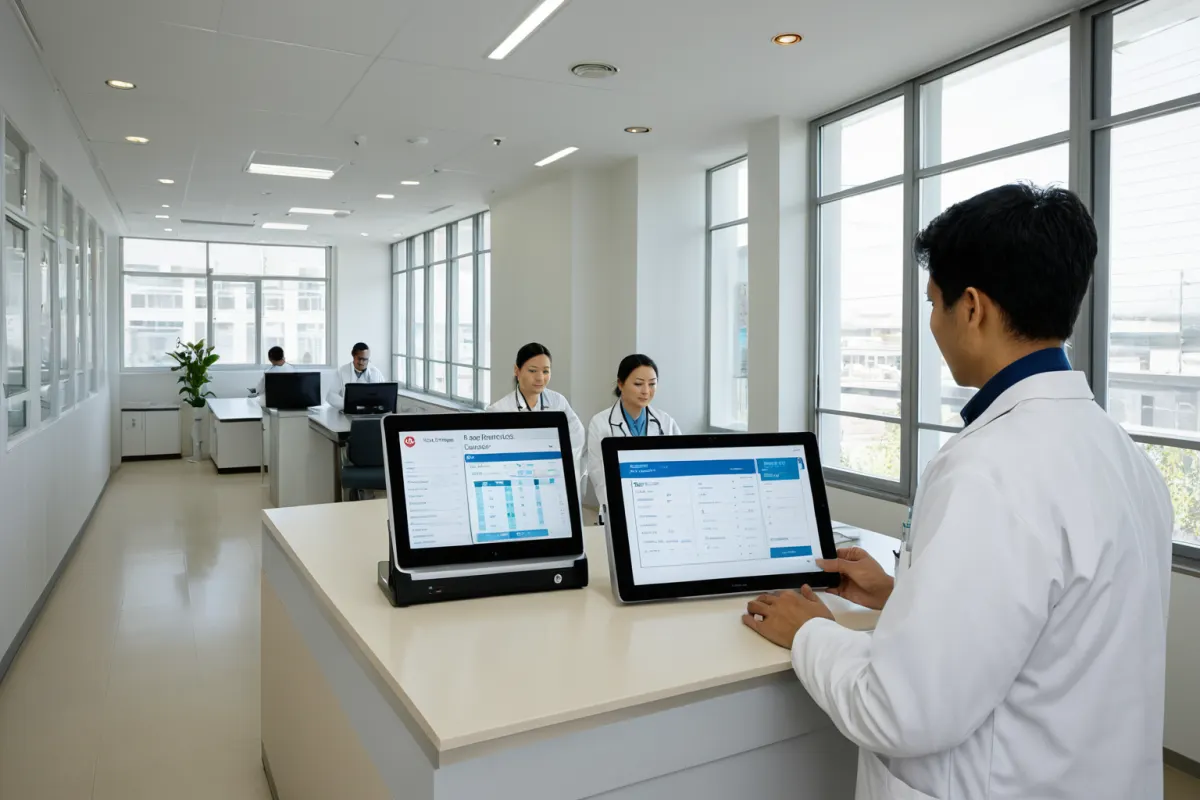
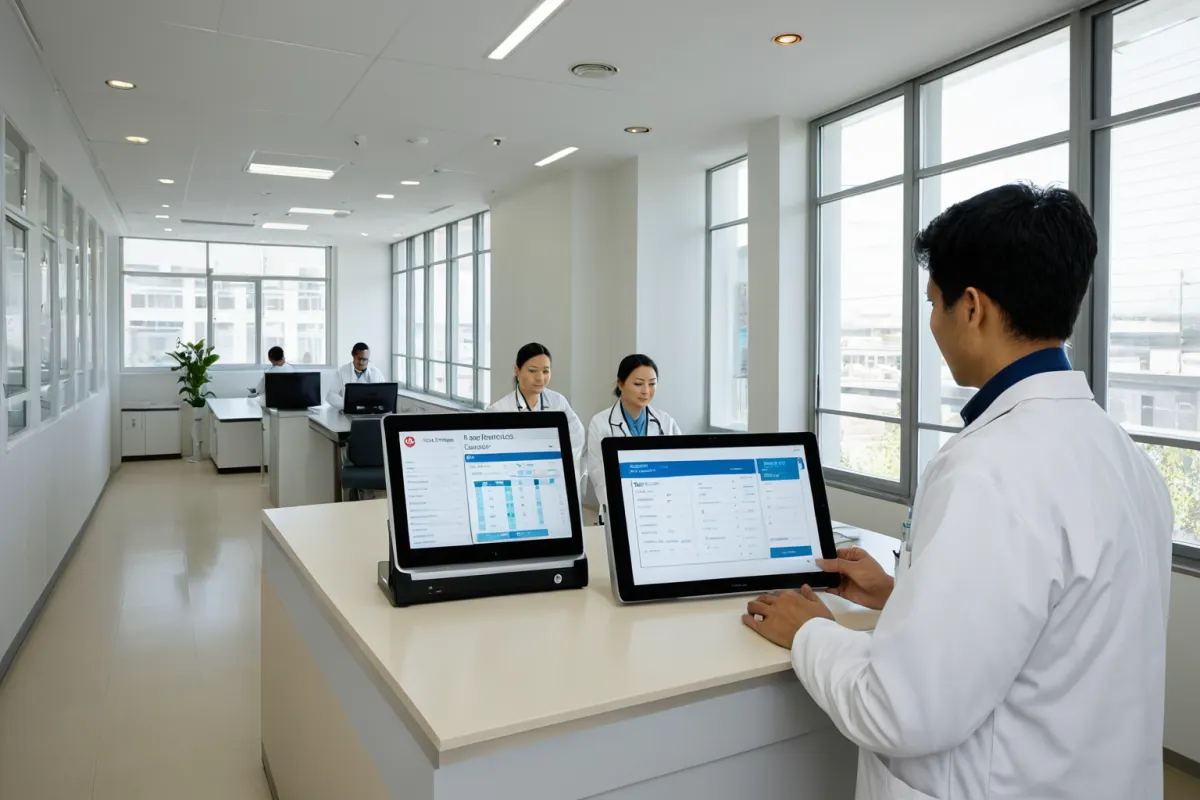
After introducing AI medical tools at public health centers, healthcare professionals have reported significant improvements in clinical efficiency. The establishment of an 'AI Healthcare Network' connecting 72 public hospitals has enabled community health centers to provide university hospital-level care, expanding medical services to remote island villages with low accessibility. Notably, MediAke's multilingual intake service has enhanced diagnostic efficiency for both patients and healthcare providers.
Healthcare professionals now use AI tools to shorten complex diagnostic processes and make data-driven, accurate diagnoses. For example, at Busan Buk-gu Community Health Center, a pediatric specialist used AI tools to analyze children's symptom patterns, enabling faster treatment planning—a 30% reduction in average consultation time compared to previous methods. Additionally, AI tools have reduced healthcare workers' workload while increasing interaction time with patients.
Patients' Response to AI Medical Services
Patients have generally provided positive feedback on the AI-based medical system. In Busan Buk-gu, expanded nighttime pediatric services minimized gaps in children's healthcare, and in Nowon-gu, mobile dental care services achieved nationwide first place, earning a commendation from the Minister of Health and Welfare. However, some reports indicate declining patient satisfaction with mobile dental services, suggesting areas for improvement.
Patients have experienced various benefits through AI tools, including shortened appointment wait times, simplified intake processes, and personalized health management information. Foreign patients particularly benefit from multilingual intake services that resolve communication barriers. Nevertheless, mobile dental care services face challenges like inconvenient reservation systems and limited access to specialists, leading to lower satisfaction rates. The government is reviewing additional measures to address these issues.
Expansion Cases of AI-Based Medical Services
From 2025 to 2026, AI-based primary healthcare services will be fully implemented across community health centers and vulnerable area clinics nationwide. A startup selected by the Korea Health Industry Promotion Agency's Entrepreneurship Leap Package has launched a medication culture project, while RealtimeMedCheck is developing and testing an AI-based vaccine adverse reaction care service. Additionally, dental care trust process redesign is underway to benefit both patients and healthcare providers.
In January 2025, Goyang Deokyang-gu Community Health Center introduced the 'Elderly Health Primary Care Program,' strengthening chronic disease management for elderly patients through AI analysis of personalized health data. By mid-2026, approximately 5,000 elderly individuals are expected to benefit from this initiative. Meanwhile, RealtimeMedCheck's vaccine adverse reaction management system is being tested at community health centers nationwide starting March 2026, establishing a rapid response system for adverse reactions.
Controversy Over Medical Service Satisfaction
Concerns have been raised about the fairness of comparing satisfaction levels between public health centers and private hospitals. Some reports argue that direct comparisons are unfair due to differences in patient demographics, clinic size, and service scope. In response, the government has finalized its 'AI Primary Healthcare Strategy,' distributing AI medical support tools to community health centers to enhance transparency in satisfaction surveys.
The controversy primarily stems from criticism of survey methodology and sample selection. Some experts note that comparing public health centers with private hospitals is inappropriate due to differing patient characteristics and service ranges. The government is improving its survey methods and adjusting policies to address these differences between public and private healthcare services.
Directions for Improving AI-Based Medical Services
The government aims to expand university-level AI medical tools at community health centers, including emergency transport support services. Starting August 7, 2026, nationwide distribution of AI medical tools at community health centers will be accompanied by the launch of emergency transport support services, viewed as a key policy for reducing healthcare disparities and improving national health outcomes. Multilingual intake services are also being promoted to assist foreign patients in receiving convenient care.
Future improvements include: First, addressing declining satisfaction with mobile dental care services; second, developing personalized health management programs using data collected through AI tools; third, strengthening collaboration between community health centers and private hospitals to enhance service quality.
Prospects for AI Medical Services in Public Health Centers
From 2025 to 2026, AI-based primary healthcare services are expected to expand further at public health centers and vulnerable area clinics. The government's 'AI Primary Healthcare Strategy' aims to reduce healthcare disparities and protect citizens' lives, including remote island communities with low accessibility. However, continuous monitoring is required for declining satisfaction in mobile dental care services, necessitating additional improvements.
Specifically, starting in 2026, an AI-based health management platform will be implemented nationwide at community health centers to monitor patients' health data in real-time and take preventive measures. This system is expected to significantly improve chronic disease management and acute illness response.

Key Cases of AI Medical Services in Public Health Centers
In Busan Buk-gu Nam-eun Pediatric Clinic, nighttime medical services began on August 4, 2026, minimizing gaps in children's healthcare through the use of AI medical tools—particularly improving accessibility for young patients. Nowon-gu achieved nationwide first place in mobile dental care services, earning a commendation from the Minister of Health and Welfare, demonstrating effective application of AI-based medical systems in dentistry.
Goyang Deokyang-gu Community Health Center's 'Elderly Health Primary Care Program' strengthened chronic disease management through AI analysis of personalized health data. By mid-2026, approximately 5,000 elderly individuals benefited from this initiative, proving the effective application of AI tools for elderly patients.
Collaboration Between Healthcare Professionals and Patients
Healthcare professionals use AI tools to shorten consultation times and improve diagnostic accuracy, positively impacting patients. Foreign patients particularly benefit from multilingual intake services that enhance convenience. However, declining satisfaction with mobile dental care services highlights the need for stronger collaboration between healthcare providers and patients.
To strengthen this collaboration, health centers are conducting regular feedback sessions where patients share their AI tool experiences through dedicated programs. This allows healthcare professionals to better understand patient needs and incorporate improvements into service delivery.
Effectiveness of Government Policy
The government has finalized its 'AI Primary Healthcare Strategy,' distributing AI medical support tools to community health centers to improve service quality. This initiative stems from the establishment of an 'AI Healthcare Network' connecting 72 public hospitals, enabling community health centers to provide university hospital-level care. Additionally, AI technology is being applied in various fields, including vaccine adverse reaction management and dental trust process redesign.
To measure policy effectiveness, satisfaction surveys conducted at community health centers nationwide by August 2026 showed a 25% average increase in utilization rates, with particularly high satisfaction in pediatrics and dentistry. These results are interpreted as evidence that AI tools have effectively improved healthcare services.
Frequently Asked Questions
AI medical services at public health centers are comprehensive policies considering both healthcare professionals' and patients' responses. Despite some negative feedback, the overall effect remains positive. However, continuous improvement in satisfaction survey fairness and mobile dental care service enhancement is necessary.
Frequently Asked Questions
Which medical services does AI medical service apply to at public health centers?
Ai medical services are applied across various fields including pediatric care, dentistry, and vaccine adverse reaction management. Representative cases include nighttime pediatric services in Busan Buk-gu and mobile dental care services in Nowon-gu.
Frequently Asked Questions
How has patient satisfaction changed after implementing AI medical services at public health centers?
Satisfaction increased in some areas, but reports of declining satisfaction with mobile dental care services exist. The government is actively working on additional measures to address this issue.
You can view similar articles at once.
View Related ArticlesFAQ
AI medical services at public health centers are comprehensive policies considering both healthcare professionals' and patients' responses. Despite some negative feedback, the overall effect remains positive. However, continuous improvement in satisfaction survey fairness and mobile dental care service enhancement is necessary.
The implementation of AI medical services has shown significant benefits in efficiency and patient satisfaction across various fields, though challenges remain in specific areas like mobile dental care.
Which medical services does AI medical service apply to at public health centers?
AI medical services are applied across pediatric care, dentistry, vaccine adverse reaction management, and more. Examples include nighttime pediatric services in Busan Buk-gu and mobile dental care in Nowon-gu.
How has patient satisfaction changed after implementing AI medical services at public health centers?
Patient satisfaction increased in some areas like pediatrics and dentistry, but mobile dental care services have seen declining satisfaction rates, prompting government action to improve the service.
Korean Source
This article is an English localization of a Korean-language report from BlogScore. Original: 보건소 AI 진료의 의료진과 환자 반응 비교 분석