
Headache Clinic Selection: Neurology vs. Traditional Medicine
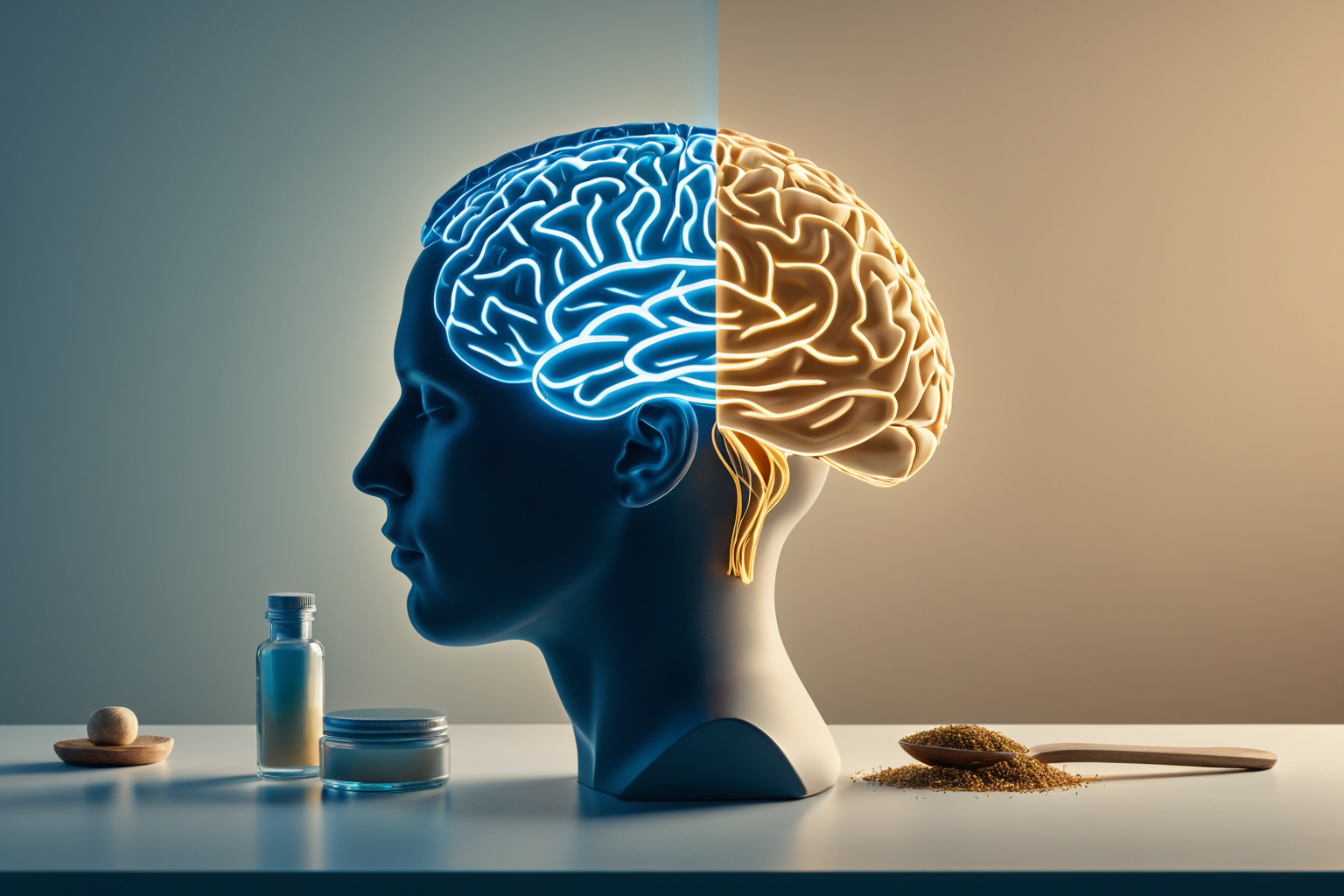

When choosing a headache clinic, the first things to consider are the pain pattern and accompanying symptoms. Sudden stabbing pain, one-sided throbbing headaches with nausea or light sensitivity often point toward neurology care. If your headaches are linked to neck/shoulder tension or fatigue, you might also consider traditional medicine. However, identifying the cause should come first—before deciding on a treatment method, it's crucial to understand what type of headache you're experiencing.
In reality, headaches aren't just simple pain; they can stem from various causes like lack of sleep, stress, caffeine intake, menstrual cycles, eye strain, or blood pressure issues. Even though the symptom is the same—headache—the approach should differ based on the underlying cause. So when selecting a clinic, focus on what's best for your symptoms rather than assuming one option is better than another.
Headache Symptoms That Warrant Neurology Care
Neurology excels at identifying headache causes. Especially for types like migraines, tension headaches, or cluster headaches, a detailed medical history often provides clear direction, and further imaging or blood tests may be used to rule out other conditions.
If you experience any of the following symptoms, consider seeing a neurologist first:
- One-sided head pain with nausea
- Sensitivity to light or sound
- Sudden, severe headache unlike your usual pattern
- Blurred vision or slurred speech alongside headaches
- Increasing frequency and intensity of recurring headaches
For example, if you experience sharp pain on one side of your temple before or after your period, needing to lie in a quiet room to cope, it may indicate migraines. In such cases, managing the condition with medication rather than relying solely on painkillers is more effective, making neurology consultation advisable.
Find similar articles in one place.
View Related ArticlesWhen Traditional Medicine May Help with Headaches
Traditional medicine clinics are often sought when headaches accompany tension, fatigue, lack of sleep, or muscle stiffness in the neck and shoulders. Many patients turn to acupuncture, moxibustion, herbal medicine, or chiropractic care to reduce bodily tension. It's common for people without major abnormalities detected through tests but still experiencing persistent heavy-headedness to visit these clinics.
However, traditional medicine isn't a solution for all headaches. Sudden, severe pain, neurological symptoms, or first-time intense pain may require neurology or emergency care instead. Traditional medicine is generally safer as a complementary option after the cause has been identified through proper diagnosis.
A typical example involves office workers who sit for long hours and experience stiffness in the back of the neck with a pressing headache every afternoon. In such cases, multiple factors like posture, stress, jaw tension, and sleep patterns often intertwine, making it common to combine lifestyle adjustments with traditional medicine treatment.

Distinguishing Migraines from Tension Headaches
A common point of confusion before visiting a clinic is differentiating between migraines and tension headaches. Migraines often feel like pulsating pain that worsens with movement, while tension headaches typically involve a band-like pressure around the head, feeling heavy on both sides.
To differentiate, don't just look at where it hurts—also consider accompanying symptoms. Nausea, vomiting, light sensitivity, or sound sensitivity suggest migraines more than tension headaches. If neck stiffness and stress worsen the pain, tension headache is a possibility. For instance, if you feel heavy-headed and stiff in your neck after working late, it might indicate a tension headache pattern.
Understanding this difference simplifies clinic selection. If migraines are suspected, consult neurology for medication and prevention strategies. For recurring tension headaches, consider addressing posture, muscle tension, and lifestyle habits alongside treatment.
How to Choose the Right Headache Clinic
When selecting a headache clinic, prioritize providers with experience in treating headaches over proximity. Even within neurology, clinics that frequently treat headache patients often offer more detailed consultations. Similarly, traditional medicine clinics vary in their approach based on whether they commonly handle headaches.
To avoid trial and error before your visit:
- Ask if they inquire about when the headache started and how frequent it is
- Inquire if they differentiate between migraine, tension, or cluster headaches
- Check if they distinguish necessary from unnecessary tests
- See if they provide guidance on medication use and lifestyle changes
- Ensure they monitor progress over time rather than offering a one-time solution
Keeping a simple headache diary can greatly help during your first visit. Even noting basic details like when it started, how severe it was, where it hurt, and what you ate or slept like can speed up the consultation. A week of notes on your phone often reveals clear patterns.
What to Prepare Before Your Clinic Visit
Headaches are best diagnosed with detailed descriptions, so be ready to explain the pain's nature, duration, triggers, and any accompanying symptoms. Instead of saying "I have a headache," specify details like "Right temple throbs around 3 p.m., worsens in bright light, lasts about four hours." This precision helps doctors assess your condition more accurately.
Bring all medications you're currently taking—cold medicine, painkillers, caffeine drinks, or supplements—as they can affect headaches. If you frequently take painkillers, be honest about how often you use them to avoid medication-overuse headaches.
If explaining is difficult (e.g., for children), having photos or notes of when the pain occurs, crying episodes, vomiting, or fever can provide valuable context for your doctor.
When to Seek Emergency Care for Headaches
Most headaches can be addressed through outpatient care, but some require immediate attention. If you experience sudden, severe headache unlike anything before, accompanied by fever and neck stiffness, weakness in one arm or leg, or confusion, seek emergency care immediately.
In such cases, don't wait for a clinic appointment—these symptoms could signal serious underlying conditions that need prompt evaluation. If the pattern is completely different from your usual headaches, avoid assuming it will pass with rest; ruling out dangerous causes should come first.
Frequently Asked Questions
Q1: For severe migraines, which comes first—neurology or traditional medicine?
If you're experiencing a new, severe migraine with neurological symptoms, see a neurologist first. If you've already been diagnosed with migraines and seek relaxation or recovery management, traditional medicine can be considered alongside neurology.
Q2: Is it okay to visit only a headache-focused traditional medicine clinic?
If tests show no major abnormalities and tension/fatigue is the main cause, it may be acceptable. However, sudden severe pain, vision changes, or numbness require immediate neurology or emergency care.
Q3: When should I see a doctor for frequent headaches?
If headaches recur multiple times per month, become hard to manage without medication, or worsen over time, it's advisable to seek medical attention. Tracking frequency and patterns makes identifying the cause easier.
Headaches shouldn't be endured; they can significantly lower quality of life if recurring. Delaying treatment for suspected migraines or other headache causes may lead to missed opportunities for effective management. The most practical approach is to assess which option—neurology or traditional medicine—is better suited to your current symptoms.
Keep in mind that medical guidelines and test recommendations may vary based on the clinic and timing, so it's wise to verify recent information before your visit.
Continue exploring similar topics.
View Category ArticlesFAQ
For severe migraines, which comes first—neurology or traditional medicine?
If you're experiencing a new, severe migraine with neurological symptoms, see a neurologist first. If you've already been diagnosed with migraines and seek relaxation or recovery management, traditional medicine can be considered alongside neurology.
Is it okay to visit only a headache-focused traditional medicine clinic?
If tests show no major abnormalities and tension/fatigue is the main cause, it may be acceptable. However, sudden severe pain, vision changes, or numbness require immediate neurology or emergency care.
When should I see a doctor for frequent headaches?
If headaches recur multiple times per month, become hard to manage without medication, or worsen over time, it's advisable to seek medical attention. Tracking frequency and patterns makes identifying the cause easier.
Korean Source
This article is an English localization of a Korean-language report from BlogScore. Original: 두통병원 선택할 때 신경과와 한의원 차이