
Hanwha's Zimmermann Struggles Spark Strategic Shift for Future Games

Hanwha's Zimmermann Struggles Spark Strategic Shift for Future Games
Hanwha's foreign pitcher Zimmermann struggled in his start against LG, surrendering seven runs in one-third of an inning before being pulled early. This performance caused his ERA to rise to 14.06, while Hanwha's overall pitching struggles led to the worst second-half win-loss record among foreign pitchers. Zimmermann's poor form suggests a need for strategic innovation beyond individual issues.
Game Performance and Results
In his August 21 matchup against LG, Zimmermann allowed seven runs in one-third of an inning before being removed from the game early. This incident dealt a significant blow to Hanwha's foreign pitcher strategy, as reported on August 26. His struggles went beyond simple run allowance, revealing a need for broader team strategy reevaluation.
Zimmermann's ERA had climbed to 14.06 by August 28, the worst among Hanwha's foreign pitchers. Analysis from August 27 noted his pattern of early exits after allowing seven runs in one game, six in another, and so on. This isn't a temporary slump but rather an indication of technical limitations or adaptation challenges.
Following Zimmermann's seven-run performance against LG on August 21, Hanwha suffered a 9-run comeback loss. The defeat exposed weaknesses across the team's offense and defense. In that game, Hanwha lost 2-9 to LG, with Zimmermann's poor outing disrupting the overall team dynamic.
Zimmermann Moved to Bullpen, But No Improvement
On September 1, Zimmermann was moved to the bullpen but continued struggling. On September 3, he allowed two runs in just 0.1 innings before being pulled again. This showed his technical limitations remain unchanged even after switching roles.
Hanwha hinted at potentially abandoning playoff hopes due to Zimmermann's ongoing struggles, necessitating a reevaluation of their foreign pitcher strategy. While reports on September 1 mentioned the possibility of moving him to the bullpen, it failed to produce results. This indicates that Zimmermann's issues extend beyond personal performance to strategic team failure.
Before deciding to move Zimmermann to the bullpen, Hanwha's coaching staff considered multiple alternatives but saw no improvement. This highlights how Zimmermann's role has impacted not just his own position but also broader team strategy decisions.
Necessity for Revising Hanwha's Foreign Pitcher Strategy
Zimmermann's struggles have significantly damaged Hanwha's foreign pitcher strategy. As reported on August 26, the team's foreign pitchers collectively underperformed, leading to the worst second-half win-loss record. Given their high reliance on foreign pitchers, this has become a serious issue.
Previous games also saw Ryu Hyun-jin and White allowing seven runs in some outings, suggesting Zimmermann's performance is part of a larger trend. Hanwha must now reconsider its foreign pitcher strategy, especially with Zimmermann's 14.06 ERA being the worst among their foreign pitchers. This indicates that team-wide operational changes are necessary.
Over recent weeks, Hanwha's win rate has dropped significantly due to foreign pitcher underperformance, reducing playoff chances. Consequently, the team must reevaluate its foreign pitcher strategy and develop a plan for young pitchers to replace them.
Zimmermann's First Start and Manager's Prediction
Zimmermann recorded his first start on August 1, allowing seven runs in a loss. Before that game, manager Park Jin-man expressed confidence in him, stating he would play an important role this season. However, the results fell short of expectations.
Upon arriving in Korea, Zimmermann immediately posted shocking run allowances. He admitted to being surprised by the unexpected outcome, suggesting adaptation issues. He has struggled to adjust to the Korean league's style of play and pitching approach.
Hanwha's coaching staff tried various solutions for his struggles but saw no improvement. This suggests that the problem extends beyond Zimmermann's technical limitations to broader team strategy failures.
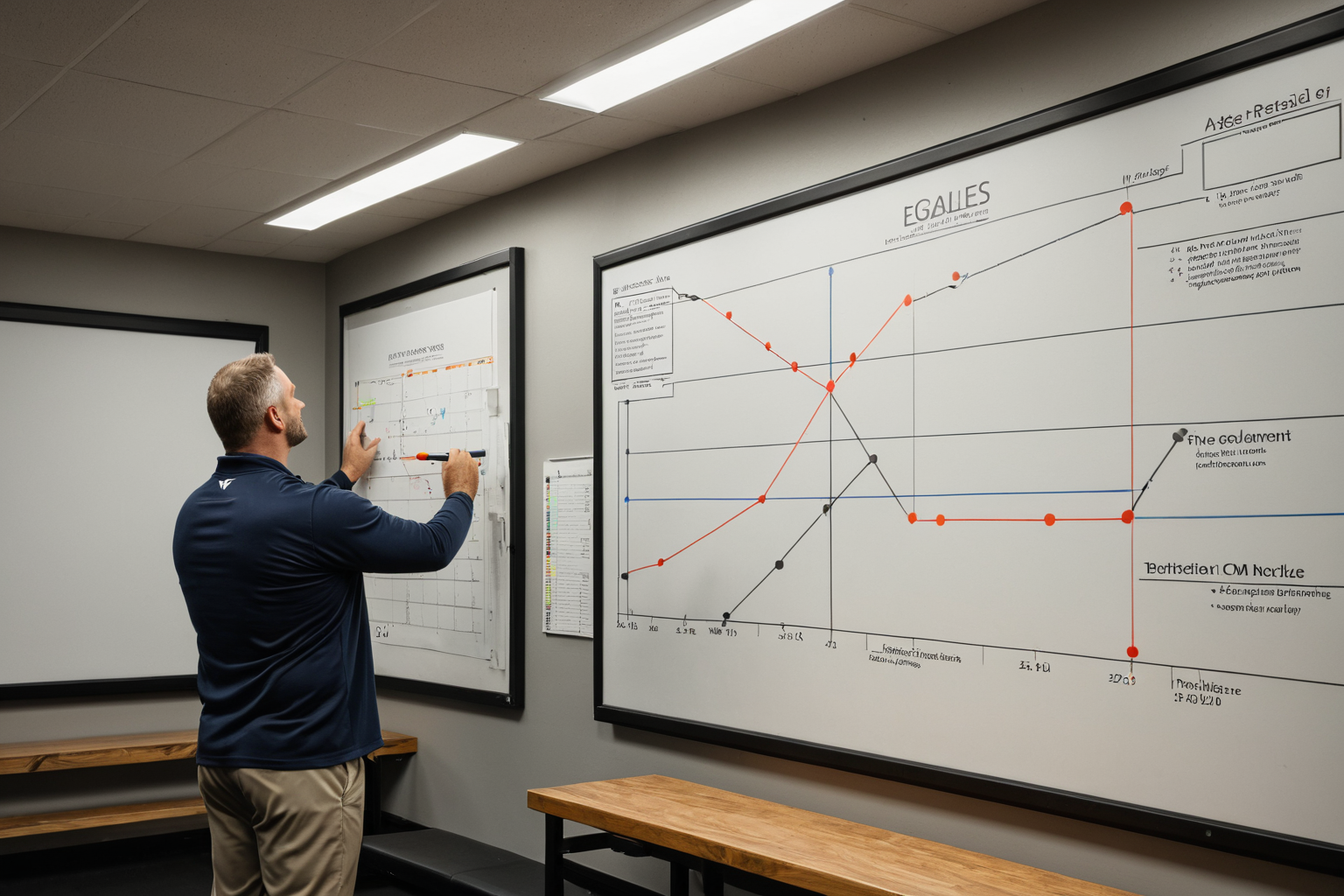
Direction of Hanwha's Foreign Pitcher Strategy Change
Hanwha must reevaluate its foreign pitcher strategy in light of Zimmermann's struggles. With his bullpen move failing, the team needs a new strategic approach. They should focus on developing young pitchers as potential replacements for foreign starters.
Foreign pitcher underperformance has led to Hanwha's declining win rate, with the offense also struggling (e.g., multiple double plays). In the August 21 LG game, after Zimmermann allowed seven runs, Hanwha suffered a 9-run comeback loss. This shows how his performance impacted overall team strategy beyond just individual pitching.
Hanwha should consider expanding bullpen roles or exploring new foreign pitcher acquisitions to address this issue. Given Zimmermann's 14.06 ERA, such changes are necessary. Additionally, the team must reduce its reliance on foreign pitchers and focus more on developing internal talent.
Future Game Strategy Suggestions
Hanwha needs to restructure its foreign pitcher strategy for future games. With Zimmermann's struggles making playoff hopes dim, a plan to replace him with younger pitchers is essential.
The team must reconsider its foreign pitcher approach, expanding bullpen roles or exploring new acquisitions. This is necessary due to Zimmermann's 14.06 ERA and other underperforming foreign pitchers. Additionally, Hanwha should focus on developing internal pitching talent to reduce dependency on foreign players.
Hanwha's coaching staff must redefine the team's overall strategic direction based on Zimmermann's struggles. This requires a comprehensive reevaluation of game operations and batting lineup combinations—not just simple pitcher changes.
Verified Information
The following details about Hanwha's future strategy remain unconfirmed: Zimmermann's first start date, manager Park Jin-man's specific comments on confidence before the debut, and exact games where the offense recorded double plays. Readers should verify these points with additional sources.
Frequently Asked Questions
What does Zimmermann's 14.06 ERA mean?
ERA (Earned Run Average) is a pitching performance metric based on runs allowed. An ERA of 14.06 indicates extremely poor performance.
Was moving Zimmermann to the bullpen effective?
On September 3, reports showed Zimmermann allowed two runs in just 0.1 innings while pitching out of the bullpen.
Is Hanwha considering abandoning playoff hopes?
Due to Zimmermann's ongoing struggles, Hanwha has hinted at potentially giving up on playoff contention and needs to reevaluate its foreign pitcher strategy.
You can find similar articles about this topic in one place.
View Related ArticlesFAQ
What does Zimmermann's 14.06 ERA mean?
ERA (Earned Run Average) is a pitching performance metric based on runs allowed. An ERA of 14.06 indicates extremely poor performance.
Was moving Zimmermann to the bullpen effective?
On September 3, reports showed Zimmermann allowed two runs in just 0.1 innings while pitching out of the bullpen.
Is Hanwha considering abandoning playoff hopes?
Due to Zimmermann's ongoing struggles, Hanwha has hinted at potentially giving up on playoff contention and needs to reevaluate its foreign pitcher strategy.
Korean Source
This article is an English localization of a Korean-language report from BlogScore. Original: 한화 짐머맨 7실점, 팀의 미래 경기에서의 전략 변화