
Hanul Unit 4 Reactor Automatic Shutdown: Cause and Response Measures
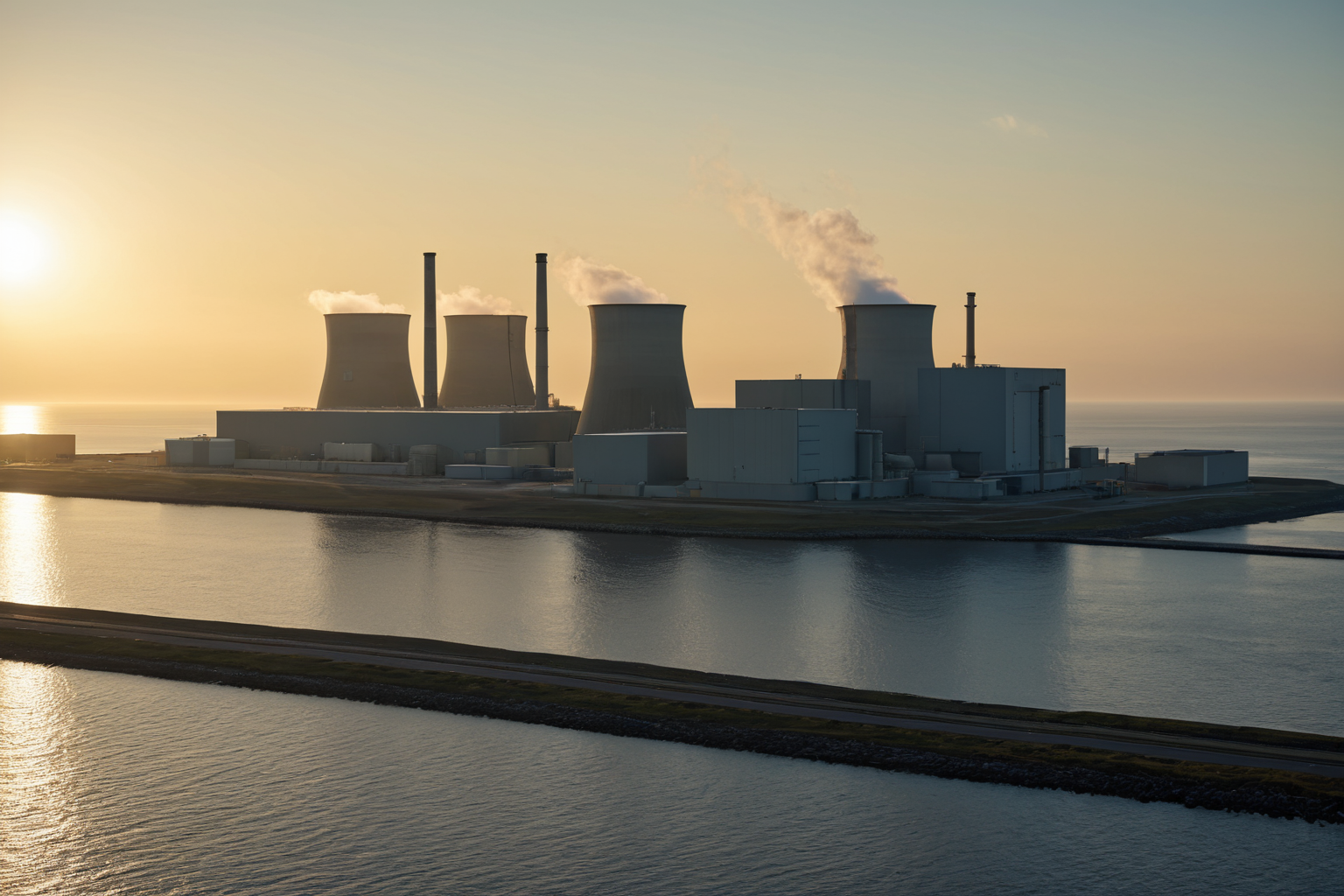
Overview of the Hanul Unit 4 Reactor Automatic Shutdown Incident
On the morning of August 19, 2026, the reactor at Hanul Nuclear Power Plant Unit 4 entered an automatic shutdown state. However, the plant maintained a stable condition with no radiation leakage reported. The incident occurred approximately one month after the completion of scheduled preventive maintenance, and the Nuclear Safety Commission (NSC) has begun its investigation.
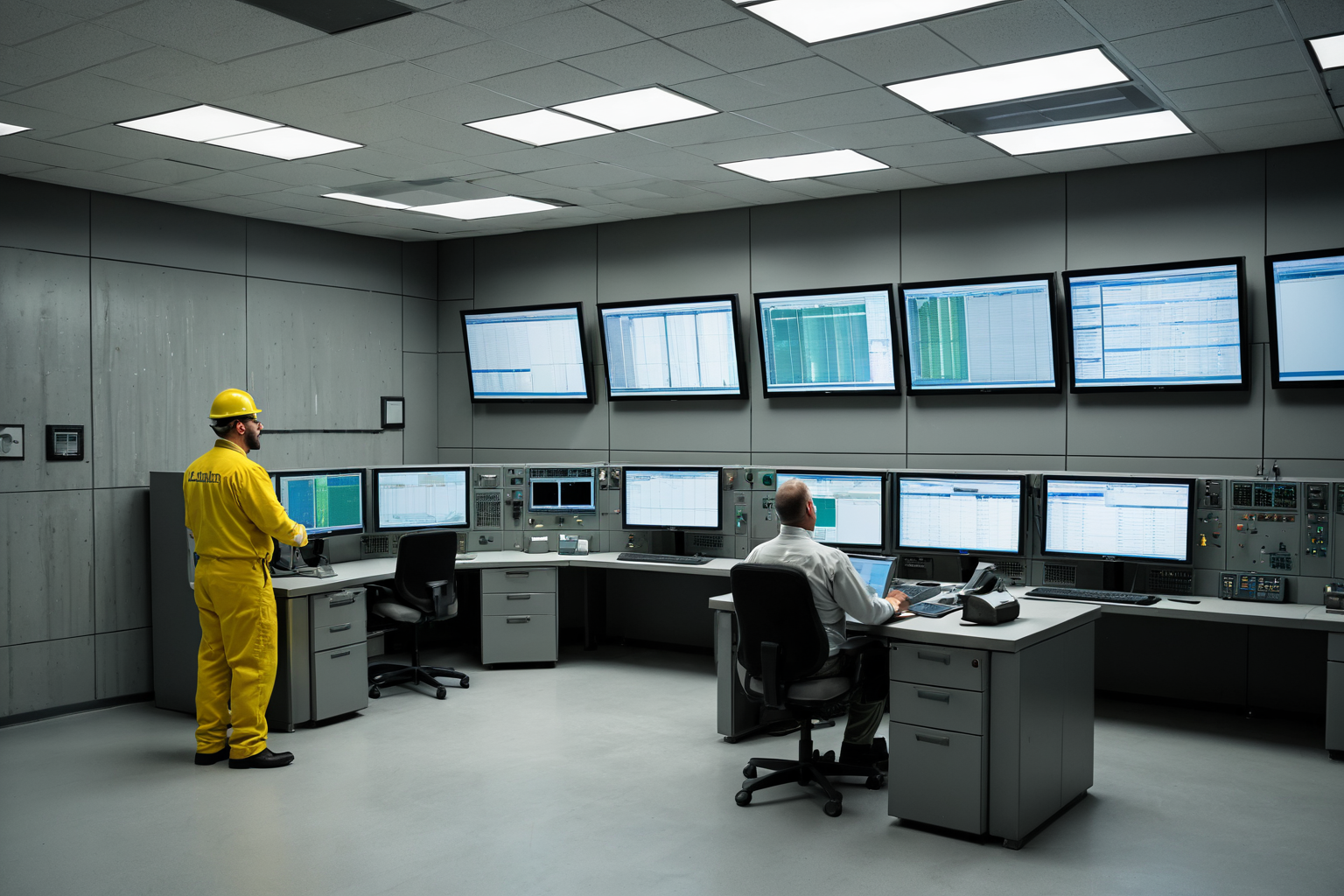
Timing and Outcome of the Incident
The Hanul Nuclear Power Plant Unit 4 reactor automatically shut down on the morning of August 19, 2026. At the time of the incident, the plant remained stable with no radiation leakage, as confirmed by multiple media outlets and official reports. The Nuclear Safety Commission has started an investigation into the event, and future response measures will be determined based on the findings. Notably, some reports highlighted the initial speed of Korea Hydro & Nuclear Power (KHNP) in responding to the incident, sparking debate over nuclear safety management systems.
Background of the Incident and Significance of Scheduled Preventive Maintenance
Unit 4 at Hanul completed scheduled preventive maintenance in mid-July 2026, with the automatic shutdown occurring about a month later. Scheduled preventive maintenance is a regular inspection process conducted to ensure nuclear plant safety, typically involving checks on mechanical and electrical systems, radiation monitoring equipment, and emergency response systems. This process is carried out under strict guidelines set by the Nuclear Safety Commission, followed by additional safety verifications. However, this incident occurred within about a month of maintenance completion, raising questions about the maintenance procedure and subsequent management system. According to existing NSC regulations, additional inspections are required within 30 days after preventive maintenance, which aligns with the timing of this incident. The case is being closely watched as it highlights potential gaps in post-maintenance management procedures.
Details and Direction of NSC Investigation
The Nuclear Safety Commission is conducting a comprehensive investigation to determine the cause, including technical analysis, review of operational records, and assessment of duty performance. Specifically, they will focus on analyzing data related to the automatic shutdown system's operation mechanism, while verifying internal sensor and monitoring device logs to accurately identify the root cause. The investigation also includes whether KHNP adhered to post-maintenance management procedures. Until the investigation results are released, specific explanations about the cause of the incident cannot be provided; it is important to await official announcements. The NSC plans to consult with external experts during the investigation process to expedite findings, which will serve as foundational data for enhancing safety standards and preventing similar incidents in the future.
Plant Stability and Role of Automatic Shutdown Systems
The automatic shutdown of a reactor is a critical safety feature at nuclear power plants, designed to immediately activate upon detecting abnormal conditions to prevent accidents. This is an essential procedure for mitigating potential risks during plant operations. In the case of Hanul Unit 4, it has been confirmed that the automatic shutdown system functioned properly, indicating that parts of the safety management system were effective. However, some opinions suggest additional inspections may be necessary following the incident to monitor the overall condition of the plant. The automatic shutdown system is a core element of nuclear safety management, adhering to strict international standards. The Hanul Unit 4 case demonstrates both the effectiveness of such systems and underscores the need for improvements in management procedures.
KHNP's Response and Future Improvement Measures
Immediately after the incident, KHNP inspected the site but faced criticism for delayed information disclosure. The Nuclear Safety Commission plans to investigate whether KHNP responded promptly to the incident, which could provide valuable insights for establishing a more efficient response system in future similar situations. KHNP is currently working on improving its information disclosure procedures and enhancing transparency regarding nuclear plant operations. Additionally, KHNP aims to strengthen internal audit systems to improve the reliability of post-maintenance management processes, contributing to greater transparency and trust in nuclear safety management.
Key Timeline Related to the Investigation
The Nuclear Safety Commission has not set a specific timeline for the investigation, but typically such investigations take between three to six months. During this period, additional inspections, enhanced safety standards, and improved operational procedures may be implemented based on the findings. The NSC aims to conduct a faster and more accurate investigation by consulting with relevant experts throughout the process. Once completed, an official report will detail the investigation results and future response measures. The NSC plans to use this investigation to comprehensively review the overall level of nuclear safety management systems and propose improvement strategies, which could also help reinforce compliance with global standards for nuclear power plant operations in South Korea.
What Readers Should Know
Until the Nuclear Safety Commission releases its findings, specific details about the cause of the incident cannot be provided. However, readers can stay informed through official channels: first, by checking the NSC's official website for updates on the investigation; second, by reviewing KHNP's press releases for additional information; and third, by monitoring major media coverage until the results are announced. All these sources provide reliable information via official channels. Additionally, the NSC regularly publishes reports on the progress of accident investigations to help citizens verify the transparency of safety management systems.
Frequently Asked Questions
Did the Hanul Unit 4 automatic shutdown incident cause radiation leakage?
No. The plant remained stable during the incident, and no radiation leakage was confirmed.
When is the Nuclear Safety Commission investigation expected to conclude?
The investigation period has not been finalized yet; however, the NSC plans to conduct a prompt investigation. Results will be made public, leading to further response measures based on those findings.
Is there truth to claims of KHNP's delayed response?
Some media reports have pointed out KHNP's slow response, but the specifics will be confirmed through the investigation results. KHNP is working to address these issues.
You can find similar articles in one place.
View Related ArticlesFAQ
Did the Hanul Unit 4 automatic shutdown incident cause radiation leakage?
No. The plant remained stable during the incident, and no radiation leakage was confirmed.
When is the Nuclear Safety Commission investigation expected to conclude?
The investigation period has not been finalized yet; however, the NSC plans to conduct a prompt investigation. Results will be made public, leading to further response measures based on those findings.
Is there truth to claims of KHNP's delayed response?
Some media reports have pointed out KHNP's slow response, but the specifics will be confirmed through the investigation results. KHNP is working to address these issues.
Korean Source
This article is an English localization of a Korean-language report from BlogScore. Original: 한울4호기 자동정지 원인과 대응 방안, 정확한 정보 공유