
Ha Young Apologizes for Ancestor's Pro-Japanese History: Reasons and Background
Ha Young's Apology Statement: The Start of the Pro-Japanese Controversy
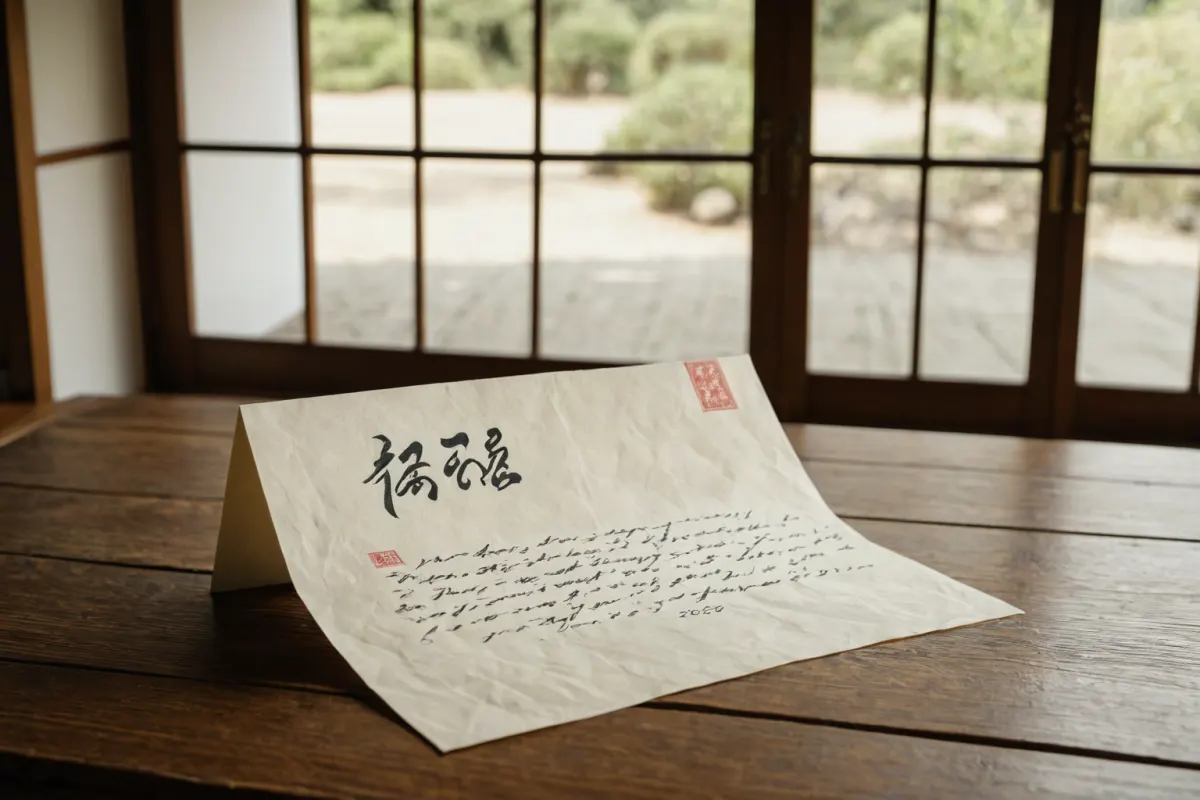
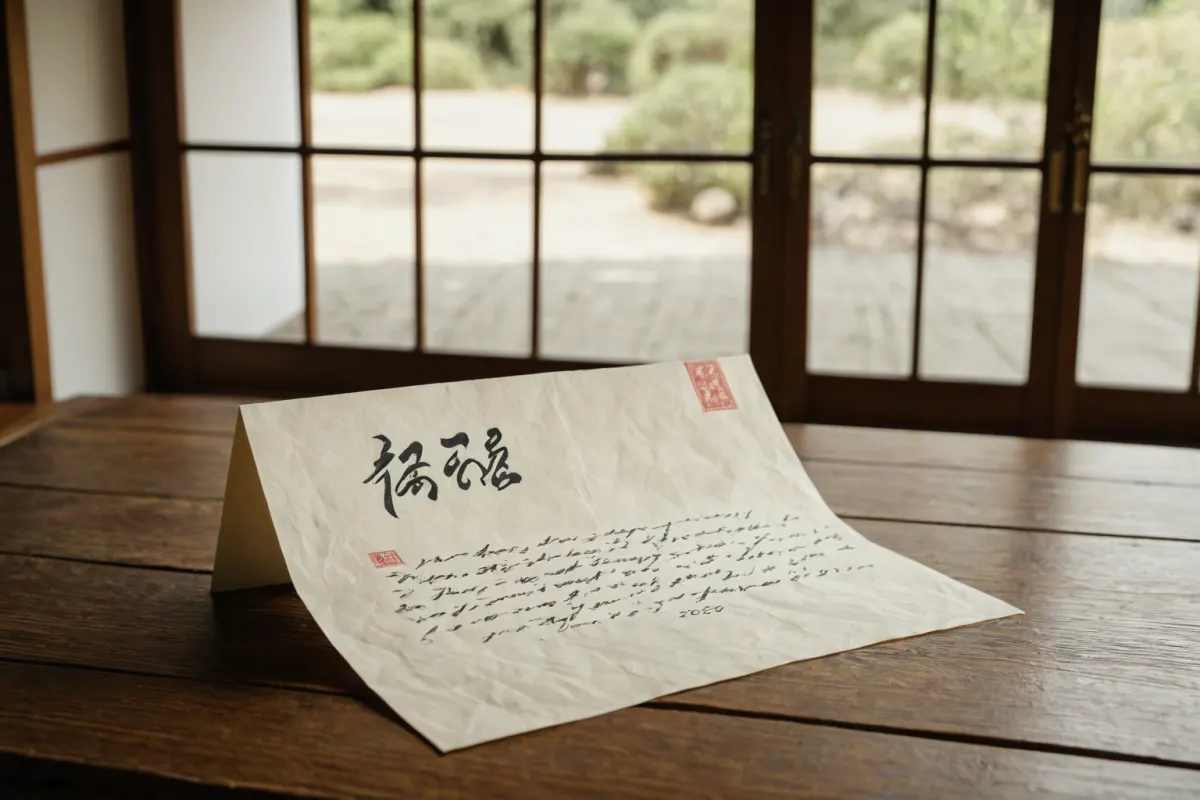
After her great-grandfather's pro-Japanese activities became a topic of debate, Ha Young released a handwritten apology stating she had treated his actions as family pride without awareness and sincerely apologized as a descendant. This statement was published on August 12, 2026, revealing that her great-grandfather had commemorated Itō Hirobumi.
The apology came after renewed attention to an earlier post about 'first hanbok' (traditional Korean attire), which reignited the controversy. Initially denying any pro-Japanese ties, Ha Young's quick response led to further apologies. In Japan, reactions questioned why her granddaughter was apologizing, while Chinese social media saw strong backlash with comments like 'a Chinese actress would have been fired.'
Apology Content and Initial Response
On August 11, Ha Young's team issued a statement denying pro-Japanese allegations, but this was criticized as hasty, leading to an apology. On August 12, she released a handwritten apology acknowledging her great-grandfather's pro-Japanese activities and expressing regret for having spoken of him proudly without awareness.
After the apology was posted, Chinese social media users demanded its removal, with some commenting 'a Chinese actress would have been fired,' suggesting the apology wasn't sufficient.
Public Reaction and Impact on Entertainment Industry
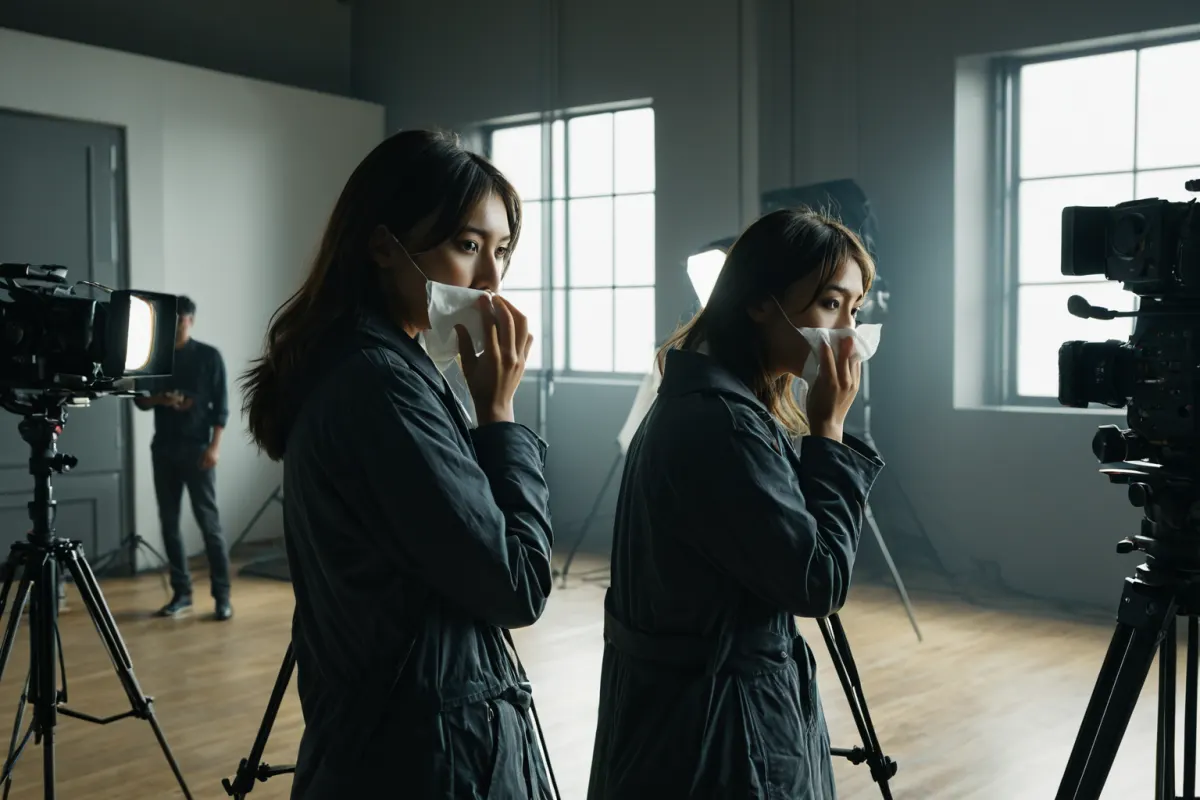
On August 11, the day before Liberation Day (August 15), Ha Young's interviews were canceled, and her ads and broadcasts were cut. The drama 'Seung San It Is' stated no changes had occurred, but reports indicated emotional scenes at filming locations where she cried and shooting was paused due to worsening public sentiment.
Japanese media also covered the controversy, with reactions like 'why is his granddaughter apologizing?' Historians countered Ha Young's claim that as a 33-year-old, she couldn't have known about her great-grandfather's pro-Japanese activities by stating 'at 33, one should know.'
Incident Background: Great-Grandfather's Pro-Japanese Activities and Controversy
The controversy began when it was revealed Ha Young's great-grandfather had commemorated Itō Hirobumi. Itō Hirobumi contributed to the annexation of Korea by Japan, making him a controversial figure known for pro-Japanese actions. Initially denying any connection, Ha Young maintained she wasn't aware of her great-grandfather's activities until after the apology statement.
On August 10, according to Hankyoreh, Ha Young's team denied pro-Japanese allegations but was criticized as hasty. She later issued a handwritten apology.
According to Yonhap News on August 12, Ha Young apologized for 'boasting about her great-grandfather without awareness,' though historians challenged this claim, arguing that at age 33, she should have known better.
Investigation: Historical Awareness and Social Controversy
Ha Young's apology appears to stem from a sense of responsibility for her great-grandfather's pro-Japanese actions. However, some historians countered her claim that as a 33-year-old she was unaware, stating 'at 33, one should know.'
Chinese social media saw strong backlash with comments like 'a Chinese actress would have been fired,' reflecting how pro-Japanese actions are sensitively viewed in China. Japanese reactions included 'why is his granddaughter apologizing?' highlighting differing historical perspectives.
Ha Young previously faced similar controversy seven years ago during an ad campaign, when she was dropped over pro-Japanese allegations. This time, the direct involvement of her great-grandfather's actions made the issue more serious.
Response and Safety Measures: Actions After Apology Statement
After releasing her apology on August 12, Ha Young only deleted posts on Chinese social media to prevent further sharing. This was seen as an attempt to curb worsening public sentiment.
On August 11, the day before Liberation Day, Ha Young's interviews were canceled and she was cut from ads and broadcasts. The drama 'Seung San It Is' stated no changes had occurred, but reports indicated emotional scenes at filming where she cried and shooting was paused due to public backlash.
Her mention of being from a 'doctor's family' in response to Yu Byung-hee's question became controversial, influencing her stance on not knowing about her great-grandfather's pro-Japanese activities, which later led to further apologies.
Key Information to Verify: Core Elements of the Controversy
The confirmed fact that Ha Young's great-grandfather had pro-Japanese actions is significant. Commemorating Itō Hirobumi is considered a pro-Japanese act, and historians challenged her claim of unawareness.
Chinese social media backlash reflects how pro-Japanese actions are viewed sensitively in China. Japanese reactions like 'why is his granddaughter apologizing?' revealed differing historical perspectives.
Seven years ago, Ha Young faced similar controversy during an ad campaign and was dropped over pro-Japanese allegations. This incident involved direct evidence of her great-grandfather's actions, making it more severe.
FAQ: Key Questions About Ha Young's Pro-Japanese Controversy
What does Ha Young's apology statement 'I spoke of my great-grandfather as family pride without awareness and sincerely apologize as a descendant' mean?
The statement acknowledges she treated her great-grandfather's pro-Japanese actions as family pride without knowing, expressing regret as a descendant.
Why did Ha Young's great-grandfather's pro-Japanese activities become controversial?
Ha Young's great-grandfather had commemorated Itō Hirobumi, who contributed to Japan's annexation of Korea. He is known for pro-Japanese actions.
What was the reaction on Chinese social media?
Chinese social media saw strong backlash with comments like 'a Chinese actress would have been fired,' showing how pro-Japanese actions are viewed sensitively in China.
Conclusion: Historical Fact and Social Responsibility
Ha Young's apology appears to stem from a sense of responsibility for her great-grandfather's pro-Japanese actions. However, historians countered her claim that as a 33-year-old she was unaware by stating 'at 33, one should know.'
Reactions from China and Japan highlight differing societal views on historical facts. In China, pro-Japanese actions are viewed sensitively, while Japanese reactions questioned why the granddaughter was apologizing.
Ha Young previously faced similar controversy seven years ago during an ad campaign when she was dropped over pro-Japanese allegations. This time, direct evidence of her great-grandfather's actions made it more serious. After releasing her apology, she only deleted posts on Chinese social media, but public sentiment continued to worsen.
For further verification, consulting historians' opinions and related reports is recommended. The debate over whether Ha Young's apology was sufficient is expected to continue.
You can view similar articles on this topic in one place.
View Related ArticlesFAQ
What does Ha Young's apology statement 'I spoke of my great-grandfather as family pride without awareness and sincerely apologize as a descendant' mean?
The statement acknowledges she treated her great-grandfather's pro-Japanese actions as family pride without knowing, expressing regret as a descendant.
Why did Ha Young's great-grandfather's pro-Japanese activities become controversial?
Ha Young's great-grandfather had commemorated Itō Hirobumi, who contributed to Japan's annexation of Korea. He is known for pro-Japanese actions.
What was the reaction on Chinese social media?
Chinese social media saw strong backlash with comments like 'a Chinese actress would have been fired,' showing how pro-Japanese actions are viewed sensitively in China.
Korean Source
This article is an English localization of a Korean-language report from BlogScore. Original: 하영 증조부 사과, 왜 사과했는지 이유와 배경