
Gyeongnam Miryang and Yangsan Record Historic High Temperature of 39.3°C
Gyeongnam Miryang and Yangsan Record Historic High Temperature of 39.3°C
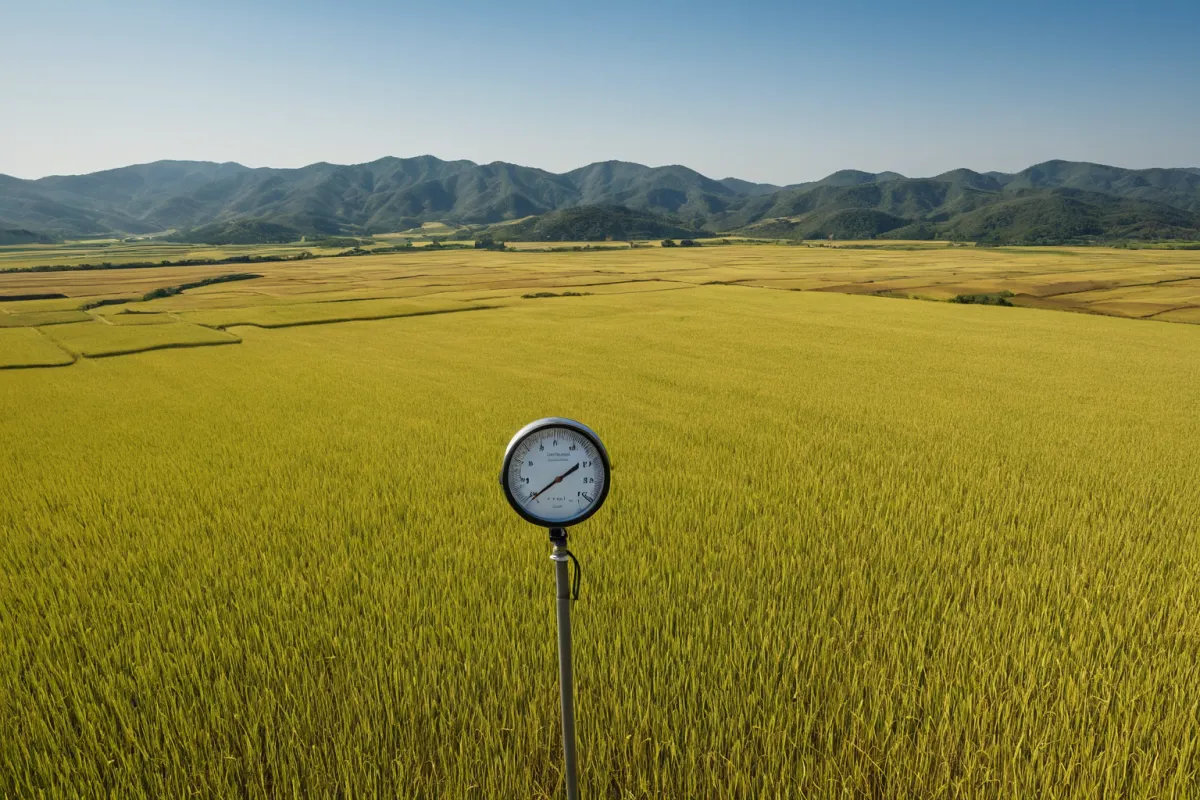
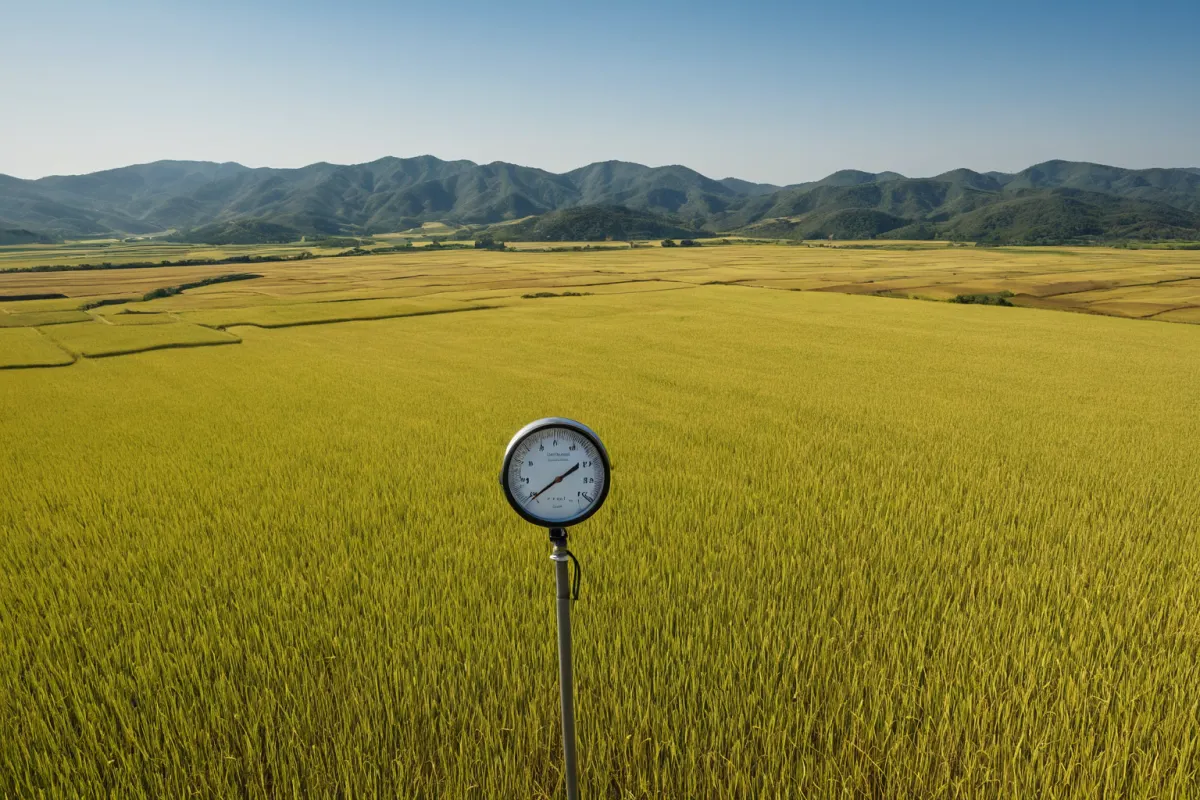
The highest temperature in Gyeongnam's Miryang and Yangsan reached 39.3°C on July 26, 2026, setting a new annual record. This historic high has led to the expansion of severe heatwave alerts across 14 counties and cities, with Busan, Ulsan, and Gyeongnam regions reporting daytime highs between 32–38°C. A 90-year-old man in Sacheon died from heatstroke while working in a rice field.
Measured at 7:51 a.m. on July 26, the 39.3°C temperature in Miryang and Yangsan surpassed this year's previous high. The Seoul Shinmun described the extreme heat with the phrase 'even standing still makes you gasp for air,' while Yonhap News TV and v.daum.net also reported the weather update as a breaking news story.
According to the Korea Meteorological Administration (KMA), Yangsan's daytime high reached 39.3°C, contributing to the expansion of severe heatwave alerts to 7 areas. YTN reported that the alert has been expanded to 14 locations, and Gyeongnam Province activated its Level 1 emergency response.
The first report of a suspected heat-related death was issued at 7:01 a.m. on July 26, triggering Gyeongnam's emergency protocols. News1 reported the case of a 90-year-old man who collapsed in a rice field in Sacheon, highlighting the real-life threat posed by heatstroke.
The temperature surge in Miryang and Yangsan reflects an expanding heatwave across Busan, Ulsan, and Gyeongnam. On the same day, Gyeongnam Province activated its Level 1 emergency response to address the situation. As heat-related deaths rise, this heatwave has evolved from a mere temperature spike into a life-threatening crisis.
The Sacheon case involved an elderly man working in a rice field during midday hours when he collapsed due to heatstroke. This incident demonstrates how heatwaves directly impact agricultural work and underscores the urgent need for safety measures targeting elderly workers and laborers.
The KMA forecasts that this heatwave will continue, with daytime highs of 32–38°C expected nationwide. The agency warned that the combination of prolonged high temperatures and tropical nights—where nighttime temperatures remain elevated—could further intensify the situation.
The 39.3°C readings in Miryang and Yangsan are confirmed to be a new annual record, significantly higher than historical averages. This event has become a benchmark for how quickly society responds to extreme weather events.

You can find more articles on similar topics here.
View Related ArticlesExpansion of Severe Heatwave Alerts and Gyeongnam's Response
The severe heatwave alert has been expanded to 14 counties and cities, indicating the severity of the situation in Gyeongnam. YTN reported under the headline 'Yangsan 39.3°C: Highest This Year,' emphasizing the expansion of alerts to 14 locations.
Gyeongnam Province activated its Level 1 emergency response on the same day. News1 reported that the death of a 90-year-old man in Sacheon's rice field prompted the activation of the emergency system. The province plans to strengthen health management and safety measures related to heatwaves.
The KMA explained that severe heatwave alerts are issued when prolonged high temperatures occur, signaling the need for public protection. Gyeongnam will send out 'Beware of Heat' messages to residents through this alert system.
The Sacheon case highlights how heatwaves directly affect agricultural work. The 90-year-old man collapsed while working in a rice field during midday hours, underscoring the vulnerability of elderly workers and laborers to extreme heat.
Daytime highs across Busan, Ulsan, and Gyeongnam range from 32–38°C, reflecting the nationwide spread of this heatwave. The KMA warned that tropical nights—where nighttime temperatures remain high—will further exacerbate the situation.
Heatstroke Deaths and Response Measures
The first report of a suspected heat-related death was issued at 7:01 a.m. on July 26, marking the point when the life-threatening nature of this heatwave became evident. According to Yonhap News, a heat-related death occurred amid ongoing high temperatures in Miryang and Yangsan.
In Sacheon, a 90-year-old man collapsed from heatstroke while working in a rice field. This case exemplifies the vulnerability of elderly workers during midday labor in extreme heat, serving as a warning about the dangers of summer work hours.
Gyeongnam Province activated its Level 1 emergency response to address this situation. The goal is to strengthen health management and safety measures related to heatwaves. The KMA plans to send 'Beware of Heat' messages to residents in areas under severe heatwave alerts.
The occurrence of a heatstroke death has prompted Gyeongnam Province to further strengthen its heatwave response system. This shows how the issue is evolving from a weather event into a broader societal concern.
Causes and Sustainability of the Heatwave
According to the KMA, this heatwave resulted from prolonged high-pressure systems. High pressure has persisted for an extended period, leading to sustained extreme temperatures. This is a nationwide meteorological phenomenon with particularly severe conditions in Gyeongnam.
The temperature measurements in Miryang and Yangsan at 39.3°C have been confirmed as this year's highest. The report issued at 7:51 a.m. on July 26 highlights the severity of the heatwave in the region.
The KMA forecasted that tropical nights—where nighttime temperatures do not drop significantly—will further intensify the heat. This means prolonged exposure to high temperatures throughout the day and night.
If this heatwave continues for an extended period, the risk of heat-related deaths will increase. The KMA emphasizes the urgent need for safety measures targeting elderly people and laborers.
The KMA plans to send 'Beware of Heat' messages to residents in areas under severe heatwave alerts as part of enhanced health management and safety protocols.
Confirming that Miryang and Yangsan's 39.3°C readings are significantly higher than historical averages, this event has become a benchmark for how quickly society responds to extreme weather events.
Safety Information and Preventive Measures
To stay safe during heatwaves, it is recommended to minimize outdoor activities during midday hours. Elderly people and laborers are particularly vulnerable to heat, so adequate rest and hydration are essential.
With the first confirmed heatstroke death reported, sending 'Beware of Heat' messages to residents has become critical. Gyeongnam Province plans to provide safety information related to this issue.
The KMA recommends that people in areas under severe heatwave alerts stay indoors and maintain adequate hydration. Elderly people and laborers should receive special protection due to their heightened vulnerability to extreme heat.
The Sacheon case highlights the severity of heatwaves on agricultural sites, emphasizing the urgent need for safety measures targeting elderly workers. Government agencies and local authorities must develop more detailed plans to address this issue.
The KMA warns that prolonged heatwaves increase the likelihood of heat-related deaths. Residents should remain vigilant about the dangers of extreme heat and take appropriate preventive measures.
Gyeongnam Province has activated its Level 1 emergency response, strengthening its heatwave response system. This reflects how the situation has evolved beyond a simple weather event into a societal challenge requiring coordinated action.
Verified Information
The temperature measurement of 39.3°C in Miryang and Yangsan was reported at 7:51 a.m. on July 26, 2026. This is confirmed as this year's highest temperature, significantly higher than historical averages.
YTN reported that the severe heatwave alert has been expanded to 14 counties and cities, indicating the severity of the situation in Gyeongnam. News1 emphasized the life-threatening nature of heatstroke through its report on a 90-year-old man collapsing in Sacheon's rice field.
The KMA plans to send 'Beware of Heat' messages to residents in areas under severe heatwave alerts as part of enhanced health and safety measures.
Frequently Asked Questions
Q: When was the 39.3°C temperature recorded in Gyeongnam's Miryang and Yangsan?
A: It was reported at 7:51 a.m. on July 26, 2026.
Q: How many areas have expanded the severe heatwave alert to?
A: The alert has been expanded to 14 counties and cities.
Q: What was the age of the man who died from heatstroke in Sacheon?
A: He was a 90-year-old man.
Frequently Asked Questions
The record-breaking temperature of 39.3°C measured in Miryang and Yangsan on July 26, 2026, has surpassed this year's previous high, triggering expanded severe heatwave alerts across the region. The incident also led to a suspected heatstroke death, highlighting the life-threatening nature of extreme heat events. This situation underscores the urgent need for safety measures targeting vulnerable groups such as elderly workers and laborers.
The KMA warned that tropical nights—where nighttime temperatures remain high—could further intensify the heatwave. Residents are advised to minimize outdoor activities during midday, stay hydrated, and heed 'Beware of Heat' messages from local authorities. Gyeongnam Province has activated its Level 1 emergency response to strengthen its heatwave management system.
This case serves as a benchmark for how quickly society responds to extreme weather events. It also emphasizes the need for detailed safety protocols in agricultural settings, particularly for elderly workers. Future policy directions may be influenced by this incident, which has evolved from a meteorological event into a societal concern requiring coordinated action.
The KMA plans to send 'Beware of Heat' messages to residents in areas under severe heatwave alerts as part of enhanced health and safety measures. This incident demonstrates that extreme weather events can quickly become significant societal challenges, requiring immediate public awareness and preventive actions.
Continue exploring similar topics here.
View Category ArticlesFAQ
When was the 39.3°C temperature recorded in Gyeongnam's Miryang and Yangsan?
It was reported at 7:51 a.m. on July 26, 2026.
How many areas have expanded the severe heatwave alert to?
The alert has been expanded to 14 counties and cities.
What was the age of the man who died from heatstroke in Sacheon?
He was a 90-year-old man.
Korean Source
This article is an English localization of a Korean-language report from BlogScore. Original: 경남 밀양·양산 39.3도 최고 기온, 역사적 기록 갱신