
Gyeongnam's Extreme Drought Response: Real-Time Monitoring System for Water Quality Protection
Gyeongnam's Extreme Drought Response System
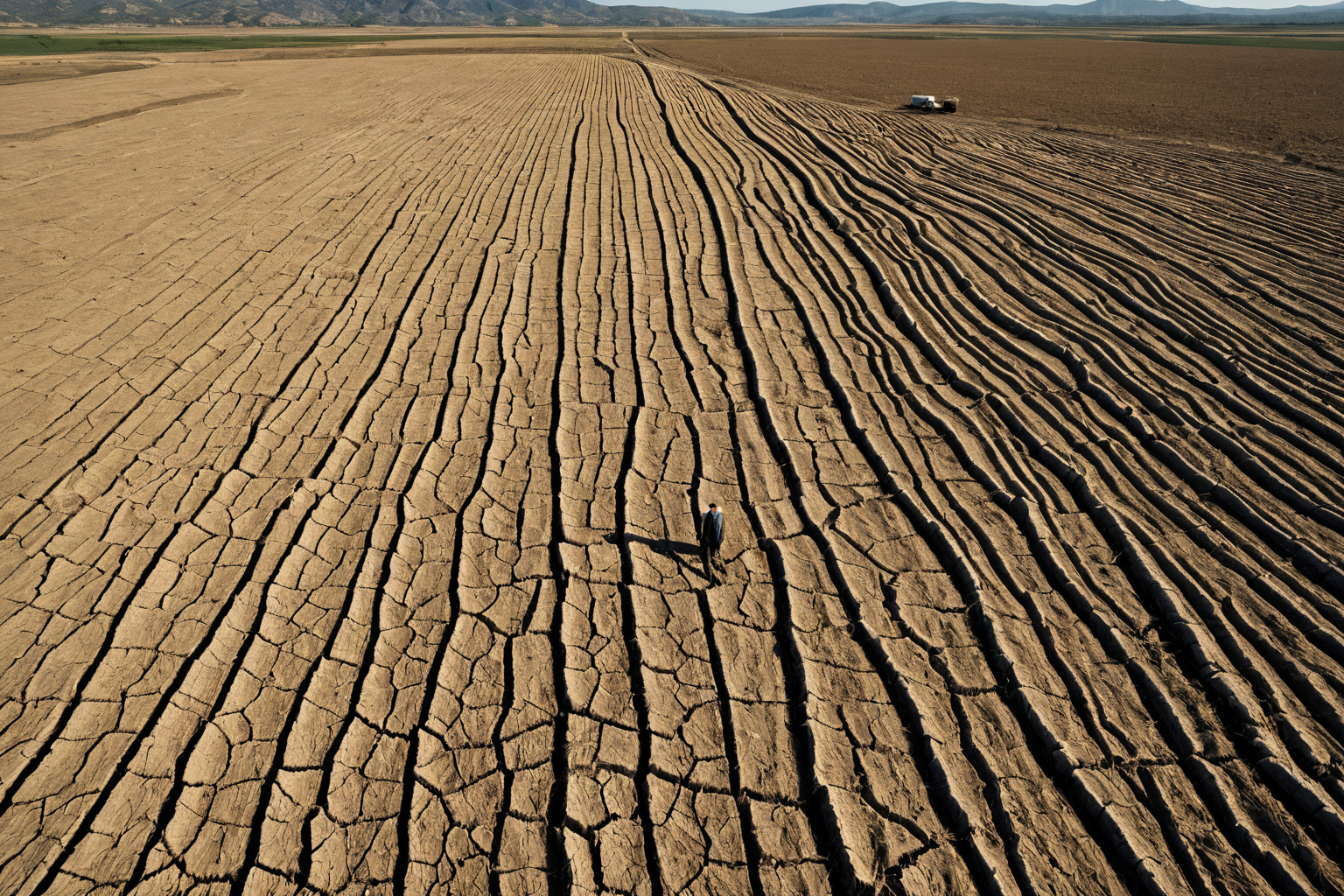
Responding to the severe drought in Gyeongnam Province, government agencies and local authorities are strengthening a collaborative system for real-time monitoring and preventing water pollution. As of July 2026, the Gyeongnam Provincial Government, Water Resources Corporation, and the Ministry of Environment have designated four water circulation promotion zones to proactively address droughts and floods, with AI technology and intelligent pipeline management infrastructure being utilized in their response strategies.
Drought Situation and Key Facts
On July 29, 2026, Water Resources Corporation CEO Yun Seok-dae inspected drought response efforts at the Milyang Dam site, confirming a focus on securing stable water supply in the Nakdong River basin. This aligns with ongoing real-time monitoring system implementation since last year, and on June 10, 2026, four water circulation promotion zones were designated to further strengthen proactive drought and flood response measures.
The Ministry of Environment has been advancing intelligent pipeline management infrastructure for water supply systems since February 2023, aiming to secure public safety and livelihood in the water sector by 2025. Specifically, AI technology collaboration was proposed for addressing water quality crises in the Nakdong River basin, and the Jinrye Malt Water Circulation Center began supplying treated wastewater to drought-affected farmland starting August 21, 2026.
Regional Response Measures
Gimhae City deployed 20 fire trucks for emergency drought response on August 12, 2026, and on the same month's 6th, implemented measures including securing water supply vehicles and installing temporary barriers due to pump station shutdowns. Jinju City strengthened agricultural water security through on-site inspections of farmland, while Changwon Special Self-Governing City's Sewerage Bureau shared drought response strategies in a regular briefing during the third quarter of 2026.
Gyeongnam cities and counties are mobilizing diverse resources—from wastewater reuse to firefighting vehicles—to address drought. On May 17, 2026, the third National Water Management Committee was established, marking the formalization of integrated water management for climate crisis response.
Agricultural Water Security and Water Quality Management
Gwangyang City launched a project reusing public wastewater treatment plant effluent at construction sites, while Gyeongnam Province held a joint meeting with relevant agencies on July 31, 2026, to discuss agricultural water security strategies. Dalseong County is focusing on securing agricultural water as drought conditions persist, and the Pohang City Council's Welfare and Environment Committee inspected drought response efforts at the Yujiang Water Treatment Plant on August 10, 2026.
The designation of four water circulation promotion zones and implementation of real-time monitoring systems reflect a policy shift toward comprehensive water management in the era of climate crisis, with initiatives aimed at securing public safety and livelihood by 2025.
Core Elements of Drought Response System
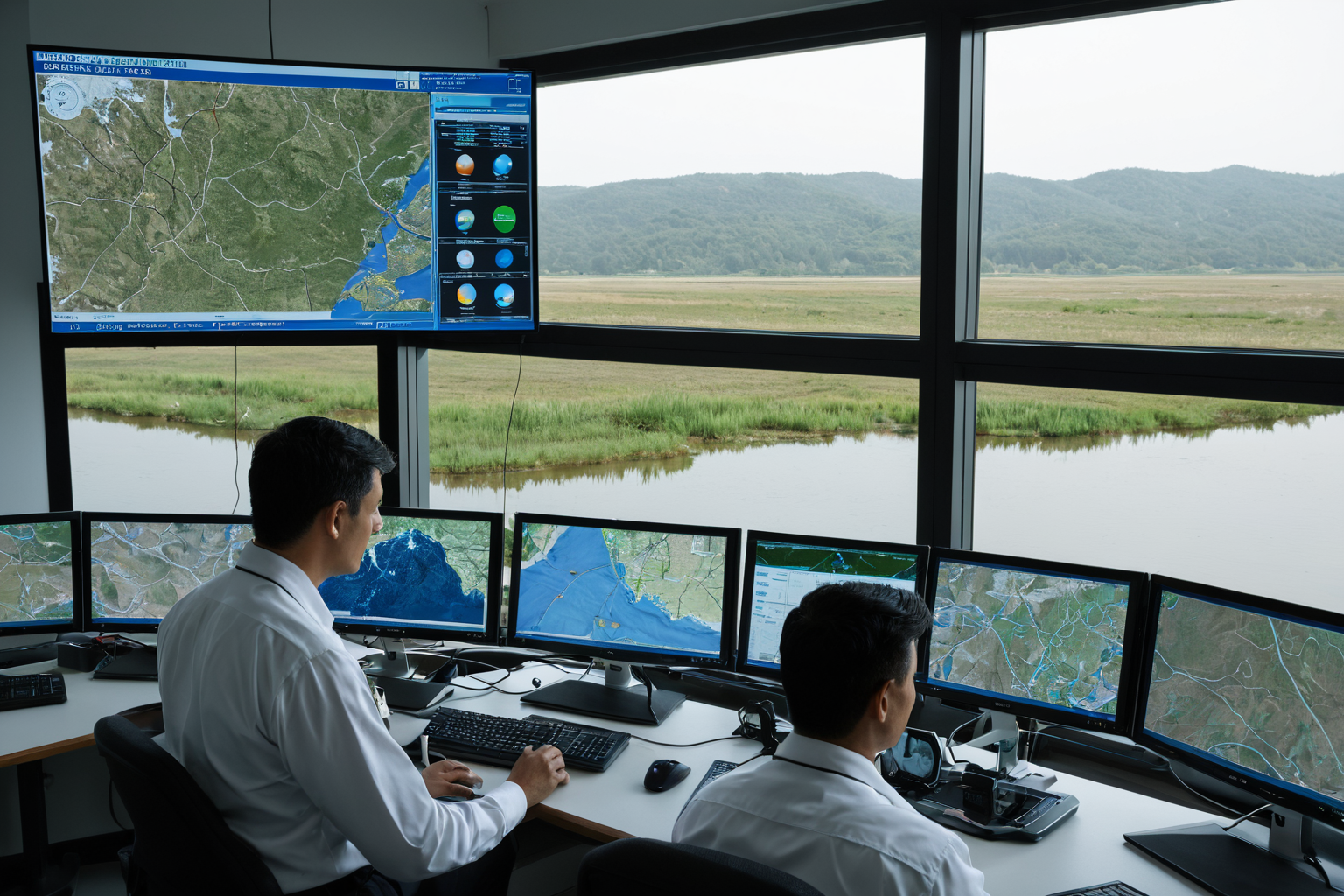
The Water Resources Corporation and Ministry of Environment have designated four water circulation promotion zones to proactively address droughts and floods, serving as a strategic approach for stable water supply in the Nakdong River basin. The real-time monitoring system is integrated with intelligent pipeline management infrastructure and focuses on preventing water pollution through AI technology collaboration.
Drought response in Gyeongnam Province involves inter-agency collaboration rather than isolated efforts by single organizations. Gimhae City and Jinju City have implemented tailored measures, including site inspections and fire truck deployment, to secure agricultural water. Gwangyang City's project reusing public wastewater treatment plant effluent achieves both water quality management and resource efficiency.
Potential Development of Drought Response Policies
The policy aiming to secure public safety and livelihood in the water sector by 2025, initiated since 2023 with the construction of intelligent pipeline management infrastructure for water supply systems, is being reinforced through enhanced measures against water pollution. The Ministry of Environment is particularly focusing on AI technology utilization.
The designation of four water circulation promotion zones plays a critical role in establishing proactive drought and flood response mechanisms, which are expected to stabilize water supply in the Nakdong River basin. The Jinrye Malt Water Circulation Center's provision of treated wastewater for drought-affected farmland directly supports affected agricultural areas.
Effectiveness of Drought Response Measures
Gimhae City's deployment of 20 fire trucks and measures addressing pump station shutdowns, along with Jinju City's on-site inspections of farmland, have contributed to minimizing drought damage. Regular briefings by Changwon Special Self-Governing City for information sharing among regions have strengthened inter-regional cooperation. Joint meetings by Gyeongnam Province and Dalseong County's long-term response strategies are acting as strategic preparations for prolonged drought conditions.
Gwangyang City's project reusing treated wastewater effluent demonstrates resource efficiency, while Pohang City Council's inspection of the Yujiang Water Treatment Plant highlights community collaboration and on-site response efforts.
Key Information to Verify
The exact scale and duration of drought-related damage have not yet been publicly disclosed, and whether water pollution has occurred is being monitored in real-time. It remains necessary to verify whether the goal of securing public safety and livelihood by 2025 will be achieved.
It is also important to assess whether the collaborative system between government and local authorities is effectively addressing drought response, particularly whether AI technology and intelligent pipeline management infrastructure are contributing to actual water pollution prevention.
Frequently Asked Questions
What real-time monitoring system has been implemented for drought response?
The Water Resources Corporation and Ministry of Environment have established an intelligent pipeline management infrastructure for water supply systems, enhancing proactive drought and flood response. This system, initiated in 2023, utilizes AI technology to prevent water pollution.
What tailored measures have been implemented for drought response in Gyeongnam?
Gimhae City deployed 20 fire trucks and addressed pump station shutdowns, while Jinju City strengthened agricultural water security through on-site inspections of farmland. Gwangyang City launched a project reusing effluent from public wastewater treatment plants.
How can the achievement of the 2025 goal for securing public safety and livelihood in the water sector be verified?
To verify progress toward the 2025 target, comprehensive review of real-time monitoring data and on-site inspection results is required. The effectiveness of treated wastewater supply to drought-affected farmland is also a key evaluation point.
Frequently Asked Questions
Gyeongnam's extreme drought response is based on collaborative efforts involving government, local authorities, real-time monitoring system implementation, and strategies for preventing water pollution. As of 2026, four water circulation promotion zones have been designated, with AI technology utilization becoming increasingly prominent, and region-specific measures are being effectively implemented.
Strategies for stable water supply in the Nakdong River basin are leading a shift toward comprehensive water management in the era of climate crisis, and further efforts are needed to achieve the 2025 goal of securing public safety and livelihood. Drought response policies are evolving beyond emergency measures to sustainable water resource management systems.
You can find more articles on similar topics in one place.
View Related ArticlesFAQ
What real-time monitoring system has been implemented for drought response?
The Water Resources Corporation and Ministry of Environment have established an intelligent pipeline management infrastructure for water supply systems, enhancing proactive drought and flood response. This system, initiated in 2023, utilizes AI technology to prevent water pollution.
What tailored measures have been implemented for drought response in Gyeongnam?
Gimhae City deployed 20 fire trucks and addressed pump station shutdowns, while Jinju City strengthened agricultural water security through on-site inspections of farmland. Gwangyang City launched a project reusing effluent from public wastewater treatment plants.
How can the achievement of the 2025 goal for securing public safety and livelihood in the water sector be verified?
To verify progress toward the 2025 target, comprehensive review of real-time monitoring data and on-site inspection results is required. The effectiveness of treated wastewater supply to drought-affected farmland is also a key evaluation point.
Korean Source
This article is an English localization of a Korean-language report from BlogScore. Original: 경남 극한 가뭄, 수질 오염 대응을 위한 실시간 모니터링 시스템 구축