
Gyeongnam's Extreme Drought: Comparing Agricultural and Urban Water Management Strategies
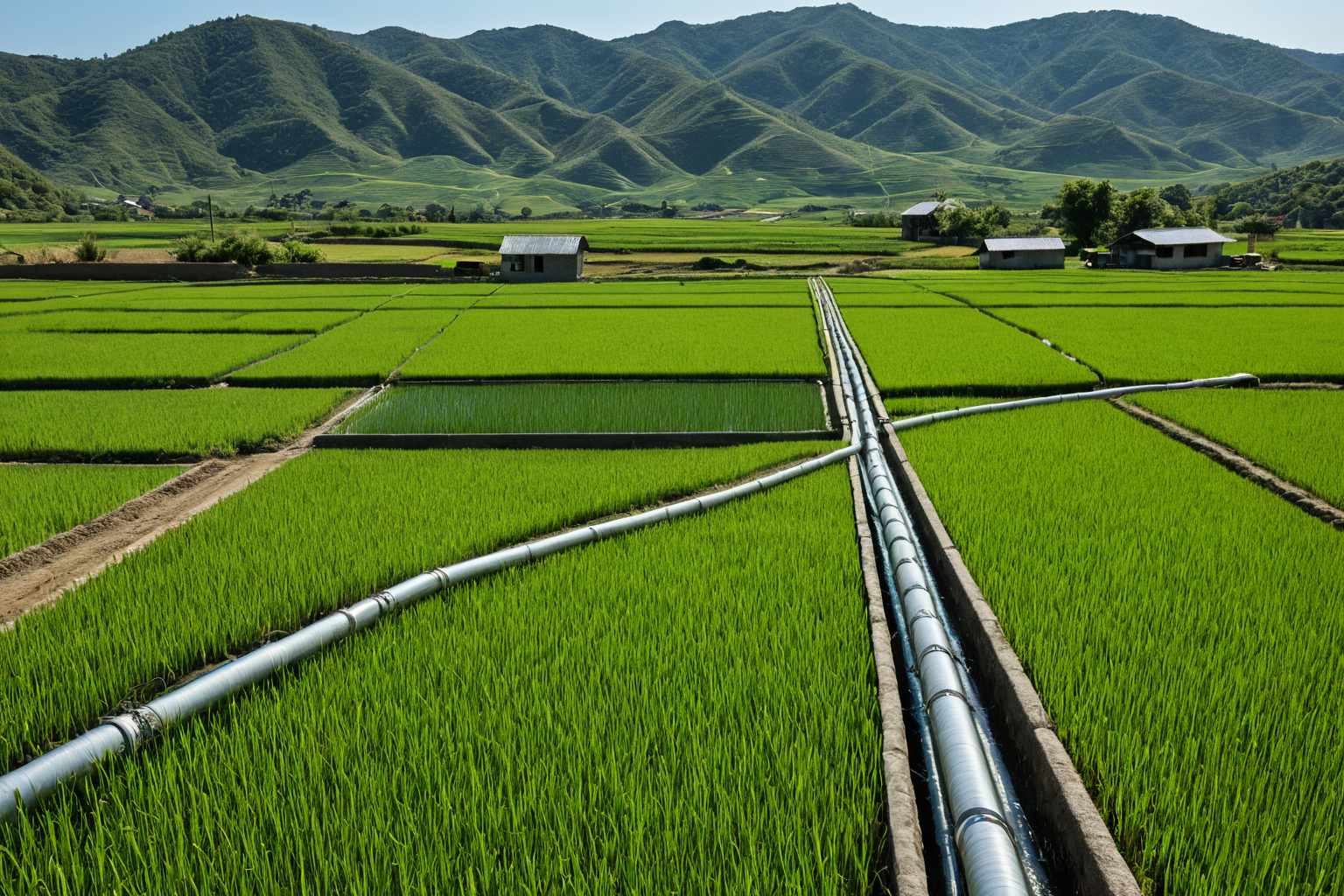
Agricultural Water Efficiency vs. Urban Water Management Strategies
This analysis explores how Gyeongnam Province's approaches to managing agricultural water use differ from urban water resource management strategies during the extreme drought crisis. The Gyeongnam Provincial Government is seeking sustainable water management solutions through the 'Gyeongnam Water Forum' and has finalized its fourth climate change adaptation plan.
Management System Limitations in Climate Change
In recent years, Gyeongnam's average temperature has risen by 0.7°C compared to historical norms over the past decade, accelerating climate change impacts. This has created new challenges for securing agricultural water and managing urban water resources.
With reservoir levels dropping to 45% capacity, the Rural Development Administration is proactively replenishing rivers to maintain water supply. However, this represents a short-term solution, highlighting the need for long-term management systems adapted to climate change.
Agricultural Water Efficiency Examples
Gyeongnam Province is considering implementing a compensation system that rewards agricultural water efficiency and environmental conservation efforts. Kim In-jung, CEO of Rural Development Administration, emphasizes 'all-out effort for securing agricultural water' while advancing river-based water supply strategies.
Korea Water Resources Corporation and Naver are introducing 'digital twin technology' for water management to build a predictive system. This approach aligns with expert recommendations to move away from reactive post-event measures toward proactive climate-adapted management.
Urban Water Resource Management Strategy
Urban water resource management is being addressed through the 'Gyeongnam Water Forum,' where provincial government and local residents collaborate on sustainable solutions. The fourth climate change adaptation plan includes improving urban water management systems and selecting candidate sites for climate-resilient dams.
Fourteen candidate locations for climate-resilient dams have been identified, with community meetings currently underway. This reflects the different requirements and conditions between urban and agricultural areas in water resource strategies.
Government-Public Collaboration Examples
Yoon Seok-dae, CEO of Korea Water Resources Corporation, conducted an on-site inspection at Millyang Dam to focus efforts on stable water supply in the Nakdong River basin. This demonstrates how government-private sector collaboration is being integrated into water management strategies.
Kim Jwa-gwan, a distinguished professor from Pusan Catholic University, has been appointed as 'Cabinet-level' National Water Management Committee Chairperson, showing how private sector expertise is being incorporated into governmental water management systems.
Climate Change Adaptation Challenges
Gyeongnam Province has established 66 climate change adaptation tasks. These include agricultural water efficiency improvements, urban water system upgrades, and climate-resilient dam design.
The need for establishing an integrated management agency in Changnyeong Namji has been raised as part of efforts to improve the fragmented existing management systems. Gyeongnam Province is working to prevent becoming a 'water crisis nation' rather than a 'water shortage nation.'
Limits of Current Response Strategies
Current response strategies have primarily focused on post-drought measures. However, experts emphasize the need to shift from reactive approaches to predictive management systems in the climate change era.
While efforts are being made through on-site inspections at Millyang and Unmun dams to address drought in southern regions, these remain temporary solutions. Long-term strategies require implementing digital twin technology and building integrated management systems.
Response and Safety Information
Gyeongnam Province plans to host the 2025 International Water Week event at Daegu EXCO from December 12-15. This event will showcase new approaches and technologies in water resource management.
The selection of 14 candidate sites for climate-resilient dams and ongoing community meetings are important examples illustrating differences between urban and agricultural water management strategies. Discussions about implementing a compensation system for agricultural water efficiency and environmental conservation are actively underway.
Information to Verify
It's essential to monitor how the Rural Development Administration and Korea Water Resources Corporation collaborate in addressing declining reservoir levels (currently at 45%). Also, the impact of the selection process for climate-resilient dam sites and community meeting outcomes on future water management should be observed.
Verifying specific implementation plans for Gyeongnam's 66 climate change adaptation tasks related to agricultural water efficiency and urban water management system improvements is important. Particularly, information regarding how digital twin technology will be applied needs to be monitored.
Frequently Asked Questions
What are the differences between agricultural water efficiency and urban water resource management strategies in Gyeongnam?
Agricultural water efficiency focuses on river-based water use and implementing compensation systems for efficient water use, while urban water management emphasizes establishing integrated management agencies and adopting digital twin technology for predictive management.
What are the limitations of existing management systems due to climate change?
Rising frequency and intensity of droughts have made traditional reactive approaches insufficient. There's a need for building management systems based on prediction rather than post-event response.
What government-private sector collaboration examples exist?
Korea Water Resources Corporation and Naver signed an agreement to use 'digital twin technology' in water management, and Pusan Catholic University professor Kim Jwa-gwan has been appointed as Cabinet-level National Water Management Committee Chairperson to strengthen cooperation.
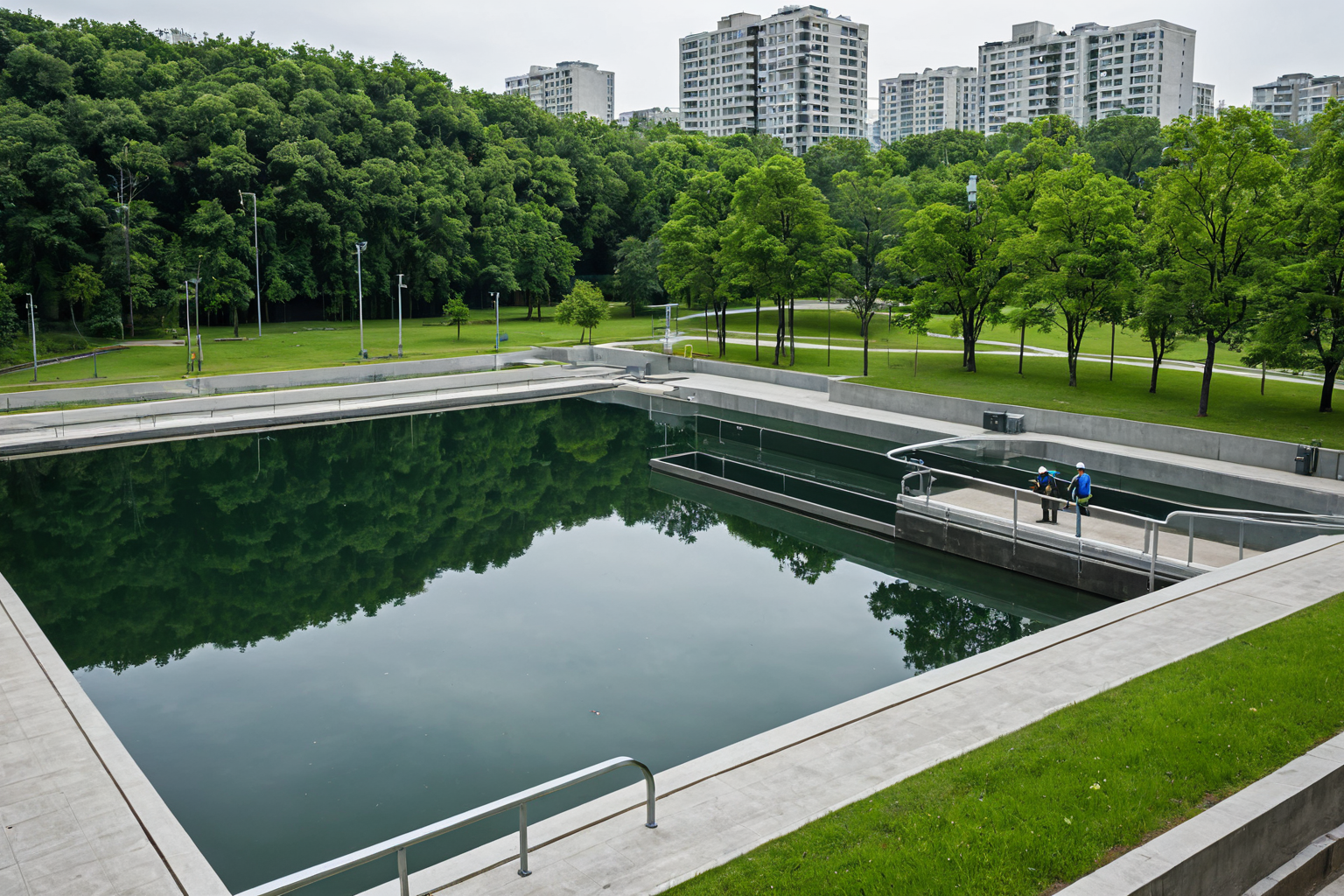
Climate Change Adaptation Strategy
Gyeongnam Province is implementing various strategies to build a new management system adapted to climate change. Over the past decade, Gyeongnam's average temperature has increased by 0.7°C compared to historical norms, creating new challenges for securing agricultural water and managing urban water resources.
The Rural Development Administration is advancing proactive strategies like using river water to maintain supply, while Korea Water Resources Corporation and Naver's 'digital twin technology' agreement will contribute to building a predictive management system.
Identifying 14 candidate sites for climate-resilient dams and raising the need for establishing an integrated management agency in Changnyeong Namji demonstrate Gyeongnam Province's efforts to explore new approaches that clearly reflect differences between agricultural and urban water resource management strategies.
Climate Crisis Adaptation Plan
The fourth climate change adaptation plan establishes a comprehensive management system for climate change preparedness. This goes beyond responding to drought events to focus on long-term management through prediction and preparation.
The upcoming 2025 International Water Week event is also being prepared, which will introduce new approaches in water resource management and strengthen cooperation. Efforts continue to prevent Gyeongnam from becoming a 'water crisis nation' rather than a 'water shortage nation.'
Government-Public Collaboration Examples
CEO Yoon Seok-dae's on-site inspection at Millyang Dam and CEO Kim In-jung's declaration of 'all-out effort for securing agricultural water' demonstrate government-private sector collaboration. These efforts will be important milestones in strengthening the water management system during the climate change era.
The appointment of Pusan Catholic University professor Kim Jwa-gwan as Cabinet-level National Water Management Committee Chairperson shows how private sector expertise is being incorporated into governmental water management systems, contributing to innovation in existing management frameworks.
Gyeongnam Province is considering implementing a compensation system for agricultural water efficiency and environmental conservation activities. This strategy aims to promote sustainable water use in agriculture while also connecting with environmental conservation efforts.
Climate-Resilient Dam Project
The selection of 14 candidate sites for climate-resilient dams and ongoing community meetings are important examples showing the differences between agricultural and urban water management strategies. This is not simply about building dams, but exploring comprehensive management solutions tailored to regional characteristics.
The raised need for establishing an integrated management agency in Changnyeong Namji represents efforts to improve fragmented existing management systems, moving toward strengthening collaboration between urban and agricultural areas.
Future Outlook
Gyeongnam Province is implementing various strategies to build a new management system adapted to climate change. Over the past decade, Gyeongnam's average temperature has increased by 0.7°C compared to historical norms, creating new challenges for securing agricultural water and managing urban water resources.
The importance of implementing digital twin technology and building integrated management systems is being emphasized as long-term strategic approaches. This will enable predictive management adapted to the climate change era.
Gyeongnam Province has established 66 climate change adaptation tasks, with those related to agricultural water efficiency and urban water management system improvements forming the core. These strategies aim to contribute to preventing Gyeongnam from becoming a 'water crisis nation' rather than a 'water shortage nation.'
You can view similar articles on this topic in one place.
View Related ArticlesFAQ
What are the differences between agricultural water efficiency and urban water resource management strategies in Gyeongnam?
Agricultural water efficiency focuses on river-based water use and implementing compensation systems for efficient water use, while urban water management emphasizes establishing integrated management agencies and adopting digital twin technology for predictive management.
What are the limitations of existing management systems due to climate change?
Rising frequency and intensity of droughts have made traditional reactive approaches insufficient. There's a need for building management systems based on prediction rather than post-event response.
What government-private sector collaboration examples exist?
Korea Water Resources Corporation and Naver signed an agreement to use 'digital twin technology' in water management, and Pusan Catholic University professor Kim Jwa-gwan has been appointed as Cabinet-level National Water Management Committee Chairperson to strengthen cooperation.
Korean Source
This article is an English localization of a Korean-language report from BlogScore. Original: 경남 극한 가뭄, 농업과 도시 수자원 관리 전략 비교