
What Residents Should Know When Gyeongnam's Drought Mobilization Order is Issued
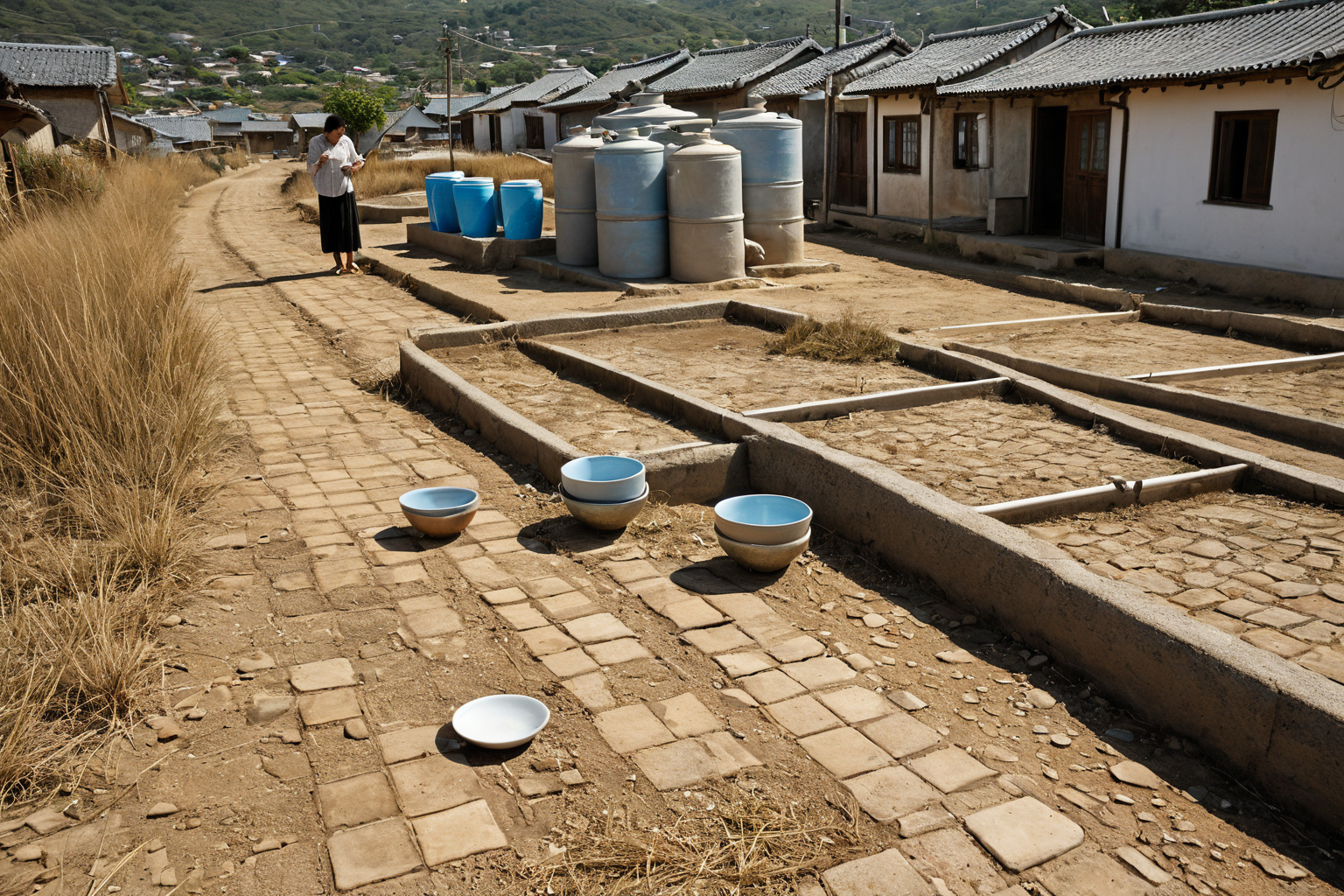
Natural images capturing residents' water-saving efforts during Gyeongnam's drought, such as using cup for brushing teeth and shortening shower times, alongside fire trucks heading to Gyeongnam.
What Residents Should Know When Gyeongnam's Drought Mobilization Order is Issued
Gyeongnam experienced severe drought, leading the Fire Administration to issue a national mobilization order. A total of 200 firefighting vehicles from across the country were deployed to Gyeongnam for water supply support. The mobilization order was issued on August 11, extended until August 13, and lifted on August 16, providing approximately 34,000 tons of water over four days.
Residents were urged to save water by using cup for brushing teeth and shortening shower times. However, after the drought eased, a heavy downpour of 900mm hit Geoje during the National Liberation Day holiday on August 17, causing significant damage known as 'water bomb' incidents.
Some local governments faced criticism for proceeding with training trips to Jeju Island despite ongoing drought conditions. The government established a Southern Drought Response Team under the Ministry of Interior and Safety to manage drought response more systematically.
Mobilization Order Issuance and Lifting Period
The Fire Administration issued a national mobilization order on August 11 for Gyeongnam's drought response, aiming to systematically provide water supply during severe conditions.
The order was extended on August 13 and lifted on August 16. During this period, 200 firefighting vehicles nationwide were deployed to Gyeongnam for water supply support.
After the mobilization order was lifted, a total of approximately 34,000 tons of water was supplied over four days, contributing to maintaining daily water needs for residents during drought conditions.
Scale and Method of Water Supply Support
A total of 200 firefighting vehicles from across the country were deployed to Gyeongnam for water supply support under the national mobilization order issued by the Fire Administration.
In particular, Jeonbuk Fire Department provided three additional water tankers, while Gangwon Fire Department sent 20 personnel and 11 water tankers. This reflects inter-regional cooperation in drought response efforts.
The water supply support aimed to maintain residents' daily water needs, with appeals for water-saving measures such as using cup for brushing teeth and shortening shower times to encourage resident cooperation.
Residents' Water-Saving Measures and Controversies
Residents were urged to save water by using cups for brushing teeth and shortening shower times. These practical daily actions were emphasized as effective ways to manage water supply during droughts.
However, some local governments faced criticism for proceeding with training trips to Jeju Island despite the severe drought conditions. The Gimhae City Council was criticized for organizing a trip to Jeju during a critical drought period.
The government established the 'Southern Drought Response Team' under the Ministry of Interior and Safety to comprehensively manage drought conditions in southern regions, analyze situations, and develop effective response strategies.
Damage from Heavy Rain After Drought Relief
After the drought eased, a heavy downpour of 900mm hit Geoje on August 17 during the National Liberation Day holiday. This sudden extreme rain caused significant damage known as 'water bomb' incidents.
The occurrence of both drought and heavy rain is rare, highlighting the severity of climate variability. It underscores the need for simultaneous drought response and flood preparedness measures.
Government and local authorities must establish systematic disaster management plans to prepare in advance for such situations. Early identification of potential post-drought rainfall through weather forecasts can help minimize damage.
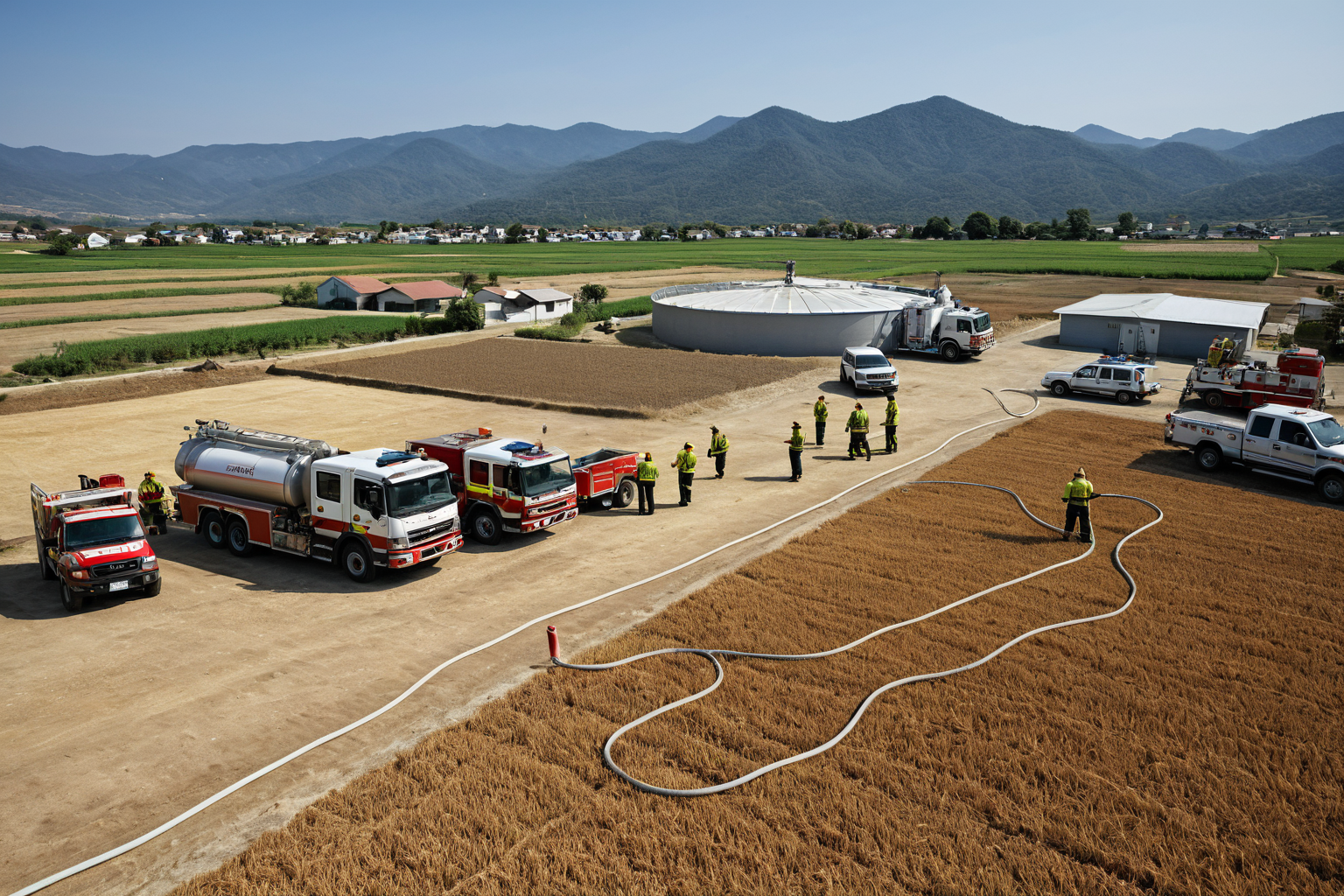
Government and Local Government Response Measures
The Ministry of Interior and Safety established the 'Southern Drought Response Team' to comprehensively manage drought conditions in southern regions, develop response strategies, and coordinate with relevant agencies.
The Fire Administration issued a national mobilization order, deploying 200 firefighting vehicles nationwide to Gyeongnam. This enabled rapid support for severely affected areas.
Local governments also conducted water-saving campaigns, urging residents to cooperate through daily actions such as using cups for brushing teeth and shortening shower times.
Key Points Residents Should Know During Drought Mobilization
When a drought mobilization order is issued, residents should be aware of the following: First, strictly adhere to water-saving measures. Using cups for brushing teeth and shortening shower times are practical actions that can make a significant difference during droughts.
Second, pay attention to the timing and locations where firefighting vehicles provide water supply. This ensures smooth water distribution during support periods.
Third, prepare for potential heavy rain after drought relief by monitoring weather forecasts. If heavy rain is expected, move to safe locations in advance as a precautionary measure.
The Connection Between Drought and Heavy Rain
Droughts and heavy rains are extreme climate phenomena that can be interconnected. Severe drought lowers groundwater levels, causing rapid runoff during rainfall, which may lead to 'water bomb' incidents.
In Gyeongnam, post-drought heavy rain caused significant damage, emphasizing the importance of comprehensive disaster management in response to climate change. Government and local authorities must simultaneously address both drought response and flood preparedness.
The Meteorological Administration plays a key role in predicting such events and providing timely information to residents for minimizing damage and ensuring safety.
Frequently Asked Questions
What should residents do when a mobilization order is issued?
Residents should follow water-saving measures like using cups for brushing teeth and shortening shower times, and ensure they receive water during the designated supply periods by firefighting vehicles.
How should residents prepare if heavy rain occurs after drought relief?
Check weather forecasts and take preventive measures such as moving to safe locations in case of heavy rainfall.
Was it appropriate for local governments to proceed with training trips during the drought?
Proceeding with training trips to Jeju Island despite severe drought conditions was controversial and drew criticism from residents.
Frequently Asked Questions
Gyeongnam's drought mobilization order represented a systematic approach to drought response. However, subsequent heavy rain caused significant damage, highlighting the need for heightened awareness of climate variability. Residents should adhere to water-saving measures and prepare thoroughly for potential post-drought rainfall by monitoring weather forecasts.
Government and local authorities must establish comprehensive disaster management plans to address both drought response and flood preparedness simultaneously, ensuring residents' safety and daily life protection.
FAQ
What should residents do when a mobilization order is issued?
Residents should follow water-saving measures like using cups for brushing teeth and shortening shower times, and ensure they receive water during the designated supply periods by firefighting vehicles.
How should residents prepare if heavy rain occurs after drought relief?
Check weather forecasts and take preventive measures such as moving to safe locations in case of heavy rainfall.
Was it appropriate for local governments to proceed with training trips during the drought?
Proceeding with training trips to Jeju Island despite severe drought conditions was controversial and drew criticism from residents.
Korean Source
This article is an English localization of a Korean-language report from BlogScore. Original: 경남 가뭄 동원령 발령 시 주민들이 알아야 할 사항