
Gyeongnam Drought Crisis: Government Response and Community Actions
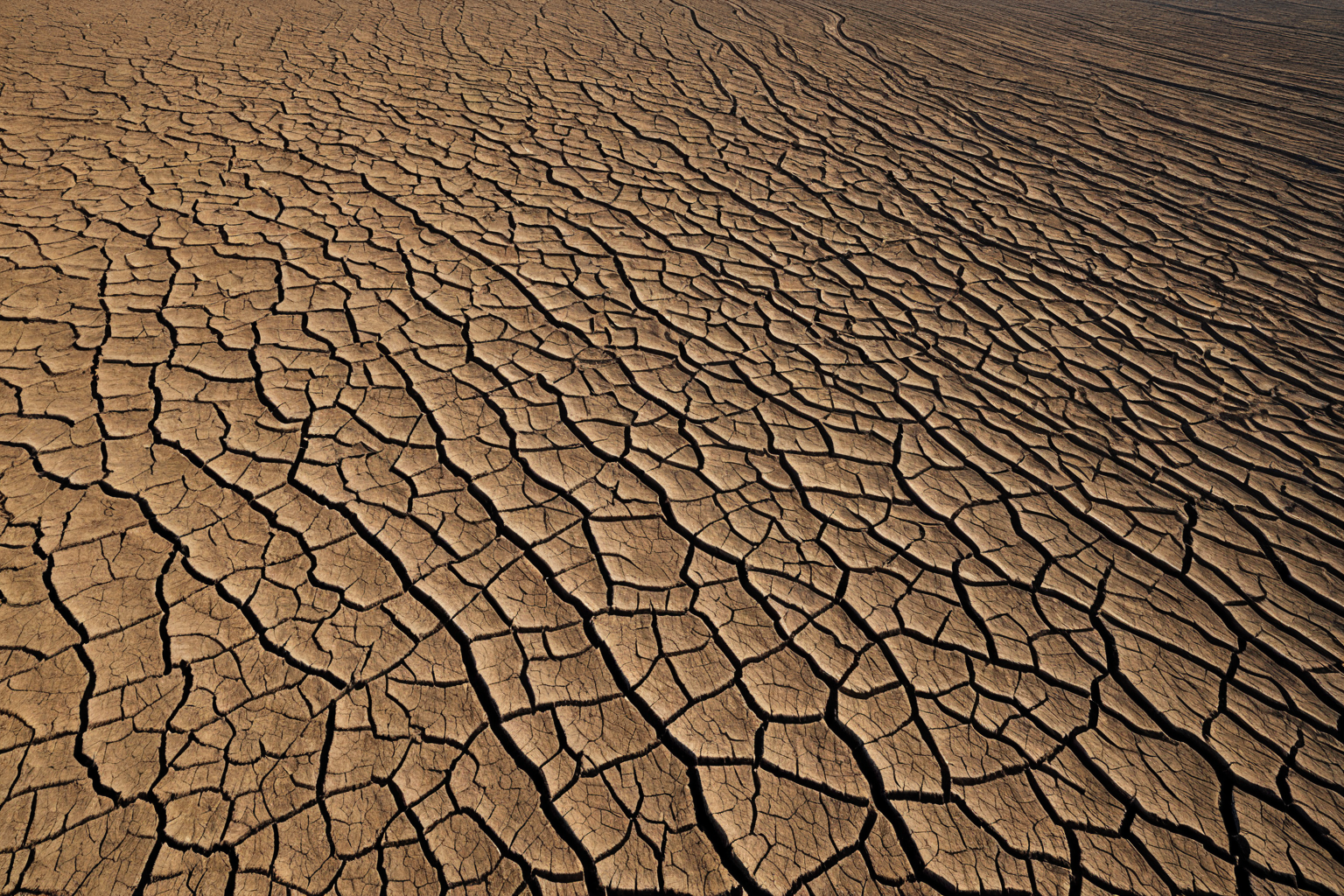
Gyeongnam Drought Situation and Government Mobilization Order
A national firefighting mobilization order was issued on August 11 due to an unprecedented drought in Gyeongnam Province, signaling the government's all-out response to safeguard agricultural production and daily water supplies. Reservoir levels have dropped to a critical 33%, exacerbated by dry monsoon seasons and heatwaves. Notably, July saw rainfall 60% below average compared to historical norms, contributing to prolonged water shortages.
The drought has severely impacted Gyeongnam across all regions. Inland areas like Geochang County and Sancheong County have experienced significant declines in agricultural productivity, with rice-growing regions facing over 30% crop loss. Urban areas are also grappling with disruptions in daily water supplies, prompting voluntary conservation efforts among residents. The Gyeongnam Provincial Government is strengthening its agricultural water management systems and providing farmers with training on moisture retention techniques to minimize drought-related agricultural damage.
Should the drought persist, it could threaten food security across Gyeongnam. Agricultural output has already declined due to droughts in 2023 and 2024, with this year's situation being more severe. To address these challenges, the government is developing long-term water management plans alongside region-specific response strategies.
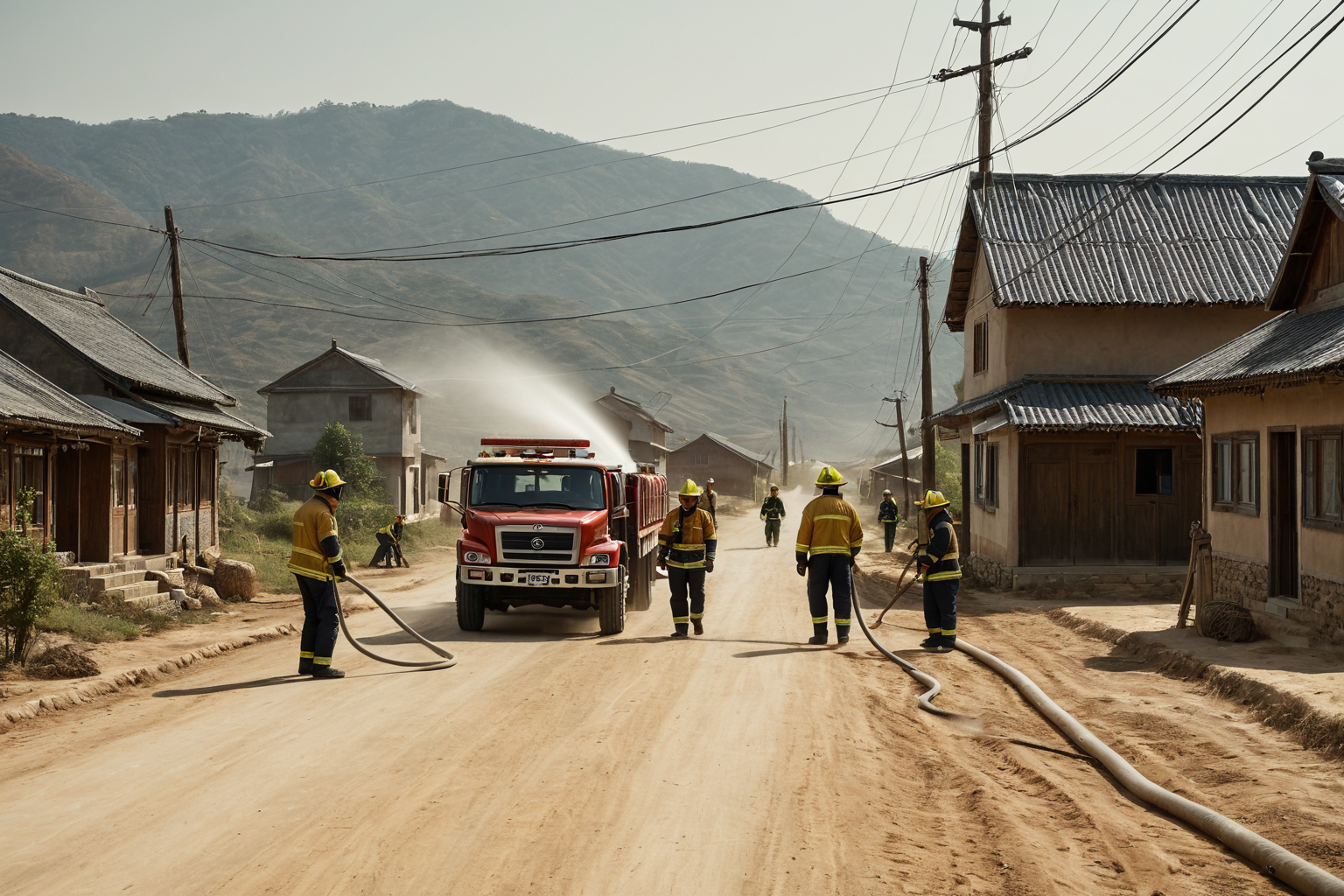
Mobilization Order Issuance and Release Schedule
The national firefighting mobilization order was issued on August 11 and lifted on August 16. During this period, 200 water tankers from across the country were deployed to Gyeongnam to supply water for agricultural and domestic use. This represents the largest-scale response of its kind in history. The tankers primarily served agricultural areas and residential zones, with concentrated operations in northern Gyeongnam and southern coastal regions.
Within the first 24 hours after the order was issued, fire departments nationwide mobilized to transport water tankers to Gyeongnam. Close coordination between local governments and fire authorities enabled optimized routes for rapid deployment. The government also continuously monitored drought conditions in real-time, adjusting response measures as needed. Water tanker operations were conducted on a 24-hour emergency basis, with supply allocations tailored to regional demand.
Thanks to the water tanker support, agricultural water supplies improved in northern Gyeongnam, particularly easing shortages in Geochang and Sancheong Counties. Urban areas also saw stabilized domestic water supplies, minimizing inconvenience for residents. Building on this success, the government plans to strengthen rapid response systems for future droughts.
Drought Spread and Government Response
Miryang Reservoir's capacity stands at only 33.9% of normal levels, highlighting the severity of the drought. The government has established a 'Southern Drought Response Team' to address prolonged drought conditions, led by the Ministry of Interior and Safety with participation from the Korea Meteorological Administration, Ministry of Agriculture, Food and Rural Affairs, and Ministry of Environment.
The team's first priority was accurately assessing the drought situation. To achieve this, meteorological agencies and local governments are monitoring reservoir levels and soil moisture in real-time. Additionally, the team is enhancing agricultural support by offering farmers training on water conservation techniques and drought-resistant crop cultivation methods tailored to regional characteristics, with a focus on rice-growing areas.
Another key role of the response team involves developing long-term strategies for drought preparedness. This includes not only short-term water supply but also improving water resource management systems and adapting to climate change. Initiatives such as expanding reservoir capacity, exploring new water sources, and strengthening groundwater management are part of these efforts, aligned with the government's 'Comprehensive Water Management Plan' aiming to enhance water efficiency by 2030.
Drought Cause Analysis
The Gyeongnam drought resulted from a combination of dry monsoon seasons and heatwaves. Insufficient rainfall during the rainy season, coupled with accelerated evaporation due to extreme heat, caused rapid depletion of reservoir water levels, disrupting both agricultural and domestic water supplies. July 2026 was recorded as one of the driest months in history, suggesting potential for prolonged drought conditions.
The causes extend beyond meteorological factors; climate change has increased the frequency of extreme weather events nationwide, not just in Gyeongnam. To address these structural challenges, the government is developing long-term water management plans linked to its 'National Climate Adaptation Plan,' enhancing drought preparedness systems accordingly.
This drought may have broader implications beyond regional issues. Nationwide water shortages could impact agriculture, industry, and urban living if left unaddressed. The government is preparing region-specific drought response plans to mitigate these risks and better prepare for future weather-related disasters.
Community Response Measures
To support community efforts, the government has implemented disaster response safety education and localized resident participation training in collaboration with neighborhood associations. These programs teach practical water management techniques and emergency procedures during droughts. For example, residents learn to form daily conservation habits, secure emergency water supplies, and establish resource-sharing systems within their communities.
The government is also strengthening community-led cooperation networks to aid drought relief efforts. This includes initiatives like neighborhood-level water-saving campaigns and joint construction of emergency water storage facilities. These activities aim to enhance community resilience during drought conditions.
One key initiative is the 'Drought Preparedness Daily Water Conservation Package,' which provides practical methods for reducing water usage alongside plans for securing emergency supplies. Residents learn about shortening shower times, minimizing washing machine use, and installing rainwater collection systems. Tailored to regional differences between urban and rural areas, this package offers customized solutions.
Key Information to Verify
Gyeongnam's reservoir capacity has reached a critical 33%, with the mobilization order issued on August 11 and lifted on August 16. The government established a 'Southern Drought Response Team' to address prolonged drought, while residents are participating in disaster response safety education programs organized with neighborhood associations.
Frequently Asked Questions
When was the mobilization order issued and lifted?
The national firefighting mobilization order was issued on August 11 and lifted on August 16.
What is Gyeongnam's reservoir capacity level?
Gyeongnam's reservoir capacity has reached a critical 33%, with Miryang Reservoir at only 33.9% of normal levels.
How is the government responding to the drought?
The government established a 'Southern Drought Response Team' and deployed 200 nationwide water tankers to support agricultural and domestic water supplies.
You can view similar articles in one place.
View Related ArticlesFAQ
When was the mobilization order issued and lifted?
The national firefighting mobilization order was issued on August 11 and lifted on August 16.
What is Gyeongnam's reservoir capacity level?
Gyeongnam's reservoir capacity has reached a critical 33%, with Miryang Reservoir at only 33.9% of normal levels.
How is the government responding to the drought?
The government established a 'Southern Drought Response Team' and deployed 200 nationwide water tankers to support agricultural and domestic water supplies.
Korean Source
This article is an English localization of a Korean-language report from BlogScore. Original: 경남 가뭄으로 인한 동원령 발령, 주민 대응 방법