
Gyeonggi Province Declares Fiscal Emergency: What Are the Solutions?
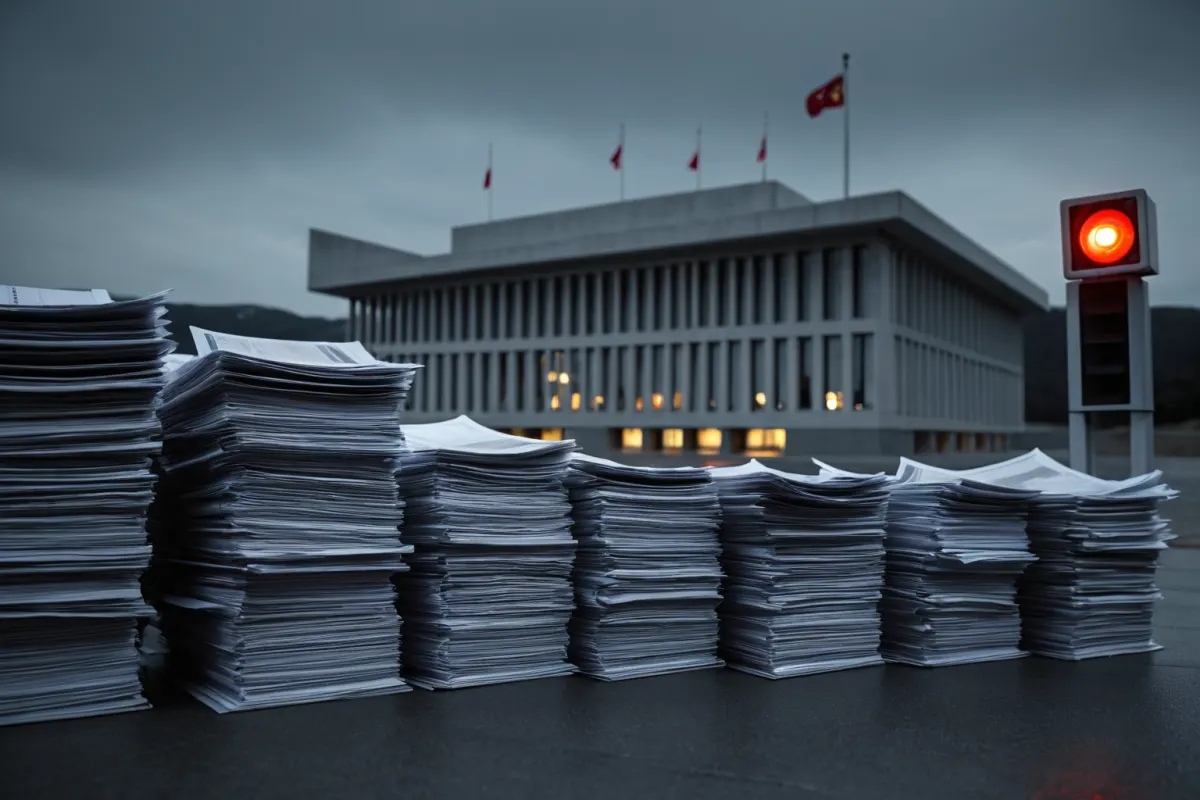
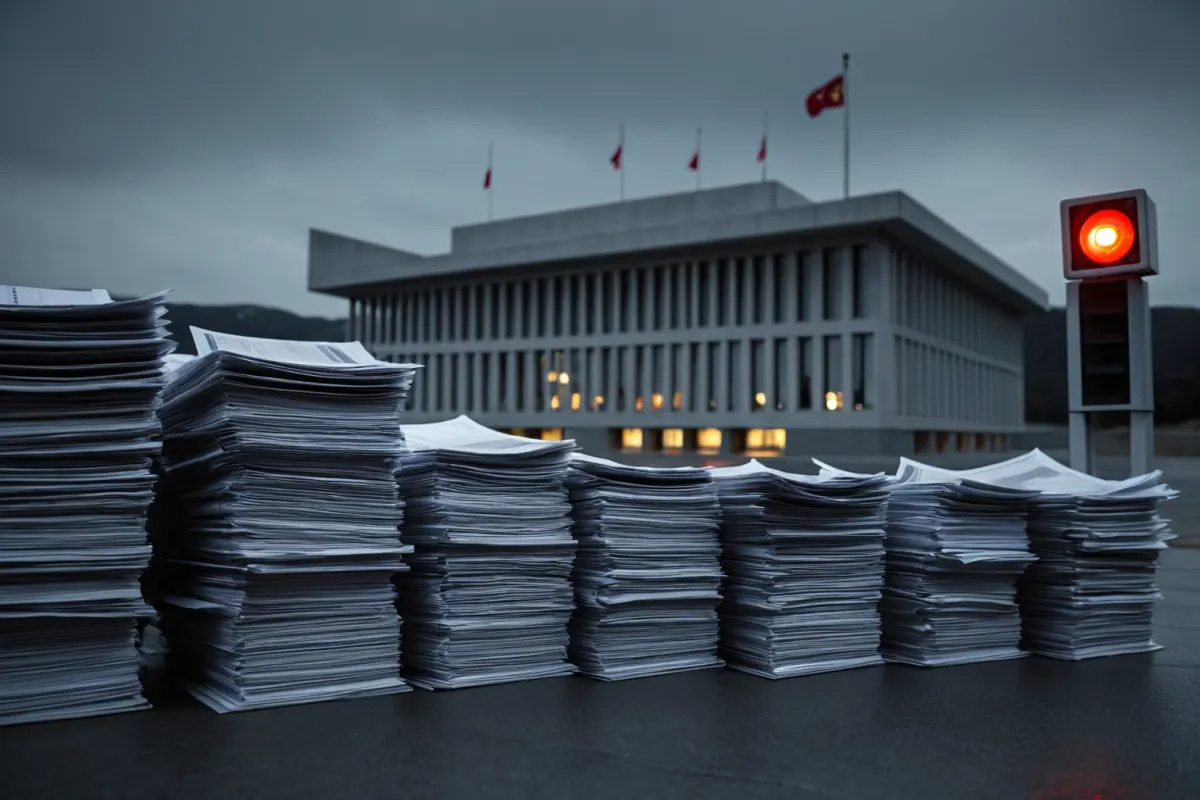
Gyeonggi Province's fiscal emergency is not merely about insufficient funds—it signals that incoming revenue is becoming more uncertain than current expenditures. Thus, the first step toward resolution isn't simply cutting spending but identifying where money is leaking and determining which projects should be prioritized.
Many are wondering: what comes first in resolving Gyeonggi's fiscal emergency? The answer is clear—short-term measures should focus on slowing unnecessary spending, medium-term efforts must reassess revenue streams, and long-term solutions require structural changes to the budget framework.
The Meaning of a Fiscal Emergency Declaration
A fiscal emergency declaration isn't just a call to tighten belts. It typically arises when multiple factors converge: declining tax revenues, rising mandatory expenditures, economic slowdowns, or heavy financial burdens from large-scale projects.
For large local governments like Gyeonggi Province, budgets are substantial but so are fixed costs. With welfare, transportation, education, and regional development projects all running simultaneously, budget flexibility can vanish faster than expected.
Therefore, a fiscal emergency is better understood as a sign that the order in which money is spent has become unstable—not simply 'no money available.'
Explore similar articles on this topic.
View Related ArticlesReassessing Priorities First
The path to resolution begins not with blanket cuts but by reevaluating priorities. Not all projects should be treated equally—some must continue, while others can be delayed.
For example, essential services like emergency welfare programs, critical safety initiatives, and basic infrastructure such as water supply should remain funded. Meanwhile, promotional events, redundant consulting contracts, and unproven pilot programs may be slowed or paused.
In practice, budget departments find it easier to make decisions when projects are categorized this way:
- Immediate Continuation: Safety, welfare, essential operations
- Conditional Pause: New events, non-essential promotional activities
- Review Required: Low-performing or duplicated programs
This process shifts the focus from 'what to cut' to 'what to preserve.'
Why Revenue Assessment Is Crucial
Simply reducing spending won't stabilize finances long-term. To find real solutions, it's essential to understand why revenues have dropped. Common areas to examine include local taxes, grants, property-related tax collections, and the recovery pace of key industries.
For instance, if property transfer taxes are lower than expected, it may indicate a slowdown in real estate transactions. Similarly, weak corporate tax revenue could point to broader economic stagnation. Identifying root causes is necessary for effective responses.
In this phase, looking at annual trends rather than single-month data helps distinguish between seasonal fluctuations and structural declines.
Adjusting Existing Budgets Mid-Stream

During a fiscal emergency, adjusting existing budgets is more common than drafting new ones. The key is to avoid postponing decisions with 'let's do it later' logic and instead identify projects with low execution likelihood.
Budget adjustments typically occur through three approaches: first, delaying projects with low execution rates; second, consolidating similar initiatives to reduce overlapping costs; third, using bonds or contingency funds only when absolutely necessary and within strict limits.
For example, instead of scaling back a festival's scale while keeping the same number of events, reducing event frequency might be more effective. The focus should be on restructuring rather than superficial changes.
Adjusting High-Impact Areas for Public Perception
As fiscal pressures mount, residents often worry that welfare or transportation services will be cut first. Since these areas are highly visible to the public, they're difficult to reduce without causing backlash—so efficiency improvements matter more than direct cuts.
For instance, optimizing public transport could involve reviewing transfer options, eliminating redundant routes, and focusing on high-usage sections. Welfare programs may benefit from improving delivery speed and checking for overlapping benefits rather than reducing eligibility.
In these visible areas, the focus should shift from 'cut or not cut' to 'how to eliminate waste.' This distinction significantly reduces public dissatisfaction.
Real-World Examples of Effective Measures
Consider a metropolitan government that reduced promotional budgets by 20% due to declining tax revenue and implemented quarterly reviews for new investment projects. While immediate disruptions are minimal, this approach provides breathing room for next year's budget planning.
In contrast, blanket cuts might improve short-term numbers but risk destabilizing essential services. Therefore, fiscal crisis management is less about 'how much was cut' and more about 'what was preserved.'
Common approaches used on the ground include:
- Distributing spending across different timeframes
- Temporarily pausing non-essential projects
- Reassessing matching funds for public competitions
- Reviewing costs of private contracts
While these steps may seem minor, they directly contribute to financial stability.
Why Long-Term Solutions Are Necessary
A fiscal emergency cannot be resolved with short-term fixes alone. If revenue sources remain weak while spending structures stay unchanged, similar issues will recur in future quarters or years.
Long-term solutions can be viewed through three pillars: expanding revenue streams by revitalizing local industries, reducing fixed costs by streamlining recurring projects, and adopting more conservative long-term financial planning.
Particularly for large-scale development or new regional projects, both expected benefits and ongoing operational costs must be considered. Often, maintenance costs exceed initial investment during the operational phase.
What Residents Should Watch For
Ordinary residents don't need to understand complex accounting figures—simple indicators can reveal fiscal health. Look for sudden reductions in new projects, delays in existing welfare or transportation services, and repeated budget cuts during legislative reviews.
For example, if neighborhood park renovations keep getting postponed or bus service subsidies are adjusted, it may signal ongoing financial pressure. Conversely, if essential services remain stable, the situation might still be within a management phase.
In short, resolving Gyeonggi's fiscal emergency is less about one dramatic action and more about layering small adjustments across multiple areas.
Key Takeaways
Gyeonggi Province's fiscal solution isn't just about cutting spending. It requires reorganizing priorities, assessing revenue sources, eliminating redundant expenditures, and restructuring the financial framework for the long term.
The first step is distinguishing essential services from adjustable projects. Next, identify why revenues have dropped and address inefficient spending starting with low-impact areas.
Following this approach doesn't just extinguish immediate crises—it also gradually reduces the likelihood of future fiscal emergencies.
FAQ
Q1. Does a 'fiscal emergency' declaration mean major budget cuts right away?
A1. Not necessarily. Typically, adjustments include delaying new projects, spreading out spending over time, and pausing non-essential initiatives.
Q2. What changes might residents notice first?
A2. Reduced promotional events, delayed project schedules, or reallocated public service budgets may be the earliest signs.
Q3. How would you summarize the solution in one sentence?
A3. Preserve essential spending, reduce redundant and non-core expenses, and expand revenue sources to build a more stable financial foundation.
Keep in mind that budget planning may vary based on official announcements and policy decisions.
Continue reading articles on similar topics.
View All ArticlesFAQ
Does a 'fiscal emergency' declaration mean major budget cuts right away?
Not necessarily. Typically, adjustments include delaying new projects, spreading out spending over time, and pausing non-essential initiatives.
What changes might residents notice first?
Reduced promotional events, delayed project schedules, or reallocated public service budgets may be the earliest signs.
How would you summarize the solution in one sentence?
Preserve essential spending, reduce redundant and non-core expenses, and expand revenue sources to build a more stable financial foundation.
Korean Source
This article is an English localization of a Korean-language report from BlogScore. Original: 경기도 재정비상 선언, 해결 방안은 무엇부터?