
Gyeonggi Province's Fiscal Crisis: Current Status and Response Measures
Gyeonggi's Fiscal Crisis: 7 Trillion Won Debt and Governor Choo Mi-ae's Response
Gyeonggi Province has surpassed a cumulative debt of 7 trillion won, prompting newly elected Governor Choo Mi-ae to officially declare a 'fiscal emergency.' This indicates that the province's financial situation has entered a serious crisis phase.
The province is preparing a 770 billion won budget cut supplementary budget while working on restructuring expenditures and reforming revenue systems. Governor Choo announced the establishment of a 'Fiscal Emergency Response Task Force' to develop comprehensive measures by late August.
Meanwhile, the People Power Party's Gyeonggi Provincial Committee has expressed opposition, citing concerns over infringement on municipal finances, while the province focuses on stabilizing its finances. In Yongsan City Council, a joint statement regarding semiconductor policies was canceled due to disagreements between parties.
Key Facts About Gyeonggi's Fiscal Crisis
Gyeonggi Province has reached a critical point with cumulative debt exceeding 7 trillion won, prompting the government to declare a fiscal emergency and initiate a comprehensive review of financial status under Governor Choo's direction.
On June 22, 2026, newly elected Governor Choo stated, 'When I opened the treasury, all I found were debt documents,' officially confirming the province's fiscal crisis. This statement emphasizes the severity of Gyeonggi's financial condition.
Governor Choo has announced plans to implement a 770 billion won budget cut supplementary budget to restructure expenditures and reform revenue systems, with a goal of finalizing comprehensive measures by month-end.
Causes of the Fiscal Crisis
The fiscal crisis began intensifying in early June 2026 when newly elected Governor Choo formed a preparatory committee to review Gyeonggi's financial status and revealed that debt had surpassed 7 trillion won.
On June 22, 2026, Governor Choo officially declared the fiscal crisis with her statement about finding only 'debt documents' when opening the treasury. This indicates the province is facing a severe financial situation due to accumulated debt.
Following this, on August 5, 2026, Governor Choo formally declared a 'fiscal emergency' and announced the scale of budget cuts. This demonstrates the province's urgent response to address the crisis.
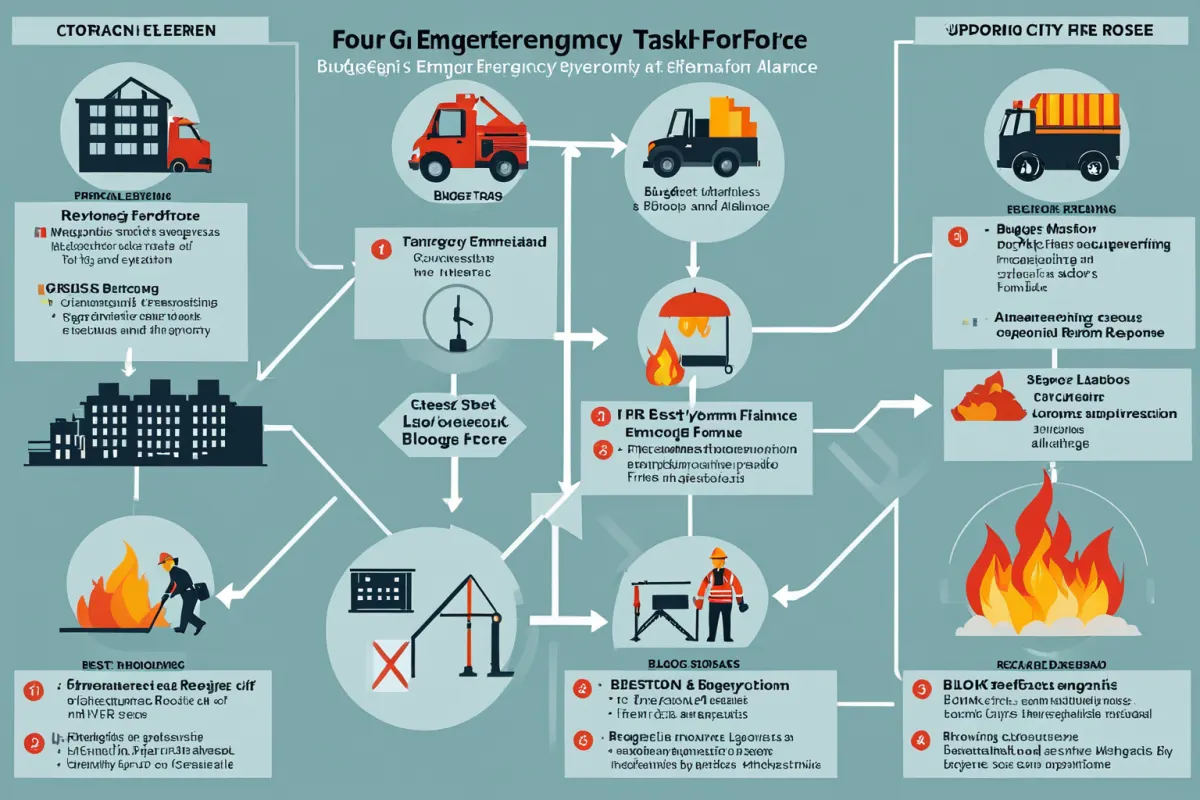
On August 10, 2026, Gyeonggi Province activated its 'Fiscal Emergency Response Task Force,' announcing four key initiatives: expenditure restructuring, revenue system reform, relieving financial burdens in fire safety and labor inspection sectors, and promoting cooperation among metropolitan-level local governments.
Investigation into Crisis Causes
The primary cause of Gyeonggi's fiscal crisis is its cumulative debt exceeding 7 trillion won. This appears to result from long-term shortcomings in financial management.
Governor Choo criticized that 'the province failed to prevent the expected financial collapse,' indicating that despite recognizing past financial management issues, proper action was not taken.
The People Power Party's Gyeonggi Provincial Committee has argued that the province should prioritize understanding municipal finances before addressing the crisis, stating 'Do not meddle in the treasuries of Gyeonggi's 31 cities and counties.' This reflects concerns about potential infringement on local government financial autonomy.
Yongsan City Council reported that a joint statement regarding semiconductor policies was canceled due to disagreements between parties. This highlights existing differences in economic policy opinions within the community.
Response Measures and Safety Information
Gyeonggi Province is implementing expenditure restructuring and revenue system reform through its 'Fiscal Emergency Response Task Force.' This strategic approach aims at overcoming the fiscal crisis.
Governor Choo has highlighted financial burdens in fire safety and labor inspection sectors, emphasizing the need for concurrent allocation of authority and resources. This indicates efforts to alleviate financial pressure in specific areas.
The province plans to finalize comprehensive response measures by late August, aiming to stabilize finances and provide better services to citizens. The promotion of cooperation among metropolitan-level local governments is also noteworthy as part of its crisis response strategy.
Information to Verify
The cancellation of a joint statement in Yongsan City Council regarding semiconductor policies requires verification. This situation demonstrates existing differences in economic policy opinions within the community and may warrant further investigation.
The People Power Party's claim that 'Do not meddle in the treasuries of Gyeonggi's 31 cities and counties' should also be reviewed. This reflects concerns about potential infringement on local government financial autonomy.
Governor Choo declared a fiscal emergency and announced plans for a 770 billion won budget cut supplementary budget, though specific details have not yet been disclosed. Additional information is needed to fully understand the plan's implementation.
Frequently Asked Questions
What caused Gyeonggi Province's fiscal crisis?
Gyeonggi's cumulative debt has exceeded 7 trillion won, indicating long-term shortcomings in financial management.
What measures has Governor Choo taken to address the fiscal crisis?
Choo declared a 'fiscal emergency' and is implementing a 770 billion won budget cut supplementary budget to restructure expenditures and reform revenue systems.
Why was a joint statement canceled in Yongsan City Council regarding semiconductor policies?
The joint statement was canceled due to disagreements between parties over semiconductor policy, preventing consensus from being reached.
Frequently Asked Questions
Gyeonggi Province's fiscal crisis has reached critical levels with cumulative debt exceeding 7 trillion won and a planned budget cut of 770 billion won. Governor Choo declared a 'fiscal emergency,' established a task force, and aims to finalize comprehensive measures by late August.
The People Power Party's Gyeonggi Provincial Committee opposes the province's actions due to concerns about infringing on municipal financial autonomy, while Gyeonggi focuses on stabilizing its finances. Yongsan City Council reported that a joint statement regarding semiconductor policies was canceled due to disagreements between parties, indicating existing differences in economic policy opinions.
Ongoing efforts to overcome the fiscal crisis will continue, with public interest and support playing an important role. The Gyeonggi government should provide more transparent information about its response strategies moving forward.
You can view similar articles on this topic in one place.
View Related ArticlesFAQ
What caused Gyeonggi Province's fiscal crisis?
Gyeonggi's cumulative debt has exceeded 7 trillion won, indicating long-term shortcomings in financial management.
What measures has Governor Choo taken to address the fiscal crisis?
Choo declared a 'fiscal emergency' and is implementing a 770 billion won budget cut supplementary budget to restructure expenditures and reform revenue systems.
Why was a joint statement canceled in Yongsan City Council regarding semiconductor policies?
The joint statement was canceled due to disagreements between parties over semiconductor policy, preventing consensus from being reached.
Korean Source
This article is an English localization of a Korean-language report from BlogScore. Original: 추미애 경기도 재정 위기, 현황과 대응 점검