
Gyeonggi Province Faces Fiscal Emergency, Government Response and Citizen Roles
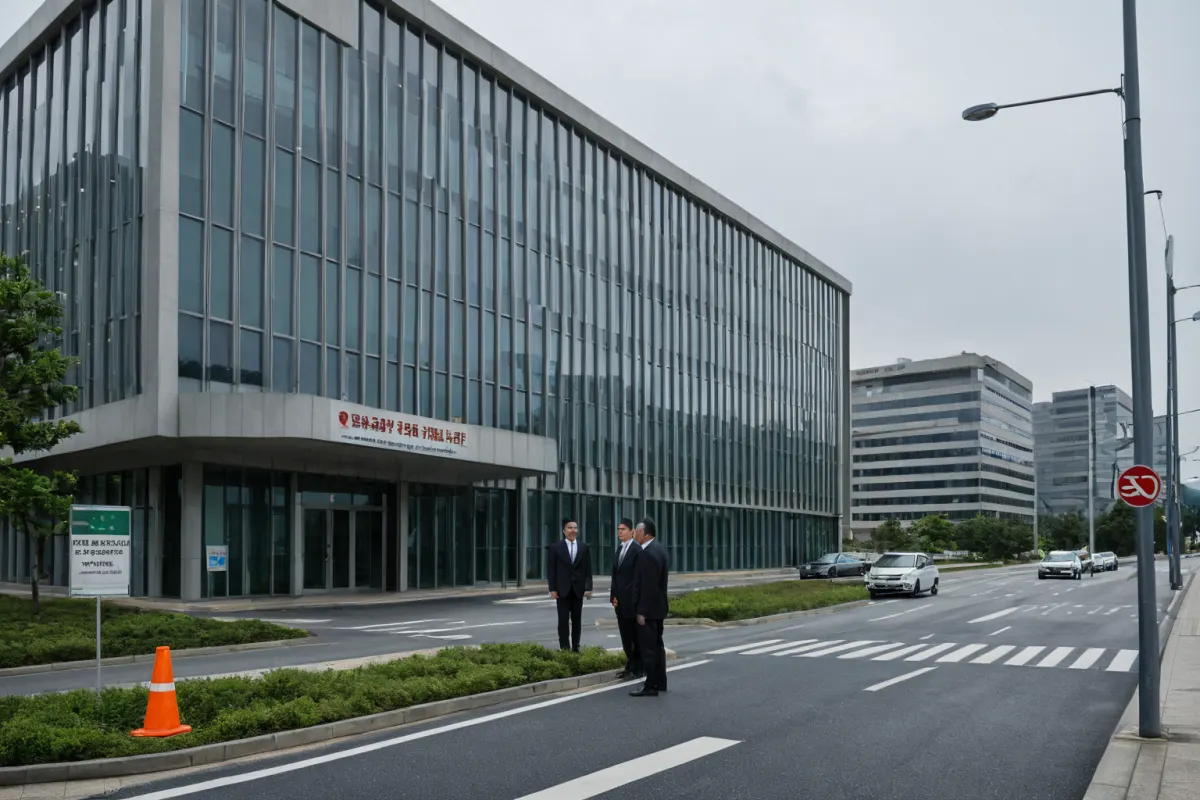
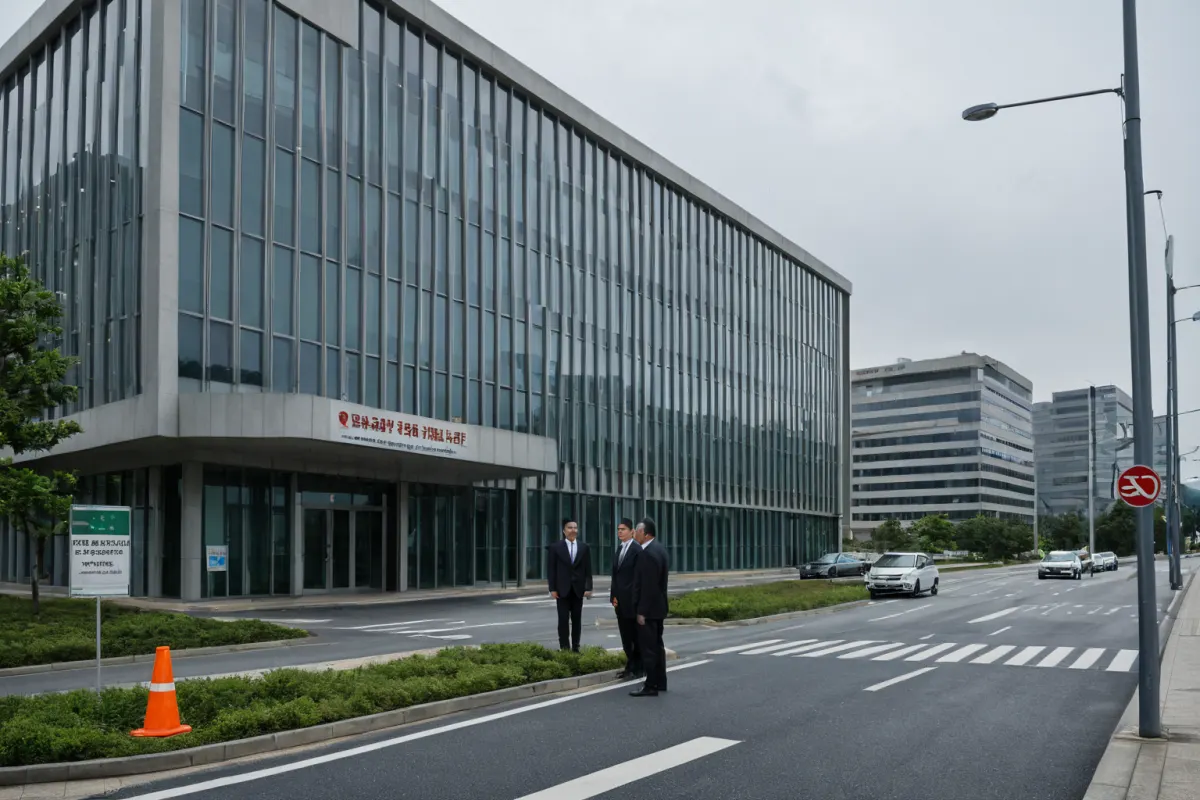
Gyeonggi's Fiscal Crisis Task Force Activated
Gyeonggi Province has activated a 'Fiscal Crisis Relief Task Force' to develop comprehensive measures by late August, aiming to address its fiscal challenges. Governor Chun Myeong-joon, following the declaration of a fiscal emergency, is advancing both expenditure restructuring and revenue reform while reviewing next year's budget from scratch.
Gyeonggi Province established the Fiscal Crisis Relief Task Force on August 10 to formulate strategies for expenditure restructuring and revenue reform. This move comes as the province seeks to strengthen cooperation between the central government and local authorities amid its fiscal emergency situation.
The task force was initiated under special instructions from Governor Chun Myeong-joon, with plans to finalize emergency measures by late August. The team aims to identify solutions for overcoming the fiscal crisis through structural adjustments and revenue reforms within three weeks.
Gyeonggi Provincial Assembly has also formed a 'Sound Fiscal Innovation Task Force' to review current fiscal management practices, demonstrating the province's efforts to enhance its capacity in local government financial management.

Fiscal Emergency Declaration and Expenditure Restructuring
Governor Chun Myeong-joon declared Gyeonggi Province's 'Fiscal Emergency' on August 10, mentioning the necessity of issuing 94.3 billion won in local bonds and reducing budget allocations by 77 billion won. Despite having a lower debt ratio than Seoul, the declaration emphasized an urgent fiscal situation.
Even though Gyeonggi Province maintains a lower debt ratio compared to Seoul—a common indicator of fiscal health—it has declared a fiscal emergency while advancing both expenditure restructuring and revenue reform. This is viewed as a strategic move to secure future fiscal stability.
The Fiscal Crisis Relief Task Force has begun discussions on revenue system reforms, with Governor Chun meeting with Minister Park Hong-geun of the Ministry of Planning and Budget to request support for crisis resolution and inclusion of the Gyeonggi Southern Metropolitan Railway in national railway plans. This reflects a request for central government support.
Chairman Jo Se-il of the Uiwang City Council emphasized communication and coexistence with citizens, aiming for 'a future opened through cooperation.' This demonstrates Gyeonggi Province's focus on citizen participation and collaboration during its fiscal crisis resolution process.
Fiscal Crisis Response Strategy
The main strategy of Gyeonggi's Fiscal Crisis Relief Task Force involves expenditure restructuring and revenue reform. The province is reviewing next year's budget from scratch to secure fiscal stability.
Expenditure restructuring aims to optimize local government spending patterns, reducing wasteful expenditures, while revenue reform focuses on creating new income sources or improving existing tax systems.
In addition, Gyeonggi Province is seeking central government support for crisis resolution. Specifically, the request to include the Gyeonggi Southern Metropolitan Railway in national railway plans reflects expectations for large-scale investment related to road and transportation infrastructure expansion.
Even amid the fiscal emergency, Gyeonggi emphasizes citizen communication, following the Uiwang City Council's goal of 'a future opened through cooperation,' aiming to overcome the crisis through collaboration with citizens.
Fiscal Emergency Declaration Controversy
The declaration of a fiscal emergency by Gyeonggi Province has sparked controversy, as it was made despite having a lower debt ratio than Seoul—a key indicator of fiscal health. Some media outlets view this declaration as a strategic move to secure government support, while others suggest the crisis may be exaggerated, potentially affecting public trust in Gyeonggi's financial management.
Media outlets such as Kyungin Ilbo and ohmynews.com have analyzed various perspectives on Gyeonggi's fiscal emergency declaration. These discussions are fostering broader conversations about how the province's strategy will impact both the government and citizens.
Fiscal Response Measures and Citizen Engagement
Gyeonggi Province has initiated revenue system reform discussions through its Fiscal Crisis Relief Task Force, with Governor Chun meeting Minister Park Hong-geun to request support for crisis resolution and inclusion of the Gyeonggi Southern Metropolitan Railway in national railway plans. This reflects a request for central government assistance.
Chairman Jo Se-il of the Uiwang City Council emphasized communication and coexistence with citizens, aiming for 'a future opened through cooperation.' This highlights Gyeonggi's commitment to involving citizens in its fiscal crisis resolution efforts.
The Gyeonggi Provincial Assembly's Sound Fiscal Innovation Task Force is currently reviewing the province's fiscal management status, planning to develop future policy improvements. This demonstrates Gyeonggi's efforts to strengthen its capacity as a local government entity.
Additional Measures for Fiscal Crisis Resolution
Gyeonggi Province is implementing various measures to address the fiscal emergency. It plans to finalize emergency measures by late August, with the task force aiming to identify solutions through structural adjustments and revenue reforms within three weeks.
The province is also reviewing next year's budget from scratch to secure fiscal stability, advancing both expenditure restructuring and revenue reform simultaneously. This systematic approach demonstrates Gyeonggi's comprehensive strategy for overcoming its fiscal crisis.
Gyeonggi's fiscal crisis resolution strategy focuses on strengthening cooperation between the central government and local authorities while prioritizing citizen communication. This strategic approach aims to secure future fiscal stability, as demonstrated by the province's efforts.
Verified Information
The activation of Gyeonggi's Fiscal Crisis Relief Task Force was announced on August 10, with plans to develop emergency measures by late August. This shows the province's prompt action in response to its fiscal situation.
Governor Chun Myeong-joon's declaration of a fiscal emergency mentioned the necessity of issuing 94.3 billion won in local bonds and reducing budget allocations by 77 billion won, despite Gyeonggi having a lower debt ratio than Seoul—a point of controversy.
The review of Gyeonggi's fiscal management status is being conducted through the Provincial Assembly's Sound Fiscal Innovation Task Force, reflecting the province's efforts to strengthen its financial management capacity.
Frequently Asked Questions
What is the purpose of establishing Gyeonggi's Fiscal Crisis Relief Task Force?
The Fiscal Crisis Relief Task Force was established to identify solutions for overcoming the fiscal crisis through structural adjustments and revenue reforms within three weeks.
Why did Gyeonggi declare a fiscal emergency despite having a lower debt ratio than Seoul?
Gyeonggi Province declared a fiscal emergency while maintaining a lower debt ratio compared to Seoul, viewed as a strategic approach to request central government support and secure future fiscal stability.
How does Gyeonggi plan to redesign next year's budget?
Next year's budget will be redesigned from scratch, with simultaneous implementation of expenditure restructuring and revenue reform to ensure fiscal stability.
Frequently Asked Questions
Gyeonggi Province has activated a 'Fiscal Crisis Relief Task Force' to develop comprehensive measures by late August, advancing both expenditure restructuring and revenue reform while reviewing next year's budget from scratch. Despite declaring a fiscal emergency despite having a lower debt ratio than Seoul—a point of controversy—the province aims to resolve its fiscal crisis through collaboration with the government and citizens. Gyeonggi is committed to strengthening its financial management capacity for future stability.
The strategic approach to addressing the fiscal emergency involves simultaneous expenditure restructuring and revenue reform, which is expected to contribute to securing long-term fiscal stability.
You can view similar articles on this topic in one place.
View Related ArticlesFAQ
What is the purpose of establishing Gyeonggi's Fiscal Crisis Relief Task Force?
The Fiscal Crisis Relief Task Force was established to identify solutions for overcoming the fiscal crisis through structural adjustments and revenue reforms within three weeks.
Why did Gyeonggi declare a fiscal emergency despite having a lower debt ratio than Seoul?
Gyeonggi Province declared a fiscal emergency while maintaining a lower debt ratio compared to Seoul, viewed as a strategic approach to request central government support and secure future fiscal stability.
How does Gyeonggi plan to redesign next year's budget?
Next year's budget will be redesigned from scratch, with simultaneous implementation of expenditure restructuring and revenue reform to ensure fiscal stability.
Korean Source
This article is an English localization of a Korean-language report from BlogScore. Original: 경기도 재정 비상 상황, 정부 대응과 시민의 역할