
Gyeonggi Province Declares Fiscal Emergency: What It Means for Residents
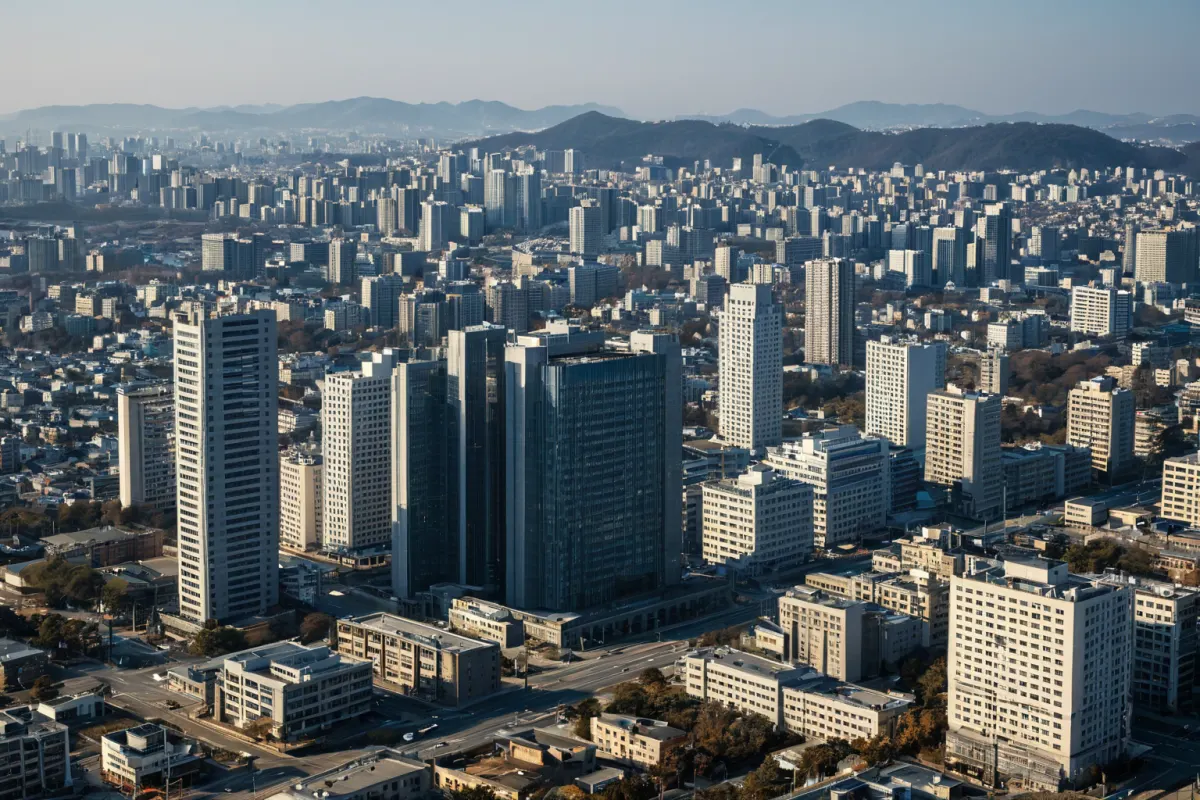
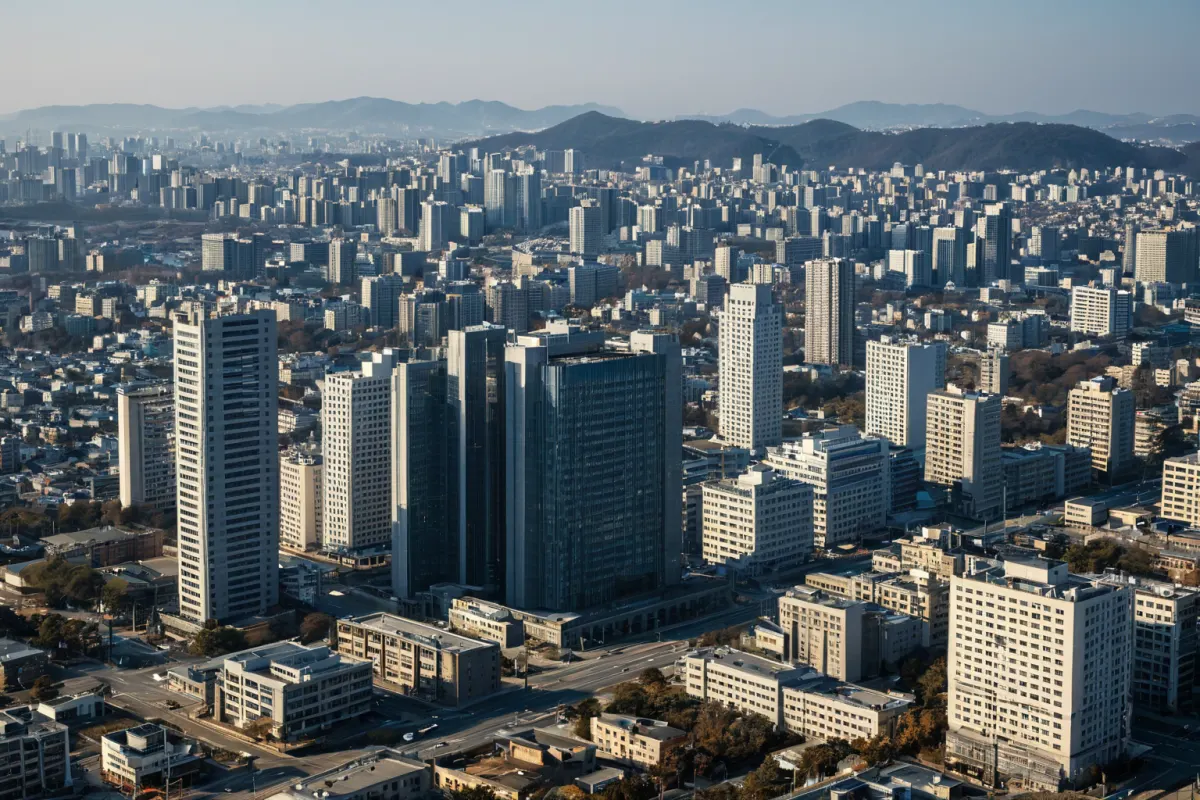
Gyeonggi Province's fiscal emergency declaration, announced by Governor Choo Mi-ae on August 5, 2026, is expected to directly impact residents through increased tax burdens and policy cuts. This follows a fiscal crisis caused by 943 billion won in local government debt and unmet民生 budgets, with an anticipated 770 billion won reduction budget and stringent restructuring measures.
Who Declared the Emergency and When
Gyeonggi Province's fiscal emergency was officially declared by Governor Choo Mi-ae on August 5, 2026. On that day, she referred to the 'fiscal crisis' as approaching 'de facto default.' The same day, all provincial agencies were notified of an anticipated 770 billion won reduction budget and stringent restructuring measures aimed at stabilizing Gyeonggi's finances.
This declaration represents a historic move, marking the first time in 20 years that Gyeonggi has delayed both local government debt repayment and民生 budgets for nine months. It acknowledges failures in fiscal management, drawing attention as one of the largest fiscal crises among South Korea's local governments.

Core Causes of the Fiscal Crisis
The fiscal crisis stems from uncontrolled issuance of local government bonds and failure to properly allocate民生 budgets. Gyeonggi Province carries a burden of 94.3 billion won in local debt, while民生 budgets have not been adequately allocated. As a result, residents may face higher tax burdens, policy cuts, and reduced municipal support programs.
Reports on the scale of the province's debt vary; some cite 94.3 billion won, others report 700 billion won. To avoid confusion, it is essential to verify accurate information from official sources.
Gyeonggi's fiscal mismanagement has persisted for years. Since 2019, the province has consistently increased its issuance of local government bonds while neglecting民生-related budget allocations. This trend continued until just before Governor Choo's emergency declaration.
Details of the Budget Cuts and Restructuring
Gyeonggi plans a 770 billion won reduction budget, which will likely mean higher taxes for residents, policy cuts, and reduced municipal support programs. The province has outlined four key measures: cost-cutting, eliminating waste, organizational restructuring, and improving revenue collection.
The 770 billion won reduction represents an unprecedented step—delaying both local debt repayment and民生 budgets for nine months, the first such move in two decades. Governor Choo's remark that 'even if you work hard, taxes don't add up' underscores the severity of the fiscal situation.
Specific measures include cutting funding for major projects, reducing public sector staff, and discontinuing inefficient facility operations. For example, youth housing support programs and small business assistance policies currently in progress may see significant budget reductions.
Response Measures and Controversy
Gyeonggi has committed to addressing the crisis through its four measures: cost-cutting, waste elimination, organizational restructuring, and revenue improvement. A special 'Crisis Resolution Task Force' (TF) has been activated, starting operations on August 6, 2026, with a team of financial and administrative experts alongside representatives from civic groups.
The Crisis Resolution TF will analyze Gyeonggi's fiscal structure and propose efficient budget allocation strategies. However, the provincial assembly's two major parties have criticized the approach to declaring the emergency. Some legislators argued that current measures are insufficient for resolving the crisis, while others emphasized the need for effective response plans—particularly regarding cuts to民生 budgets.
Direct Impact on Residents
Residents of Gyeonggi Province may face direct consequences including higher tax burdens, reduced public policies, and decreased municipal support programs. Cuts to民生 budgets are expected to significantly impact low-income residents and small businesses.
Concerns have been raised about the potential reduction in municipal support programs, which could directly affect local economic development and social welfare initiatives. For instance, among Gyeonggi's 31 cities and counties, some may see reduced funding for youth cultural programs and community festival support.
Small businesses within the province may also experience worsening business conditions due to reduced government support policies amid the fiscal crisis—a situation that could directly affect daily life for residents.
Key Information to Verify
Residents can verify details about Gyeonggi's fiscal emergency through official announcements and media reports. Key points include:
- Local debt burden: 94.3 billion won (Source 8)
- Reduction budget size: 770 billion won
- Cause of fiscal crisis: Uncontrolled issuance of local bonds and failure to allocate民生 budgets
Residents should rely on official sources for accurate information, as confusion over debt figures could arise without clear explanations from the province.
Frequently Asked Questions
Will taxes increase due to Gyeonggi's fiscal emergency declaration?
Gyeonggi has announced a 770 billion won reduction budget, which is expected to lead to higher tax burdens for residents as it stems from unmet民生 budgets and local debt.
What role does the Crisis Resolution Task Force play?
The Crisis Resolution TF is a special team activated to address Gyeonggi's fiscal crisis. It focuses on implementing four key measures: cost-cutting, waste elimination, organizational restructuring, and revenue improvement.
If municipal support programs are reduced, what impact will it have?
Reduced municipal support programs may directly affect local economic development and social welfare initiatives, particularly impacting low-income residents and small businesses.
You can explore more articles on similar topics in one place.
View Related ArticlesFAQ
Will taxes increase due to Gyeonggi's fiscal emergency declaration?
Gyeonggi has announced a 770 billion won reduction budget, which is expected to lead to higher tax burdens for residents as it stems from unmet民生 budgets and local debt.
What role does the Crisis Resolution Task Force play?
The Crisis Resolution TF is a special team activated to address Gyeonggi's fiscal crisis. It focuses on implementing four key measures: cost-cutting, waste elimination, organizational restructuring, and revenue improvement.
If municipal support programs are reduced, what impact will it have?
Reduced municipal support programs may directly affect local economic development and social welfare initiatives, particularly impacting low-income residents and small businesses.
Korean Source
This article is an English localization of a Korean-language report from BlogScore. Original: 경기도 재정 비상 선언, 시민에게 미치는 영향은?