
Gyeonggi Province's Crisis Response TF: Key Achievements and Future Plans
Gyeonggi Province's Fiscal Crisis Response Task Force Activated
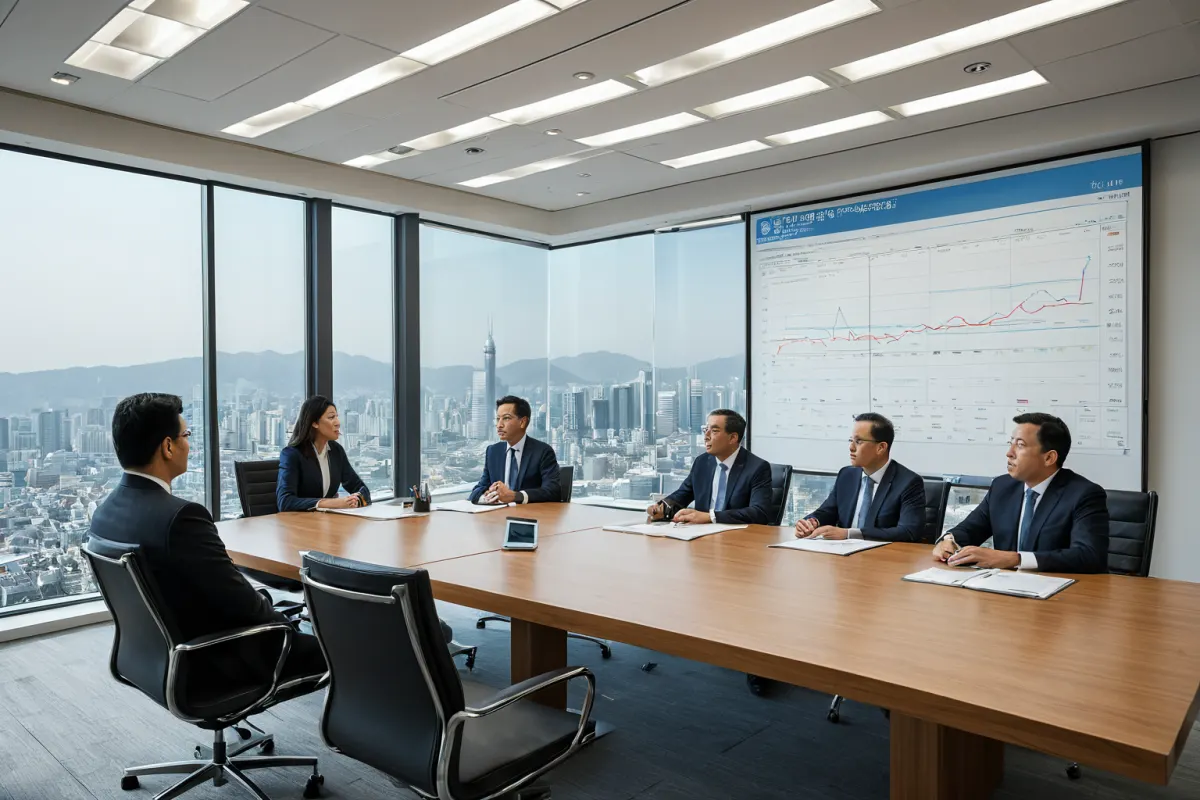
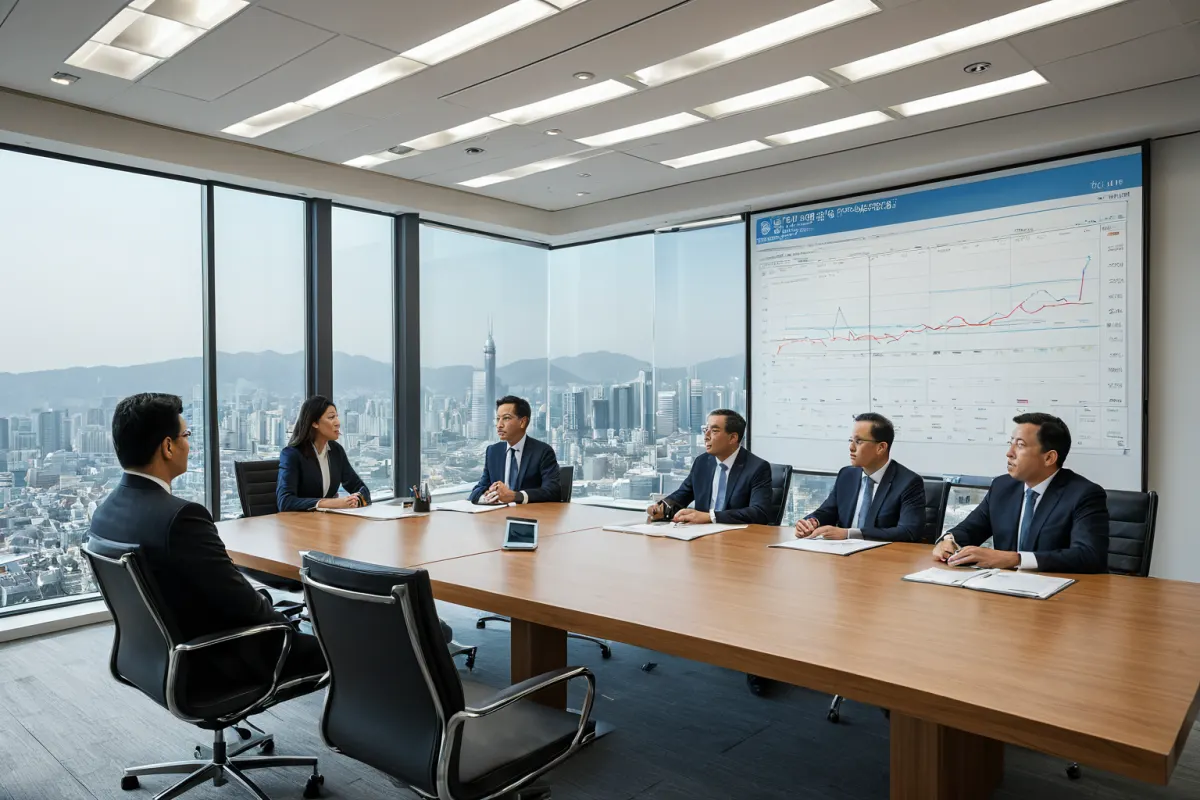
Gyeonggi Province has established a 'Fiscal Crisis Resolution Strategy Task Force' to address its financial challenges. This follows Governor Choo Mi-ae's emergency declaration on August 6, with the goal of developing structural reforms and revenue enhancement solutions within three weeks, aiming to finalize comprehensive measures by late August.
The task force is pursuing two tracks: restructuring expenditures and increasing revenue streams. Economic Vice-Governor Ju Hyung-cheol emphasized that the focus should be on 'structural reform rather than budget cuts' in addressing the fiscal crisis. Pyeongtaek City has already collected 700 million won in development burden fees this year as an example of local-level efforts.
Key Strategies of Gyeonggi's Fiscal Crisis Response Task Force
The task force is prioritizing expenditure restructuring and revenue reform as core initiatives, aiming to complete comprehensive measures by late August. This follows Governor Choo Mi-ae's identification of the 'low tax revenues and high expenditures' issue.
Through four key initiatives, the task force is working on fiscal crisis resolution, with Economic Vice-Governor Ju Hyung-cheol stressing that the approach should be 'structural reform rather than budget reduction.' This means exploring tax system revisions and new revenue sources instead of simple budget cuts.
Pyeongtaek City's recent collection of 700 million won in development burden fees by August 10 exemplifies local efforts toward fiscal normalization. This case connects with broader provincial strategies aimed at improving overall fiscal health following the task force's activation.
Governor Choo Mi-ae urged restraint from political disputes and highlighted 'outdated tax systems' as a key issue. This statement suggests that current revenue structures have reached their limits, signaling a need for new fiscal policy direction.
Task Force Composition and Progress
Gyeonggi Province established the 'Fiscal Crisis Resolution Strategy Task Force' following Governor Choo Mi-ae's emergency declaration on August 6, with a plan to develop structural reforms and revenue enhancement solutions within three weeks.
As of August 10, the task force is fully operational, marking the activation of Gyeonggi's fiscal emergency response system. Ju Hyung-cheol's statement that 'the crisis must be overcome through structural reform rather than budget cuts' has drawn significant attention.
Following reports that Governor Choo Mi-ae 'activated the tax reform initiative and launched Ju Hyung-cheol's task force,' the task force's activation is seen as the first step toward Gyeonggi's fiscal normalization.
The province also announced plans to review the 2027 budget from scratch, promising targeted support for livelihood and stability sectors. This demonstrates Gyeonggi's commitment to long-term fiscal improvement strategies.
Concrete Measures for Fiscal Crisis Resolution
The task force is implementing two core strategies: expenditure restructuring and revenue enhancement. On the expenditure side, unnecessary spending is being reduced through review of budget allocation efficiency.
On the revenue side, outdated tax systems are being improved while exploring new income sources. This aligns with Governor Choo Mi-ae's reference to 'outdated tax systems.' The comprehensive measures by late August will connect with the 2027 budget review plan.
While 'budget cuts' were mentioned as one possible measure, the task force's focus is on systemic improvements rather than simple reductions. Pyeongtaek City's collection of 700 million won in development burden fees serves as an example of local-level fiscal normalization efforts that connect with broader provincial strategies.
Key Personnel and Roles
Governor Choo Mi-ae decided to activate the task force following her emergency declaration, urging restraint from political disputes while highlighting 'outdated tax systems' as a key issue.
Economic Vice-Governor Ju Hyung-cheol leads the task force, emphasizing that the crisis must be overcome through 'structural reform rather than budget cuts.' He has stressed the importance of expenditure restructuring and revenue reform, proposing new directions beyond simple budget reductions.
The task force's activation is seen as Gyeonggi's first step toward fiscal normalization following Governor Choo Mi-ae's announcement that she had 'activated tax reform and launched Ju Hyung-cheol's task force.'
Future Plans for Fiscal Crisis Resolution
The task force aims to finalize comprehensive measures by late August, which will connect with the 2027 budget review plan. Through four key initiatives, the task force is pursuing fiscal crisis resolution through expenditure restructuring and revenue reform.
The 2027 budget will be reviewed from scratch, indicating Gyeonggi's long-term fiscal improvement strategy. Targeted support for livelihood and stability sectors has also been announced, meaning specific sector-based support rather than general budget cuts.
As of August 10, Pyeongtaek City's collection of 700 million won in development burden fees demonstrates local-level efforts that align with broader provincial strategies. This is expected to connect with Gyeonggi's overall fiscal health improvement plan following the task force's activation.
Governor Choo Mi-ae urged restraint from political disputes while focusing on resolving 'outdated tax systems.' This statement suggests current revenue structures have reached their limits, signaling a need for new fiscal policy direction, which will be addressed through further discussions within the task force.
Unconfirmed Information Related to the Fiscal Crisis Response Task Force
No specific achievements from expenditure restructuring or revenue enhancement have been publicly disclosed following the task force's activation. While the province aims to finalize comprehensive measures by late August, concrete numbers or implementation plans remain undisclosed at this stage.
Specific details regarding the 2027 budget review plan also remain unpublicized. Although mentioned as one of the four key initiatives, no clear timeline or specific approach has been announced yet.
While Pyeongtaek City's collection of development burden fees serves as an example of local efforts, comprehensive analysis of Gyeonggi Province's overall fiscal normalization progress remains limited. As this is the first step following task force activation, more concrete results are expected in the future.
Governor Choo Mi-ae's statement about 'outdated tax systems' suggests current revenue structures have reached their limits but does not specify particular improvement measures. This will likely be addressed through further discussions within the task force.

Frequently Asked Questions About the Fiscal Crisis Response Task Force
Q: What is the purpose of establishing the Fiscal Crisis Resolution Task Force?
Gyeonggi Province established the 'Fiscal Crisis Resolution Strategy Task Force' to address its fiscal crisis, with a focus on expenditure restructuring and revenue enhancement. The province aims to finalize comprehensive measures by late August.
Q: What did Economic Vice-Governor Ju Hyung-cheol say?
Economic Vice-Governor Ju Hyung-cheol emphasized that 'the crisis must be overcome through structural reform rather than budget cuts,' indicating a focus on new revenue sources and efficient expenditure management rather than simple budget reductions.
Q: How does Pyeongtaek City's development burden fee collection impact fiscal crisis resolution?
Pyeongtaek City's successful collection of 700 million won in development burden fees this year demonstrates local efforts toward fiscal normalization. This example connects with broader provincial strategies for improving overall fiscal health following the task force's activation.
Common Questions
Gyeonggi Province has launched a 'Fiscal Crisis Resolution Strategy Task Force' to address its fiscal crisis, pursuing expenditure restructuring and revenue enhancement as dual-track approaches. The province aims to finalize comprehensive measures by late August, with plans to review the 2027 budget from scratch and provide targeted support for livelihood and stability sectors.
Economic Vice-Governor Ju Hyung-cheol's statement that 'the crisis must be overcome through structural reform rather than budget cuts' signals a shift away from simple budget reductions toward new fiscal policy directions. Pyeongtaek City's collection of 700 million won in development burden fees represents an early local success, expected to connect with broader provincial efforts for fiscal normalization.
Governor Choo Mi-ae urged restraint from political disputes while highlighting 'outdated tax systems' as a key issue. This suggests current revenue structures have reached their limits, signaling the need for new fiscal policy direction, which will be addressed through further discussions within the task force.
Specific achievements following the task force's activation and details about the 2027 budget review plan remain to be disclosed. The province is currently focused on finalizing comprehensive measures by late August, marking this as Gyeonggi's first step toward fiscal normalization.
You can view similar articles on this topic in one place.
View Related ArticlesFAQ
What is the purpose of establishing the Fiscal Crisis Resolution Task Force?
Gyeonggi Province established the 'Fiscal Crisis Resolution Strategy Task Force' to address its fiscal crisis, with a focus on expenditure restructuring and revenue enhancement. The province aims to finalize comprehensive measures by late August.
What did Economic Vice-Governor Ju Hyung-cheol say?
Economic Vice-Governor Ju Hyung-cheol emphasized that 'the crisis must be overcome through structural reform rather than budget cuts,' indicating a focus on new revenue sources and efficient expenditure management rather than simple budget reductions.
How does Pyeongtaek City's development burden fee collection impact fiscal crisis resolution?
Pyeongtaek City's successful collection of 700 million won in development burden fees this year demonstrates local efforts toward fiscal normalization. This example connects with broader provincial strategies for improving overall fiscal health following the task force's activation.
Korean Source
This article is an English localization of a Korean-language report from BlogScore. Original: 경기도 위기극복 TF의 주요 성과와 향후 계획